
Waking up to your dog barking in the middle of the night can be startling—and exhausting. What’s more frustrating is when it seems to happen “out of nowhere.” While occasional nighttime barking may not be a concern, frequent or sudden episodes can disrupt sleep, strain relationships, and signal underlying issues. The truth is, dogs don’t bark without reason. Even if the trigger isn’t obvious to you, your dog is responding to something—whether physical, emotional, or environmental.
Understanding the root causes behind nocturnal barking is the first step toward effective intervention. From anxiety and aging to external stimuli and health concerns, multiple factors can contribute. More importantly, practical, humane solutions exist to help calm your dog and restore quiet nights for everyone in the household.
Common Causes of Nighttime Barking in Dogs
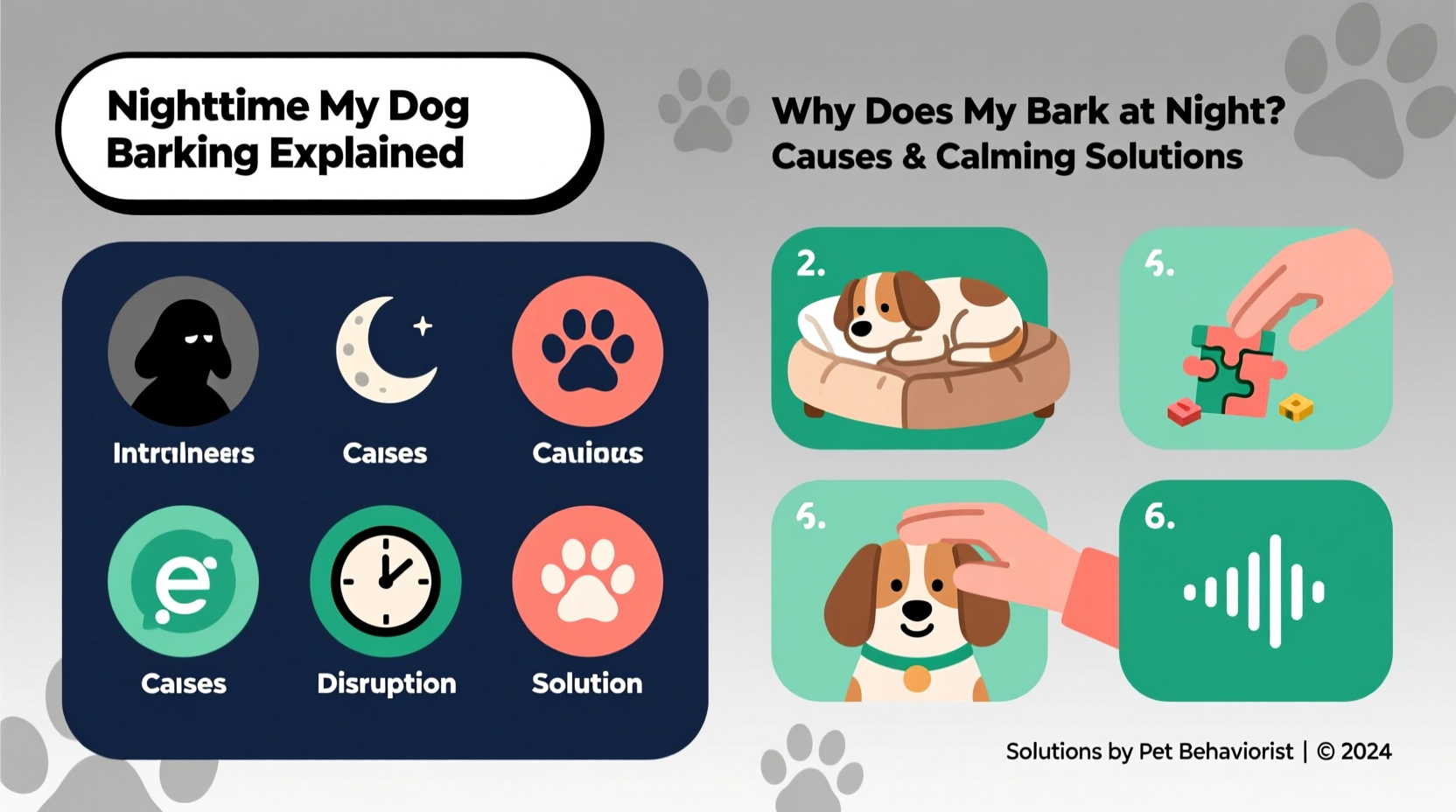
Dogs rely heavily on their senses, especially hearing and smell, which are far sharper than ours. What seems like silence to you might be a symphony of distant sounds to your dog. Below are the most frequent reasons dogs bark at night without an apparent cause.
1. Heightened Sensory Awareness
Dogs detect sounds humans can’t—like high-frequency noises from rodents, distant animal calls, or even electrical hums from appliances. A rustle in the bushes, a car pulling into a neighbor’s driveway, or footsteps on a porch can trigger alert barking. At night, when ambient noise decreases, these subtle cues become more noticeable to your pet.
2. Separation Anxiety or Loneliness
If your dog sleeps alone in another room—or worse, outdoors—they may bark due to feelings of isolation. Dogs are social animals; being separated from their pack (you) during vulnerable nighttime hours can lead to distress vocalizations. This is especially common in adopted dogs with past abandonment trauma or breeds prone to attachment, such as Cavalier King Charles Spaniels or German Shepherds.
3. Cognitive Decline in Senior Dogs
Older dogs can develop Canine Cognitive Dysfunction (CCD), similar to dementia in humans. Symptoms include confusion, disorientation, pacing, and unexplained vocalization—often worse at night. A senior dog might bark because they don’t recognize their surroundings in low light or have forgotten where their bed is.
“Nighttime barking in older dogs should never be dismissed as ‘just getting old.’ It often reflects pain, fear, or cognitive changes requiring veterinary attention.” — Dr. Laura Bennett, Veterinary Behaviorist
4. Medical Issues or Discomfort
Pain from arthritis, gastrointestinal upset, dental problems, or urinary tract infections can cause restlessness and vocalization. Older dogs may bark when they need to go outside but can’t communicate effectively. Sudden onset of nighttime barking in a previously quiet dog warrants a vet check.
5. Territorial or Protective Instincts
Some dogs are naturally vigilant. They may bark at perceived intruders—even shadows or unfamiliar scents carried by wind. Breeds like Shiba Inus, Basenjis, or Terriers were historically bred for guarding and remain highly alert, especially during quiet nighttime hours.
How to Calm a Dog That Barks at Night: Practical Solutions
Addressing nighttime barking requires patience, consistency, and a tailored approach based on the underlying cause. Here’s how to create a peaceful sleeping environment for both you and your dog.
Establish a Predictable Bedtime Routine
Dogs thrive on routine. A consistent evening schedule signals that it’s time to wind down. Include a final potty break, light play, and a calming activity like gentle brushing or soft music.
- Take your dog out 30 minutes before bedtime to relieve themselves.
- Avoid stimulating games or treats close to sleep time.
- Use a specific cue like “bedtime” while guiding them to their sleeping area.
Optimize the Sleep Environment
Create a den-like space that feels safe and secure. This is especially important for anxious or noise-sensitive dogs.
Consider the following adjustments:
- Place the dog bed in a quiet, low-traffic area away from doors and windows.
- Add a covered crate or cozy blanket fort to simulate a den.
- Play soothing music or nature sounds designed for dogs.
Block Visual and Auditory Triggers
Prevent your dog from seeing or hearing potential triggers by managing their environment.
| Trigger Type | Solution | Avoid |
|---|---|---|
| Motion outside windows | Cover windows with blackout curtains | Letting dog sleep near street-facing windows |
| Noises from neighbors or wildlife | Use white noise machines or fans | Leaving windows open at night |
| Indoor sounds (appliances, creaks) | Turn off noisy devices before bed | Running washing machines late at night |
Step-by-Step Guide to Reducing Nighttime Barking
Follow this 7-day plan to gradually reduce and eventually eliminate unexplained nighttime barking.
- Day 1–2: Observe and Document
Note when the barking occurs, its duration, and any patterns (e.g., after a sound, during full moon, only when alone). Record video if possible. - Day 3: Rule Out Medical Causes
Schedule a vet visit to check for pain, hearing loss, or CCD, especially if your dog is over 7 years old. - Day 4: Modify the Sleep Space
Relocate the dog bed closer to your bedroom (if safe and feasible) to reduce separation anxiety. Add familiar-smelling items like an unwashed t-shirt. - Day 5: Introduce Calming Tools
Try a Thundershirt (pressure-wrap garment), pheromone diffuser, or calming supplement (consult your vet first). - Day 6: Adjust Evening Routine
Incorporate a longer walk earlier in the evening and end with a quiet chew session using a food-stuffed Kong to promote relaxation. - Day 7: Test Response to Sound Dampening
Close windows, turn on a fan or white noise app, and observe if barking frequency decreases.
If barking persists beyond two weeks despite interventions, consider consulting a certified canine behaviorist.
Mini Case Study: Luna, the Rescue Beagle
Luna, a 4-year-old rescue Beagle, began barking every night around 2:00 AM. Her owners initially thought she wanted water or needed to go outside. But after installing a camera, they noticed she’d stare at the back window and growl at nothing visible.
Upon investigation, they discovered raccoons visiting their backyard trash bins around the same time each night. Though silent to humans, the rustling was loud to Luna. The solution? Securing trash bins, installing motion-sensor lighting, and moving her bed to an interior room. Within three nights, the barking stopped.
This case highlights how unseen environmental triggers can drive seemingly random barking—and how targeted changes yield fast results.
When Training Alone Isn’t Enough: Behavioral Support Options
For persistent cases, especially those rooted in anxiety or trauma, professional support is essential. Avoid punitive methods like shock collars or yelling, which increase fear and damage trust.
Effective alternatives include:
- Positive reinforcement training: Reward quiet behavior with treats and praise during nighttime checks.
- Habituation exercises: Gradually expose your dog to triggering sounds at low volume, pairing them with treats to build positive associations.
- Veterinary-prescribed medications: In severe anxiety cases, short-term anti-anxiety meds (like fluoxetine) may be recommended alongside behavioral therapy.
“You cannot train away fear. You must address the emotion first, then shape the behavior.” — Karen Overall, PhD, DACVB, Leading Veterinary Behavior Expert
Frequently Asked Questions
Is it normal for dogs to bark at night occasionally?
Yes, occasional barking in response to real stimuli (like a passing siren or animal) is normal. However, frequent, prolonged, or escalating barking is not typical and should be investigated.
Should I let my dog sleep in my bedroom?
It depends on your dog and lifestyle. For anxious dogs, proximity to owners can reduce stress. If allowed, ensure the space is designated and calm. If barking continues, temporary separation with gradual reintegration may be necessary.
Can diet affect nighttime restlessness?
Absolutely. High-energy diets, late-night treats, or food sensitivities can disrupt sleep. Consider switching to a balanced, low-stimulant evening meal and avoid feeding within two hours of bedtime.
Checklist: Stop Nighttime Barking in 7 Key Steps
Use this actionable checklist to systematically address your dog’s nighttime barking:
- ✅ Rule out medical issues with a veterinarian
- ✅ Document barking patterns and potential triggers
- ✅ Create a calm, secure sleeping environment
- ✅ Block visual and auditory stimuli (curtains, white noise)
- ✅ Establish a consistent pre-bed routine
- ✅ Try calming aids (Thundershirt, pheromones, supplements)
- ✅ Consult a behaviorist if no improvement in 14 days
Conclusion: Peaceful Nights Are Possible
Nighttime barking doesn’t have to become a permanent part of your life. With careful observation, compassionate intervention, and consistent effort, most dogs can learn to relax after dark. The key is understanding that your dog isn’t misbehaving—they’re communicating. By listening closely and responding with empathy, you strengthen your bond and create a calmer, healthier home for everyone.




 浙公网安备
33010002000092号
浙公网安备
33010002000092号 浙B2-20120091-4
Comments
No comments yet. Why don't you start the discussion?