
Dogs are naturally alert and sensitive to changes in their environment, which makes them excellent companions but also prone to reacting to stimuli that humans might overlook. One such behavior—barking at shadows—can seem puzzling, even amusing, until it becomes frequent or intense. While occasional barking is normal, persistent reactions to shifting light patterns may signal deeper issues related to anxiety, vision problems, or cognitive decline. Understanding the root causes behind this behavior is essential for determining whether intervention is needed and how best to support your dog’s well-being.
The Science Behind Canine Perception
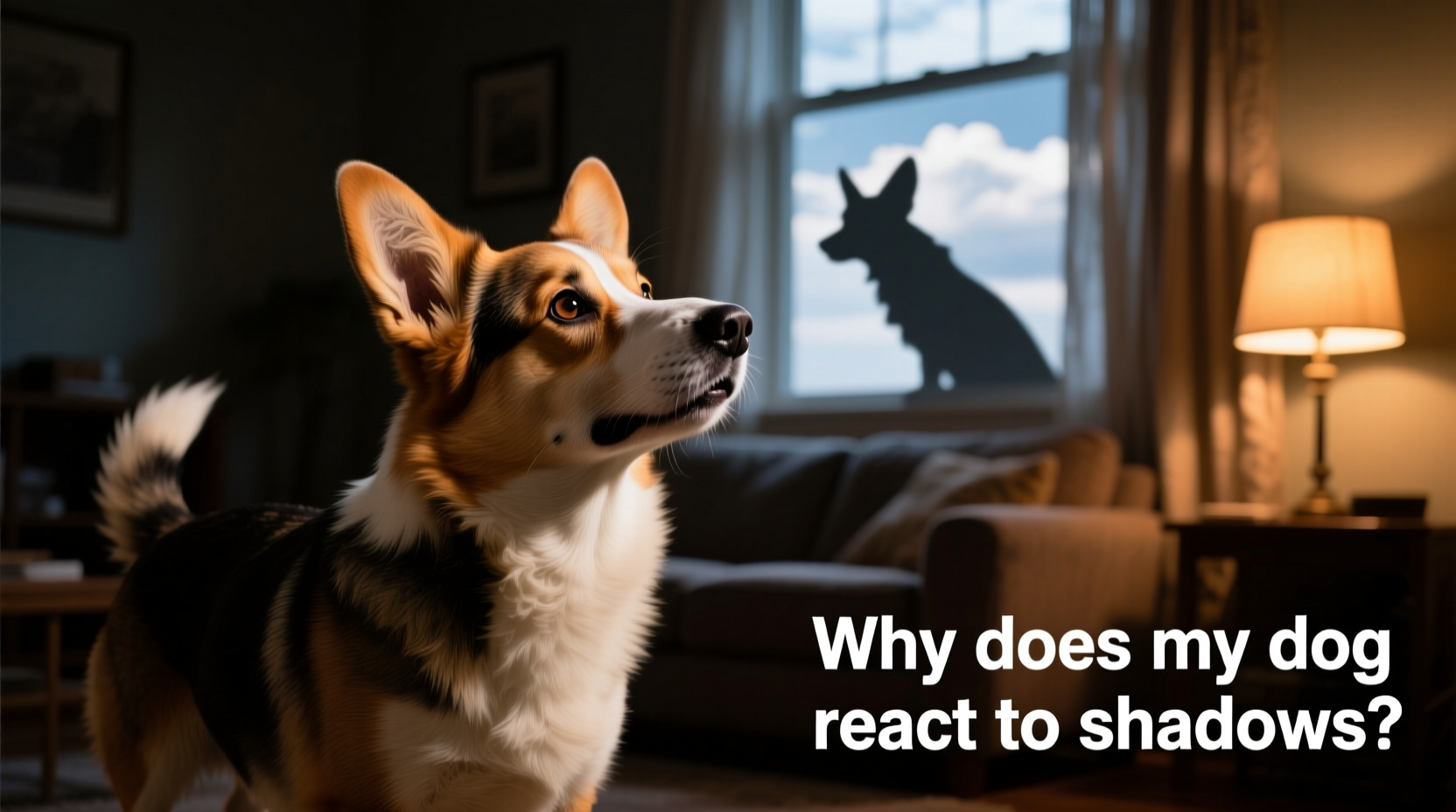
Dogs perceive the world differently than humans. Their vision is adapted for motion detection and low-light conditions rather than fine detail or color accuracy. This evolutionary trait helped their ancestors hunt at dawn and dusk, making them highly responsive to sudden movements—even those created by flickering lights or moving shadows.
A dog’s retina contains a higher proportion of rod cells compared to cone cells, enhancing their ability to detect movement in dim lighting. However, this same sensitivity can lead to misinterpretation of visual stimuli. A shadow cast by a swaying tree branch or a lamp turning on may appear as a fast-moving object, triggering an instinctive alert or defensive response.
Additionally, dogs rely heavily on their other senses to contextualize what they see. If a shadow appears without a corresponding sound or scent, the lack of sensory confirmation can heighten confusion or suspicion. This mismatch between sight and other inputs may prompt vocalization—barking—as a way to investigate or warn of potential threats.
Common Causes of Shadow Barking
Barking at shadows isn’t always a sign of a problem, but understanding the underlying reasons helps determine if action is necessary. Below are several common explanations:
- Misinterpreted Movement: Dogs often mistake subtle shifts in light for prey or intruders. Ceiling fans, curtains blowing in the wind, or headlights passing through windows can all generate dynamic shadows that trigger alert barking.
- Anxiety or Fear: Some dogs develop noise or light sensitivities due to past trauma, lack of early socialization, or generalized anxiety. In these cases, shadows become stressors rather than mere curiosities.
- Cognitive Dysfunction Syndrome (CDS): Older dogs may experience canine dementia, leading to disorientation, confusion, and hallucinatory behaviors—including barking at non-existent threats like shadows.
- Vision Impairment: Cataracts, glaucoma, or retinal degeneration can distort a dog’s visual field. What appears as a harmless shadow to you might look like a looming shape to a dog with compromised vision.
- Boredom or Excess Energy: Understimulated dogs may fixate on minor environmental changes simply because there’s nothing else to focus on. This compulsive attention can manifest as repetitive barking.
“Dogs don’t just react to what they see—they react to what they think it means. A shadow isn’t just darkness; it’s potential danger until proven otherwise.” — Dr. Lena Torres, Veterinary Behaviorist
When Should You Be Concerned?
Occasional barking at shadows, especially during twilight hours or in unfamiliar environments, falls within the range of normal canine behavior. However, certain red flags suggest the need for professional evaluation:
| Behavior | Normal Occurrence | Sign of Concern |
|---|---|---|
| Barking frequency | Spontaneous, brief episodes | Daily, prolonged outbursts lasting minutes |
| Response to distraction | Easily redirected with treats or commands | Ignores owner, remains fixated |
| Physical signs | No visible distress | Panting, trembling, pacing |
| Time of occurrence | During active hours or changing light | Nighttime waking, staring into corners |
| Age factor | Any age, mild reaction | Sudden onset in senior dogs (7+ years) |
If your dog exhibits multiple concerning behaviors from the right-hand column, especially in combination, it may indicate an underlying medical or psychological condition requiring veterinary or behavioral intervention.
Step-by-Step Guide to Reducing Shadow Barking
Addressing shadow barking effectively requires a structured approach that combines environmental adjustments, training techniques, and health monitoring. Follow this five-step process to help your dog feel more secure and less reactive:
- Rule Out Medical Issues: Schedule a vet visit to check for cataracts, glaucoma, or neurological conditions. For older dogs, request a cognitive function assessment.
- Modify the Environment: Reduce confusing visual stimuli by closing blinds during peak sunlight, using soft indoor lighting, and removing reflective surfaces near windows.
- Introduce Positive Associations: When a shadow appears, calmly offer a treat or toy before your dog reacts. Over time, this teaches them to associate the stimulus with something positive instead of threatening.
- Engage in Mental Stimulation: Provide puzzle toys, scent games, or obedience drills daily to reduce fixation on minor stimuli caused by boredom.
- Train the “Quiet” Command: Use consistent verbal cues and rewards to teach your dog to stop barking on command. Practice in low-distraction settings first, then gradually increase difficulty.
Mini Case Study: Max, the Reactive Border Collie
Max, a 4-year-old Border Collie, began barking aggressively at wall shadows every evening after his family installed recessed ceiling lighting. The barking escalated to growling and lunging, disrupting household peace. His owners initially dismissed it as attention-seeking, but when Max started avoiding certain rooms altogether, they consulted a veterinary behaviorist.
After ruling out vision problems, the specialist identified heightened arousal due to Max’s breed-specific sensitivity to motion. The sharp beams from the new lights created rapid shadow shifts that mimicked fast-moving prey—a powerful trigger for a herding dog genetically wired to respond to movement.
The solution involved three key actions: replacing directional spotlights with diffused ambient lighting, implementing daily impulse-control exercises (like “wait” before meals), and using a white-noise machine to mask environmental sounds that compounded Max’s alertness. Within six weeks, the shadow barking ceased entirely, and Max regained confidence in previously avoided spaces.
Checklist: Is Your Dog’s Shadow Barking Harmless or Harmful?
Use this checklist to evaluate your dog’s behavior and decide next steps:
- ✅ Does the barking happen only occasionally and end quickly?
- ✅ Can you easily distract your dog with a toy or command?
- ✅ Is your dog otherwise healthy, active, and sociable?
- ✅ Are there obvious triggers like flickering lights or moving objects?
- ✅ Has the behavior been consistent over time without worsening?
- ❌ Does your dog bark for extended periods without stopping?
- ❌ Do they seem anxious, wide-eyed, or unresponsive during episodes?
- ❌ Has the behavior recently intensified or spread to new situations?
- ❌ Is your dog older than 7 and showing other odd behaviors (wandering, confusion)?
- ❌ Have you noticed cloudiness in their eyes or clumsiness?
If most checked items are positive (✅), the behavior is likely benign and manageable with minor adjustments. If several negative indicators (❌) apply, consult your veterinarian or a certified animal behaviorist promptly.
Frequently Asked Questions
Can dogs see things we can’t, like spirits or energy fields?
There is no scientific evidence that dogs perceive supernatural entities. However, their superior motion detection, hearing, and sense of smell allow them to notice subtle environmental changes invisible to humans—such as infrared heat patterns, high-frequency sounds, or air currents. These abilities may explain seemingly mysterious reactions, including barking at empty corners or shadows.
Is shadow barking a sign of mental illness in dogs?
Not necessarily. Occasional fixation on visual stimuli is normal, especially in high-drive breeds. However, persistent, obsessive barking without external triggers—particularly in senior dogs—can be linked to Cognitive Dysfunction Syndrome, anxiety disorders, or sensory decline. A veterinary diagnosis is required to differentiate between quirks and clinical conditions.
Will ignoring the barking make it go away?
Ignoring the behavior may work if your dog is seeking attention and receives no reinforcement. However, if the barking stems from fear, confusion, or discomfort, ignoring it could worsen the issue. Dogs need guidance and reassurance in stressful moments. Instead of passive neglect, use proactive strategies like redirection, calming routines, and environmental modification.
Conclusion: Taking Action for a Calmer Companion
Barking at shadows doesn’t automatically mean something is wrong—but it shouldn’t be ignored either. By observing patterns, eliminating medical causes, and applying compassionate training methods, you can help your dog feel safer and more grounded. Whether the cause is sensory, emotional, or age-related, early intervention leads to better outcomes and a stronger human-animal bond.
Your dog relies on you not just for food and shelter, but for context and comfort in a world full of strange lights and shifting shapes. With patience and informed care, you can turn confusing shadows into quiet moments of trust.




 浙公网安备
33010002000092号
浙公网安备
33010002000092号 浙B2-20120091-4
Comments
No comments yet. Why don't you start the discussion?