
Dogs don’t chew toys randomly. When a dog consistently gravitates toward just one type of toy—ignoring others in their collection—it’s not mere preference. It’s behavior rooted in instinct, sensory feedback, emotional regulation, and learned habits. Understanding why your dog fixates on a single toy category can help you enrich their mental health, prevent destructive chewing, and support balanced play. This article explores the psychological and biological drivers behind selective chewing and offers actionable strategies to broaden your dog’s engagement with different toys.
The Psychology Behind Toy Fixation
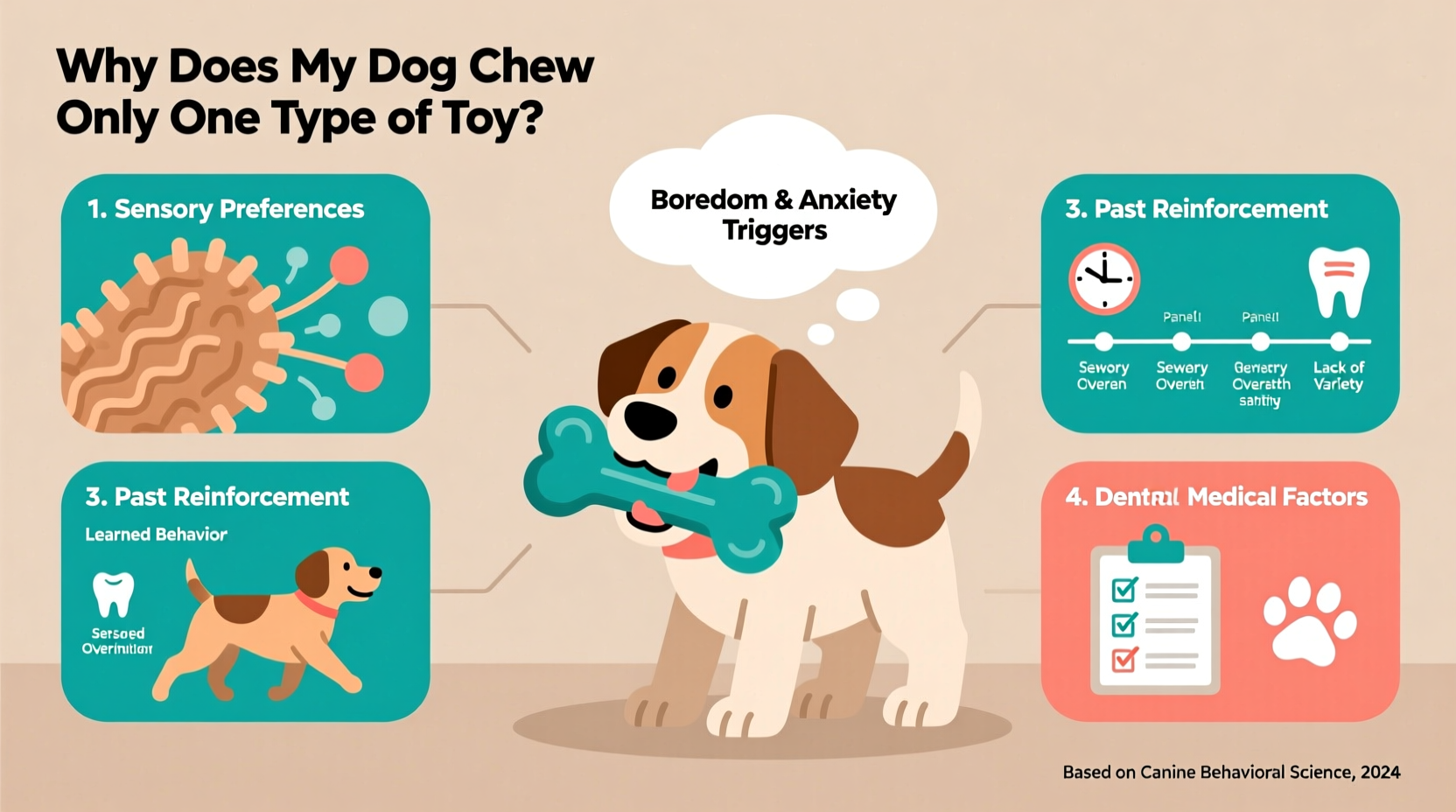
Dog behavior is shaped by reinforcement, comfort, and sensory input. A dog that returns again and again to rope toys, squeaky plushies, or hard rubber chews is responding to specific stimuli that meet an internal need. These needs vary but often fall into three categories: oral satisfaction, anxiety relief, and predatory simulation.
For example, dogs with strong prey drives may obsess over squeaky toys because the noise mimics the sound of small animals in distress. The auditory feedback reinforces the “kill” sequence, making the experience highly rewarding. Similarly, dogs prone to anxiety may chew on soft plush toys as a form of self-soothing, much like a child clings to a security blanket.
Texture also plays a critical role. Some dogs prefer the fibrous resistance of knotted rope, which provides intense gum stimulation. Others favor the smooth bounce of rubber toys that are ideal for fetch. The key is recognizing that the fixation isn’t arbitrary—it’s functional.
Common Types of Toy Specialization and Their Causes
Different toy types fulfill different behavioral roles. Below is a breakdown of common toy preferences and the likely reasons behind them.
| Toy Type | Behavioral Driver | Potential Risk |
|---|---|---|
| Squeaky Plush Toys | Prey drive activation; auditory reward loop | Rapid destruction, ingestion of stuffing |
| Kong-style Rubber Toys | Mental stimulation, long-lasting chewing satisfaction | Overuse leading to jaw fatigue or tooth wear |
| Rope Toys | Gum massage, tug-of-war instinct, dental benefit | Frayed fibers causing intestinal blockage if swallowed |
| Soft Stuffed Animals | Comfort-seeking, nurturing behavior (especially in herding breeds) | Attachment turning into possessiveness or guarding |
| Hard Nylon Chews | Durability and prolonged chewing outlet | Aggressive chewers may fracture teeth |
This table highlights how each toy type aligns with innate canine behaviors. While specialization isn’t inherently problematic, overreliance can lead to physical harm or missed opportunities for cognitive enrichment.
Why Variety Matters: The Risks of Monotonous Play
A diet of only one toy type limits behavioral development. Just as humans benefit from diverse physical and mental activities, dogs thrive when exposed to varied forms of stimulation. Repetitive chewing on a single material—especially hard rubber or nylon—can cause enamel erosion or cracked molars over time. One study published in the *Journal of Veterinary Dentistry* found that 17% of dogs presenting with fractured teeth had a history of chronic hard-object chewing.
Beyond physical risks, behavioral stagnation is a concern. Dogs that only engage with squeaky toys may become hyper-focused on sound-based hunting simulations, potentially escalating reactivity to high-pitched noises in real life—like children screaming or birds chirping. This can contribute to overarousal or difficulty settling.
“Dogs are generalists by nature. Restricting their play repertoire narrows their behavioral flexibility and can reinforce compulsive patterns.” — Dr. Rachel Stahl, Canine Behaviorist, UC Davis School of Veterinary Medicine
Step-by-Step Guide to Broadening Toy Engagement
Shifting your dog’s focus from one toy type to a more balanced rotation requires patience and strategy. Follow this five-step process to encourage diversity in play.
- Assess Current Preferences: For one week, document every toy interaction. Note duration, intensity, and context (e.g., post-walk, during alone time). Identify what makes the preferred toy satisfying.
- Introduce Novelty Gradually: Add one new toy at a time, choosing types that mimic aspects of the favorite. If your dog loves squeaky toys, try a crinkle-sound plush without a squeaker. Pair introduction with treats or praise.
- Rotate Toys Weekly: Keep only 3–4 toys accessible at once. Store the rest out of sight. Rotate every 5–7 days to maintain novelty. Dogs perceive “newness” even with old toys after a break.
- Engage Through Interaction: Use new toys during play sessions. Tug a rope toy yourself before letting your dog chew it. Bounce a rubber ball with enthusiasm. Social reinforcement increases value.
- Monitor and Adjust: Track which new toys gain traction. Discontinue those that provoke disinterest or aggression. Reward calm exploration, not just intense chewing.
Mini Case Study: Max, the Squeaky Toy Addict
Max, a 3-year-old Border Terrier, would destroy any plush toy within 20 minutes, driven by the squeaker. His owner, Sarah, noticed he became agitated when the squeak stopped—even tearing apart non-squeaky toys searching for sound. After consulting a trainer, she implemented a rotation system: two squeaky toys (limited to 10 minutes per day), one crinkle tube, one treat-dispensing rubber toy, and one rope tug.
Initially, Max ignored the new options. Sarah began feeding part of his dinner inside a stuffed Kong and played fetch with the crinkle toy herself. Within three weeks, Max started carrying the crinkle toy to the door when ready to play. By week six, he spent nearly equal time with all four types. The compulsive destruction decreased significantly.
The breakthrough wasn’t eliminating the squeaky toy but reducing its monopoly on playtime while increasing the perceived value of alternatives.
Solutions for Underlying Behavioral Needs
Toys are tools, not just entertainment. When a dog fixates, consider whether deeper needs aren’t being met elsewhere.
- Anxiety or Boredom: Dogs left alone for long periods may chew obsessively as a displacement behavior. Providing background noise (dog-friendly music or TV) and increasing exercise can reduce dependency on chewing for emotional regulation.
- Lack of Mental Challenge: Puzzle toys and interactive feeders stimulate problem-solving. A dog mentally tired from working for food is less likely to fixate on repetitive chewing.
- Dietary Deficiencies: Pica—a condition where animals eat non-food items—can stem from nutritional gaps. If your dog chews excessively on non-toys (e.g., wood, fabric), consult a vet to rule out medical causes.
- Breed-Specific Drives: Herding dogs may carry soft toys like lambs. Retrievers prefer bouncy, throwable items. Align toy variety with breed instincts rather than fight them.
Checklist: Building a Balanced Toy Rotation System
Use this checklist to create a healthy, diverse play environment for your dog:
- ☐ Assess current toy preferences and chewing patterns
- ☐ Select at least four different toy categories (e.g., plush, rubber, rope, puzzle)
- ☐ Limit access to favorite toys to prevent overuse
- ☐ Introduce new toys during positive interactions (play, feeding, training)
- ☐ Rotate toys weekly to maintain interest
- ☐ Supervise initial use of new toys for safety
- ☐ Discard damaged toys immediately to avoid ingestion hazards
- ☐ Incorporate food-stuffing or treat-dispensing features to boost appeal
- ☐ Monitor for signs of possessiveness or resource guarding
- ☐ Schedule daily interactive play sessions using different toy types
FAQ
Is it bad if my dog only likes one kind of toy?
Not inherently—but it can become problematic if it leads to overuse injuries, obsessive behavior, or neglect of other enrichment. Aim for balance rather than elimination. It’s healthy for dogs to have favorites, but they should still engage with a range of textures and functions.
How do I stop my dog from destroying every toy except their favorite type?
Destruction often stems from unmet needs—boredom, excess energy, or lack of appropriate outlets. Increase physical exercise and mental stimulation. Offer durable versions of preferred toys (e.g., “indestructible” plush) and pair new toys with high-value rewards. Never punish destruction; instead, redirect to acceptable options.
Can toy fixation indicate anxiety?
Yes. Repetitive, intense chewing—especially when isolated to soft objects or done in solitude—can be a sign of stress. Look for accompanying behaviors: pacing, excessive licking, or clinginess. If suspected, consult a veterinarian or certified behavior consultant to address root causes.
Conclusion: Encourage Exploration, Not Obsession
Your dog’s attachment to one toy type isn’t stubbornness—it’s communication. They’re telling you what feels good, what calms them, or what fulfills an instinctual need. The goal isn’t to eliminate their favorite but to expand their world so they’re not dependent on a single source of satisfaction.
By applying behavioral insights, rotating toys strategically, and meeting underlying needs, you can foster a richer, more resilient play routine. A dog who enjoys a variety of toys is not just better entertained—they’re more adaptable, mentally agile, and emotionally balanced.




 浙公网安备
33010002000092号
浙公网安备
33010002000092号 浙B2-20120091-4
Comments
No comments yet. Why don't you start the discussion?