
Dogs exhibit a wide range of behaviors that often leave their owners puzzled—circling before lying down is one of the most common yet curious habits. Whether your dog spins once or five times, this ritual is rarely random. Behind this seemingly quirky action lies a blend of evolutionary instinct, physical comfort, and sometimes, subtle health signals. Understanding why your dog performs this pre-sleep routine can deepen your bond and help you recognize when normal behavior might hint at something more serious.
This behavior transcends breed, size, and age. From Chihuahuas to Great Danes, dogs across the spectrum engage in circling before settling in. While it may appear trivial, it's rooted in survival mechanisms passed down from wild ancestors. Today’s domesticated dogs no longer face the same threats as wolves or wild canids, but the instinct remains encoded in their DNA. Beyond instinct, modern factors like joint pain, cognitive decline, or anxiety can also influence how and why a dog circles before lying down.
The Evolutionary Roots of Circling Behavior
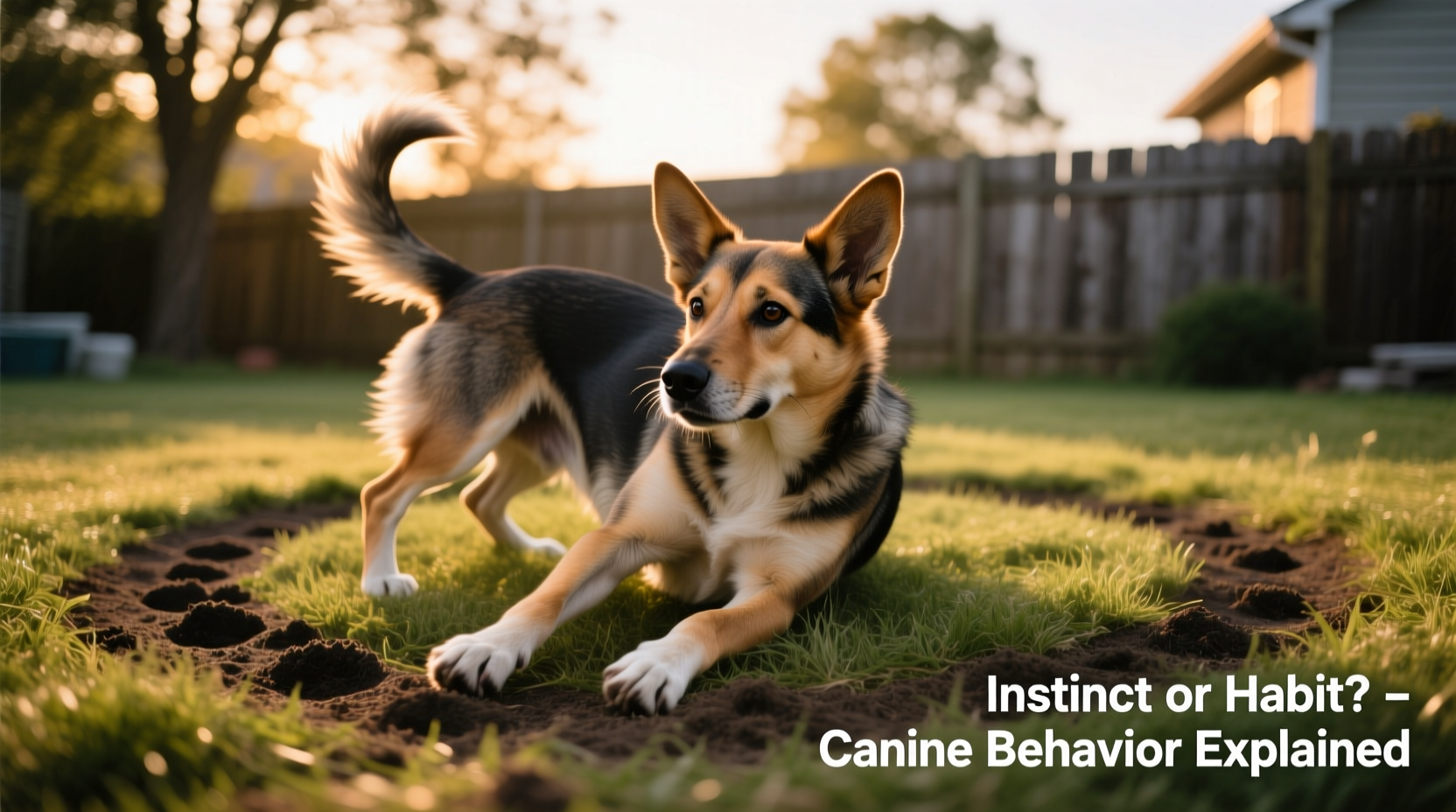
In the wild, dogs’ ancestors relied on instinctual behaviors to survive harsh environments. One such behavior was flattening grass, leaves, or snow to create a safe, comfortable resting spot. Circling helped trample down vegetation, scare away insects or snakes, and align the body with the wind or sun for optimal temperature regulation. This act also allowed animals to survey their surroundings one last time before vulnerability set in during sleep.
Dr. Karen Becker, a proactive and integrative veterinarian, explains:
“Circling before lying down is a deeply ingrained survival mechanism. Even indoor dogs with plush beds are tapping into thousands of years of canine evolution.”The motion isn’t just about comfort—it’s about security. By turning in circles, dogs position themselves to detect movement, scent changes, or potential threats from any direction.
This behavior is not unique to dogs. Other canids like foxes and wolves display similar patterns. Even some hoofed animals, such as cows and horses, circle before lying down, suggesting a broader mammalian survival strategy. In domestic settings, where threats are minimal, the behavior persists as a self-soothing ritual—a way for dogs to signal to themselves that their environment is safe enough to relax.
Physical Comfort and Bed Preparation
While instinct plays a major role, modern dogs also circle to fine-tune their physical comfort. Much like humans fluffing a pillow or adjusting a blanket, dogs use circling to shape their sleeping area. They may be testing the firmness of the surface, redistributing body heat, or simply finding the most ergonomic position for rest.
Dogs have pressure points on their paws, hips, and shoulders that can become sore if not properly supported. A few turns allow them to test different angles and avoid lying directly on a hard floorboard or uneven cushion. This is especially noticeable on carpeted floors, rugs, or outdoor grassy areas where texture and density vary.
Additionally, circling helps regulate body temperature. Dogs release heat through their paw pads and bellies. By exposing different parts of their body to the ground during rotation, they can cool down or conserve warmth depending on ambient conditions. This is particularly evident in older dogs or breeds with thick coats who may struggle with thermoregulation.
When Circling Signals Health Concerns
While occasional circling is normal, sudden changes in frequency, duration, or intensity may indicate underlying medical issues. Excessive spinning—especially if accompanied by other symptoms—can point to neurological, musculoskeletal, or cognitive problems.
Common health-related causes include:
- Arthritis or joint pain: Dogs may circle repeatedly trying to find a pain-free position.
- Vestibular disease: A condition affecting balance, often mistaken for a stroke, which can cause disoriented walking or spinning.
- Cognitive dysfunction syndrome (CDS): Similar to dementia in humans, CDS can lead to confusion, pacing, and repetitive behaviors in senior dogs.
- Anxiety or OCD: Some dogs develop compulsive circling due to stress, lack of stimulation, or trauma.
A 2020 study published in the Journal of Veterinary Behavior found that dogs with chronic pain were 3.2 times more likely to exhibit prolonged pre-lie-down rituals than healthy counterparts. The researchers emphasized that behavioral shifts—even minor ones—should prompt veterinary evaluation, especially in dogs over seven years old.
“Behavior is the first language of illness in animals. When a dog changes its routine, we must listen.” — Dr. Marty Goldstein, holistic veterinarian
Red Flags That Warrant a Vet Visit
| Normal Behavior | Potential Concern |
|---|---|
| 1–3 circles before lying down | More than 5–10 rotations |
| Smooth, deliberate movement | Lurching, uncoordinated, or dizzy steps |
| Consistent pattern daily | Sudden increase in frequency |
| Lies down calmly after circling | Unable to settle, gets up immediately |
| No vocalization | Whining, groaning, or panting during the process |
Mini Case Study: Max, the Senior Labrador
Max, a 10-year-old yellow Labrador, had always circled once or twice before napping. His owner, Sarah, noticed he began spinning four to six times, sometimes collapsing mid-turn. He also started avoiding his favorite corner of the living room and seemed reluctant to lie down at all.
After a veterinary exam, Max was diagnosed with moderate hip dysplasia and early-stage osteoarthritis. His circling wasn’t just habit—it was an attempt to relieve discomfort by finding a position that minimized joint pressure. With anti-inflammatory medication, a new orthopedic bed, and low-impact swimming therapy, Max’s circling reduced significantly within three weeks. He now circles once and lies down smoothly, returning to his relaxed routine.
This case illustrates how a simple behavioral change can reveal deeper health issues. Early intervention improved Max’s quality of life and prevented further deterioration.
Step-by-Step Guide: Assessing Your Dog’s Circling Habit
If you’re concerned about your dog’s circling behavior, follow this practical timeline to determine whether it’s normal or warrants attention:
- Observe and record: For three days, note how many times your dog circles, how long it takes, and whether they lie down successfully afterward.
- Check for physical signs: Look for limping, stiffness, reluctance to climb stairs, or yelping when touched—especially around hips and spine.
- Assess environmental factors: Has anything changed recently? New flooring, loud noises, or a different bed could cause unease.
- Evaluate mental state: Is your dog confused, disoriented, or acting differently during other times of day?
- Schedule a vet visit: If circling has increased suddenly or is paired with other symptoms, consult your veterinarian. Request blood work, joint evaluation, and a neurological screen if needed.
Environmental and Psychological Influences
Beyond biology and health, a dog’s environment plays a crucial role in their pre-sleep behavior. Anxiety, noise levels, lighting, and even household routines can influence how confidently a dog settles down.
Dogs are highly sensitive to energy in their surroundings. A chaotic home, frequent visitors, or loud appliances (like washing machines or vacuums) may make a dog feel unsafe. As a result, they may circle more frequently as part of a hyper-vigilant routine, constantly scanning for threats before committing to rest.
Similarly, dogs with separation anxiety or past trauma may develop ritualistic behaviors. Circling becomes a displacement activity—an outlet for nervous energy when they can’t fully relax. In such cases, addressing the root cause through training, enrichment, or professional behavioral therapy is essential.
Do’s and Don’ts for Supporting Healthy Resting Habits
| Do’s | Don’ts |
|---|---|
| Provide a quiet, consistent sleeping area | Move your dog’s bed frequently |
| Use supportive bedding for older dogs | Force your dog to lie down mid-circle |
| Establish a calming bedtime routine | Yell at or punish circling behavior |
| Monitor for changes in routine | Ignore sudden increases in circling |
| Offer mental stimulation during the day | Leave your dog alone for excessive hours |
Frequently Asked Questions
Is it normal for puppies to circle before lying down?
Yes, even very young puppies display this behavior. It emerges early because it’s instinctual, not learned. Puppies may circle less precisely than adults due to developing motor skills, but the pattern is present from a few weeks of age.
Can I train my dog to stop circling?
You shouldn’t try to eliminate this natural behavior unless it’s excessive or causing harm. Instead, focus on improving comfort and reducing anxiety. Training should aim to support, not suppress, instinctual routines.
Why does my dog spin in the opposite direction sometimes?
Dogs don’t have a dominant “spin” direction. They may turn clockwise or counterclockwise based on spatial constraints, surface texture, or personal preference. Occasional variation is normal and not a cause for concern.
Conclusion: Listening to Your Dog’s Language
Circling before lying down is far more than a quirky habit—it’s a window into your dog’s evolutionary past, physical well-being, and emotional state. While it’s usually harmless, paying attention to changes in this routine empowers you to act early if something is wrong. Just as humans have bedtime rituals, dogs rely on these small ceremonies to transition into rest. Respecting that process strengthens trust and improves their quality of life.




 浙公网安备
33010002000092号
浙公网安备
33010002000092号 浙B2-20120091-4
Comments
No comments yet. Why don't you start the discussion?