
Dogs eating grass is one of the most common behaviors observed by pet owners—and one of the most puzzling. Whether your dog nibbles casually during a walk or devours large clumps with urgency, the sight often raises questions. Is it normal? Could it be harmful? Should you intervene?
While occasional grass consumption is generally harmless and even typical among canines, there are situations where this behavior may indicate an underlying health issue or expose your pet to danger. Understanding the reasons behind this habit and recognizing warning signs can help ensure your dog stays healthy and safe.
The Science Behind Why Dogs Eat Grass
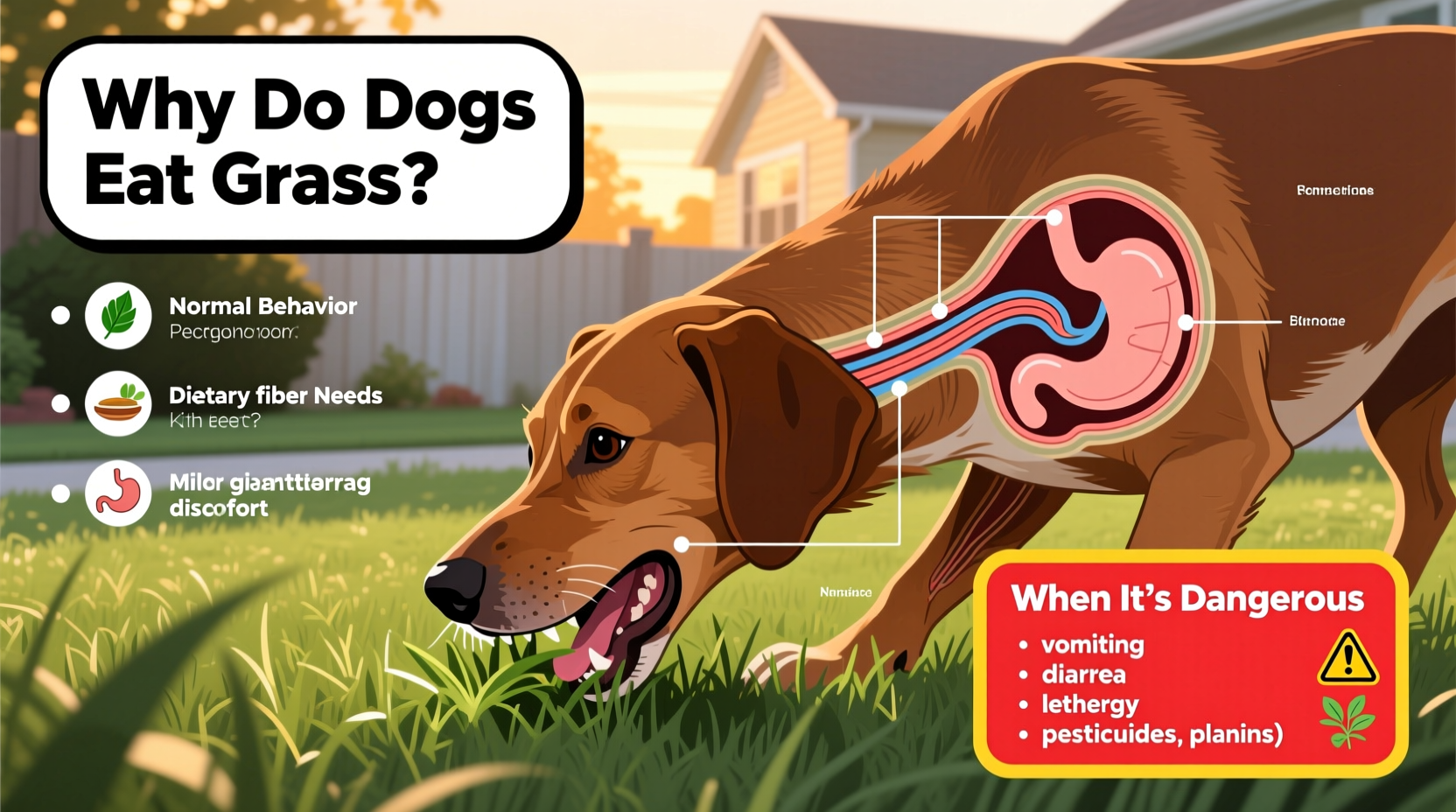
Despite decades of observation and research, there’s no single definitive answer to why dogs eat grass. However, veterinary studies and behavioral experts have identified several plausible explanations, ranging from instinctual drives to digestive needs.
One widely accepted theory is that grass-eating is a natural, inherited behavior from wild ancestors. Wolves and other wild canids consume plant material through the stomach contents of their prey. Over time, domestic dogs may have retained a biological inclination to ingest fibrous vegetation as part of a varied diet.
Another explanation centers on digestion. Some dogs appear to eat grass to aid gastrointestinal function. The fibrous texture can stimulate intestinal movement, potentially helping to relieve mild constipation or move undigested food along the tract. In some cases, dogs may eat grass simply because they enjoy the taste or texture—especially young dogs exploring their environment.
“Grass consumption in dogs is not inherently abnormal. Many dogs do it without any adverse effects, and it likely serves multiple purposes—from dietary supplementation to behavioral expression.” — Dr. Lena Torres, DVM, Canine Behavior Specialist
Common Reasons Dogs Eat Grass
- Natural instinct: A remnant of ancestral omnivorous tendencies.
- Dietary fiber need: May help regulate digestion or address minor gut discomfort.
- Nausea relief: Some dogs eat grass when feeling queasy, possibly to induce vomiting.
- Boredom or anxiety: Behavioral trigger, especially in under-stimulated dogs.
- Taste preference: Fresh spring grass has a sweet, appealing flavor to some dogs.
When Grass-Eating Becomes a Concern
While most dogs who eat grass do so without consequence, certain patterns and accompanying symptoms should prompt closer attention. The act itself isn’t dangerous—but the reasons behind it and the type of grass consumed can pose real risks.
One major red flag is frequent or compulsive grass consumption. If your dog consistently seeks out grass, appears distressed while doing so, or tries to eat it immediately after meals, it could signal gastrointestinal discomfort. Conditions such as inflammatory bowel disease (IBD), acid reflux, or parasites may drive a dog to self-medicate with plant matter.
Equally concerning is the use of herbicides, pesticides, or fertilizers on lawns. Grass treated with chemicals—even in small amounts—can be toxic when ingested. Common lawn products contain organophosphates, glyphosate, or nitrogen-rich compounds that may cause vomiting, diarrhea, lethargy, or more severe neurological symptoms.
Situations That Warrant a Vet Visit
- Your dog eats grass aggressively and repeatedly every day.
- They vomit frequently after eating grass, especially if bile or blood is present.
- Signs of abdominal pain, such as whining, bloating, or reluctance to move.
- You suspect ingestion of chemically treated grass.
- Behavioral changes accompany the habit, including lethargy, loss of appetite, or excessive licking.
Hidden Dangers: What Your Lawn Might Be Hiding
Not all grass is created equal. Even if your dog seems healthy, the environment where they graze can introduce serious hazards. Urban parks, roadside verges, and neighbor’s yards may be treated with substances invisible to the naked eye but harmful when ingested.
Below is a comparison of common lawn treatments and their potential effects on dogs:
| Chemical Type | Purpose | Risk to Dogs |
|---|---|---|
| Glyphosate (weed killers) | Kills broadleaf weeds | Liver damage, vomiting, drooling, respiratory issues |
| Organophosphates (insecticides) | Targets grubs and pests | Nervous system disruption, tremors, seizures |
| Synthetic fertilizers | Boosts grass growth | Gastrointestinal upset, salt toxicity, kidney strain |
| Pre-emergent herbicides | Prevents crabgrass | Mild to moderate GI irritation; risky in large doses |
In addition to chemicals, grass can harbor intestinal parasites like hookworms or roundworms, especially in public areas where other animals defecate. Contaminated soil sticks to blades of grass, making them a transmission route for infections that require deworming treatment.
Real-Life Example: When Grass Was a Warning Sign
Sarah noticed her six-year-old Labrador, Max, had started eating grass daily during their morning walks. At first, she dismissed it as quirky behavior. But within two weeks, Max began vomiting shortly after grazing and lost interest in his food.
Concerned, Sarah recorded a video of Max’s behavior and brought it to her veterinarian. After a physical exam and blood work, Max was diagnosed with chronic gastritis—likely triggered by long-term low-grade inflammation. The vet explained that Max wasn’t eating grass for enjoyment; he was responding to persistent nausea, using grass to soothe his stomach or provoke vomiting to relieve pressure.
With a prescription diet, antacids, and a strict ban on unsupervised outdoor grazing, Max’s condition improved within three weeks. His grass-eating stopped entirely once his digestive health stabilized.
This case illustrates how a seemingly benign habit can mask a deeper medical issue. Without careful observation and timely intervention, Max’s condition could have worsened, leading to ulcers or malnutrition.
How to Respond: A Step-by-Step Guide
If your dog eats grass regularly—or you’re unsure whether it’s normal—follow these steps to assess and manage the situation responsibly:
- Observe the pattern: Note how often your dog eats grass, the quantity consumed, and whether vomiting follows.
- Inspect the environment: Check if the grass has been treated with chemicals or exposed to animal waste.
- Review diet quality: Ensure your dog’s food provides adequate fiber and nutrients. Low-quality kibble may lack digestible fiber, prompting grass-seeking behavior.
- Monitor for symptoms: Watch for vomiting, diarrhea, weight loss, or changes in energy levels.
- Consult your veterinarian: If grass-eating is frequent or paired with illness, schedule an exam. Blood tests, fecal analysis, or ultrasound may be needed.
- Modify behavior: Redirect your dog with toys or treats during walks. Consider training techniques to discourage grazing.
- Provide safe alternatives: Grow pet-safe wheatgrass indoors for dogs who crave greens.
“Don’t assume grass-eating is just a quirk. It’s a behavior worth tracking—like scratching or panting. Context tells the story.” — Dr. Rajiv Mehta, Internal Medicine Veterinarian
Checklist: Is Your Dog’s Grass-Eating Harmless?
Use this checklist to evaluate whether your dog’s grass consumption is likely safe or requires action:
- ✅ Eats grass only occasionally (once a week or less)
- ✅ Shows no vomiting or discomfort afterward
- ✅ Grazes on untreated, clean grass
- ✅ Maintains normal appetite and energy levels
- ✅ Has up-to-date parasite prevention
- ✅ Eats a balanced, high-quality diet
If you answered “no” to two or more items, consider scheduling a veterinary consultation to rule out medical causes.
Frequently Asked Questions
Do dogs eat grass when they’re sick?
Yes, some dogs eat grass when experiencing nausea or stomach upset. While not all grass-eating dogs are ill, frequent or urgent consumption—especially followed by vomiting—can be a sign of gastrointestinal distress. However, many healthy dogs also eat grass without any illness.
Can eating grass make my dog throw up?
Yes, grass can irritate the stomach lining and trigger vomiting, particularly if eaten quickly or in large amounts. This doesn’t mean the dog is sick—it may be a self-regulating mechanism. However, regular induced vomiting should be evaluated by a vet.
Is it safe for puppies to eat grass?
Occasional grass-eating is generally safe for puppies, but they are more vulnerable to parasites and toxins due to their developing immune systems. Supervise young dogs closely and prevent access to treated lawns or contaminated areas.
Conclusion: Know Your Dog, Trust Your Instincts
Dogs eat grass for a variety of reasons—many of which are perfectly normal. For most pets, it’s a harmless habit rooted in biology, taste, or mild digestive support. But as with any repeated behavior, context matters. Sudden changes, compulsive patterns, or accompanying symptoms should never be ignored.
The safest approach combines awareness, prevention, and proactive care. Provide a nutritious diet, avoid chemical exposure, and stay alert to shifts in your dog’s habits. When in doubt, consult your veterinarian. Early detection of underlying conditions can prevent complications and improve quality of life.




 浙公网安备
33010002000092号
浙公网安备
33010002000092号 浙B2-20120091-4
Comments
No comments yet. Why don't you start the discussion?