
Dogs eating grass is a common behavior that puzzles many pet owners. It’s not unusual to see your dog pause during a walk, nibble on some lawn, or even gulp down a mouthful of green blades with apparent enthusiasm. While this habit often causes concern, in most cases, it’s a normal and harmless behavior. However, there are times when grass-eating can signal an underlying health issue. Understanding the reasons behind this behavior—and knowing when to seek veterinary help—is essential for every dog owner.
Common Reasons Dogs Eat Grass
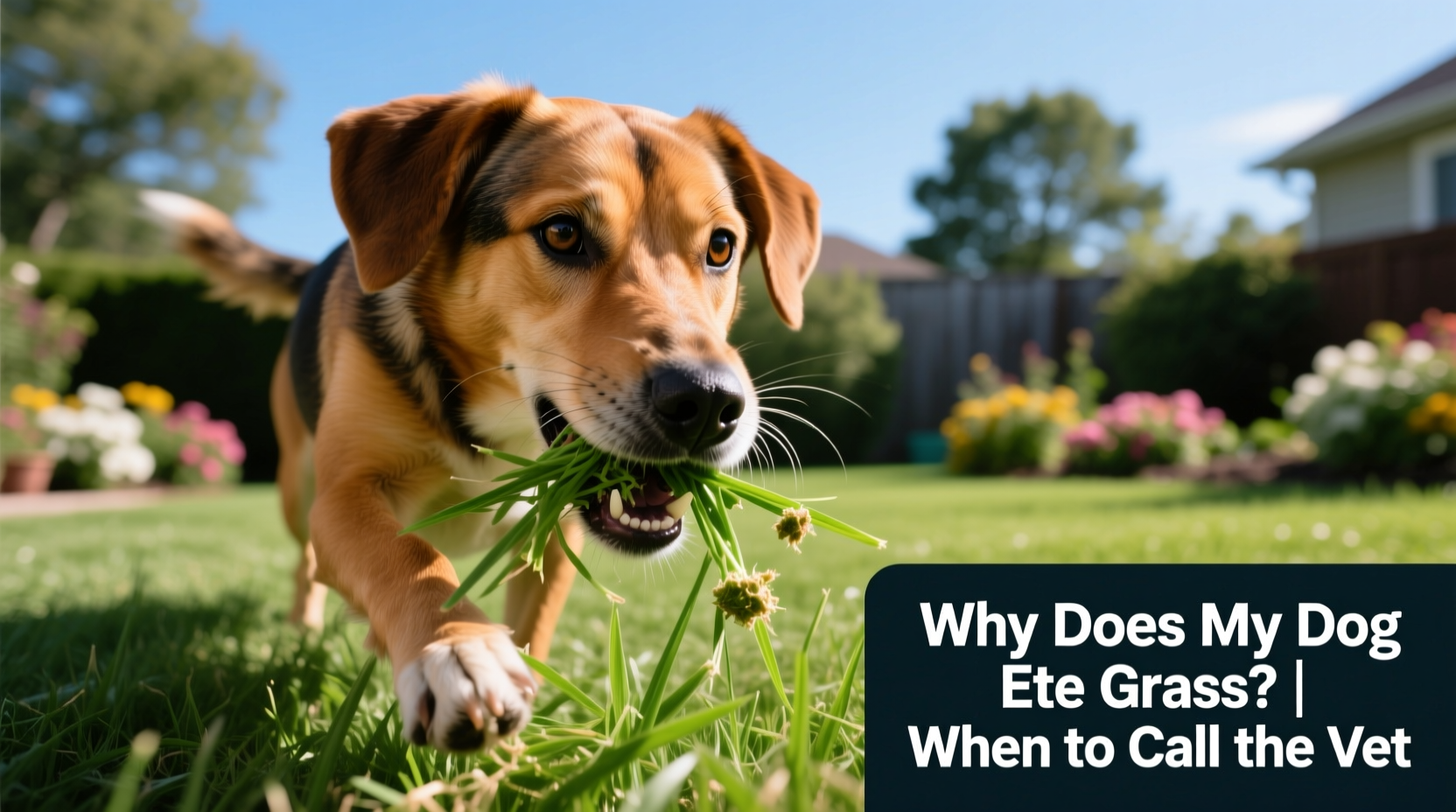
Dogs consume grass for a variety of natural and behavioral reasons. Research and veterinary observation suggest several explanations, none of which necessarily indicate illness.
- Nutritional instinct: Some experts believe dogs may eat grass to supplement their diet with fiber or trace nutrients. Though modern commercial dog foods are nutritionally complete, ancestral instincts may still drive dogs toward plant matter.
- Digestive aid: Grass can act as a mild laxative or induce vomiting if a dog has an upset stomach. This self-medicating behavior helps them expel indigestible materials like fur or spoiled food.
- Boredom or anxiety: Dogs left alone for long periods or lacking mental stimulation may chew grass out of boredom or stress, much like humans might bite their nails.
- Taste preference: Fresh spring grass is tender and mildly sweet. Many dogs simply enjoy the taste and texture, especially after rain.
- Habitual behavior: Some dogs start eating grass as puppies and continue into adulthood without any negative consequences—making it a routine part of their outdoor experience.
When Grass-Eating Is a Cause for Concern
While grass consumption is usually benign, certain patterns and accompanying symptoms warrant closer attention. Not all grass is safe, and not all motivations behind the behavior are harmless.
Here are key warning signs that mean you should monitor your dog closely—or contact your veterinarian:
- Eating grass excessively or compulsively
- Immediate vomiting after ingestion
- Visible signs of abdominal pain (whining, bloating, restlessness)
- Diarrhea or blood in stool following grass consumption
- Lethargy, drooling, or loss of appetite
- Access to chemically treated lawns or toxic plants
“Occasional grass eating is normal, but sudden changes in frequency or associated symptoms should prompt a vet visit.” — Dr. Lena Patel, DVM, Small Animal Behavior Specialist
The Risk of Pesticides and Herbicides
One of the most serious dangers isn’t the grass itself—but what’s on it. Lawns treated with herbicides, fertilizers, or insecticides can pose significant health risks. Chemical residues may cause gastrointestinal irritation, neurological symptoms, or even poisoning.
Puppies and small breeds are particularly vulnerable due to their size and tendency to groom their paws after walking on treated surfaces. Even if your yard is chemical-free, public parks or neighboring lawns might not be.
Understanding the Vomiting Myth
A widespread belief is that dogs eat grass primarily to make themselves vomit. However, studies challenge this idea. A 2007 University of California, Davis study observed over 1,500 dogs and found that only about 22% vomited after eating grass—and most did so infrequently. Furthermore, fewer than 10% showed signs of illness beforehand.
This suggests that vomiting is often a side effect—not the goal. Most dogs eat grass without getting sick at all. In fact, regular grass consumers were healthier and had better appetites than those who didn’t.
That said, if your dog consistently eats grass and then vomits, especially with yellow bile or undigested food, it could point to gastrointestinal issues such as acid reflux, inflammatory bowel disease, or parasites.
Parasites and Grass: An Overlooked Connection
Grass can harbor intestinal parasites like roundworms or hookworms, especially in areas where other animals defecate. Dogs may ingest parasite eggs while grazing, leading to infections that cause vomiting, diarrhea, weight loss, and a dull coat.
Regular deworming and fecal testing are critical—even for indoor dogs. If your dog frequently eats grass in public spaces, ensure they are on a monthly preventive regimen recommended by your vet.
Behavioral vs. Medical Causes: How to Tell the Difference
Distinguishing between instinctual behavior and medical need is crucial. The table below outlines key differences to help you assess your dog’s situation.
| Factor | Normal/Behavioral | Potentially Medical |
|---|---|---|
| Frequency | Occasional, during walks or play | Daily or multiple times per day |
| Manner of Eating | Calm, selective nibbling | Rapid, frantic consumption |
| Vomiting | Rare or never | Frequent, sometimes with bile or blood |
| Appetite | Normal, healthy meals | Reduced or absent |
| Energy Level | Active and alert | Lethargic or restless |
| Bowel Movements | Regular, well-formed | Diarrhea, mucus, or straining |
If your dog falls into the “Potentially Medical” column on two or more factors, schedule a veterinary consultation.
Mini Case Study: Max, the Labrador with a Grass Habit
Max, a three-year-old male Labrador Retriever, began eating grass daily during morning walks. His owner, Sarah, noticed he wasn’t vomiting but seemed obsessed with certain patches of lawn. She also observed softer stools and occasional mucus.
Initially, she assumed it was a quirky habit. But when Max started losing interest in his food and appeared tired after walks, she contacted her vet. A fecal exam revealed a moderate hookworm infection—likely contracted from contaminated soil during grass grazing.
After deworming treatment and switching to a heartworm preventive with broad-spectrum coverage, Max’s grass-eating decreased significantly within two weeks. His energy returned, and his stools normalized. The vet advised avoiding public dog parks until treatment was complete and using a leash to limit unsupervised grazing.
Max’s case illustrates how a seemingly innocent behavior can mask a treatable condition—especially when accompanied by subtle health changes.
Step-by-Step Guide: What to Do If Your Dog Eats Grass
Follow this timeline to assess and respond appropriately to your dog’s grass-eating behavior:
- Observe the pattern (Days 1–3): Note how often, how much, and under what circumstances your dog eats grass. Use a journal or notes app to track behavior.
- Check for symptoms (Ongoing): Monitor appetite, energy, stool quality, and vomiting. Look for signs of discomfort like pacing, whining, or bloating.
- Inspect the environment (Day 2): Confirm whether the grass has been treated with chemicals. Ask neighbors or park authorities if pesticides are used.
- Limit access (If needed): Use a leash during walks to prevent excessive grazing. Provide alternative enrichment like chew toys or puzzle feeders.
- Schedule a vet visit (By Day 5–7 if concerns persist): Bring your behavior log and request a physical exam, fecal test, and possibly blood work if illness is suspected.
- Implement vet recommendations: This may include deworming, dietary changes, anti-anxiety strategies, or gastrointestinal medication.
Prevention and Management Tips
You don’t need to eliminate grass-eating entirely if your dog is healthy. Instead, focus on minimizing risks and addressing root causes.
- Provide high-fiber dog food if your vet suspects nutritional gaps.
- Increase mental stimulation with training games, sniff walks, or interactive toys.
- Create a safe indoor “grass” option: Grow pet-safe wheatgrass or oat grass in a pot for your dog to nibble.
- Walk your dog in untreated areas or carry a portable mat for potty breaks.
- Stick to a consistent parasite prevention schedule year-round.
FAQ: Common Questions About Dogs Eating Grass
Is it dangerous for dogs to eat grass?
Not inherently. Grass itself is not toxic. However, danger arises if the grass is treated with chemicals, contaminated with parasites, or consumed in extreme quantities. Always supervise and avoid risky environments.
Should I stop my dog from eating grass?
Not unless it becomes obsessive or is followed by illness. For most dogs, moderate grass consumption is harmless. Focus on managing environmental risks rather than suppressing the behavior outright.
Can grass cause blockages in dogs?
It’s rare, but possible. Extremely fibrous or long grasses, when eaten in large volumes, could contribute to gastrointestinal obstruction—especially in small breeds. Signs include persistent vomiting, inability to defecate, and abdominal pain. Seek emergency care if these occur.
Conclusion: Know Your Dog, Trust Your Instincts
Dogs eat grass for many reasons—most of them perfectly normal. Whether it’s a taste preference, a digestive aid, or a way to pass the time, occasional grass consumption rarely requires intervention. But as a responsible pet owner, your awareness can make all the difference.
Pay attention to changes in frequency, demeanor, and physical health. Keep your dog protected from environmental toxins and parasites. And never hesitate to consult your veterinarian when something feels off. Your dog relies on you to interpret their actions and advocate for their well-being.




 浙公网安备
33010002000092号
浙公网安备
33010002000092号 浙B2-20120091-4
Comments
No comments yet. Why don't you start the discussion?