
Dogs are known for their loyalty, affection, and uncanny ability to tune into human emotions. One of the most common behaviors pet owners experience is their dog following them from room to room—sometimes even into the bathroom. While this may seem like simple clinginess, there’s often a deeper meaning behind the action. Understanding why your dog shadows you can deepen your relationship, improve training, and ensure your pet’s emotional well-being.
This behavior isn’t random. It stems from a mix of evolutionary instincts, learned habits, and emotional attachment. Some dogs become velcro pets due to anxiety, while others do it out of genuine companionship. Recognizing the underlying cause helps determine whether the behavior is healthy or if intervention is needed.
The Evolutionary Roots of Following Behavior
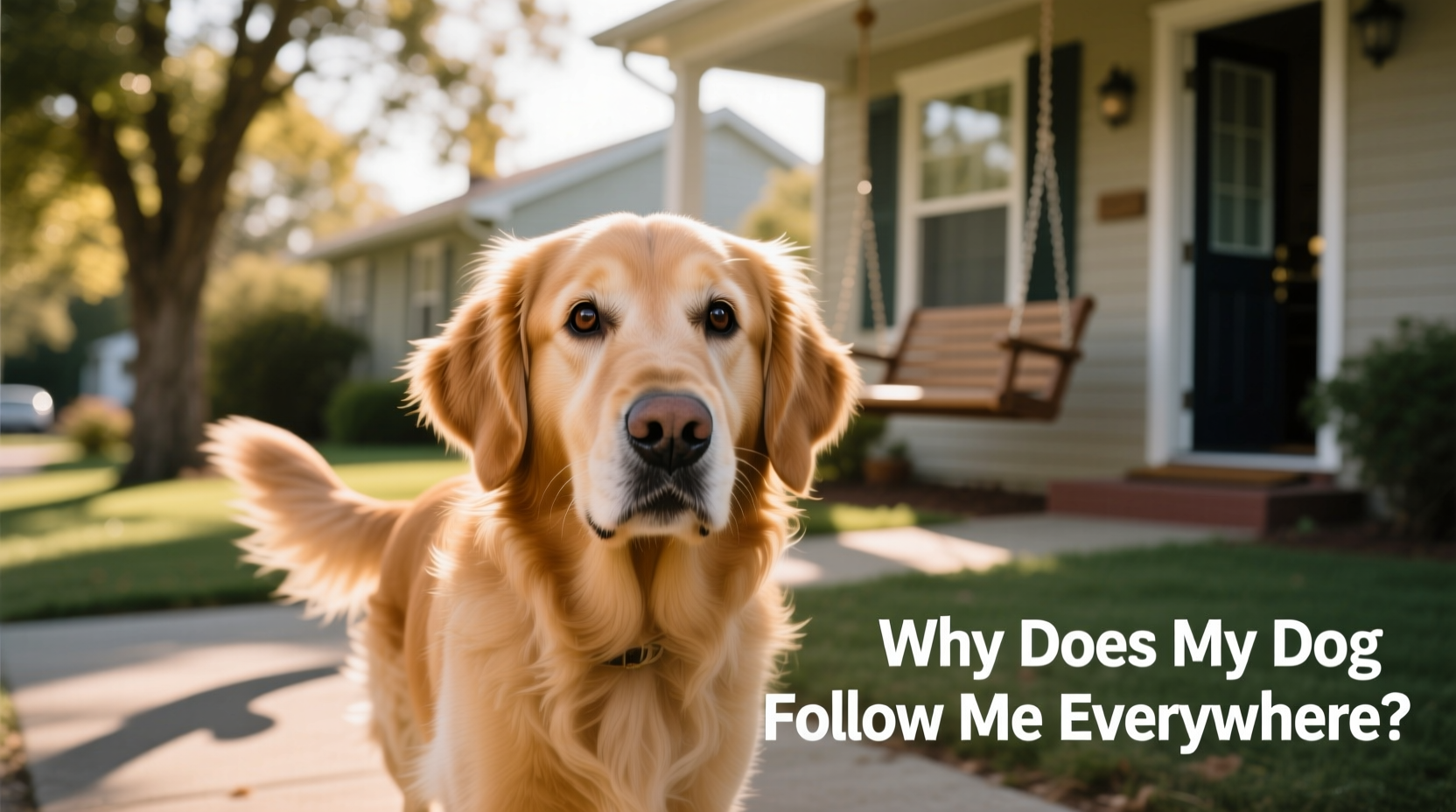
Dogs evolved from wolves, pack animals that rely on group cohesion for survival. In the wild, separation from the pack increases vulnerability to predators and reduces access to food. This instinctual need to stay close to the group has been passed down through generations, even in domesticated dogs.
When your dog follows you, they may be acting on this deep-seated drive to remain part of the “pack.” To them, you are not just a caregiver—you’re a leader and protector. By staying near you, they feel safe, secure, and socially connected.
“Dogs view their human families as their primary social unit. Their tendency to follow us closely reflects an evolutionary adaptation to group living.” — Dr. Karen Becker, Integrative Veterinarian
In multi-dog households, you might notice one dog shadowing you more than others. This doesn’t necessarily mean they’re more attached—it could reflect their role within the household hierarchy or individual personality traits such as higher sociability or lower confidence.
Emotional Attachment and Bonding
One of the most heartwarming reasons dogs follow their owners is love. Dogs form strong emotional bonds with humans, similar to the attachment infants develop with caregivers. Research using oxytocin (the “bonding hormone”) levels shows that when dogs and humans interact positively—like gazing at each other or petting—their oxytocin levels rise simultaneously.
If your dog greets you excitedly after short absences, leans against you, or rests their head on your lap, these are signs of deep affection. Following you becomes a way to maintain physical and emotional closeness. They don’t want to miss a moment with you—not because they’re needy, but because they genuinely enjoy your presence.
Signs Your Dog Is Emotionally Attached (Not Anxious)
- Tail wagging when near you
- Relaxed body posture
- Voluntarily taking breaks to nap or explore independently
- Responds calmly to brief separations
If these signs are present, your dog’s following behavior is likely rooted in healthy attachment rather than distress.
Separation Anxiety vs. Normal Following
While some dogs follow their owners out of love, others do so due to anxiety—particularly separation anxiety. This condition affects approximately 20–40% of dogs seen in veterinary behavioral clinics and manifests through excessive attachment behaviors.
Dogs with separation anxiety may panic when left alone, leading to destructive chewing, howling, house soiling, or attempts to escape. These dogs aren’t choosing to follow you—they feel compelled to do so because being apart causes real psychological stress.
Key Differences Between Healthy Attachment and Anxiety
| Behavior | Healthy Attachment | Separation Anxiety |
|---|---|---|
| Follows owner | Occasionally, calmly | Persistently, obsessively |
| Alone time tolerance | Can relax independently | Pants, paces, whines |
| Reaction to departure | Mild interest or indifference | Extreme distress |
| Sleeping patterns | Rests comfortably nearby | Constantly checks on owner |
| Response to reassurance | Calm after attention | Temporary relief only |
If your dog exhibits multiple anxiety-related signs, especially when you prepare to leave (e.g., picking up keys), professional help may be necessary. A certified animal behaviorist or veterinarian can recommend strategies including behavior modification, environmental enrichment, or, in severe cases, medication.
Environmental and Learned Factors
Not all following behavior comes from emotion or instinct—some is shaped by environment and reinforcement. Dogs are highly observant and quickly learn which actions lead to rewards. If your dog follows you and receives treats, pets, or attention, they’ll repeat the behavior.
For example, if every time your dog sits by you in the kitchen they get a scrap of food, they’ll associate proximity with reward. Similarly, if you call them only to give commands or end fun activities, they may follow just to stay involved in what’s happening.
How to Avoid Unintentional Reinforcement
- Don’t reward attention-seeking behavior with treats or affection unless requested.
- Teach your dog a “stay” or “go to mat” command to encourage independent downtime.
- Use scheduled feeding and playtimes instead of constant interaction.
- Provide mental stimulation (puzzle toys, chews) during quiet periods.
Mini Case Study: Max, the Velcro Beagle
Max, a three-year-old beagle, followed his owner Sarah from room to room, even lying outside the shower door during her morning routine. Initially, she found it endearing. But when Max began whining and scratching at doors when she tried to close them, she became concerned.
After consulting a trainer, Sarah realized Max had never learned to be alone. As a rescue dog, he’d bonded intensely to her after early instability. The trainer recommended a structured plan: teaching Max to settle on a designated bed, using gradual desensitization to departures, and introducing puzzle feeders to occupy him during solo time.
Over six weeks, Sarah practiced leaving the room for increasing intervals while rewarding calm behavior. She also stopped letting Max sleep in the bedroom at night, instead placing his bed just outside the door. Within two months, Max was able to rest independently for up to 30 minutes while Sarah moved around the house.
The result? Less clinginess, reduced anxiety, and a happier, more balanced dog. Sarah still enjoys Max’s company—he just doesn’t need to be glued to her side anymore.
When Following Becomes Problematic: Signs to Watch For
While most dogs follow their owners occasionally, certain patterns indicate the behavior may be crossing into problematic territory:
- Obsessive pacing: The dog moves constantly when you move, unable to pause or self-soothe.
- Physical blocking: They position themselves in doorways or between you and others.
- Stress signals: Lip licking, yawning, panting, or trembling when separated—even briefly.
- No independent activity: Never explores the home alone or engages with toys without you.
If these behaviors persist, consider a veterinary evaluation to rule out medical issues like cognitive dysfunction (especially in older dogs) or sensory decline that increases dependency.
Checklist: Is Your Dog’s Following Behavior Healthy?
- ✅ Can your dog relax in another room while you're present?
- ✅ Does your dog engage with toys or chew bones independently?
- ✅ Do they respond to basic commands like “stay” or “go to your bed”?
- ✅ Are there no signs of distress when briefly separated?
- ✅ Do you set boundaries without causing panic?
If you answered “no” to three or more, your dog may benefit from behavioral training to build confidence and independence.
Building Independence Without Damaging the Bond
You don’t have to stop your dog from following you entirely—nor should you. The goal is balance. A dog that feels secure enough to spend time apart from you will actually have a stronger, healthier bond.
Step-by-Step Guide to Encourage Independent Behavior
- Designate a safe space: Choose a quiet area with a comfortable bed, water, and safe chew toys.
- Introduce the space positively: Feed meals or give high-value treats there to create positive associations.
- Practice short absences: Leave the room for 10 seconds, return, and reward calm behavior. Gradually increase duration.
- Use cue words: Say “settle” or “place” when your dog lies down in their zone. Reward compliance.
- Gradually increase distance: Move from another room to stepping outside, always returning calmly.
- Maintain consistency: Practice daily, avoiding exceptions that confuse learning.
Patience is key. Some dogs adapt in weeks; others take months. Avoid punishment—this increases anxiety and damages trust.
Frequently Asked Questions
Is it normal for my dog to follow me to the bathroom?
Yes, it’s extremely common. Dogs are curious and protective. Many see the bathroom as a place where you disappear behind closed doors, triggering their instinct to stay close. As long as the behavior isn’t accompanied by distress, it’s usually harmless.
Should I ignore my dog when they follow me?
Not entirely. Complete ignoring can make anxious dogs worse. Instead, redirect them gently to their bed or toy, then reward independent behavior. The goal is to teach choice, not rejection.
Can following behavior start suddenly in older dogs?
Yes. Sudden clinginess in senior dogs can signal age-related changes like hearing or vision loss, cognitive decline (similar to dementia), or pain. If accompanied by confusion, pacing at night, or accidents, consult your vet promptly.
Conclusion: Understanding Your Dog’s Silent Language
Your dog’s decision to follow you everywhere is rarely trivial. It’s a form of communication—a blend of instinct, emotion, and learned experience. Whether it’s a sign of love, anxiety, or habit, understanding the root cause allows you to respond with empathy and wisdom.
A dog that feels safe, loved, and mentally stimulated will naturally develop a balanced relationship with their human. You don’t need to eliminate following behavior—just ensure it doesn’t come at the expense of your dog’s confidence or well-being.




 浙公网安备
33010002000092号
浙公网安备
33010002000092号 浙B2-20120091-4
Comments
No comments yet. Why don't you start the discussion?