
Dogs are naturally social animals, and their bond with humans runs deep—so deep that many will stick close to their owners like shadows. It’s endearing when your dog trails you from room to room, waits outside the bathroom door, or curls up at your feet during dinner. But when does this behavior cross the line from affectionate companionship into something more concerning, like separation anxiety? Understanding the difference between healthy attachment and emotional distress is essential for ensuring your dog’s well-being.
This article explores the psychological roots of why dogs follow their owners, identifies key signs of attachment versus anxiety, and provides actionable strategies to support a balanced, confident pet. Whether your dog simply enjoys your company or struggles with being apart, you’ll gain insight into what’s really driving their behavior.
The Evolutionary Roots of Canine Loyalty
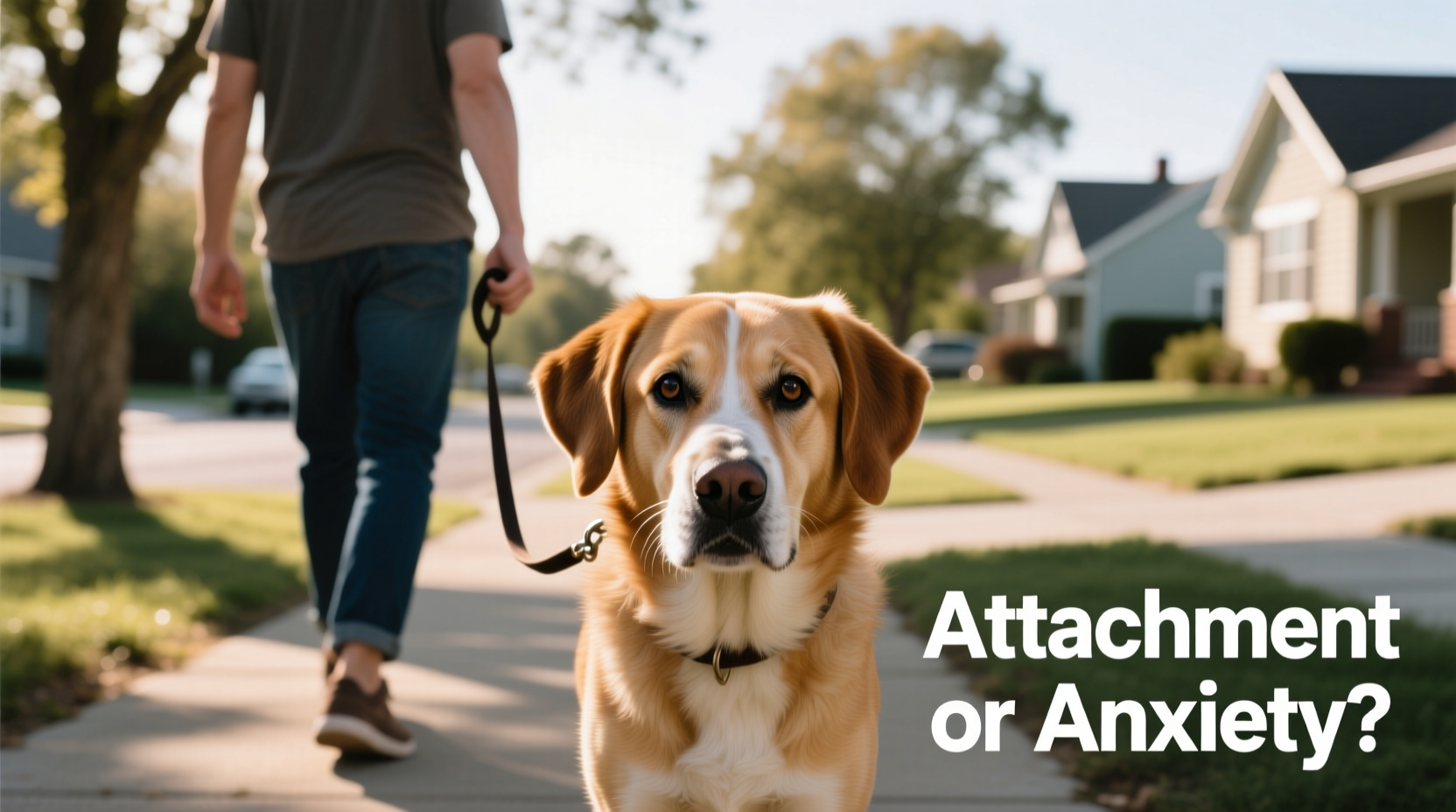
To understand why dogs follow people so closely, it helps to look back at their ancestry. Modern dogs evolved from wolves, which are pack-oriented animals. In the wild, staying close to the group increases survival chances—protection, food sharing, and coordinated hunting all depend on cohesion. When dogs were domesticated over thousands of years, they adapted this pack mentality to include humans as part of their “family.”
Studies in canine cognition show that dogs view their human caregivers similarly to how children view parents. A 2017 study published in *Current Biology* found that dogs exhibit secure base effects: they explore less confidently when their owner is absent and become visibly calmer upon their return. This deep-seated need for proximity isn’t just habit—it’s wired into their biology.
However, while closeness can reflect a strong, healthy bond, it can also signal dependency. The key lies in observing how your dog behaves when separated—even briefly.
Attachment vs. Separation Anxiety: Spotting the Difference
All dogs form attachments to their owners. That’s natural and healthy. But separation anxiety is a clinical condition marked by extreme distress when a dog anticipates or experiences being left alone. The distinction isn’t always obvious, especially since both behaviors involve proximity-seeking.
Here’s how to tell them apart:
| Behavior | Healthy Attachment | Separation Anxiety |
|---|---|---|
| Follower Behavior | Stays nearby but engages independently (e.g., naps, plays with toys) | Cannot relax unless within sight or reach of owner |
| Alone Time Tolerance | Comfortable being alone for short periods | Panics when left—even for minutes |
| Physical Signs | Relaxed posture, soft eyes, wagging tail | Panting, trembling, drooling, dilated pupils |
| Vocalization | Occasional bark or whine if ignored | Persistent barking, howling, or screaming when separated |
| Destructive Behavior | Rare, not focused near exits | Chews doors, windowsills, or personal items—often escape attempts |
| Bathroom Accidents | None when alone | Urination/defecation indoors only when owner is gone |
As the table shows, context matters. A dog who follows you but settles down when you’re in another room is likely expressing loyalty. One who paces, whimpers, or chews the doorframe the moment you pick up your keys is signaling deeper distress.
“Dogs with separation anxiety aren’t being ‘bad’—they’re experiencing genuine fear. Punishment only worsens the condition.” — Dr. Karen Overall, Veterinary Behavioral Medicine Specialist
Common Triggers of Separation Anxiety
Not all dogs develop separation anxiety, but certain factors increase the risk. Awareness of these triggers can help prevent or mitigate issues before they escalate.
- Life changes: Moving homes, new family members, loss of a pet or person, or changes in routine can destabilize a dog’s sense of security.
- Lack of early socialization: Puppies not exposed to short, positive separations may struggle later with independence.
- Rescue history: Dogs from shelters or unstable environments often have heightened attachment due to past abandonment.
- Over-dependence: Constant attention, sleeping in bed every night, or never being left alone can unintentionally foster reliance.
- Breed predisposition: Herding breeds like Border Collies, German Shepherds, and Cavalier King Charles Spaniels are more prone to anxiety-related behaviors.
It’s important to note that separation anxiety isn’t a character flaw or training failure. It’s a legitimate emotional response rooted in fear of isolation—one that requires patience and structured intervention.
A Real-Life Example: Max the Rescue Terrier
Max, a three-year-old Jack Russell Terrier mix, was adopted from a rural shelter where he’d spent months in a kennel with minimal human contact. His new owner, Sarah, doted on him, letting him sleep in her bed and rarely leaving him alone. At first, Max seemed happy—always at her side, eager to please.
But when Sarah returned to work full-time, Max began howling within minutes of her departure. Neighbors reported hearing him scream. She came home one day to find chewed door frames, shredded pillows, and urine on the carpet—all confined to areas near exits. Max wasn’t misbehaving; he was terrified.
With the help of a certified trainer, Sarah implemented a desensitization program: practicing short departures, teaching Max to stay in a safe space with high-value treats, and gradually increasing time away. Within eight weeks, Max could tolerate 45 minutes alone without distress. Today, he rests in his crate with a stuffed Kong when Sarah leaves—a far cry from his earlier panic.
Max’s story illustrates how even loving care can inadvertently contribute to anxiety if balance isn’t maintained.
How to Build Healthy Independence: A Step-by-Step Guide
If your dog follows you constantly but doesn’t show signs of anxiety, fostering mild independence can improve their confidence. If anxiety is present, this process becomes part of treatment. Follow these steps gradually:
- Create a safe zone: Designate a quiet area with a bed, water, and favorite toys. Use baby gates or a crate if needed. Make this space inviting with treats and calming scents like lavender (dog-safe).
- Practice “alone” time daily: Start with 30 seconds. Leave the room calmly, then return. Gradually extend time to 1, 5, then 10 minutes. Always reward calm behavior.
- Desensitize departure cues: Pick up keys, put on shoes, or open the door without leaving. Repeat multiple times per day so these actions no longer predict your absence.
- Use puzzle toys and feeding enrichment: Give your dog a frozen Kong or treat-dispensing toy when you move to another room. This builds positive association with temporary separation.
- Avoid emotional greetings: Greet your dog calmly after reuniting. Wait until they settle before offering attention. This reduces hyperattachment.
- Incorporate solo play: Encourage independent activities like chewing bones or scent games. Reward your dog for choosing to stay in their space.
- Seek professional help if needed: For severe cases, consult a veterinary behaviorist. Medication combined with behavioral therapy may be necessary.
Progress should be slow and consistent. Rushing the process can reinforce fear. Remember, the goal isn’t to make your dog indifferent—but to help them feel secure even when you’re not right beside them.
When Following Becomes Obsessive: Warning Signs
Sometimes, following behavior goes beyond typical attachment. Watch for these red flags:
- Your dog cannot eat, drink, or lie down unless you’re in the same room.
- They shadow you so closely they trip you or refuse to let you close doors.
- They display clinginess even when other people are present.
- They react aggressively if someone tries to stand between you and them.
- They show signs of stress (licking lips, yawning, whale eye) when you move away.
Obsessive following may indicate underlying anxiety, insecurity, or even compulsive disorder. In such cases, working with a certified animal behaviorist is strongly recommended.
Checklist: Is Your Dog’s Following Behavior Healthy?
Use this checklist to evaluate your dog’s behavior:
- ✅ My dog follows me but can rest independently when I’m nearby.
- ✅ They enjoy toys or chews when I’m in another room.
- ✅ They don’t panic when I leave the house briefly.
- ✅ They greet me calmly after short absences.
- ✅ They interact normally with others in my absence.
- ✅ No destructive behavior, excessive vocalization, or indoor accidents occur when alone.
If most of these apply, your dog likely has a secure attachment. If several do not, consider further assessment or professional guidance.
Frequently Asked Questions
Is it bad if my dog follows me everywhere?
Not necessarily. Many dogs follow their owners out of love, curiosity, or habit. As long as they can relax when slightly separated and don’t show signs of distress, it’s a sign of a strong bond—not a problem.
Can separation anxiety be cured?
While it may not disappear entirely, separation anxiety can be significantly reduced or managed with consistent training, environmental adjustments, and sometimes medication. Most dogs improve with time and proper intervention.
Should I ignore my dog when they follow me?
No—ignoring can increase insecurity. Instead, redirect gently. Encourage them to stay in their bed with a treat, then praise calm behavior. The goal is to teach independence, not withdrawal.
Conclusion: Building Trust, One Step at a Time
Your dog’s desire to be near you speaks volumes about the bond you’ve built. That closeness is a gift—one that reflects trust, affection, and loyalty. But like any relationship, balance is key. A dog who feels secure enough to spend quiet moments apart from you is not loving you less; they’re learning resilience.
Whether your dog’s following is rooted in attachment or anxiety, your awareness and response shape their emotional world. With patience, consistency, and compassion, you can nurture a relationship where both of you feel connected—without either of you losing your sense of self.




 浙公网安备
33010002000092号
浙公网安备
33010002000092号 浙B2-20120091-4
Comments
No comments yet. Why don't you start the discussion?