
Dogs are naturally social animals, deeply rooted in pack instincts that shape nearly every aspect of their behavior. One of the most common—and often amusing—habits pet owners report is their dog following them into the bathroom. While it may seem odd or even intrusive, this behavior is rarely about privacy invasion. Instead, it’s a reflection of your dog’s evolutionary heritage, emotional attachment, and desire for connection. Understanding why your dog insists on being by your side—even during private moments—can deepen your bond and help you respond with empathy rather than frustration.
The Evolutionary Roots of Pack Behavior
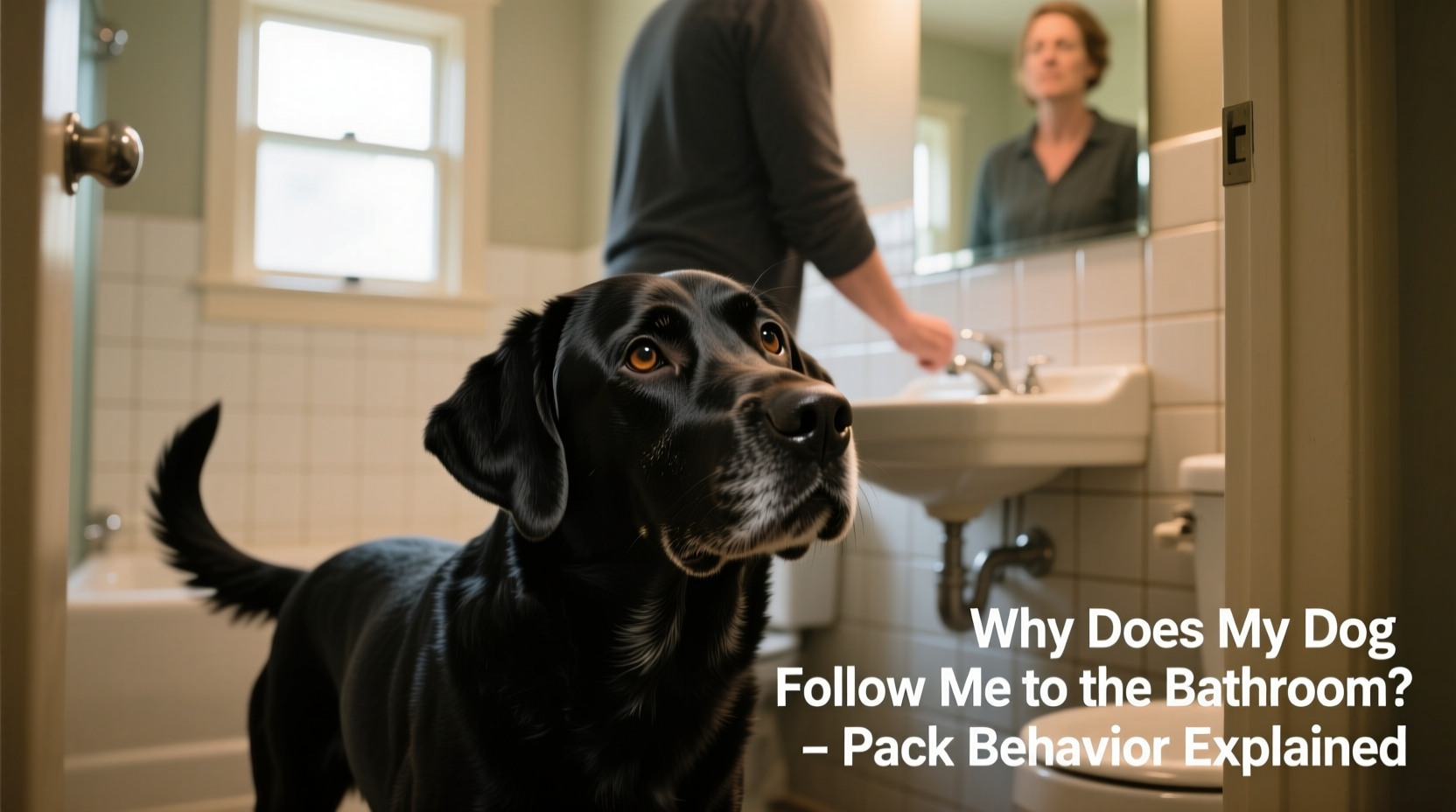
Dogs descended from wolves, which live and operate in tightly knit social groups. In the wild, separation from the pack increases vulnerability to predators and reduces access to food and safety. This ingrained survival mechanism drives dogs to stay close to their human family—their modern-day pack. When you move through the house, especially into enclosed spaces like bathrooms, your dog may perceive your absence as a potential threat to group cohesion.
From a canine perspective, the bathroom represents a place of disappearance. You enter, close the door, and become temporarily inaccessible. For a dog attuned to your presence, this can trigger mild anxiety. Following you becomes a way to maintain visual contact and ensure the pack remains intact. This behavior isn’t unique to bathrooms—it often extends to kitchens, bedrooms, and even home offices—but the bathroom stands out because it’s one of the few places where humans routinely exclude their pets.
“Dogs don’t see themselves as separate from the family unit. They’re wired to monitor and participate in all group activities, no matter how mundane they appear to us.” — Dr. Karen Becker, DVM and Animal Behavior Specialist
Attachment and Emotional Bonding
Beyond instinct, your dog’s bathroom visits are also shaped by emotional attachment. Dogs form deep bonds with their caregivers, often viewing them as both leaders and sources of comfort. Studies in animal behavior have shown that dogs experience separation anxiety in much the same way young children do, particularly when their primary attachment figure disappears from view.
Your scent, voice, and physical presence provide reassurance. When you step away, even briefly, your dog may feel a subtle stress response. The bathroom, with its closed door and limited visibility, amplifies this sensation. By following you, your dog self-soothes and reaffirms the connection. This is especially common in dogs adopted from shelters or those with histories of abandonment, where trust must be continuously reinforced.
Curiosity and Routine Reinforcement
Dogs are highly observant and thrive on routine. Over time, they learn the patterns of your daily life: when you eat, when you walk, when you sleep—and yes, when you use the bathroom. Your consistent schedule turns these actions into predictable events, and your dog may simply be curious about what happens during these rituals.
Additionally, many people unconsciously reinforce the behavior. If your dog follows you and you acknowledge them—even with a simple “Go away, buddy”—you’ve provided attention, which from a dog’s perspective, is rewarding. Over time, this intermittent reinforcement strengthens the habit. The more you react (even negatively), the more likely your dog is to repeat the behavior.
How Reinforcement Works in Practice
| Behavior | Human Response | Dog’s Interpretation |
|---|---|---|
| Dog follows owner into bathroom | \"Not again!\" + eye contact | Attention received → Repeat behavior |
| Dog waits outside bathroom door | Ignores dog | No reward → May decrease over time |
| Dog whines at closed door | Opens door to calm dog | Desired outcome achieved → Increase in whining |
When Following Becomes Problematic
While occasional bathroom companionship is normal, some dogs develop extreme dependency. Signs of problematic attachment include pacing, excessive barking, destructive chewing when left alone, or refusing to eat in your absence. These behaviors suggest separation anxiety, which goes beyond typical pack-following tendencies.
In such cases, the dog isn’t just seeking companionship—they’re experiencing genuine distress. This can stem from early life trauma, lack of socialization, or sudden changes in household dynamics (e.g., moving, new family members, or loss of another pet). Left unaddressed, separation anxiety can erode your dog’s quality of life and strain your relationship.
Mini Case Study: Max, the Shadow Dog
Max, a 3-year-old rescue Border Collie, followed his owner Sarah everywhere—especially into the bathroom. Initially, she found it endearing. But when Max began scratching at the door if locked out, panting heavily, and refusing to lie down unless she was in sight, Sarah realized it was more than loyalty. A veterinary behaviorist diagnosed mild separation anxiety. Through a structured plan involving gradual desensitization, environmental enrichment, and scheduled independence exercises, Max learned to tolerate short separations. Within eight weeks, he could stay calmly in the living room while Sarah used the bathroom—without panic.
Practical Tips to Manage Bathroom Following
You don’t need to stop your dog from loving your company. However, encouraging a bit of independence benefits both of you. Here are actionable strategies to balance closeness with confidence:
Step-by-Step Guide: Building Independence
- Start with open-door practice: Leave the bathroom door wide open and allow your dog inside. Let them sniff around and settle. No shooing or scolding.
- Introduce brief closures: After a few days, gently close the door for 10 seconds. Reward calm behavior with praise when you exit.
- Gradually increase duration: Extend the time behind the door in 5-second increments, up to 2 minutes.
- Add distraction: Place a stuffed Kong or treat-dispensing toy nearby to keep your dog occupied.
- Practice in other rooms: Apply the same method when entering closets, laundry rooms, or garages to generalize the skill.
Checklist: Promoting Healthy Separation
- ✅ Provide daily mental stimulation (puzzle toys, training games)
- ✅ Establish a safe space (crate or bed) with familiar scents
- ✅ Avoid punishing your dog for following you—it increases anxiety
- ✅ Practice short departures (walk to another room, return immediately)
- ✅ Reward independent behavior with treats and praise
- ✅ Maintain a consistent daily routine
- ✅ Consider pheromone diffusers (Adaptil) for anxious dogs
Do All Dogs Exhibit This Behavior?
No—while pack-following is common, not all dogs follow their owners into the bathroom. Breed, temperament, upbringing, and individual personality play significant roles. Herding breeds like Australian Shepherds or Shetland Sheepdogs are more prone to shadowing due to their genetic predisposition to monitor movement. Conversely, independent breeds like Shiba Inus or Basenjis may show little interest in your whereabouts.
Lifestyle factors also influence behavior. Dogs raised in homes where they’re frequently left alone may not develop strong attachment habits. Similarly, dogs with confident temperaments often feel secure without constant proximity. However, if a previously independent dog suddenly becomes clingy, it may signal an underlying issue—such as pain, cognitive decline, or hearing loss—and warrant a vet visit.
FAQ: Common Questions About Bathroom-Following Dogs
Is it bad to let my dog follow me into the bathroom?
Not inherently. If both you and your dog are comfortable, it’s a harmless expression of bonding. However, if your dog becomes distressed when excluded or shows signs of anxiety, it’s wise to encourage some independence for their emotional well-being.
Why does my dog only follow me and not other family members?
Dogs often form a primary attachment to one person—usually the one who feeds, walks, or spends the most time with them. This doesn’t mean they love others less, but they may view that individual as their “pack leader” and feel more compelled to stay close.
Can I train my dog to stop following me into the bathroom?
Yes, but not through punishment. Use positive reinforcement to teach alternative behaviors, like staying on a mat or engaging with a toy. Consistency and patience are key. Sudden changes in behavior take time to reshape.
Understanding the Deeper Meaning
At its core, your dog’s bathroom visits aren’t about the bathroom at all. They’re about connection, security, and belonging. When your dog trails behind you, they’re saying, “I want to be where you are.” That level of devotion is rare and meaningful. While it’s practical to set boundaries, it’s equally important to honor the emotional depth behind the behavior.
Instead of viewing it as an annoyance, consider it a compliment—a testament to the trust and love you’ve cultivated. With gentle guidance, you can preserve that bond while helping your dog feel confident even when apart.
“The best relationships with dogs aren’t built on control, but on mutual understanding. When we interpret their actions through the lens of instinct and emotion, we respond with compassion—not correction.” — Dr. Ian Dunbar, Veterinarian and Dog Behavior Pioneer
Conclusion
Your dog follows you to the bathroom not out of mischief, but out of loyalty, instinct, and love. This behavior is a window into the pack-driven mind of your pet—one that sees your family as its world. While it’s natural to seek privacy, recognizing the emotional significance behind the action allows for more thoughtful responses. With patience, consistency, and a few smart strategies, you can support your dog’s confidence while maintaining your personal space.




 浙公网安备
33010002000092号
浙公网安备
33010002000092号 浙B2-20120091-4
Comments
No comments yet. Why don't you start the discussion?