
Dog owners often dread nail trimming time. The whimpers, the squirming, the sudden bolt from the room — it’s a familiar scene in many households. Yet, neglecting your dog’s nails can lead to discomfort, posture issues, and even long-term joint problems. Understanding why your dog resists nail trims is the first step toward transforming this dreaded chore into a peaceful routine. Dogs don’t inherently “misbehave” during grooming; they react based on instinct, past experiences, and physical sensitivity. With patience, proper technique, and behavioral conditioning, you can turn nail trims into a low-stress, even bonding, experience.
Why Dogs Fear Nail Trimming: The Root Causes
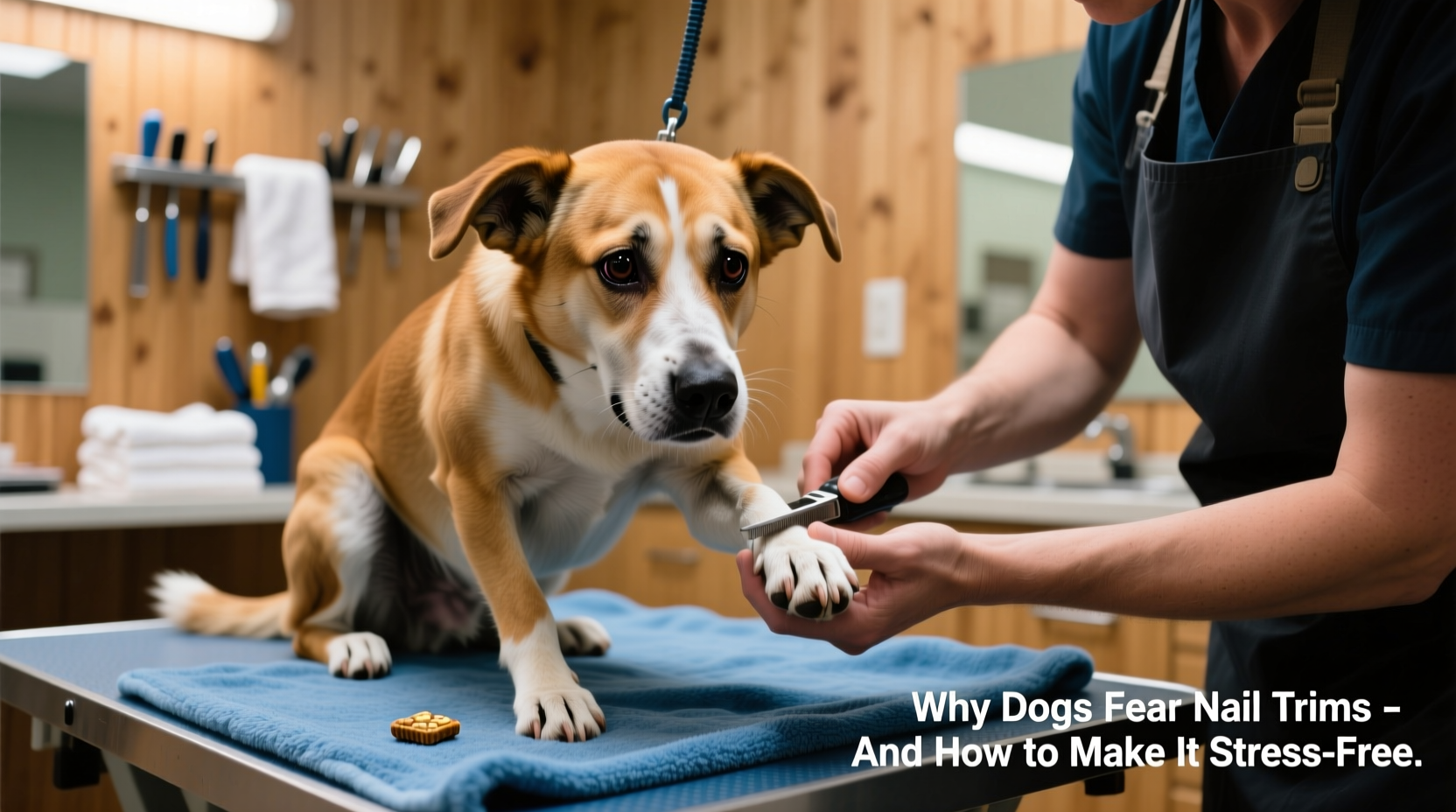
The aversion most dogs show toward nail clipping isn’t defiance—it’s fear rooted in biology and experience. Unlike humans, dogs’ nails contain a sensitive nerve and blood vessel bundle called the \"quick.\" Cutting into the quick causes sharp pain and bleeding, which dogs remember vividly. Even one painful trim can create lasting anxiety around nail care.
Additionally, dogs are not naturally accustomed to having their paws handled. In the wild, exposing the underside of the paw is a vulnerable position. When an owner grabs a paw suddenly or holds it too tightly, the dog may perceive it as a threat. This instinctual discomfort is amplified if the dog has had previous negative experiences—such as being restrained during vet visits or clipped by someone rushed or inexperienced.
Sensory overload also plays a role. The sound of clippers, the sensation of pressure, and the unfamiliar restraint can overwhelm a dog’s nervous system, especially in anxious or reactive individuals. Small breeds and rescue dogs are particularly prone to fear-based reactions due to heightened sensitivity or lack of early socialization.
“Many dogs develop nail-trimming phobias after just one bad experience. The key is rebuilding trust through gradual exposure.” — Dr. Sarah Thompson, DVM, Certified Veterinary Behaviorist
Step-by-Step Guide to Stress-Free Nail Trimming
Transforming nail trims from traumatic to tranquil requires a structured, patient approach. The goal isn’t speed—it’s comfort. Follow this timeline over days or weeks, depending on your dog’s progress.
- Start with Paw Handling (Days 1–3): Sit with your dog daily and gently touch each paw. Offer treats immediately after. Don’t attempt clipping—just build positive associations.
- Introduce Tools (Days 4–7): Hold clippers or a grinder near your dog while giving treats. Let them sniff the tool. Click the clippers nearby without touching the nails to desensitize them to the sound.
- Simulate the Trim (Days 8–10): Gently press each toe as if preparing to clip, then reward. Gradually increase duration and pressure.
- First Nail Clip (Day 11+): Choose one calm, visible nail. Clip just the very tip. Reward heavily. Stop after one nail if your dog shows tension.
- Build Duration Gradually: Over subsequent sessions, increase the number of nails trimmed. Aim for two to three nails per session, spread across multiple days.
- Integrate Into Routine: Once comfortable, perform full trims every 3–4 weeks during a consistent time of day when your dog is relaxed.
This phased method allows your dog’s brain to rewire its association: paw handling = treats and calmness, not pain or restraint.
Choosing the Right Tools and Environment
The tools and setting you use significantly impact your dog’s stress level. A noisy grinder in a busy kitchen may trigger anxiety, whereas quiet clippers in a serene bedroom promote relaxation.
Two primary tools dominate home grooming: guillotine-style clippers and rotary grinders. Clippers are faster but risk splitting nails or cutting the quick if misaligned. Grinders file nails down gradually, reducing the chance of hitting the quick, but the vibration and noise can scare noise-sensitive dogs.
| Tool Type | Best For | Drawbacks |
|---|---|---|
| Guillotine Clippers | Small to medium dogs with light-colored nails | Precise cuts needed; higher risk of cutting the quick |
| Scissor-Style Clippers | Dogs with thick or curved nails | Requires strength; harder to control angle |
| Rotary Grinder (Dremel-type) | Nervous dogs, dark nails, seniors | Noisy; takes longer; heat buildup if used continuously |
Always ensure your tools are sharp and clean. Dull clippers crush rather than cut, increasing discomfort. Choose a quiet, well-lit area with minimal distractions. Have high-value treats ready—small pieces of chicken, cheese, or commercial training treats work best.
Real-Life Example: Transforming Bella’s Grooming Experience
Bella, a 3-year-old Shih Tzu rescued from a breeder environment, would tremble and hide whenever her owner reached for the nail clippers. Past handling had been rough, and she’d once been accidentally cut during a trim, leading to a severe aversion.
Her owner began a six-week desensitization plan. For the first week, she spent five minutes daily massaging Bella’s paws while offering boiled chicken. By week two, she introduced the clippers, clicking them near Bella while feeding treats. Week three involved touching the clippers to Bella’s nails without cutting. By week four, Bella allowed a single nail to be trimmed—followed by a treat and playtime with her favorite toy.
After six weeks, Bella would sit calmly beside her owner during full trims, tail wagging as she received rewards. The transformation wasn’t overnight, but consistency and empathy made all the difference.
Common Mistakes That Increase Stress
Even well-meaning owners can unintentionally worsen their dog’s fear. Recognizing these pitfalls helps avoid setbacks:
- Rushing the process: Trying to trim all nails in one go overwhelms anxious dogs.
- Ignoring body language: Lip licking, whale eye (showing whites), trembling, or turning away are clear signs of distress.
- Punishing resistance: Scolding or forcing a dog increases fear and damages trust.
- Cutting too close: Hitting the quick causes pain and bleeds, reinforcing negative associations.
- Inconsistent scheduling: Long gaps between trims lead to overgrown nails, making the task more difficult and uncomfortable.
Instead of viewing resistance as disobedience, interpret it as communication. Your dog is telling you they’re not ready. Respect that signal and adjust your pace accordingly.
Checklist: Preparing for a Calm Nail Trim Session
Use this checklist before every nail trim to set the stage for success:
- ✅ Pick a quiet time when your dog is naturally calm (e.g., after a walk or nap).
- ✅ Gather supplies: sharp clippers or grinder, styptic powder (for accidents), treats, towel (if needed for gentle restraint).
- ✅ Test the tool: Ensure clippers work smoothly or the grinder is charged and quiet.
- ✅ Warm up with 2–3 minutes of gentle paw handling and treats.
- ✅ Plan for short sessions—start with one nail, then build up.
- ✅ Reward generously throughout, not just at the end.
- ✅ End on a positive note, even if only one nail was trimmed.
Consistency with this routine conditions your dog to expect safety and rewards, not stress.
Frequently Asked Questions
How often should I trim my dog’s nails?
Most dogs need nail trims every 3 to 4 weeks. If you hear clicking on hard floors, it’s time. Outdoor dogs may wear nails down naturally, but indoor dogs typically require regular maintenance.
What should I do if I cut the quick?
Stay calm. Apply styptic powder or cornstarch to stop bleeding. Comfort your dog without over-coddling. The incident doesn’t have to ruin future trims—just proceed more cautiously next time, cutting smaller amounts.
Can I sedate my dog for nail trims?
Never use human sedatives. If your dog is extremely fearful, consult your veterinarian. They may recommend a mild, vet-approved calming supplement or prescribe a short-term anti-anxiety medication for grooming appointments.
Alternative Approaches for High-Anxiety Dogs
For dogs with deep-seated fear, traditional trimming may not be feasible initially. Consider alternatives that still maintain nail health:
- Positive-reinforcement professional groomers: Seek groomers experienced in fear-free techniques. They often use clicker training and gradual acclimation.
- Vet-assisted trims: Some clinics offer nail trims during low-stress hours with treats and gentle handling.
- Nail caps (e.g., Soft Paws): These vinyl caps glue over nails and last 4–6 weeks. They prevent scratching and reduce wear, though application requires some handling.
- Increased walking on abrasive surfaces: Pavement, concrete, or gravel paths can naturally wear down nails, especially for dogs who walk regularly.
These options aren’t replacements for learning proper nail care, but they provide relief while you work on long-term behavior modification.
Conclusion: Building Trust One Paw at a Time
Nail trims don’t have to be a battle. Behind your dog’s resistance lies a simple truth: they want to feel safe. By approaching nail care with empathy, consistency, and positive reinforcement, you’re not just maintaining their physical health—you’re strengthening your bond. Every gentle touch, every treat, every calm session rebuilds trust. Progress may be slow, but each small victory counts.




 浙公网安备
33010002000092号
浙公网安备
33010002000092号 浙B2-20120091-4
Comments
No comments yet. Why don't you start the discussion?