
For many families, putting up the Christmas tree marks the official start of the holiday season. The scent of pine, the sparkle of lights, and the excitement of decorations bring joy—but not always for every member of the household. If your dog suddenly vanishes under the bed or retreats to a quiet corner when the tree appears, you're not alone. Dogs are highly sensitive to environmental changes, and the arrival of a large, brightly lit evergreen in the living room can trigger confusion, fear, or anxiety. Understanding the root causes and knowing how to respond with empathy and strategy can make all the difference in helping your dog feel secure.
Understanding Canine Sensory Perception During the Holidays
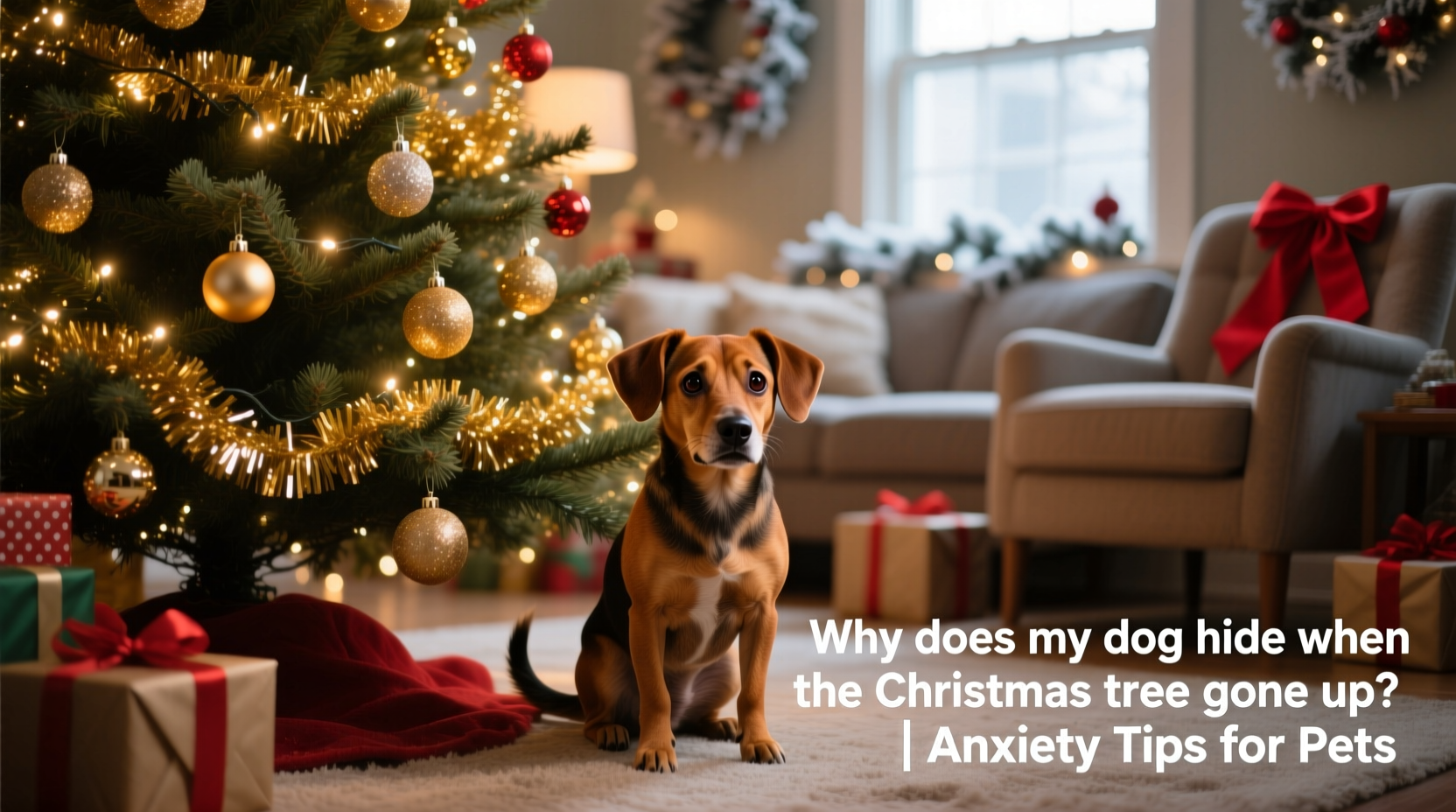
Dogs experience the world primarily through their senses—especially smell, hearing, and sight. What might seem festive and cozy to us can be overwhelming or even threatening to a dog. A freshly cut tree introduces new scents: sap, soil, and sometimes chemical preservatives. These unfamiliar odors can unsettle dogs, particularly those already prone to nervousness. Additionally, the visual stimulation from blinking lights, reflective ornaments, and moving tinsel mimics unpredictable motion, which some dogs interpret as potential danger.
Hearing plays a critical role too. Many households play seasonal music, host gatherings, or use sound-emitting decorations like light-up snowmen or singing Santas. These auditory inputs, especially if sudden or loud, can heighten stress levels in dogs with noise sensitivity. Even the act of assembling the tree—dropping ornaments, dragging stands, unwrapping packaging—can create a chaotic soundscape that feels unsafe.
“Dogs don’t generalize well. A change in home layout—even something as seemingly minor as a new piece of furniture—can be perceived as a disruption to their sense of security.” — Dr. Karen Overall, Veterinary Behaviorist
The introduction of a Christmas tree alters the spatial dynamics of the home. Dogs rely on routine and predictability; when familiar spaces shift, it can lead to disorientation. For a dog, hiding is often a self-preserving behavior—an instinctive way to remove themselves from what they perceive as a threatening environment.
Common Triggers Behind Your Dog’s Hiding Behavior
It’s important to recognize that hiding isn’t defiance or “being dramatic.” It’s communication. When your dog hides after the tree goes up, they’re signaling discomfort. Below are the most common triggers:
- New smells: Pine resin, storage dust from decorations, or scented candles used during the season can overwhelm a dog’s acute sense of smell.
- Blinking or flashing lights: Rapidly changing lights may appear erratic or predatory to some dogs, especially those with lower confidence.
- Unfamiliar objects: Ornaments dangling at nose level, shiny balls, or tinsel resemble strange, moving items that could pose a threat.
- Increased activity: Holiday preparations often mean more foot traffic, louder voices, and disrupted routines—all contributing to stress.
- Past negative experiences: If a dog was startled by a falling ornament or punished near a previous tree, they may associate trees with fear.
Step-by-Step Guide to Helping Your Dog Adjust to the Christmas Tree
Helping your dog feel safe around the Christmas tree isn’t about eliminating the holiday spirit—it’s about managing the transition thoughtfully. Follow this timeline to reduce anxiety and build positive associations.
- Prepare in advance (1–2 weeks before setup): Begin acclimating your dog to holiday sounds by playing soft Christmas music at low volume during calm times of day. Pair it with treats or playtime to create positive reinforcement.
- Introduce the tree structure first: Assemble the tree without lights or decorations. Let your dog investigate it on their own terms. Reward calm behavior with praise or treats.
- Add lighting gradually: Turn on the lights only when you’re present and relaxed. Sit nearby and engage in a soothing activity like reading or gentle petting. Avoid turning lights on abruptly or using strobe effects.
- Decorate mindfully: Hang breakable or noisy ornaments high out of reach. Avoid tinsel entirely—it’s a choking hazard and its movement can be distressing.
- Maintain a safe zone: Ensure your dog still has access to their bed, crate, or favorite quiet space away from the tree area. Never block escape routes.
- Monitor body language: Look for signs of stress such as yawning, lip licking, lowered tail, or avoidance. If these appear, scale back and proceed more slowly.
- Use positive reinforcement: Whenever your dog approaches the tree calmly—or ignores it altogether—offer a treat or verbal praise.
Do’s and Don’ts of Holiday Pet Safety and Comfort
| Do’s | Don’ts |
|---|---|
| Use shatterproof ornaments placed above dog-eye level | Hang fragile glass balls within reach |
| Secure the tree to the wall or ceiling to prevent tipping | Leave the tree unsecured where a curious nudge could knock it over |
| Keep electrical cords hidden or covered with cord protectors | Allow loose wires across the floor—dogs may chew them |
| Provide an alternative relaxation space with white noise or calming music | Force your dog to interact with the tree or scold them for hiding |
| Use pet-safe plants like rosemary or eucalyptus instead of toxic poinsettias | Place lilies, holly, mistletoe, or pine needles within reach—these are toxic if ingested |
Real Example: How Max Learned to Tolerate the Tree
Max, a 3-year-old rescue terrier mix, had always been skittish around new objects. When his family put up their Christmas tree one December, he refused to enter the living room. His owners noticed he would pace outside the doorway, ears pinned back, before retreating to the basement.
Instead of forcing him into the room, they took a gradual approach. They set up the bare tree and left it unlit for three days, feeding Max his meals nearby to build positive associations. On day four, they turned on warm-white LED lights for just 30 minutes while sitting quietly with him at a distance. Over the next week, they increased exposure slowly, always pairing the tree area with treats, toys, and calm interaction.
By the second week, Max began lying on his bed five feet from the tree. By Christmas Eve, he was able to nap in the same room with the lights on—still cautious, but no longer hiding. His progress wasn’t overnight, but patience and consistency made all the difference.
Checklist: Preparing Your Home and Dog for the Holiday Tree
Use this checklist to ensure a smooth, low-stress introduction of the Christmas tree:
- ✅ Choose a stable location for the tree—away from high-traffic zones and your dog’s primary resting areas
- ✅ Secure the tree to a wall or ceiling bracket
- ✅ Cover or conceal electrical cords with cord covers or fabric sleeves
- ✅ Select pet-friendly decorations: avoid tinsel, small ornaments, and toxic materials
- ✅ Set up a quiet retreat space with bedding, water, and familiar toys
- ✅ Begin desensitization early: expose your dog to holiday sights and sounds before the tree arrives
- ✅ Monitor stress signals and adjust your plan accordingly
- ✅ Consult your vet if your dog shows severe anxiety—they may recommend supplements or anti-anxiety aids
Frequently Asked Questions
Is it normal for my dog to hide when we put up the Christmas tree?
Yes, it’s quite common. Changes in the home environment, especially ones involving strong sensory input like lights, smells, and noise, can unsettle dogs. Hiding is a natural coping mechanism. With time and positive conditioning, most dogs adjust.
Can I train my dog not to be afraid of the Christmas tree?
You can’t force a dog to “get over” fear, but you can help them build confidence through gradual exposure and positive reinforcement. Training should focus on creating safety, not confrontation. Never punish or drag a fearful dog toward the tree.
Are real trees worse for dogs than artificial ones?
Both have pros and cons. Real trees offer natural scent and texture but may shed needles (toxic if ingested in quantity) and leak sap. Artificial trees eliminate biological risks but may carry stored dust or chemical residues. Whichever you choose, introduce it slowly and monitor your dog’s reaction.
When to Seek Professional Help
While mild anxiety around the Christmas tree is normal, some dogs exhibit extreme reactions—trembling, excessive panting, refusal to eat, or aggressive behavior when approached near the tree. These signs may indicate deeper anxiety issues that require professional intervention.
A certified veterinary behaviorist or a force-free dog trainer can help develop a tailored desensitization plan. In severe cases, your veterinarian may recommend short-term use of anti-anxiety medication during high-stress periods. Never resort to punishment or aversive tools like shock collars—these worsen fear and damage trust.
“Fear-based behaviors need compassion, not correction. The goal isn’t to stop the hiding—it’s to address the reason behind it.” — Sophia Yin, DVM, Applied Animal Behaviorist
Conclusion: Creating a Calmer, Kinder Holiday Season for Your Dog
The holiday season should be joyful for everyone—including your four-legged family members. When your dog hides at the sight of the Christmas tree, it’s not a behavioral flaw—it’s a signal that they need support. By understanding their sensory world, adjusting your traditions with empathy, and taking proactive steps to reduce stress, you can help your dog feel safe without sacrificing the spirit of the season.
Start early, go slow, and prioritize your dog’s emotional well-being. Small changes—like securing the tree, choosing safer decorations, and maintaining a quiet retreat—can have a profound impact. Remember, a calm dog isn’t just happier—they’re healthier, more bonded, and better equipped to enjoy life’s moments, festive or otherwise.




 浙公网安备
33010002000092号
浙公网安备
33010002000092号 浙B2-20120091-4
Comments
No comments yet. Why don't you start the discussion?