
Dogs communicate discomfort, anxiety, or irritation in subtle ways—often through behaviors that seem harmless at first. One of the most common yet concerning habits is excessive paw licking, especially when it occurs repeatedly at night. While occasional grooming is normal, constant or obsessive licking can signal underlying health issues, environmental stressors, or behavioral problems. Understanding why your dog engages in this nighttime ritual is essential to addressing the root cause and restoring both their comfort and your peace of mind.
Common Causes of Nighttime Paw Licking
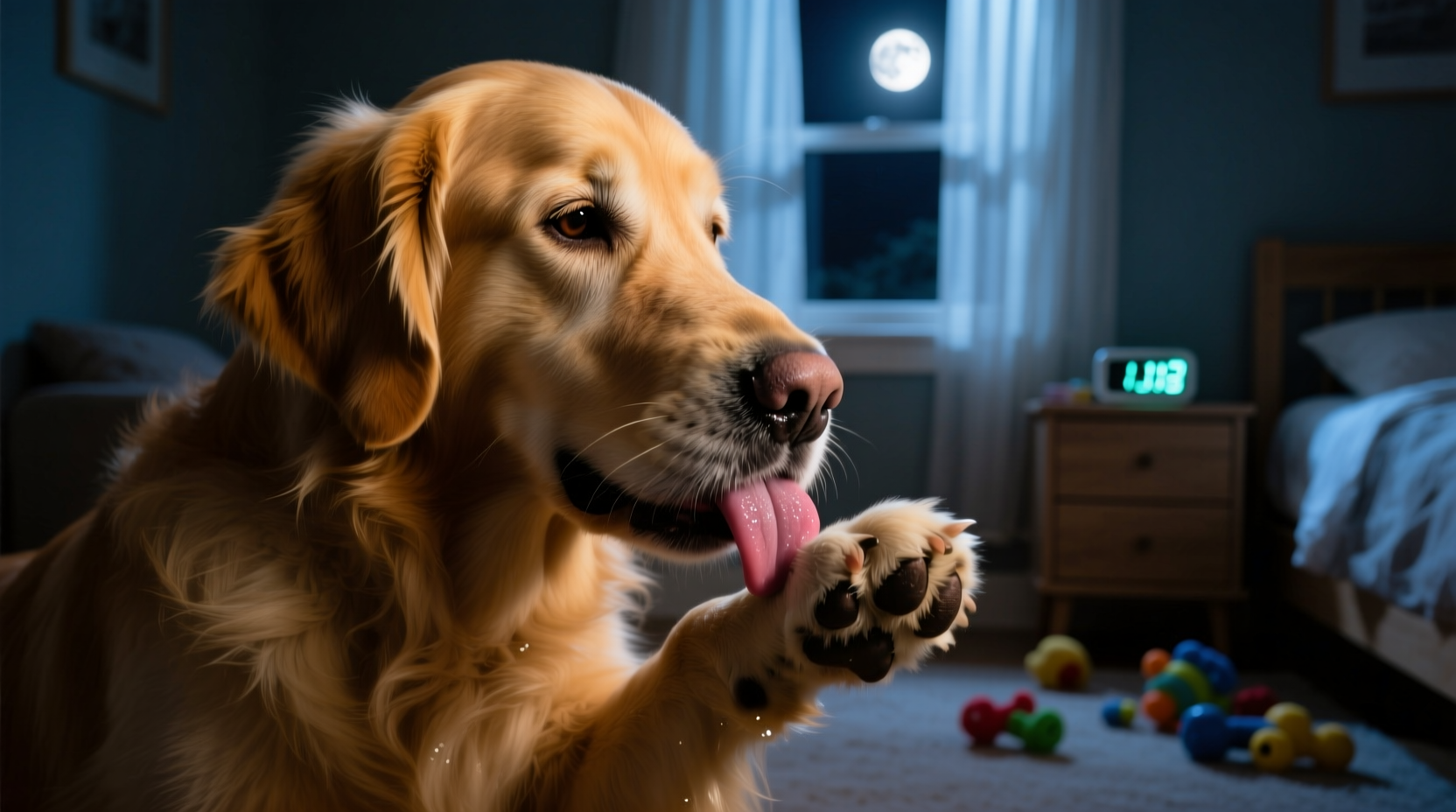
Dogs often lick their paws more at night because distractions are minimal, pain or itchiness becomes more noticeable, and they’re left alone with their thoughts. The behavior may begin as a response to physical discomfort but can evolve into a compulsive habit over time. Below are the primary reasons dogs lick their paws excessively during the evening hours:
- Allergies: Environmental allergens like pollen, dust mites, or mold can accumulate on paws during the day. At night, when the dog relaxes, the itching intensifies, prompting licking.
- Yeast or bacterial infections: Moisture trapped between toes creates an ideal environment for yeast (like Malassezia) or bacteria to grow, leading to redness, odor, and irritation.
- Dry skin or cracked pads: Cold weather, indoor heating, or walking on rough surfaces can dry out paw pads, causing discomfort that worsens at rest.
- Anxiety or boredom: Dogs left alone at night may develop compulsive behaviors such as licking as a self-soothing mechanism.
- Pain from injury or arthritis: Subtle joint pain or old injuries can flare up when the body is still, making the dog focus attention on affected limbs.
- Foreign objects: Splinters, burrs, or small stones lodged between toes can cause persistent irritation.
Identifying which factor applies to your dog requires careful observation and, in many cases, veterinary insight.
Behavioral vs. Medical Triggers: How to Tell the Difference
One of the biggest challenges pet owners face is distinguishing between medical conditions and psychological causes. Misdiagnosing anxiety as an allergy—or vice versa—can delay proper treatment and allow the issue to escalate.
Medical causes typically present with visible symptoms:
- Red, inflamed skin between toes
- Foul odor emanating from the paws
- Bleeding, scabbing, or hair loss around the licked area
- Limping or favoring one paw
- Discoloration of fur (brownish staining from saliva)
In contrast, behavioral licking tends to be:
- Rhythmic and repetitive without signs of physical damage
- More frequent when the dog is alone or settling down for sleep
- Interrupted by distractions (e.g., toys, treats, interaction)
- Absent during the day despite similar activity levels
A key indicator is whether the licking stops when the dog is engaged. If offering a chew toy or brief play session halts the behavior, it may be rooted in boredom or mild anxiety. However, if the dog returns to licking immediately after lying down—even with no visible irritation—it could point to deeper emotional distress.
“Chronic paw licking is rarely just a grooming quirk. It’s usually the body or mind signaling distress.” — Dr. Lena Torres, Veterinary Behaviorist
Step-by-Step Guide to Assess and Address the Behavior
Resolving nighttime paw licking involves a systematic approach. Follow these steps to identify and treat the cause effectively:
- Inspect the paws thoroughly: Use a flashlight to check between the toes, under the pads, and along the top of the foot. Look for cuts, swelling, ticks, or plant material.
- Clean the paws gently: Wash with a mild antiseptic solution (such as diluted chlorhexidine) to remove allergens and reduce microbial load. Dry completely.
- Eliminate immediate irritants: Wipe paws with a damp cloth after walks, especially in high-pollen seasons. Consider booties for sensitive dogs.
- Monitor for patterns: Keep a log for five nights noting when licking starts, duration, and any triggers (e.g., bedtime routine, storms, separation).
- Try distraction techniques: Offer a long-lasting chew or puzzle toy at bedtime to redirect focus.
- Consult your veterinarian: If no improvement within a week, schedule an exam. Blood tests, skin scrapings, or allergy panels may be needed.
- Implement treatment plan: Whether it's antibiotics, antifungals, antihistamines, or behavioral therapy, consistency is critical.
This timeline helps differentiate temporary irritation from chronic issues and ensures you don’t overlook serious conditions like autoimmune disorders or food sensitivities.
Prevention Checklist: Reduce Nighttime Licking Long-Term
Once the immediate cause is addressed, prevention becomes key. Use this checklist to minimize recurrence:
- ✅ Wipe paws daily with hypoallergenic wipes after outdoor time
- ✅ Bathe with oatmeal-based or medicated shampoo weekly if prone to allergies
- ✅ Maintain consistent flea and tick prevention year-round
- ✅ Rotate bedding frequently and wash in hot water to reduce dust mites
- ✅ Provide mental stimulation during the day (walks, training, games)
- ✅ Introduce calming aids (Adaptil diffusers, thundershirts) if anxiety-related
- ✅ Feed a balanced diet; consider limited-ingredient food if food allergies are suspected
Real Example: Bella the Border Collie
Bella, a 4-year-old Border Collie, began obsessively licking her front paws every night after moving to a new home. Her owner initially assumed it was due to grass exposure, but antihistamines provided no relief. A vet visit revealed no infection or injury. Upon closer observation, the licking only occurred when the household quieted down and Bella was left in her crate.
A behavioral assessment uncovered separation-related anxiety triggered by the change in environment. Bella’s daytime activity had also decreased significantly since the move. With a plan that included increased morning exercise, cognitive games, and gradual desensitization to crate time, her nighttime licking reduced within three weeks. A pheromone diffuser installed near her sleeping area further supported progress.
This case highlights how environmental changes and insufficient mental engagement can manifest as physical behaviors—even in otherwise healthy dogs.
Do’s and Don’ts: Managing Paw Licking Effectively
| Do’s | Don’ts |
|---|---|
| Do inspect paws nightly for foreign objects or inflammation | Don’t ignore persistent licking even if the skin looks normal |
| Do use an Elizabethan collar temporarily to prevent skin damage | Don’t punish or yell at your dog for licking—it increases stress |
| Do consult a vet before starting supplements or medications | Don’t apply human creams or ointments without veterinary approval |
| Do maintain a consistent routine to reduce anxiety | Don’t over-bathe, as this can strip natural oils and worsen dryness |
Frequently Asked Questions
Is it normal for dogs to lick their paws at night?
Occasional licking as part of grooming is normal. However, constant, focused, or prolonged licking—especially if it disrupts sleep or leads to raw skin—is not typical and should be evaluated.
Can diet affect paw licking?
Yes. Food allergies, particularly to proteins like beef, chicken, or dairy, often manifest as skin irritation and paw chewing. An elimination diet under veterinary supervision can help identify triggers.
When should I take my dog to the vet for paw licking?
Seek veterinary care if the behavior lasts more than a few days, causes hair loss or sores, has a foul smell, or seems linked to limping or vocalization. Early intervention prevents secondary infections and chronic habits.
Conclusion: Take Action for Your Dog’s Comfort and Health
Constant paw licking at night is more than a nuisance—it’s a signal. Whether stemming from allergies, infection, pain, or emotional needs, this behavior demands attention. By combining vigilant observation, preventive care, and professional guidance, you can uncover the cause and provide meaningful relief. Left unaddressed, the cycle of licking can lead to painful sores, deep infections, or entrenched compulsions that are harder to reverse. But with patience and proactive steps, most dogs respond well to targeted interventions.




 浙公网安备
33010002000092号
浙公网安备
33010002000092号 浙B2-20120091-4
Comments
No comments yet. Why don't you start the discussion?