
It’s a familiar scene: you step out of the shower, towel wrapped around you, only to be greeted by your dog eagerly licking your arms, legs, or face. While it might seem odd—or even slightly inconvenient—this behavior is deeply rooted in canine instincts, sensory perception, and emotional connection. Dogs don’t just lick randomly; each action carries meaning. Understanding why your dog targets you post-shower can deepen your bond and reveal insights into their world of smell, taste, and affection.
Dogs experience the world primarily through their sense of smell and taste, far surpassing human capabilities. After a shower, your body presents a new olfactory landscape—one that’s both intriguing and informative to your pet. This article decodes the most likely reasons behind post-shower licking, from chemical cues to emotional signaling, and offers practical advice for managing the behavior when needed.
The Science Behind Canine Licking Behavior
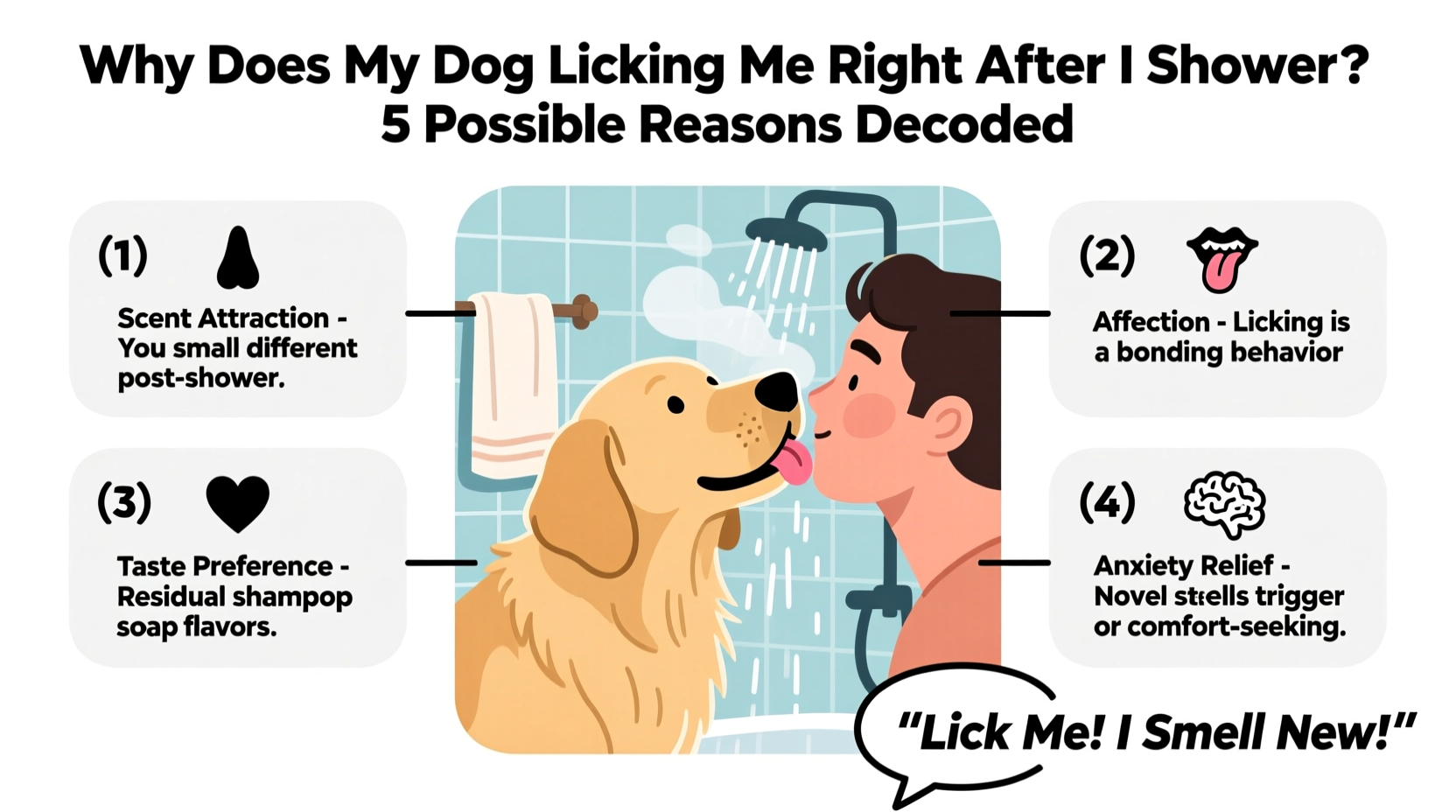
Licking is a multifaceted behavior in dogs, serving biological, social, and communicative functions. From puppyhood, licking plays a crucial role in survival. Puppies lick their mothers to stimulate elimination and receive care, while adult dogs use licking as a sign of submission, grooming, or affection.
Biologically, a dog’s tongue is equipped with specialized receptors that detect salt, minerals, and even subtle chemical changes on the skin. Their sense of taste is closely linked to their extraordinary sense of smell—dogs have up to 300 million olfactory receptors (humans have about 6 million). This means they don’t just “taste” your skin; they analyze it like a forensic scientist reads a crime scene.
When you shower, you wash away natural oils, sweat, bacteria, and environmental particles—but you also leave behind traces of soap, shampoo, lotions, and chlorine. To a dog, this altered chemical profile is not only noticeable but compelling. The act of licking allows them to gather information about what you’ve used, where you’ve been, and even how you’re feeling emotionally.
“Dogs are constantly reading us through scent and touch. Licking after a shower is one of the ways they ‘reconnect’ with our updated chemical signature.” — Dr. Laura Bennett, Veterinary Ethologist
Primary Reasons Your Dog Licks You After a Shower
1. Residual Scent and Taste of Products
Shower products like soaps, shampoos, and body washes often contain glycerin, essential oils, fragrances, and moisturizers. Many of these ingredients have sweet, salty, or savory undertones that appeal to a dog’s palate. For example:
- Fruity or coconut-scented body washes may taste slightly sweet.
- Mineral-rich water (especially hard water) leaves behind trace salts that dogs can detect.
- Scented lotions applied post-shower add another layer of flavor and aroma.
Your dog isn’t necessarily trying to eat you—they’re sampling. It’s similar to how humans might taste a new sauce or sniff a perfume before deciding if they like it.
2. Removal of Unfamiliar Chemicals
Dogs are instinctively driven to groom pack members. In the wild, canids lick each other to remove parasites, dirt, and foreign substances. When you emerge smelling strongly of lavender, eucalyptus, or synthetic fragrances, your dog may interpret these scents as contaminants.
This grooming impulse isn’t just about cleanliness—it’s about restoring familiarity. By licking you, your dog is attempting to return your scent to its “normal” state, effectively erasing the artificial layers added during your shower routine.
3. Reaffirmation of Bond and Recognition
Dogs identify individuals largely through scent. Your unique odor profile acts like a fingerprint. A hot shower strips much of this signature away, leaving your dog momentarily confused or concerned. Licking helps them reacquire your scent from your skin and saliva, reinforcing recognition.
This behavior is especially common in dogs with strong attachment styles. Just as a child might cling to a parent after separation, your dog uses licking to reconnect and confirm your identity after a sensory disruption.
4. Salt and Moisture Attraction
Even after drying off, your skin retains microscopic moisture and traces of salt from sweat. Warm showers open pores, increasing transdermal secretion. Dogs are naturally drawn to salty tastes—evolutionarily, salt signals nutrient availability.
If you exercised before showering or tend to sweat easily, your skin may still carry residual electrolytes that are highly attractive to your dog. This explains why some dogs focus on arms, necks, or feet—areas prone to perspiration.
5. Attention-Seeking and Positive Reinforcement
If your dog has learned that licking after a shower results in attention—even if it’s negative like saying “No!”—the behavior becomes reinforced. Dogs thrive on interaction, and any response is better than none.
Over time, this creates a feedback loop: shower → lick → owner reacts → dog repeats. Even pushing the dog away can be interpreted as engagement, encouraging persistence.
When Licking Becomes a Concern: Signs to Watch For
Occasional licking is normal, but excessive or compulsive licking may indicate underlying issues. Consider the following red flags:
- Licking continues for more than 10–15 minutes after contact.
- Your dog follows you obsessively post-shower.
- Licking is accompanied by whining, pacing, or signs of anxiety.
- The behavior occurs only with certain products or scents.
- You notice raw patches on your skin or irritation from repeated contact.
Compulsive licking can stem from anxiety, obsessive-compulsive disorder (OCD), or medical conditions like hypothyroidism. If you suspect over-grooming is becoming problematic, consult a veterinarian or certified animal behaviorist.
Do’s and Don’ts of Managing Post-Shower Licking
| Do’s | Don’ts |
|---|---|
| Use unscented, pet-safe hygiene products | Use heavily perfumed soaps or lotions with xylitol (toxic to dogs) |
| Redirect with a toy or treat immediately after showering | Yell or push your dog aggressively—it may increase anxiety |
| Allow brief licking as part of greeting ritual, if comfortable | Encourage prolonged licking sessions that reinforce dependency |
| Wipe your skin with a damp cloth before interaction if sensitive | Ignore persistent licking that disrupts your routine |
| Consult a trainer if behavior escalates | Assume it’s “just cute” without monitoring frequency or context |
Real-Life Example: Bella and the Lavender Dilemma
Sarah, a dog owner from Portland, noticed her rescue terrier, Bella, became unusually fixated on licking her legs every evening after her shower. Initially endearing, the behavior grew intense—Bella would bark at the bathroom door and refuse to leave Sarah’s side until she was fully dried.
After ruling out medical causes, Sarah realized the pattern coincided with her switch to a lavender-scented body wash. She tested an unscented alternative and observed an immediate reduction in Bella’s licking. A follow-up experiment confirmed it: whenever she used the lavender product, Bella’s licking increased by nearly 70%.
“It wasn’t about affection,” Sarah said. “It was about the scent. Once I changed products, everything calmed down. I had no idea how powerful those fragrances were to her.”
This case illustrates how seemingly minor changes in human routines can have significant impacts on canine behavior—especially when scent is involved.
Step-by-Step Guide: Reducing Unwanted Post-Shower Licking
If you’d like to gently modify your dog’s post-shower licking habits, follow this five-step process:
- Observe and Record: Track when licking occurs, duration, location on your body, and products used. Note any patterns.
- Switch to Neutral Products: Replace scented soaps and lotions with fragrance-free, non-toxic alternatives.
- Create a Distraction Routine: Keep a high-value treat or interactive toy ready outside the bathroom. Offer it immediately upon exiting.
- Establish a Boundary Signal: Use a calm phrase like “All done” or “Wait please” while stepping back, then reward calm behavior.
- Reinforce Calm Interactions: Reward your dog for sitting quietly instead of lunging to lick. Consistency over 2–4 weeks typically leads to change.
This approach respects your dog’s instincts while guiding them toward more appropriate behaviors. Patience and repetition are key—don’t expect overnight results.
Frequently Asked Questions
Is it safe for my dog to lick me after I shower?
In most cases, yes—provided you’re using dog-safe products. Avoid letting your dog lick areas treated with medicated creams, perfumes containing alcohol, or products with xylitol, which is toxic to dogs. Also, ensure your dog has good oral health, as bacteria from their mouth can transfer to small cuts on your skin.
Why does my dog only lick me after a shower and not other family members?
This likely stems from a stronger bond or greater sensitivity to scent changes. Your dog may view you as a primary pack member and feel more compelled to re-establish contact. Differences in hygiene products, skin chemistry, or interaction patterns can also play a role.
Can excessive licking be a sign of anxiety?
Yes. If your dog displays obsessive licking, trembling, or fixation when you bathe, it may reflect separation-related stress. Dogs with insecure attachments may perceive your absence during a shower as temporary abandonment. Addressing overall confidence through training and enrichment can help reduce dependency behaviors.
Action Plan Checklist
To understand and manage your dog’s post-shower licking, use this actionable checklist:
- ✅ Audit all personal care products for strong fragrances or harmful ingredients.
- ✅ Observe licking patterns: duration, intensity, body parts targeted.
- ✅ Switch to unscented, hypoallergenic soap and lotion for one week.
- ✅ Introduce a distraction tool (toy or treat) post-shower.
- ✅ Practice a consistent verbal cue to signal the end of interaction.
- ✅ Monitor changes in behavior over 14 days.
- ✅ Consult a vet or behaviorist if licking persists or worsens.
Conclusion: Understanding Builds Connection
Your dog’s urge to lick you after a shower isn’t random—it’s a complex blend of instinct, curiosity, and emotional connection. Whether they’re decoding your new scent, tasting residual flavors, or reaffirming your bond, this behavior reflects their deep attunement to your presence. Rather than suppressing it outright, consider what your dog is communicating.
With mindful observation and gentle guidance, you can honor your dog’s natural tendencies while setting healthy boundaries. Small adjustments in routine, product choice, and interaction style can make a big difference. Most importantly, remember that licking is often a sign of trust and affection—a canine compliment in its purest form.




 浙公网安备
33010002000092号
浙公网安备
33010002000092号 浙B2-20120091-4
Comments
No comments yet. Why don't you start the discussion?