
Dog owners often find themselves on the receiving end of enthusiastic foot licking—sometimes welcome, sometimes not. While it may seem odd or even annoying, dogs rarely engage in this behavior without reason. Licking feet can stem from affection, curiosity, or instinctual drives rooted in their evolutionary past. However, persistent or obsessive licking may point to underlying issues ranging from anxiety to medical conditions. Understanding the motivations behind this common canine quirk is essential for responsible pet ownership. This article explores the behavioral science behind foot licking, identifies red flags, and offers practical guidance for managing the behavior appropriately.
The Science Behind Canine Licking Behavior
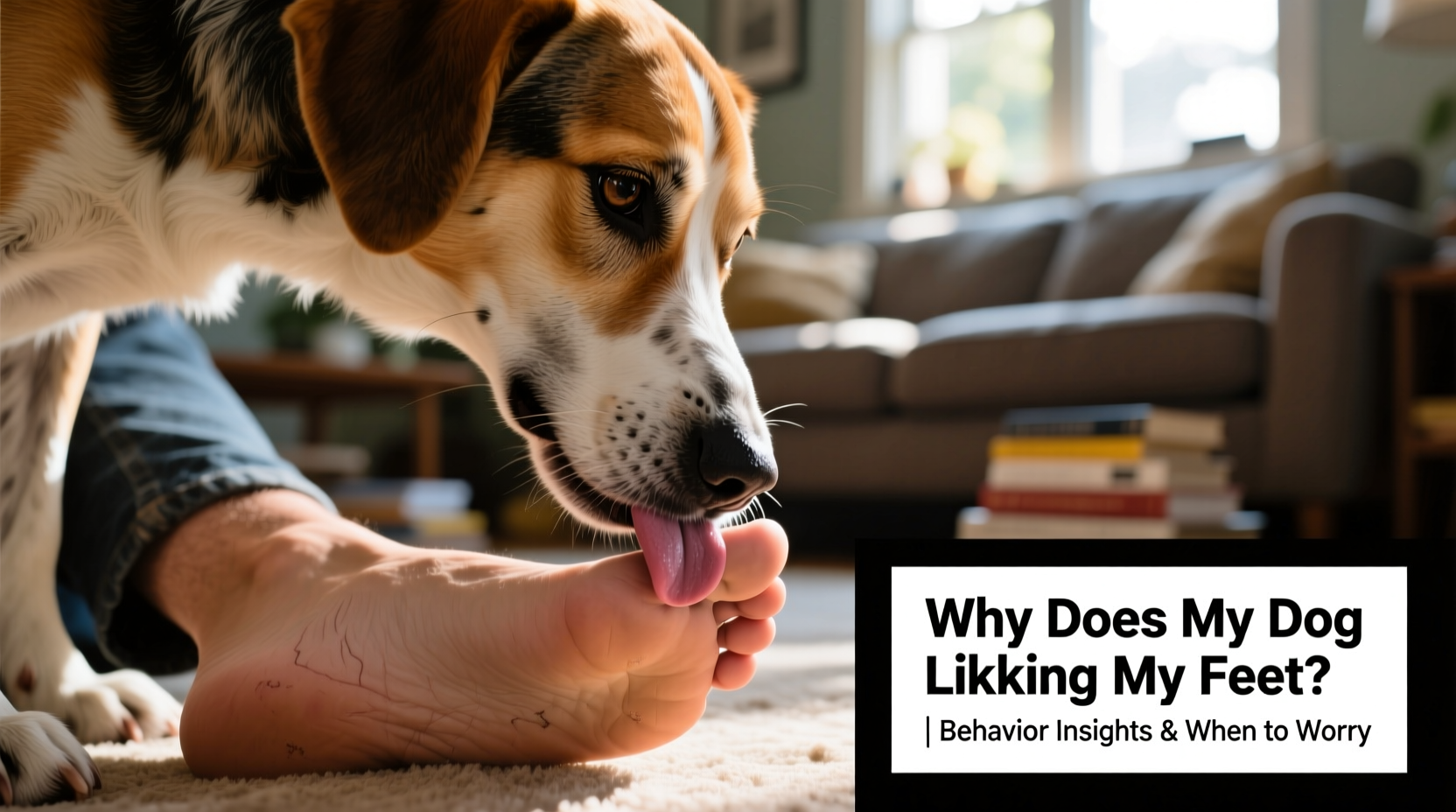
Licking is one of the most natural behaviors in dogs, beginning at birth. Puppies are licked by their mothers to stimulate breathing, aid digestion, and maintain hygiene. As they grow, licking becomes a multifaceted form of communication. Dogs use their tongues to gather sensory information through taste and smell—a function made possible by the Jacobson’s organ, located in the roof of their mouth. This specialized organ allows them to detect pheromones and chemical signals invisible to humans.
Feet, particularly bare ones, carry a wealth of scent data: sweat, bacteria, lotions, and environmental residues. To a dog, each foot is like a personal biography written in odor. The saltiness of sweat, combined with the unique microbial flora, makes feet especially intriguing. In fact, studies suggest that dogs can distinguish between individuals based solely on skin scent, making foot licking a way of “reading” their human companions.
“Licking is a primary method of social bonding and information gathering in dogs. It’s not just about taste—it’s about connection and context.” — Dr. Karen Becker, DVM, Integrative Animal Health Specialist
Common Reasons Your Dog Licks Your Feet
Understanding the motivation behind foot licking requires observing the context in which it occurs. Below are the most frequent explanations:
- Affection and bonding: Dogs often lick people they trust as a sign of attachment. It mimics the nurturing behavior they experienced as puppies and reinforces social bonds.
- Attention-seeking: If licking results in laughter, scolding, or physical interaction, dogs learn it’s an effective way to gain attention—even if it’s negative.
- Taste and smell appeal: Sweat contains electrolytes and organic compounds that dogs may find palatable. Lotions, dead skin cells, or food residue can also be enticing.
- Stress relief: Licking releases endorphins, which have a calming effect. A dog under mild stress may resort to licking as a self-soothing mechanism.
- Submission or appeasement: In canine social hierarchies, subordinate animals often lick dominant ones to show deference. Your dog may be acknowledging you as the leader.
When Foot Licking Becomes a Concern
While occasional foot licking is typically harmless, certain patterns should raise concern. Excessive or compulsive licking can signal deeper problems, including medical conditions or behavioral disorders. Watch for these warning signs:
- Licking continues for more than several minutes at a time
- Your dog seems unable to stop, even when redirected
- Licking is accompanied by pacing, whining, or other repetitive actions
- Skin irritation, redness, or infection develops on your feet
- The behavior worsens when you’re absent (suggesting separation anxiety)
Compulsive licking can become a displacement behavior—a repetitive action performed in response to conflict or stress. For example, a dog anxious about being left alone may begin obsessively licking surfaces, including feet, walls, or floors. Over time, this can evolve into acral lick dermatitis, a condition where the dog licks its own limbs raw, though foot licking directed at humans follows similar psychological roots.
Medical Conditions Linked to Excessive Licking
In some cases, a dog’s urge to lick stems from internal discomfort rather than behavioral causes. Conditions that may trigger increased licking include:
- Nausea or gastrointestinal upset: Dogs may lick unusual surfaces (including skin) when feeling nauseated. This behavior is thought to stimulate saliva production, which can soothe an irritated stomach.
- Nutritional deficiencies: Lack of certain minerals or enzymes may lead to pica-like behaviors, including licking non-food items.
- Dental pain or oral discomfort: Mouth pain can alter normal chewing and licking patterns, sometimes increasing focus on external textures.
- Skin allergies or infections: If your feet have fungal infections (like athlete’s foot), the scent or taste may attract your dog abnormally.
If your dog suddenly increases foot licking without an obvious trigger, consult your veterinarian to rule out underlying illness.
Real-Life Example: Max and the Midnight Licking Spree
Consider Max, a three-year-old Border Collie adopted from a shelter. His owner, Sarah, noticed he would wake her up multiple times a night to lick her feet. Initially, she found it sweet, but over time, the behavior became disruptive. Max would persist even after being gently pushed away, sometimes escalating to pawing or nudging.
After ruling out medical causes, a canine behaviorist observed that Max’s licking intensified after Sarah started working longer hours. The pattern suggested separation-related anxiety. Max associated Sarah’s presence with safety, and nighttime licking was a way to reaffirm contact. By introducing structured enrichment activities before bedtime—such as puzzle feeders and short training sessions—and gradually desensitizing Max to solitude, the licking decreased significantly within four weeks.
This case illustrates how seemingly benign behaviors can mask deeper emotional needs. Context matters as much as frequency.
How to Manage and Redirect Foot Licking
If foot licking becomes excessive or unwanted, intervention should focus on redirection and reinforcement, not punishment. Dogs do not respond well to scolding for instinctual behaviors, and negative reactions may increase anxiety. Instead, use positive methods to guide acceptable alternatives.
Step-by-Step Guide: Reducing Unwanted Foot Licking
- Observe and record triggers: Note when licking occurs (e.g., during TV time, after walks, when guests arrive).
- Interrupt gently: When licking begins, stand up or move your feet away without reacting emotionally.
- Redirect to a preferred activity: Offer a chew toy, treat-dispensing puzzle, or request a known command like “sit” or “go to your mat.”
- Reinforce alternative behaviors: Reward calm behavior with praise or treats when your dog chooses not to lick.
- Provide mental stimulation: Increase daily enrichment through training, sniffing games, or interactive toys to reduce boredom-driven licking.
- Consult a professional if needed: If the behavior persists or escalates, seek help from a certified dog trainer or veterinary behaviorist.
Do’s and Don’ts of Handling Foot Licking
| Do’s | Don’ts |
|---|---|
| Respond calmly and consistently | Yell or punish your dog |
| Use positive redirection techniques | Ignore sudden changes in behavior |
| Rule out medical causes with a vet visit | Assume it’s “just a habit” without assessment |
| Encourage alternative bonding activities (petting, play) | Allow licking if it leads to skin irritation |
| Maintain good foot hygiene to reduce bacterial appeal | Use strong-smelling lotions that may encourage licking |
Frequently Asked Questions
Is it safe for my dog to lick my feet?
In most cases, yes—provided your feet are clean and free of open wounds, infections, or contagious skin conditions. Human skin harbors bacteria that are generally harmless to dogs, but reverse transmission (from dog to human) is possible, especially if you have cuts or compromised immunity. Avoid letting your dog lick cracked heels or fungal areas.
Why does my dog only lick my feet and not others’?
Dogs form individualized bonds and scent preferences. Your dog likely associates your specific scent with safety, familiarity, and positive experiences. Additionally, differences in sweat composition, hygiene products, or footwear habits may make your feet more appealing than others’.
Can I train my dog to stop licking my feet completely?
You can reduce or eliminate the behavior through consistent training and environmental management. Complete suppression isn’t always necessary or desirable—moderation is key. Focus on teaching your dog when licking is appropriate and offering better alternatives when it’s not.
Expert Insight: The Emotional Language of Licking
Dr. Sophia Yin, a renowned animal behaviorist, emphasized that licking is part of a dog’s emotional vocabulary. In her clinical work, she noted that dogs use licking not only to communicate submission or affection but also to diffuse tension in uncertain situations. “A dog that licks your hand when you raise your voice isn’t just being cute,” she wrote. “It’s trying to calm both of you down.” Applying this understanding to foot licking reveals that the act often serves multiple purposes: sensory exploration, emotional regulation, and social signaling.
“Dogs don’t lie with their bodies. When a dog licks, it’s telling you something—listen with more than just your eyes.” — Dr. Sophia Yin, Veterinary Behaviorist
Final Checklist: Assessing Your Dog’s Foot Licking
Use this checklist to evaluate whether your dog’s foot licking is normal or warrants action:
- ✅ Occurs occasionally and stops when redirected
- ✅ No signs of obsession or distress in the dog
- ✅ No skin irritation or infection on your feet
- ✅ Does not interfere with sleep or daily routines
- ✅ Vet has ruled out medical causes
- ✅ Behavior remains consistent, not escalating over time
If all boxes are checked, the behavior is likely benign. If two or more are unchecked, consider further evaluation.
Conclusion: Understanding, Not Suppressing
Dog licking is a complex behavior woven from instinct, emotion, and communication. Rather than viewing foot licking as a nuisance to be eliminated, approach it as a window into your dog’s world. With patience and observation, you can discern whether it’s a gesture of love, a cry for attention, or a symptom of discomfort. Respond with empathy, apply gentle training, and consult professionals when in doubt. By doing so, you strengthen your bond and ensure your dog’s well-being.




 浙公网安备
33010002000092号
浙公网安备
33010002000092号 浙B2-20120091-4
Comments
No comments yet. Why don't you start the discussion?