
Dogs communicate in ways that often puzzle their owners. One such behavior—air licking—can seem harmless at first, but when it becomes frequent or compulsive, it may signal something deeper. While occasional air licking is normal, constant repetition can point to underlying medical conditions, anxiety, digestive discomfort, or neurological issues. Understanding the reasons behind this behavior is essential for ensuring your dog’s well-being and addressing potential problems early.
This article explores the various causes of air licking in dogs, signs that warrant veterinary attention, and practical steps you can take to support your pet. Whether the cause is physical, emotional, or environmental, recognizing the context behind the behavior empowers you to respond effectively.
Common Causes of Air Licking in Dogs
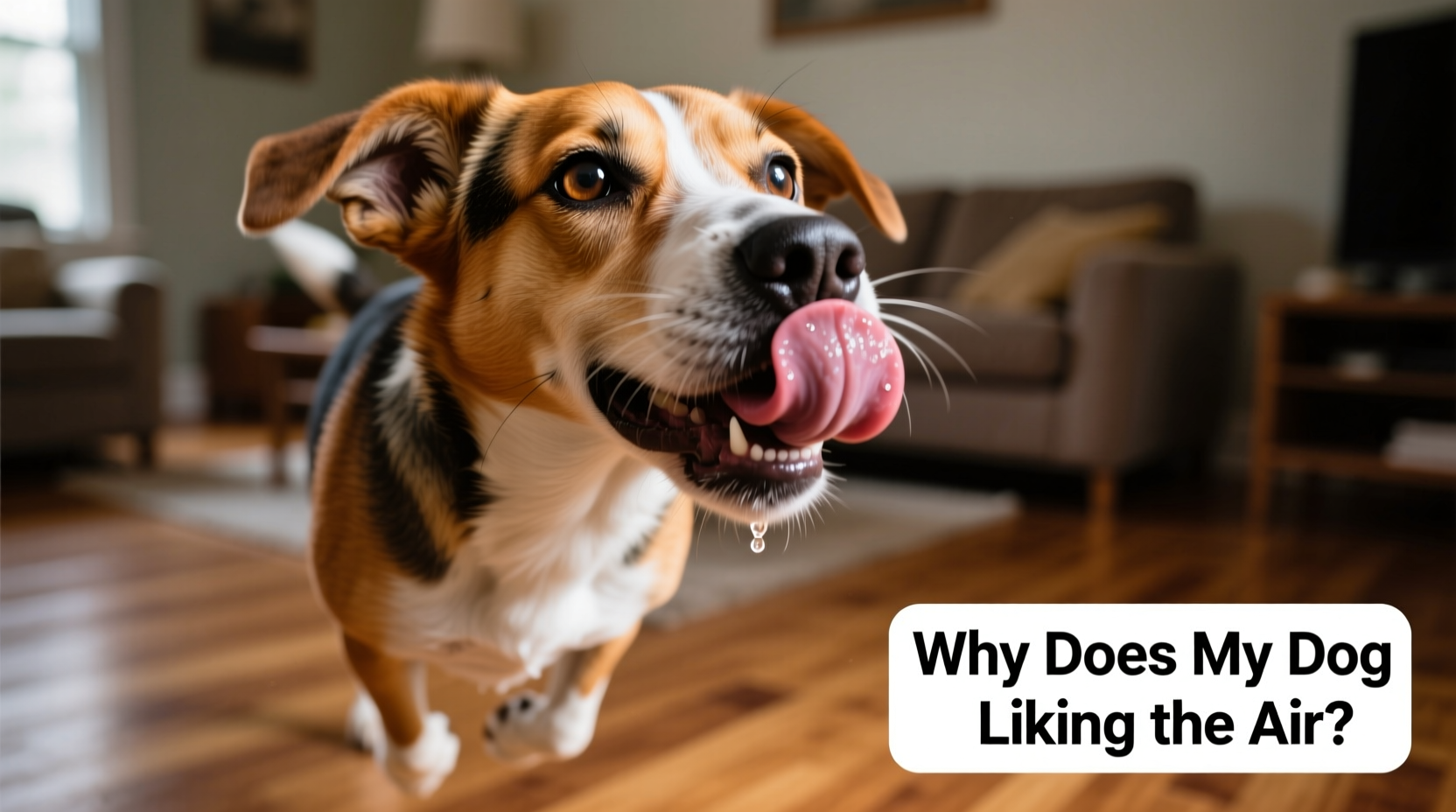
Air licking isn’t a single-issue symptom; it can stem from multiple sources. Some are benign, while others require urgent care. The key is observing patterns: How often does it happen? Is it tied to specific situations? Are there other symptoms?
- Dental or oral discomfort: Gum disease, tooth decay, or foreign objects stuck in the mouth can trigger excessive licking as a response to pain or irritation.
- Gastrointestinal distress: Nausea, acid reflux, or an upset stomach often lead dogs to lick the air. This behavior may be an attempt to produce saliva, which helps neutralize stomach acid.
- Anxiety or stress: Dogs under emotional strain—due to separation, loud noises, or changes in routine—may develop compulsive behaviors like air licking as a self-soothing mechanism.
- Neurological disorders: Seizures, especially focal (partial) seizures, can manifest as repetitive licking motions without apparent cause.
- Olfactory investigation: Dogs use their tongues and the Jacobson’s organ to analyze scents. Brief air licking after sniffing might simply be part of scent processing.
- Cognitive dysfunction: Older dogs with canine cognitive decline may exhibit unusual repetitive actions, including air licking.
When Air Licking Signals a Medical Problem
Not all air licking is dangerous, but certain patterns should prompt immediate veterinary evaluation. Chronic or escalating licking may indicate a serious health issue requiring diagnosis and treatment.
One of the most concerning medical causes is gastrointestinal disease. A study published in the *Journal of Veterinary Internal Medicine* found that over 70% of dogs presenting with excessive licking behaviors had underlying GI disorders, including inflammatory bowel disease (IBD), gastritis, or even intestinal obstructions.
Likewise, focal seizures often go unnoticed because they don’t involve full-body convulsions. Instead, dogs may stare into space, twitch facial muscles, or lick obsessively. These episodes can last seconds to minutes and may occur during rest.
“Air licking in dogs is frequently dismissed as quirky behavior, but it can be a cry for help. We’ve diagnosed everything from liver disease to brain tumors based on this subtle sign.” — Dr. Laura Chen, DVM, Veterinary Neurologist
If your dog suddenly starts licking the air multiple times a day, especially if accompanied by vomiting, drooling, loss of appetite, or lethargy, schedule a vet visit promptly. Diagnostic tools like blood panels, abdominal ultrasounds, or EEGs may be necessary to identify the root cause.
Behavioral vs. Medical: How to Tell the Difference
Distinguishing between behavioral and medical causes requires careful observation. Use the following table to assess possible indicators:
| Factor | Behavioral Cause | Medical Cause |
|---|---|---|
| Timing | Linked to stressors (e.g., thunderstorms, strangers) | Occurs randomly or post-meal |
| Duration | Episodes last several minutes, often during high-anxiety periods | Repetitive, prolonged, or happens during sleep/rest |
| Other Symptoms | Panting, pacing, hiding | Vomiting, diarrhea, excessive swallowing |
| Response to Distraction | Stops when redirected or comforted | Unaffected by interaction or treats |
| Age of Onset | Often begins in young adulthood | Can start at any age, especially seniors |
Real-Life Example: Max’s Hidden Stomach Issue
Max, a 5-year-old Border Collie, began licking the air after dinner every night. His owner initially assumed it was boredom. She tried increasing walks and mental stimulation, but the behavior worsened. Concerned, she recorded a video and showed it to her veterinarian.
The vet noticed Max also swallowed frequently after licking and recommended an abdominal ultrasound. The scan revealed chronic gastritis and a partial obstruction caused by a small piece of a chew toy. After surgery and a specialized diet, Max’s air licking stopped completely within two weeks.
This case highlights how easily a physical problem can masquerade as a behavioral quirk—and why professional assessment matters.
Step-by-Step Guide to Addressing Air Licking
If your dog is licking the air frequently, follow this structured approach to determine the best course of action:
- Observe and document: Track when, how long, and under what circumstances the licking occurs. Include notes on diet, activity, and environment.
- Rule out dental issues: Examine your dog’s mouth for redness, tartar, broken teeth, or foreign objects. Schedule a dental checkup if anything seems off.
- Assess for nausea: Look for signs like lip smacking, gulping, refusal to eat, or vomiting. Consider whether recent diet changes or scavenging could be contributing.
- Evaluate stress levels: Identify potential anxiety triggers—new pets, moving, loud noises. Monitor for related behaviors like trembling or excessive barking.
- Visit the veterinarian: Share your observations and request a full workup, including blood tests, fecal exam, and possibly imaging.
- Follow treatment plans: If a medical condition is diagnosed, adhere strictly to prescribed medications, dietary changes, or therapies.
- Consult a behaviorist if needed: For confirmed behavioral causes, a certified animal behaviorist can design a desensitization and counter-conditioning program.
Action Checklist: What to Do If Your Dog Licks the Air Constantly
Use this checklist to ensure you’re taking comprehensive steps to understand and address the behavior:
- ✅ Record a short video of the licking episode
- ✅ Check your dog’s mouth for visible issues
- ✅ Note any recent changes in diet, routine, or environment
- ✅ Eliminate access to trash or potentially toxic substances
- ✅ Schedule a vet appointment if licking persists beyond 2–3 days
- ✅ Follow up with diagnostics if initial exam is inconclusive
- ✅ Implement calming strategies (e.g., pheromone diffusers, consistent routines)
Frequently Asked Questions
Is air licking always a sign of illness?
No. Occasional air licking—especially after sniffing strong scents—is normal dog behavior. However, persistent or obsessive licking (more than several times a day) should be evaluated, as it often indicates an underlying issue.
Can anxiety really cause a dog to lick the air?
Yes. Just as humans might bite their nails or fidget when stressed, dogs develop displacement behaviors like licking. It helps regulate their nervous system. Common triggers include separation, loud noises, or unfamiliar environments.
What treatments are available for compulsive air licking?
Treatment depends on the cause. Medical conditions may require medication, surgery, or dietary adjustments. Behavioral cases often benefit from anti-anxiety supplements, environmental enrichment, and training with a professional. In severe cases, veterinarians may prescribe SSRIs (like fluoxetine) under close supervision.
Prevention and Long-Term Management
Once the root cause is addressed, ongoing management is key to preventing recurrence. For dogs with gastrointestinal sensitivities, maintaining a consistent, high-quality diet is crucial. Avoid sudden food changes and monitor for reactions to treats or table scraps.
For anxious dogs, creating a predictable daily routine reduces uncertainty. Incorporate regular exercise, mental stimulation through puzzle toys, and safe spaces where they can retreat during stressful events. Calming aids like Thundershirts or Adaptil diffusers may also help.
In cases of neurological origin, lifelong monitoring may be necessary. Regular vet checkups, adherence to medication, and seizure logs (if applicable) allow for timely adjustments in care.
“Early intervention transforms outcomes. A dog that licks the air today might have a treatable stomach ulcer. Wait too long, and it could develop malnutrition or secondary complications.” — Dr. Raj Patel, Internal Medicine Specialist
Conclusion
Constant air licking in dogs is more than just a strange habit—it’s a form of communication. Whether signaling pain, nausea, fear, or neurological disruption, this behavior deserves attention, not dismissal. By combining vigilant observation with professional guidance, you can uncover the cause and provide meaningful relief for your dog.
Don’t wait for symptoms to escalate. Take action now: observe closely, consult your veterinarian, and advocate for a thorough evaluation. Your dog relies on you to interpret what they cannot express in words.




 浙公网安备
33010002000092号
浙公网安备
33010002000092号 浙B2-20120091-4
Comments
No comments yet. Why don't you start the discussion?