
Dogs are creatures of habit, but when a routine behavior like licking the floor intensifies—especially right after eating—it’s natural for pet owners to feel concerned. Occasional floor licking may go unnoticed or seem harmless, but obsessive licking post-meal is often a signal that something beneath the surface needs attention. This behavior could stem from medical conditions, dietary deficiencies, gastrointestinal discomfort, or psychological triggers such as anxiety or compulsive disorders. Understanding the root cause is essential not only for your dog’s comfort but also for their long-term health.
While many assume this is simply a quirky habit, veterinary experts increasingly recognize persistent floor licking as a potential red flag. The American College of Veterinary Behaviorists notes that repetitive behaviors in dogs, especially those tied to mealtimes, should be evaluated thoroughly before being dismissed as normal. This article explores the most common reasons behind post-meal floor licking, how to differentiate between behavioral and medical causes, and what steps you can take to support your dog’s well-being.
Medical Causes Behind Obsessive Floor Licking
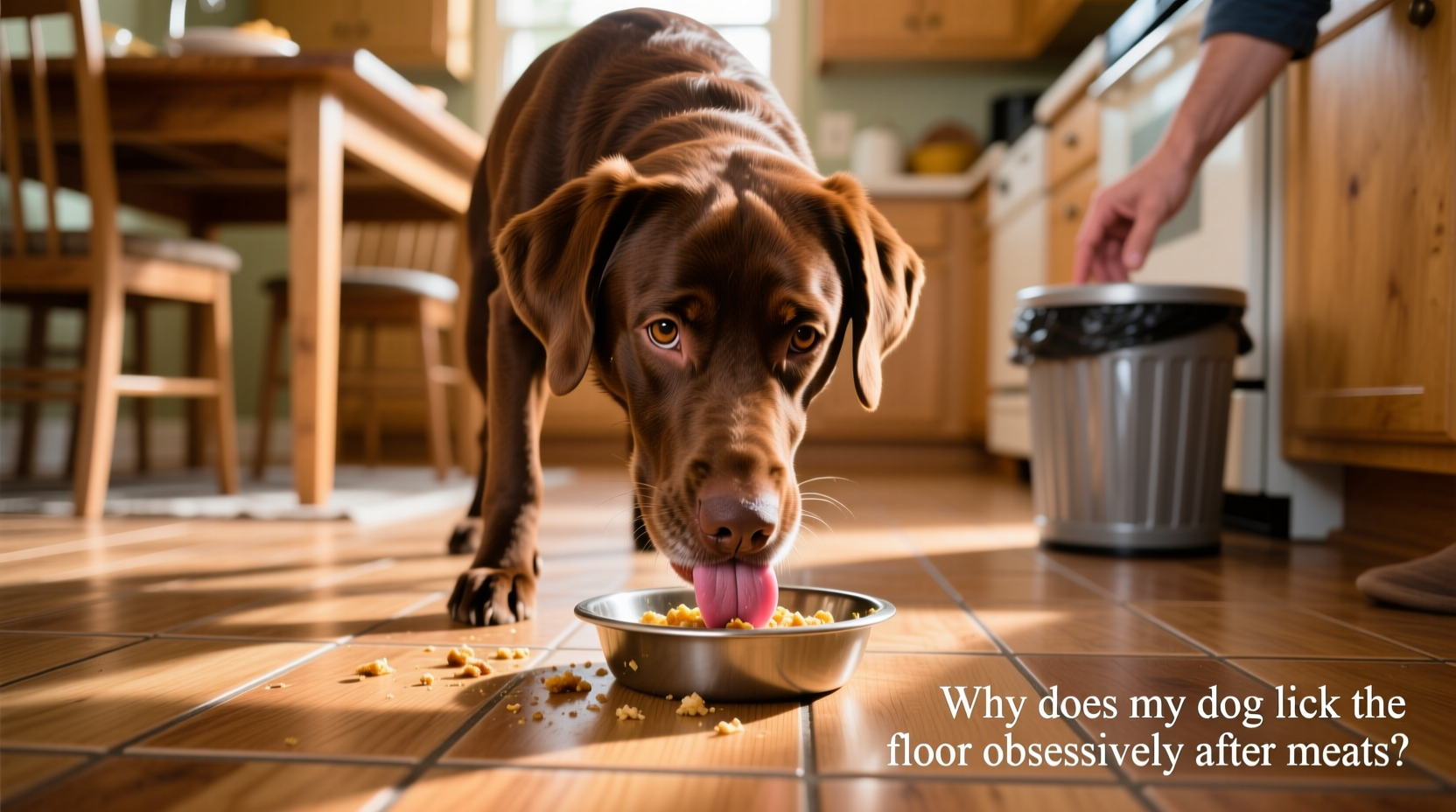
One of the first considerations when addressing compulsive floor licking is ruling out underlying medical issues. Dogs cannot verbally express discomfort, so they often communicate distress through physical actions. Excessive licking—particularly after eating—can indicate gastrointestinal problems, nutrient deficiencies, or systemic diseases.
Gastrointestinal Distress is one of the most frequent culprits. Conditions such as inflammatory bowel disease (IBD), acid reflux, pancreatitis, or delayed gastric emptying can leave a dog feeling nauseous or bloated after meals. In response, they may lick the floor as a self-soothing mechanism. Saliva production increases during nausea, and licking helps neutralize stomach acid—a behavior similar to how humans might drink water or chew gum when queasy.
A 2020 study published in the Journal of Veterinary Internal Medicine found that over 60% of dogs presenting with chronic licking behaviors had an underlying gastrointestinal condition confirmed via endoscopy or ultrasound. Many owners reported that the licking stopped or significantly reduced once the digestive issue was treated.
Nutritional Deficiencies can also trigger unusual oral behaviors. A lack of essential nutrients like iron, vitamin B12, or zinc may lead to pica—a disorder characterized by the consumption of non-food items. While floor licking isn’t ingestion per se, it’s considered a related exploratory or compensatory behavior. Poor-quality diets, malabsorption syndromes, or sudden diet changes can all contribute.
Endocrine Disorders, including Cushing’s disease and diabetes, are less common but serious possibilities. These conditions alter metabolism and can cause increased thirst, hunger, and odd behaviors like licking. Dogs with undiagnosed diabetes, for instance, may lick floors due to neurological irritation or secondary gastrointestinal upset.
Behavioral and Environmental Triggers
Not all cases of floor licking are rooted in physiology. For some dogs, the behavior develops as a coping mechanism for stress, boredom, or learned reinforcement.
Anxiety and Stress play a significant role in compulsive behaviors. Dogs that experience separation anxiety, noise phobias, or household instability may resort to repetitive actions like licking to calm themselves. The act stimulates the release of endorphins, creating a temporary sense of relief. If mealtimes are associated with excitement or tension—such as competition with other pets or loud feeding environments—the post-meal period may become a high-stress window.
Boredom or Lack of Stimulation is another key factor, particularly in intelligent or high-energy breeds. Without sufficient mental engagement, dogs invent routines to occupy themselves. Floor licking may begin as curiosity—perhaps catching residual food particles—but evolve into a habitual behavior. Breeds like Labrador Retrievers, German Shepherds, and Border Collies are especially prone to developing compulsions when under-stimulated.
Learned Behavior can also reinforce the habit. If a dog receives attention—even negative—for licking, they may repeat it to gain interaction. Similarly, if licking occurs near treat times or leads to extra petting, it becomes unintentionally rewarded.
“Repetitive licking in dogs is often a cry for help, whether physical or emotional. Owners should never assume it’s ‘just a quirk’ without investigation.” — Dr. Linda Harper, DVM, Veterinary Behavior Specialist
When to See a Veterinarian: A Step-by-Step Assessment Timeline
Determining whether your dog’s licking requires professional intervention involves a methodical approach. Follow this timeline to assess urgency and gather useful information for your vet.
- Day 1–3: Observe and Document
Track when the licking occurs, how long it lasts, and any patterns (e.g., always after kibble but not canned food). Note other symptoms: drooling, vomiting, lethargy, weight loss, or changes in stool. - Day 4–7: Adjust Diet Temporarily
Switch to a bland diet (boiled chicken and rice) for three days to see if symptoms improve. Avoid treats and table scraps. This can help isolate food sensitivities. - Day 8: Evaluate Results
If licking decreases on the bland diet, a food allergy or intolerance may be involved. Consider transitioning to a veterinary-prescribed hypoallergenic diet. - Day 9–14: Eliminate Behavioral Triggers
Increase daily walks, introduce puzzle feeders, and reduce household stressors. Monitor whether environmental enrichment reduces the behavior. - Day 15: Schedule Veterinary Consultation
If licking persists beyond two weeks despite interventions, schedule a full exam. Request blood work, a fecal test, and possibly abdominal imaging.
This structured assessment prevents premature conclusions while ensuring timely medical evaluation if needed.
Do’s and Don’ts: Managing Post-Meal Licking
| Action | Do | Don't |
|---|---|---|
| Diet | Feed high-quality, easily digestible food; consider limited-ingredient diets if allergies are suspected. | Don’t switch foods abruptly or offer rich, fatty treats immediately after meals. |
| Environment | Provide quiet, distraction-free feeding areas and post-meal relaxation spaces. | Don’t allow feeding near high-traffic zones or where other pets create competition. |
| Behavior | Redirect licking with chew toys or training games after meals. | Don’t scold or punish the behavior—it may increase anxiety and worsen compulsions. |
| Health Monitoring | Keep a symptom log and share it with your vet. | Don’t delay veterinary visits hoping the behavior will “go away on its own.” |
Real-Life Example: Max, the Labrador with a Licking Habit
Max, a 4-year-old yellow Labrador, began obsessively licking the kitchen floor every evening after dinner. His owner, Sarah, initially thought he was just cleaning up spills. But when the behavior lasted 15–20 minutes and started occurring even on clean floors, she grew concerned.
She followed a step-by-step plan: first eliminating dietary variables by switching to a novel protein diet (duck and potato), then increasing his mental stimulation with scent games and longer walks. When the licking persisted, she took Max to her veterinarian. Blood tests revealed low cobalamin (vitamin B12) levels and elevated pancreatic enzyme concentrations, indicating exocrine pancreatic insufficiency (EPI).
With enzyme supplements and B12 injections, Max’s digestion improved dramatically. Within three weeks, the floor licking ceased entirely. Sarah now rotates his diet seasonally and schedules biannual wellness checks to monitor his gut health.
Max’s case illustrates how a seemingly behavioral issue can mask a serious medical condition—and why early veterinary involvement is critical.
Checklist: What to Do If Your Dog Licks the Floor After Eating
- ✅ Record the frequency, duration, and timing of licking episodes
- ✅ Check for visible signs of illness: vomiting, diarrhea, weight loss
- ✅ Review your dog’s current diet for fillers, allergens, or abrupt changes
- ✅ Ensure fresh water is always available—dehydration can increase licking
- ✅ Introduce environmental enrichment: puzzle feeders, chew toys, obedience training
- ✅ Rule out dental pain or oral discomfort with a vet check
- ✅ Schedule a veterinary appointment if behavior continues beyond 10–14 days
- ✅ Request diagnostic testing: CBC, chemistry panel, TLI test for pancreas, thyroid levels
Frequently Asked Questions
Is it normal for dogs to lick the floor after eating?
Occasional licking, especially if there are food crumbs, can be normal. However, prolonged, intense, or ritualistic licking—lasting more than a few minutes or occurring daily—should not be ignored. It often signals an underlying issue needing investigation.
Can anxiety really cause a dog to lick the floor obsessively?
Yes. Anxiety triggers compulsive behaviors in dogs much like in humans. Licking releases calming neurotransmitters, making it a self-reinforcing action. Dogs with separation anxiety, past trauma, or high-stress households are more likely to develop such habits.
What kind of vet tests are used to diagnose the cause?
Veterinarians typically start with a complete blood count (CBC), serum chemistry, and urinalysis. Specific tests may include TLI (trypsin-like immunoreactivity) for pancreatic function, cobalamin/folate levels for gut health, and abdominal ultrasound. In behavioral cases, a trial of anti-anxiety medication may be used diagnostically.
Conclusion: Listen to What Your Dog Is Trying to Tell You
Your dog’s post-meal floor licking is more than a curious quirk—it’s communication. Whether signaling digestive discomfort, nutritional gaps, or emotional distress, this behavior deserves thoughtful attention. Ignoring it risks missing treatable conditions that affect both quality of life and longevity.
The path forward begins with observation, continues with proactive care, and often leads to a visit with your veterinarian. By combining medical insight with behavioral understanding, you can uncover the root cause and restore balance for your pet. Most importantly, trust your instincts. If something feels off, it probably is.




 浙公网安备
33010002000092号
浙公网安备
33010002000092号 浙B2-20120091-4
Comments
No comments yet. Why don't you start the discussion?