
Dogs communicate in ways that often go beyond barking or tail wagging. One of the most common yet misunderstood behaviors is the dramatic sigh—a deep, audible exhale that frequently follows a dog settling into rest. To many owners, it can sound like frustration, exhaustion, or even sadness. But more often than not, this behavior is completely normal and rooted in canine physiology and emotional expression. Understanding why your dog sighs can deepen your bond and help you distinguish between peaceful contentment and potential health concerns.
The Science Behind Canine Sighing
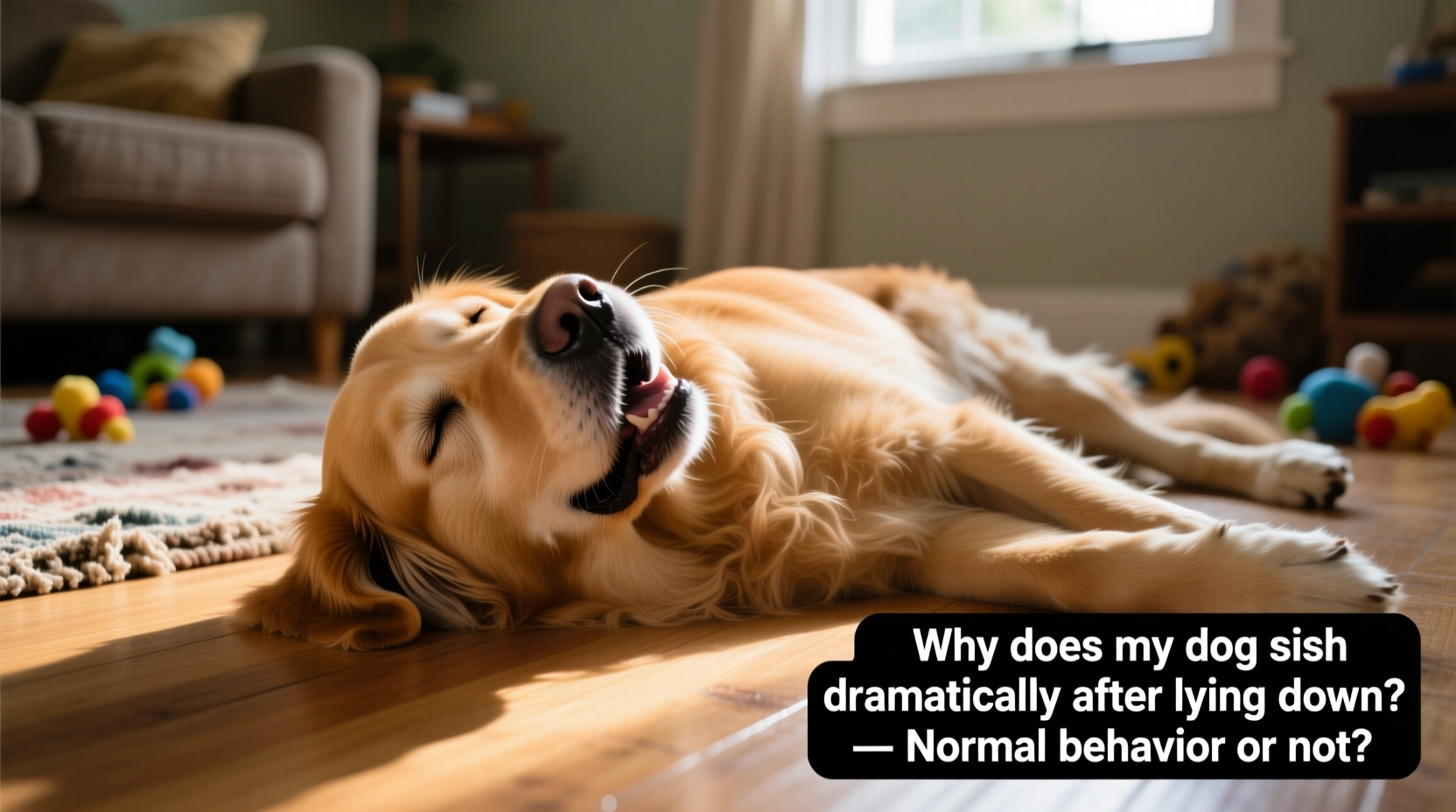
Sighing in dogs, much like in humans, is a natural respiratory mechanism. A sigh is typically a double-volume breath—an inhale deeper than normal followed by a slow, prolonged exhale. In both species, sighs serve a physiological purpose: they reinflate tiny air sacs in the lungs called alveoli, which can collapse slightly during periods of shallow breathing. This helps maintain optimal lung function and oxygen exchange.
In dogs, sighing often occurs when transitioning from activity to rest. After a walk, play session, or even mild excitement, a dog may lie down and release a long, drawn-out sigh. This isn’t just a random noise—it’s part of their body’s way of recalibrating after increased physical or mental stimulation. The sigh signals a shift into a relaxed state, helping the nervous system move from sympathetic (alert) to parasympathetic (rest-and-digest) dominance.
“Sighing is a built-in reset for the respiratory system. In dogs, it’s often linked to comfort and relaxation, especially post-activity.” — Dr. Lena Peterson, Veterinary Ethologist
This biological function explains why sighing is so prevalent when dogs lie down. It’s not an emotional outburst but rather a subtle, automatic process that supports physical well-being. However, context matters. While most sighs are benign, patterns of frequency, accompanying behaviors, and changes in routine can provide clues about your dog’s overall condition.
Emotional Expression: Contentment vs. Frustration
Beyond physiology, dogs use sighs as a form of non-verbal communication. Decoding these vocalizations requires attention to body language. A contented sigh usually comes with unmistakable signs of relaxation:
- Eyes partially or fully closed
- Loose, floppy limbs
- Head resting on paws or floor
- Slow blinking or yawning
- Lying on side or curled up comfortably
In such cases, the sigh functions like a verbal “ahhh” in humans—signaling relief and satisfaction. Many dogs emit these sighs after receiving affection, completing a task, or simply finding a cozy spot. It’s a self-soothing gesture, reinforcing a sense of safety and comfort.
Conversely, a sigh paired with stiff posture, avoidance, or repetitive behavior might indicate mild frustration or resignation. For example, a dog who wants to go outside but realizes it’s not happening may lie down and sigh with exaggerated breath while turning away. This type of sigh is less about physical need and more about emotional release—akin to a human shrugging and saying, “Fine, I give up.”
When Dramatic Sighing Might Signal a Problem
While occasional, context-appropriate sighing is normal, dramatic or excessive sighing can sometimes point to underlying issues. Key red flags include:
- Sighing accompanied by labored breathing or panting at rest
- Increased respiratory rate or effort
- Coughing, wheezing, or gagging after sighing
- Reluctance to lie down or frequent position changes
- Lethargy, decreased appetite, or reduced activity levels
These symptoms could indicate respiratory conditions such as bronchitis, pneumonia, or tracheal collapse. Heart disease is another concern, as fluid buildup in the lungs (pulmonary edema) can cause difficulty breathing and frequent deep exhalations. Older dogs or brachycephalic breeds (like Bulldogs or Pugs) are particularly prone to such conditions due to anatomical or age-related factors.
Pain is another potential trigger. Dogs in discomfort—whether from arthritis, abdominal issues, or musculoskeletal strain—may sigh when shifting positions. The sigh isn't directly caused by pain but serves as a tension-release mechanism during movement. If your dog winces, hesitates, or groans when lying down or rising, veterinary evaluation is warranted.
“Any change in breathing pattern should be taken seriously. Frequent deep sighs without clear cause deserve a vet check, especially in senior dogs.” — Dr. Alan Reyes, DVM, Internal Medicine Specialist
Case Study: Max, the 9-Year-Old Labrador
Max, a retired therapy dog, began sighing loudly every time he lay down on his orthopedic bed. His owner initially assumed it was a sign of tiredness—he was nine years old, after all. But over several weeks, the sighs grew more frequent, and Max started avoiding stairs and sleeping in shorter stretches.
Concerned, his owner recorded a video of Max’s behavior and brought it to the vet. Upon examination, Max showed mild stiffness in his hips and lower back. X-rays confirmed moderate osteoarthritis. The dramatic sighs were not expressions of emotion but reactions to joint discomfort during position changes.
With a treatment plan including anti-inflammatory medication, joint supplements, and modified exercise, Max’s sighing decreased significantly within a month. His owner also added heated bedding and ramps to reduce strain. This case illustrates how seemingly behavioral cues can have medical roots—and why attentive observation is crucial.
Do’s and Don’ts of Responding to Your Dog’s Sighs
| Action | Recommended? | Reason |
|---|---|---|
| Observe body language alongside the sigh | ✅ Yes | Helps determine if the sigh indicates comfort or distress |
| Respond with affection if the dog appears relaxed | ✅ Yes | Reinforces bonding and security |
| Ignore sudden changes in sighing frequency or intensity | ❌ No | Could miss early signs of illness or pain |
| Assume all sighs mean sadness or boredom | ❌ No | Leads to misinterpretation and unnecessary intervention |
| Record videos of unusual breathing patterns | ✅ Yes | Useful for veterinary diagnosis |
Step-by-Step: Assessing Whether Sighing Is Normal
- Step 1: Note the context. When does the sigh occur? After lying down? Following play? During quiet time?
- Step 2: Evaluate body language. Are the eyes soft? Is the posture relaxed or tense?
- Step 3: Check for consistency. Has the behavior been present for years, or is it new?
- Step 4: Monitor frequency. Is the dog sighing dozens of times per hour, or only occasionally?
- Step 5: Look for other symptoms. Any coughing, lethargy, reduced appetite, or mobility issues?
- Step 6: Consult your veterinarian. If in doubt, especially with older dogs or breed predispositions, seek professional input.
Frequently Asked Questions
Is it normal for puppies to sigh like adult dogs?
Yes. Puppies as young as a few months old may sigh when relaxing or falling asleep. It’s often seen after nursing, play, or exploration. As long as the puppy is active, eating well, and shows no signs of distress, sighing is considered normal developmental behavior.
Can dogs sigh in their sleep?
They can. Just like humans, dogs experience various sleep stages, including REM (rapid eye movement) sleep, where dreaming occurs. Sighs during sleep are typically harmless and may coincide with muscle twitches or soft vocalizations. However, loud gasping, choking sounds, or irregular breathing during sleep should be evaluated by a vet.
Should I be worried if my dog sighs but won’t lie down?
This could indicate discomfort. Some dogs with joint pain, gastrointestinal upset, or anxiety may hesitate to lie down or do so awkwardly. If your dog lies down reluctantly, gets up quickly, or circles repeatedly without settling, it’s worth investigating further with your veterinarian.
Practical Checklist: Monitoring Your Dog’s Sighing Behavior
- ☑ Sighing occurs only during or after lying down – likely normal
- ☑ Dog appears relaxed, eyes soft, body loose – no concern
- ☑ Sighing is new, frequent, or worsening – monitor closely
- ☑ Accompanied by coughing, panting, or labored breathing – schedule vet visit
- ☑ Dog avoids lying down or rises frequently – consider pain or discomfort
- ☑ Behavioral changes (less playful, withdrawn) – consult professional
- ☑ Breed is high-risk (e.g., brachycephalic or large/giant breed) – prioritize early evaluation
Conclusion: Listening Beyond the Sound
Your dog’s dramatic sigh is rarely a cry for help—and more often a quiet affirmation of comfort. In most cases, it’s a healthy, natural behavior reflecting physical regulation and emotional ease. But because dogs cannot speak in words, they rely on subtle cues like sighs, posture shifts, and breathing patterns to convey their state of being. As a responsible pet owner, your role isn’t to eliminate these sounds but to understand them.
By learning to read the full picture—context, body language, and consistency—you empower yourself to respond appropriately. Celebrate the moments when that deep exhale means your dog feels safe and loved. And act with care when something feels off, knowing that early intervention can make all the difference in your dog’s quality of life.




 浙公网安备
33010002000092号
浙公网安备
33010002000092号 浙B2-20120091-4
Comments
No comments yet. Why don't you start the discussion?