
Dogs communicate in ways that go far beyond barking and tail wagging. One of the most subtle yet expressive behaviors many dog owners notice is a deep, audible sigh—especially when their pet lies down. You might have seen your dog stretch out on the floor, lower their head dramatically, and release a long, drawn-out breath that sounds almost human. While it can seem like a sign of sadness or exhaustion, loud sighing in dogs is rarely about negative emotions. In fact, it's often a positive signal of comfort, relaxation, or even communication.
Understanding why your dog sighs loudly when lying down requires looking at context, body language, and breed tendencies. This article explores the science and psychology behind canine sighing, helping you interpret what your dog is truly expressing—and when, if ever, it might be cause for concern.
The Science Behind Canine Sighing
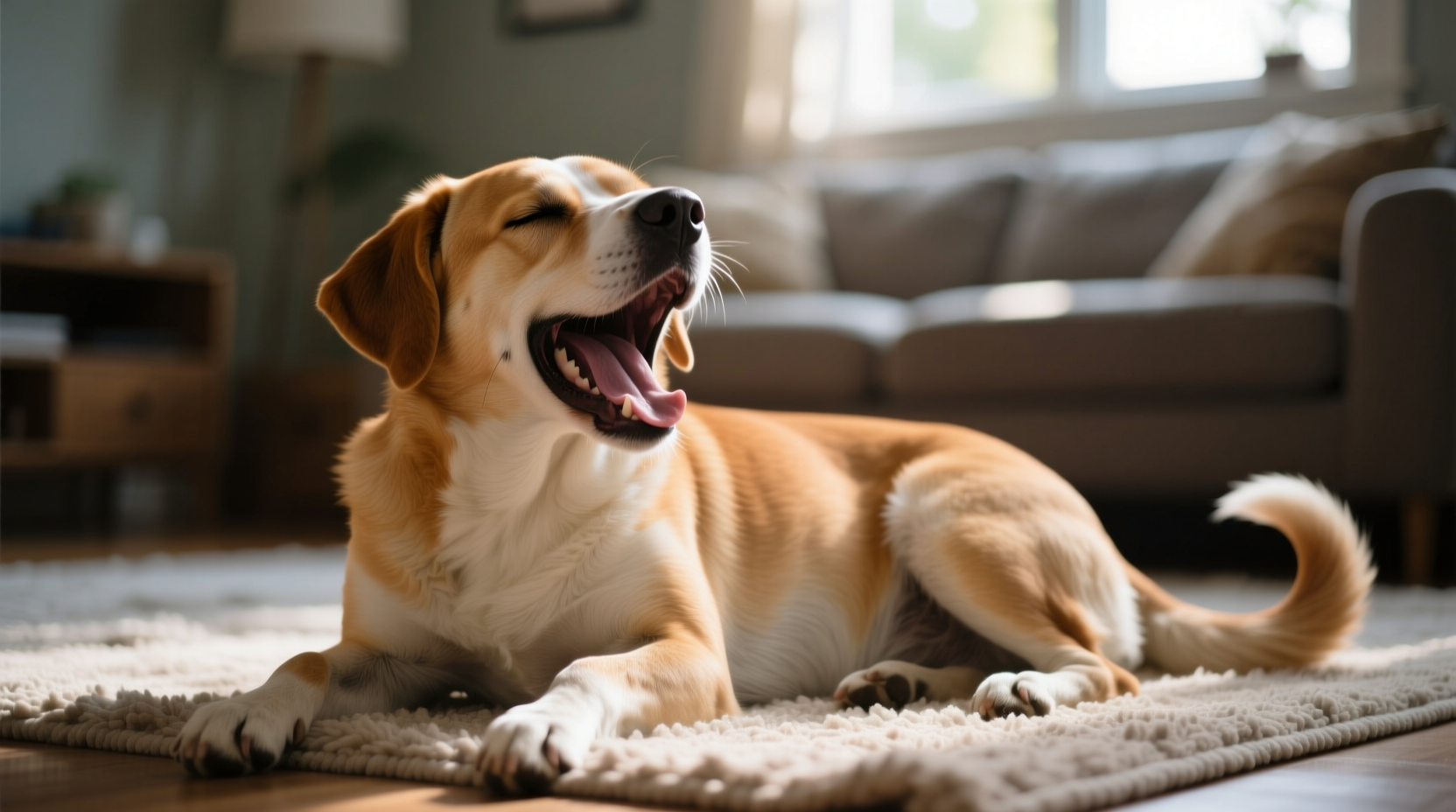
Sighing is not unique to humans. It’s a physiological behavior observed across many mammalian species, including dogs. A sigh is typically a deep inhalation followed by a prolonged exhalation. In both humans and animals, sighs serve a vital respiratory function: they reinflate alveoli (tiny air sacs in the lungs) that may have collapsed slightly during shallow breathing. This helps maintain optimal lung capacity and oxygen exchange.
In dogs, spontaneous sighs occur approximately every 50 to 100 normal breaths, according to veterinary behavioral research. These automatic sighs are part of healthy respiratory regulation. But when sighs are accompanied by specific postures—like flopping down dramatically or placing the head on paws—they become more than just biological functions; they turn into communicative signals.
Dr. Patricia McConnell, a renowned animal behaviorist, explains:
“Dogs use sighs as emotional punctuation. A deep sigh after play often signals contentment, much like a human saying ‘ahhh’ after sinking into a warm bath.” — Dr. Patricia McConnell, Certified Applied Animal Behaviorist
Common Reasons Dogs Sigh Loudly When Lying Down
A loud sigh as your dog settles into rest is usually a good sign. Here are the most common explanations:
1. Contentment and Relaxation
The most frequent reason for a dramatic sigh is sheer satisfaction. After a walk, play session, or receiving affection, dogs often sigh as they lie down to rest. This type of sigh is usually paired with soft eyes, relaxed ears, and a loose body posture. The sigh acts as a physical release of tension—a way of saying, “I’m safe, I’m full, and I’m happy.”
2. Communication of Calm
Dogs are highly attuned to social cues, and they use sighs to signal non-threat. If your dog sighs while lying down in your presence, especially after eye contact or petting, they may be using the sound to convey peaceful intent. This is particularly common in households with multiple pets or anxious dogs trying to de-escalate tension.
3. Transition Between States
Just as humans might groan or stretch when moving from standing to sitting, dogs often sigh when transitioning from activity to rest. The sigh helps reset their breathing pattern and marks a mental shift from alertness to downtime. Think of it as a built-in “reset button” for their nervous system.
4. Attention-Seeking Behavior
Some dogs learn that sighing gets a reaction. If you’ve ever responded to a sigh with attention, treats, or affection, your dog may repeat the behavior to prompt interaction. This is especially true in intelligent or emotionally expressive breeds like Border Collies, Golden Retrievers, or Cavalier King Charles Spaniels.
5. Breed-Specific Tendencies
Brachycephalic breeds—those with short muzzles like Bulldogs, Pugs, and Shih Tzus—are more prone to loud breathing and sighing due to their anatomy. Their narrowed airways can make exhalations sound deeper or more exaggerated, even when they’re simply relaxing. While this is often normal, it’s important to distinguish between typical sighing and labored breathing.
When Sighing Might Signal a Problem
While most sighing is harmless, certain patterns warrant closer attention. Excessive, strained, or unusually loud sighing—especially when combined with other symptoms—can indicate underlying health or emotional issues.
Potential Red Flags Include:
- Sighing accompanied by panting at rest
- Restlessness or inability to settle after sighing
- Coughing, wheezing, or gagging following exhalation
- Lethargy, decreased appetite, or weight loss
- Frequent sighing without an obvious trigger
Respiratory conditions such as bronchitis, heart disease, or tracheal collapse can manifest through abnormal breathing patterns. In older dogs, chronic conditions like laryngeal paralysis or congestive heart failure may also lead to increased sighing or labored exhalation.
Anxiety is another possible contributor. Some dogs sigh repeatedly when stressed, particularly in unfamiliar environments or during thunderstorms. Unlike contentment sighs, anxiety-related sighs are often shallow, frequent, and paired with pacing, lip licking, or yawning.
“In clinical practice, we see dogs that sigh excessively due to environmental stressors. Once we address the root cause—like separation anxiety or noise phobia—the behavior often resolves.” — Dr. Karen Becker, Integrative Veterinarian
How to Respond to Your Dog’s Sighing
Your response should depend on the context and frequency of the sighing. Most of the time, no action is needed—your dog is simply expressing comfort. However, you can deepen your bond and support their well-being by observing and responding appropriately.
Step-by-Step Guide: Assessing and Responding to Sighing
- Observe the timing: Does the sigh happen after play, petting, or settling in for a nap?
- Check body language: Are the eyes soft? Is the body loose and sprawled? Or tense and rigid?
- Note frequency: Is it occasional or constant throughout the day?
- Listen to the quality: Is the sigh smooth and deep, or raspy and strained?
- Monitor for other symptoms: Look for coughing, panting, or changes in energy level.
- Respond accordingly: If all signs point to relaxation, enjoy the moment. If concerns arise, consult your vet.
Do’s and Don’ts of Interpreting Canine Sighs
| Do’s | Don’ts |
|---|---|
| Do consider the context—post-play sighs are usually positive. | Don’t assume sighing always means sadness or boredom. |
| Do watch for accompanying body language cues. | Don’t reinforce excessive sighing with attention if it’s learned behavior. |
| Do consult a vet if sighing is frequent and strained. | Don’t ignore sighing paired with coughing or lethargy. |
| Do create a calm environment for anxious dogs. | Don’t punish or scold your dog for sighing—it’s a natural behavior. |
Real-Life Example: Max the Rescue Beagle
Max, a 4-year-old Beagle adopted from a shelter, had a habit of sighing loudly every evening as he lay down beside his owner, Sarah. At first, she worried he was unhappy or missing his previous home. She noticed he’d stare out the window, then flop down dramatically with a deep “huff” that echoed through the room.
After consulting a canine behaviorist, Sarah learned that Max’s sigh was actually a sign of trust. Having lived in a noisy, unpredictable environment before adoption, Max had developed heightened vigilance. The sigh marked the moment he mentally switched off and felt safe enough to relax. Over time, as his confidence grew, the sighs became softer and less theatrical—but still present each night as a ritual of comfort.
This case illustrates how sighing can evolve from a stress-relief mechanism to a learned expression of security. With patience and observation, Sarah transformed her concern into appreciation for Max’s emotional transparency.
Frequently Asked Questions
Is it normal for puppies to sigh loudly when lying down?
Yes, it’s completely normal. Puppies often sigh after bursts of energy or nursing. Like adult dogs, they use sighs to transition from excitement to rest. As long as the puppy is active, eating well, and has no breathing difficulties, loud sighs are harmless.
Can dogs sigh when they’re sad or depressed?
Dogs don’t experience sadness in the same introspective way humans do, but they can feel distress or anxiety. However, a single sigh is rarely a sign of depression. Chronic low mood in dogs shows up as withdrawal, loss of appetite, reduced activity, and lack of interest in toys or people—not isolated sighing.
Should I be worried if my senior dog sighs more than before?
Increased sighing in older dogs can be normal due to joint pain or fatigue, but it can also signal declining heart or lung function. If your senior dog starts sighing frequently at rest, seems reluctant to move, or shows changes in sleep patterns, schedule a vet check-up to rule out medical causes.
Final Thoughts and Action Steps
Your dog’s loud sigh when lying down is more likely a sign of peace than a cry for help. In most cases, it’s a heartfelt expression of safety, satisfaction, and emotional release. By learning to read the full picture—body language, timing, and environment—you gain deeper insight into your dog’s inner world.
To ensure your dog remains healthy and emotionally balanced, follow this simple checklist:
- ✅ Observe the context: What was your dog doing before the sigh?
- ✅ Check posture: Relaxed = content; tense = possible stress.
- ✅ Listen closely: Smooth exhalation is normal; raspy sounds need evaluation.
- ✅ Monitor frequency: Occasional is fine; constant may need vet review.
- ✅ Respond with empathy: Respect their need for rest and quiet.
Dogs give us countless clues about how they feel—if we take the time to listen. That next big sigh might just be your dog whispering, “I’m home, I’m safe, and I’m loved.” Honor that moment. And if something feels off, trust your instincts and seek professional guidance.




 浙公网安备
33010002000092号
浙公网安备
33010002000092号 浙B2-20120091-4
Comments
No comments yet. Why don't you start the discussion?