
Dogs exhibit a wide range of behaviors that often puzzle their owners—tail chasing, barking at unseen stimuli, or digging at the carpet. One of the most common yet curious habits is spinning in tight circles before lying down. While it may seem whimsical or even obsessive, this ritual has deep roots in canine evolution. Far from being random, this circling motion is an inherited survival mechanism passed down from wild ancestors. Understanding this behavior offers insight into your dog’s instincts, comfort needs, and psychological well-being.
The act of circling before settling isn’t merely a quirk—it’s a functional behavior shaped by thousands of years of adaptation. By exploring its origins, purpose, and variations, pet owners can better appreciate what their dogs are communicating through movement and routine.
Ancestral Origins: Survival in the Wild
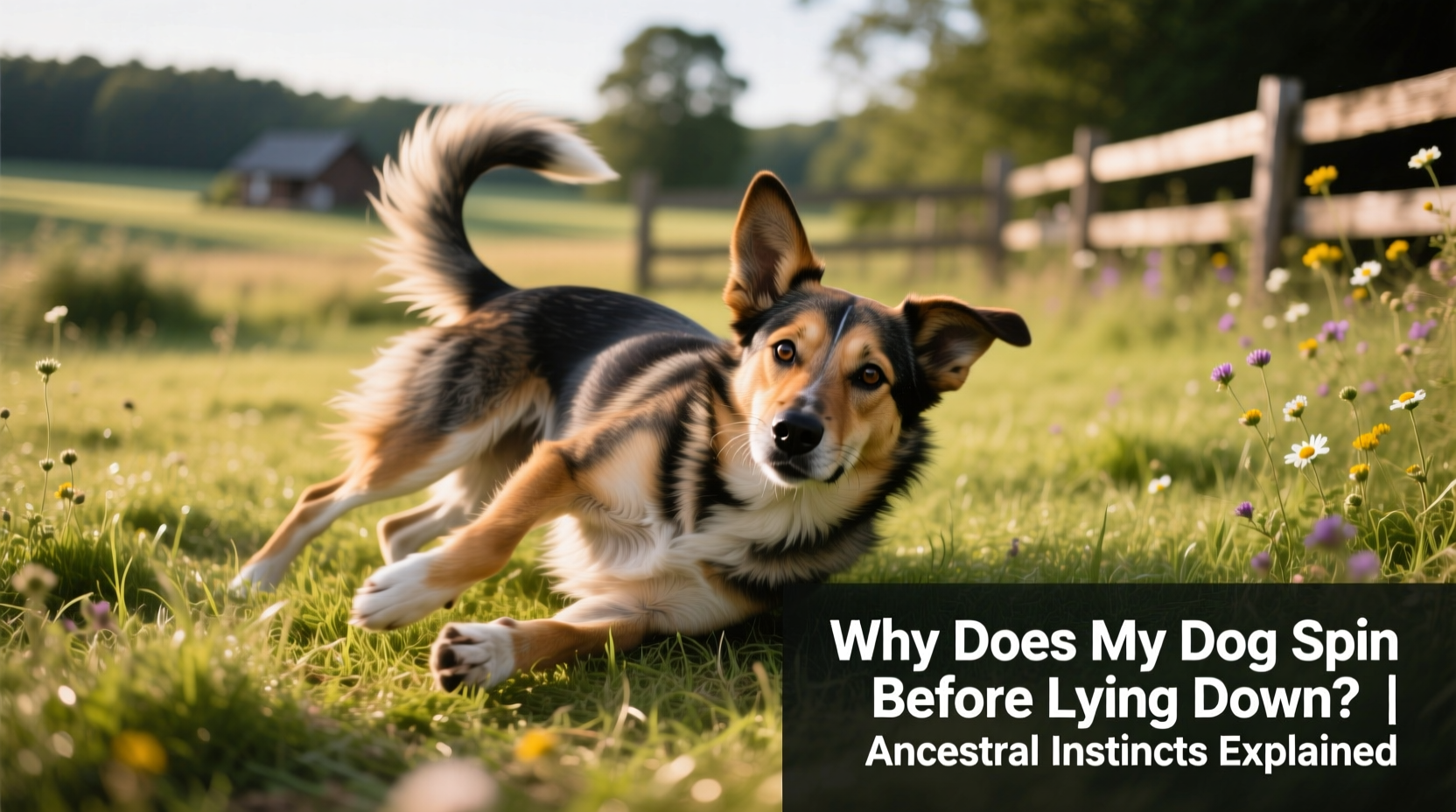
In the wild, dogs’ ancestors—wolves and early proto-dogs—had to survive in unpredictable environments with limited shelter. Open plains, dense underbrush, and rocky terrain offered little protection. To create a safe resting spot, animals developed rituals to prepare their sleeping area. Circling was one such strategy.
By walking in tight loops before lying down, wild canines could flatten tall grass, dislodge hidden pests like snakes or insects, and detect sharp objects or uneven ground. This physical preparation minimized exposure to threats and increased comfort. Over generations, this behavior became instinctual—hardwired into the canine nervous system regardless of modern domestication.
Dr. Karen Overall, a renowned veterinary behaviorist, explains:
“Circling is not just habit—it’s a deeply embedded sequence of actions designed for environmental assessment. Even in a plush home, the dog’s brain still runs the ancient program.” — Dr. Karen Overall, Diplomate ACVB
This ingrained pattern persists because natural selection favored individuals who took precautions before resting. A dog that failed to scan its surroundings might fall victim to predators or injury during vulnerable moments like sleep. Thus, the circling behavior was preserved through evolutionary advantage.
Purposes of Circling: More Than Just Tradition
While ancestral roots explain the origin, modern dogs perform this ritual for multiple overlapping reasons. These include physical preparation, scent marking, temperature regulation, and psychological reassurance.
Flattening the Ground
Even on soft carpets or dog beds, dogs may circle to “nest” their space. In the wild, flattening grass created a level surface and improved visibility. Today, the gesture remains symbolic but still contributes to a sense of order and readiness.
Scent Marking and Territory Confirmation
Dogs have scent glands in their paws. As they walk in circles, they subtly deposit pheromones onto the ground, reinforcing ownership of the space. This olfactory signal communicates safety and familiarity—both to themselves and other animals. It’s a quiet way of saying, “This is mine. I am secure here.”
Checking for Threats
Circling allows a 360-degree visual sweep. Before committing to a prone position—which limits mobility and awareness—dogs instinctively scan for movement, shadows, or unfamiliar scents. This vigilance is especially noticeable in anxious or high-alert dogs.
Temperature Regulation
In colder climates, wild canids would trample snow or brush to reach warmer earth beneath. Conversely, in hot regions, they might expose cooler soil underneath. Though indoor dogs don’t face these extremes, the motion may persist as a thermoregulatory reflex—especially if the dog feels too warm or cold.
When Circling Becomes a Concern
While occasional circling is normal, repetitive, frantic, or prolonged spinning can indicate underlying issues. Distinguishing between instinctive behavior and potential health problems is essential for responsible pet care.
Obsessive-Compulsive Behavior
Like humans, dogs can develop compulsive disorders. If your dog circles more than five times before lying down, appears distressed, or continues after settling, it may be a sign of anxiety or OCD. Triggers include stress, lack of stimulation, or changes in routine.
Neurological or Physical Conditions
Frequent or uncontrolled spinning—especially when not tied to resting—can point to vestibular disease, inner ear infections, or neurological disorders such as seizures or cognitive dysfunction (common in senior dogs). Other red flags include head tilting, loss of balance, or disorientation.
Pain or Discomfort
Dogs with arthritis or joint pain may circle repeatedly trying to find a comfortable position. Watch for signs like reluctance to lie down, limping, or vocalizing during movement.
“Any change in routine behaviors should prompt a veterinary evaluation. What looks like instinct might be discomfort.” — Dr. John Ciribassi, Past President of the American College of Veterinary Behaviorists
Environmental and Behavioral Influences
A dog’s surroundings significantly influence how often and how intensely they circle. Domestic settings vary widely in sensory input, which affects instinctual expression.
| Environment Type | Circling Frequency | Reason |
|---|---|---|
| Indoor, Quiet Home | Low (1–2 circles) | Familiar space reduces threat perception |
| Outdoor, Unfamiliar Yard | High (3–5+ circles) | Increased vigilance due to new stimuli |
| Multidog Household | Moderate to High | Competition for space; scent dominance |
| Noisy or Chaotic Setting | Variable, often erratic | Stress-induced repetition or abandonment of ritual |
Interestingly, some dogs skip circling altogether in highly trusted environments. This suggests the behavior is context-dependent and modulated by perceived safety. The absence of circling isn’t abnormal—it may simply reflect confidence and relaxation.
Real Example: Luna the Rescue Beagle
Luna, a three-year-old beagle adopted from a rural shelter, initially spun seven to eight times before lying down—even on her memory foam bed. Her new owner, Sarah, noticed the behavior decreased over six months. After consulting a trainer, she realized Luna had lived outdoors with minimal bedding, where thorough ground-checking was necessary for survival. As Luna grew more secure indoors, her circling reduced to two slow turns. This case illustrates how environment shapes instinctual expression and how trust can modify hardwired routines.
Supporting Your Dog’s Natural Instincts
Instead of discouraging circling, consider supporting it as part of your dog’s emotional and physical well-being. Respecting natural behaviors fosters mental stability and reduces stress.
Step-by-Step Guide: Creating a Canine-Friendly Resting Zone
- Choose a quiet location away from foot traffic and loud appliances.
- Provide textured flooring—a rug or mat gives tactile feedback that satisfies nesting instincts.
- Allow space for movement—ensure the bed or designated area is large enough for turning.
- Use familiar scents—place an article of your clothing nearby to reinforce security.
- Maintain consistency—keep the resting spot in the same place to build predictability.
Checklist: Signs Your Dog’s Circling Is Normal
- Occurs only before lying down
- Lasts 1–3 rotations
- Dog appears relaxed during and after
- No vocalizations or signs of pain
- Consistent across different locations
If most items apply, the behavior is likely instinctive and healthy. If not, further observation or veterinary consultation is warranted.
FAQ: Common Questions About Circling Behavior
Is circling before lying down a sign of dementia in older dogs?
Occasional circling is normal at any age. However, if an older dog begins circling aimlessly, gets stuck in corners, or shows confusion, it could indicate canine cognitive dysfunction (CCD). Other symptoms include nighttime pacing, forgetting commands, or house soiling. Consult your vet for evaluation.
Do all dog breeds circle before lying down?
Most do, but the intensity varies. Breeds with strong working or herding backgrounds—like Border Collies or German Shepherds—often display more pronounced circling due to heightened environmental awareness. Brachycephalic breeds (e.g., Bulldogs) may skip it due to physical limitations or selective breeding for docility.
Can I train my dog to stop circling?
You can redirect or minimize the behavior, but suppressing natural instincts isn’t recommended. Instead, provide an environment where the dog feels safe enough to reduce unnecessary repetitions. Forcing stillness may increase anxiety.
Conclusion: Honoring the Legacy of Instinct
The simple act of spinning before lying down connects your dog to a lineage stretching back to the earliest canids. It’s a silent testament to survival, adaptation, and the enduring power of instinct. Rather than viewing it as odd or inefficient, recognize it as a meaningful ritual—one that helps your dog feel safe, grounded, and in control.
By understanding the ancestral roots of this behavior, you deepen your bond with your pet and become a more empathetic caregiver. Observe without judgment, support without interference, and appreciate the subtle ways evolution continues to shape everyday life.




 浙公网安备
33010002000092号
浙公网安备
33010002000092号 浙B2-20120091-4
Comments
No comments yet. Why don't you start the discussion?