
Dogs often perform small rituals before settling down—sniffing the ground, scratching at their bed, or spinning in tight circles. While these behaviors may seem quirky or even comical, they are deeply rooted in both biology and evolution. The act of circling before lying down is one of the most widespread canine habits, observed across breeds and ages. But what drives this behavior? Is it purely instinctual, or could there be underlying medical or psychological causes? Understanding why dogs spin helps owners distinguish between normal conduct and potential warning signs.
The Evolutionary Roots of Circling Behavior
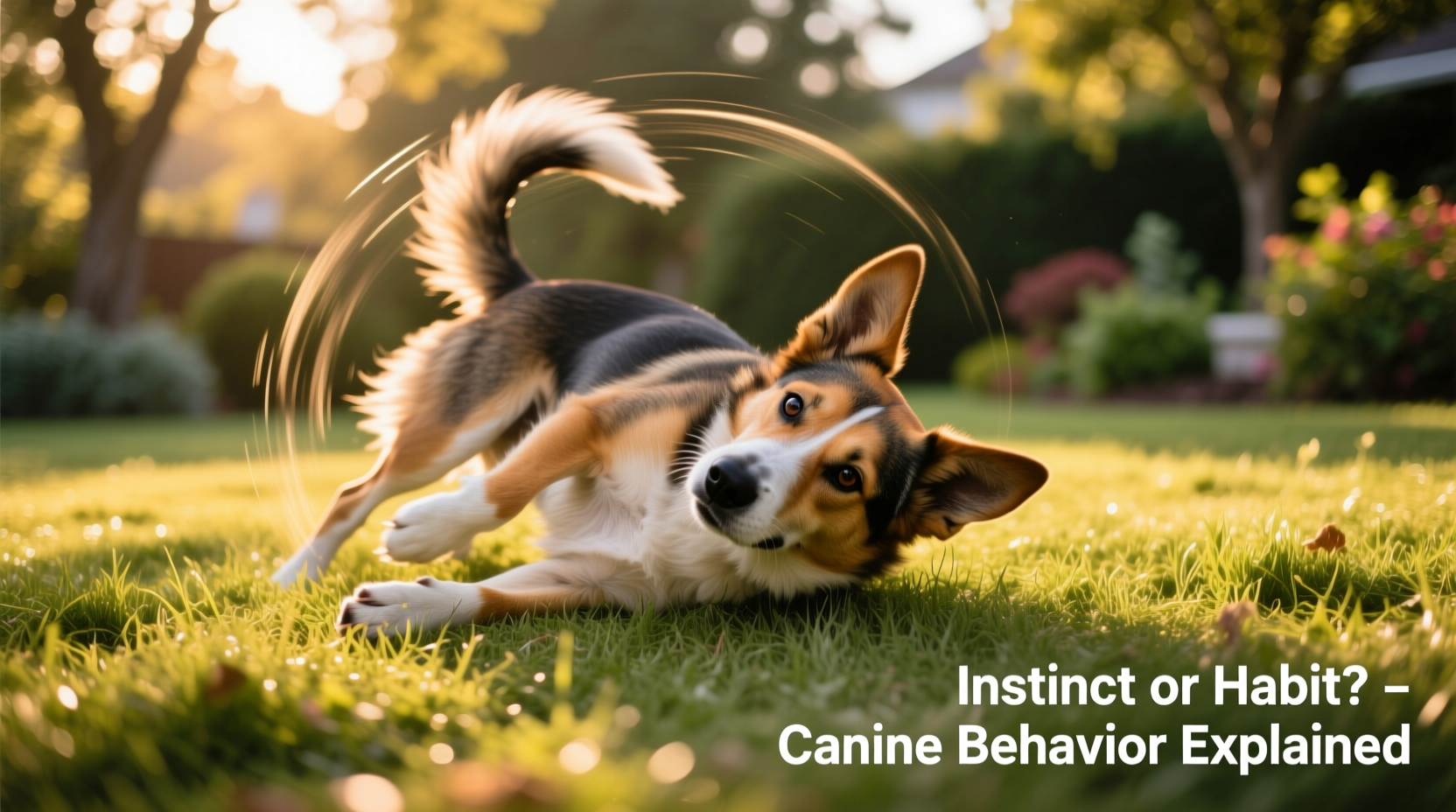
In the wild, dogs’ ancestors—wolves and other canids—needed to prepare their resting spots for safety and comfort. Open fields, grassy clearings, and forest floors were far from perfect sleeping environments. By spinning in a circle, animals could flatten tall grass, dislodge insects, and check for hidden threats like snakes or sharp objects. This circular motion served as a way to create a secure, level nest—a behavior known as \"denning.\"
Even though domesticated dogs now sleep on plush orthopedic beds or soft carpets, the instinct remains hardwired. Centuries of selective breeding haven’t erased this ancestral routine. Modern dogs still engage in preparatory movements that mimic wild den preparation, even when no physical effort is needed.
“Circling before lying down is an inherited survival mechanism. It’s not just about comfort—it was once essential for detecting danger.” — Dr. Lena Torres, Canine Ethologist
This ingrained ritual also helps regulate body position. A quick turn allows the dog to assess wind direction, which historically helped avoid detection by predators or improve scent tracking upon waking. Today, the movement persists as a vestigial behavior—automatic and unconscious, much like humans tucking themselves under blankets before sleep.
Physiological and Behavioral Functions of Spinning
Beyond evolutionary history, circling serves several practical purposes in a dog’s daily life:
- Temperature Regulation: In cooler climates, dogs may circle to trample down snow or grass, creating insulation. Conversely, in hot weather, they might adjust their orientation to catch a breeze or avoid direct sunlight.
- Scent Marking: Dogs have sweat glands in their paws that release pheromones. Each time they step during a spin, they subtly mark the area, reinforcing territorial ownership and signaling safety to themselves.
- Muscle Stretching: The rotational movement stretches hip and back muscles, preparing the body for rest—similar to how humans stretch before bed.
- Position Optimization: Some dogs require a precise alignment relative to room layout, doorways, or family members. Circling helps them achieve their preferred sleeping posture.
When Circling Becomes a Concern: Medical and Neurological Causes
While occasional spinning is typical, excessive or obsessive circling can signal health issues. Unlike instinctive circling—which usually involves one to three rotations—abnormal patterns involve repeated turns, pacing, inability to lie down, or circling in confined spaces like corners.
Potential Medical Triggers
Several conditions can cause compulsive circling, including:
- Vestibular Disease: A disorder affecting balance, often seen in older dogs. Symptoms include head tilt, loss of coordination, nausea, and continuous circling in one direction.
- Neurological Disorders: Brain tumors, epilepsy, or inflammation (encephalitis) may disrupt spatial awareness, leading to repetitive movements.
- Pain or Discomfort: Arthritis, spinal injuries, or gastrointestinal pain can make dogs restless. They may attempt to find a comfortable position but fail, resulting in repeated attempts.
- Cognitive Dysfunction Syndrome (CDS): Similar to dementia in humans, CDS affects senior dogs and can manifest as confusion, nighttime wandering, and aimless circling.
- Inner Ear Infections: These impair balance and can cause dogs to walk or spin in circles, often accompanied by head shaking or ear discharge.
| Behavior Type | Normal Circling | Abnormal Circling |
|---|---|---|
| Frequency | 1–3 rotations before lying down | Repeated, prolonged, or constant |
| Direction | Variable or consistent per session | Persistent turning in one direction |
| Followed by Rest? | Yes, settles quickly | No, continues pacing or appears distressed |
| Associated Symptoms | None | Head tilt, vomiting, lethargy, disorientation |
| Age Group Common In | All ages | Senior dogs, injured, or ill animals |
Psychological Factors
Anxiety and stress can also lead to repetitive behaviors. Dogs with separation anxiety, noise phobias, or changes in routine may develop compulsions such as circling, tail-chasing, or shadow-staring. These actions release endorphins, providing temporary relief from mental distress. Without intervention, such habits can become ingrained.
Mini Case Study: Max, the Senior Labrador
Max, a 10-year-old Labrador Retriever, began spinning multiple times in tight loops before lying down. His owner initially dismissed it as a quirk, but over weeks, the behavior escalated—he circled up to ten times, sometimes failing to settle at all. He also developed a slight head tilt and seemed unsteady on stairs.
A veterinary exam revealed early-stage vestibular disease, likely idiopathic (of unknown origin), common in older dogs. After supportive care—including anti-nausea medication and restricted activity—Max’s circling decreased significantly within two weeks. His case highlights how subtle changes in routine behaviors can be early indicators of neurological imbalance.
Step-by-Step Guide: Assessing Your Dog’s Circling Behavior
If you're concerned about your dog's spinning, follow this structured approach to determine whether it's normal or warrants professional attention:
- Observe Frequency and Pattern: Count how many times your dog spins before lying down. Note if it’s always in the same direction or varies.
- Check for Settling: Does the dog lie down calmly after spinning, or continue pacing?
- Monitor for Additional Symptoms: Look for signs like head tilting, stumbling, drooling, vocalizing, or changes in appetite.
- Review Recent Changes: Consider environmental shifts—new furniture, loud noises, new pets, or household stressors—that might trigger anxiety.
- Inspect Physical Comfort: Examine joints for stiffness, especially in older dogs. Test bedding firmness and temperature.
- Consult a Veterinarian: If circling increases, becomes one-directional, or is paired with other symptoms, schedule a vet visit. Blood work, neurological exams, or imaging may be recommended.
How to Support Healthy Pre-Sleep Routines
Encouraging natural behaviors while minimizing stress supports overall well-being. Here are actionable ways to help your dog feel safe and comfortable:
- Choose the Right Bed: Orthopedic memory foam beds support aging joints and reduce discomfort that might delay settling.
- Maintain a Routine: Feed, walk, and settle your dog at consistent times each day. Predictability reduces anxiety.
- Add Calming Elements: Use pheromone diffusers (like Adaptil) or calming music designed for dogs to ease tension.
- Limit Evening Stimulation: Avoid high-energy play before bedtime. Instead, opt for gentle brushing or quiet bonding.
- Ensure Adequate Exercise: A physically tired dog is more likely to rest comfortably without restless behavior.
Frequently Asked Questions
Is it normal for puppies to spin before lying down?
Yes. Puppies as young as eight weeks old exhibit circling behavior. It’s part of their natural development and indicates healthy instinctual patterns. As long as the puppy settles afterward and shows no signs of distress, it’s nothing to worry about.
Can anxiety cause my dog to spin excessively?
Absolutely. Dogs under stress—due to thunderstorms, fireworks, or changes in environment—may develop repetitive behaviors like circling. These actions serve as self-soothing mechanisms. Addressing the root cause of anxiety through training, environmental adjustments, or veterinary guidance is key.
Should I stop my dog from spinning?
No. Interrupting this natural ritual can increase frustration or anxiety. Allow your dog to complete their routine unless it becomes obsessive or harmful. If so, consult a veterinarian or certified animal behaviorist.
Checklist: When to Seek Veterinary Help
Use this checklist to evaluate whether your dog’s circling requires professional evaluation:
- ✅ Circles more than five times consistently
- ✅ Only turns in one direction
- ✅ Cannot lie down after spinning
- ✅ Shows signs of dizziness or imbalance
- ✅ Exhibits sudden onset of behavior (especially in older dogs)
- ✅ Has concurrent symptoms like vomiting, lethargy, or head tilt
- ✅ Previously didn’t circle and now does so frequently
If three or more apply, contact your veterinarian promptly.
Conclusion: Balancing Instinct with Awareness
Dog owners often marvel at the little quirks their pets display—circling before lying down being one of the most universal. Rooted in survival instincts, this behavior reflects centuries of adaptation and remains a testament to the enduring legacy of the canine lineage. However, as attentive caregivers, it’s crucial to recognize when a normal habit crosses into problematic territory.
By understanding the difference between instinct and indication, you empower yourself to support your dog’s physical and emotional health. Most spinning is harmless, even endearing. But when patterns shift, persistence grows, or new symptoms emerge, timely action can make all the difference.




 浙公网安备
33010002000092号
浙公网安备
33010002000092号 浙B2-20120091-4
Comments
No comments yet. Why don't you start the discussion?