
Dogs are complex creatures, and their behaviors often leave owners puzzled—especially when those behaviors occur during private moments like defecation. If you've ever caught your dog locking eyes with you mid-poop, you're not alone. This seemingly odd habit raises questions: Is your dog feeling shame? Are they embarrassed? Or is something deeper at play? The truth lies not in guilt, but in instinct, vulnerability, and the unique social bond between dogs and humans.
Understanding this behavior requires looking beyond human emotions and into canine psychology. Dogs don’t experience shame the way we do. Instead, their actions are rooted in survival, communication, and trust. Let’s explore why your dog stares at you while pooping, what it reveals about your relationship, and how to respond appropriately.
The Vulnerability Behind the Stare
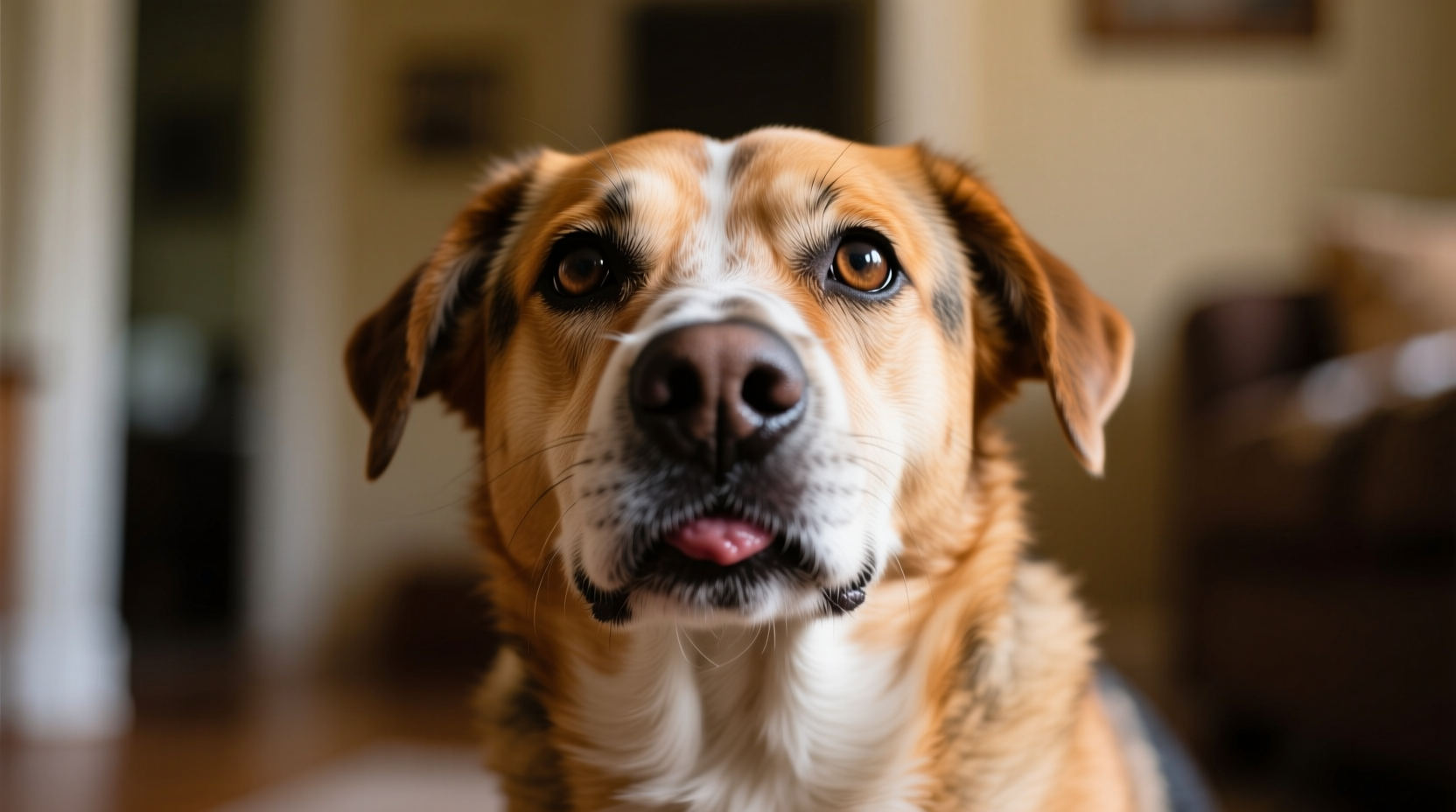
Defecating is one of the most vulnerable acts for any animal. In the wild, being caught off guard during elimination could mean becoming prey. Even domesticated dogs retain this primal awareness. When your dog squats, their body is momentarily less agile, their focus shifts downward, and their senses are partially distracted. This physical state makes them feel exposed.
In such moments, eye contact becomes a lifeline. By staring at you, your dog is checking in—assessing whether you’re alert, present, and ready to protect them if needed. It’s not about shame; it’s about security. They’re silently asking, “Are we safe?” Your presence reassures them that the environment is secure, allowing them to finish without anxiety.
Instinct vs. Emotion: Debunking the Shame Myth
One of the most common misconceptions is that dogs feel shame or embarrassment during bodily functions. However, scientific research suggests otherwise. According to Dr. Alexandra Horowitz, a cognitive scientist and author of Inside of a Dog, dogs lack the complex self-awareness required for feelings like shame. What appears to be guilt—such as lowered ears or avoiding eye contact—is usually a reaction to your tone or body language, not an internal moral judgment.
“Dogs respond to cues from their humans, not to abstract emotions like shame. Their ‘guilty look’ is learned submission, not remorse.” — Dr. Alexandra Horowitz, Canine Cognition Researcher
When your dog stares at you while pooping, they aren’t thinking, “I hope you don’t judge me.” Instead, they’re monitoring your response because their survival instincts tell them to stay aware of their social group—even during routine acts. This gaze is a form of communication, not confession.
The Social Bond: Why Eye Contact Matters
Dogs are pack animals by nature. In a wild pack, subordinates often avoid direct eye contact with dominant members to show deference. But domestic dogs have evolved a different relationship with humans—one built on mutual attention and emotional connection. Studies show that when dogs and humans exchange prolonged eye contact, both experience a surge in oxytocin, the so-called “love hormone.” This biochemical response strengthens bonding, similar to what occurs between a parent and infant.
So when your dog looks at you while eliminating, they may be reinforcing that bond. They’re including you in a moment of vulnerability, which, in dog terms, is a profound act of trust. It’s akin to saying, “I know this is a weak moment, but I trust you enough to keep watch.” This behavior is especially common in dogs with strong attachments to their owners.
Signs Your Dog Trusts You During Elimination
- Maintains relaxed posture while staring
- Doesn’t rush or seem anxious
- Looks back at you repeatedly, not just once
- Wags tail slightly after finishing
Environmental Awareness and Communication
Your dog’s stare may also serve a practical purpose: gathering information about the environment. Dogs rely heavily on their humans to interpret social cues. By glancing at you, they might be checking whether it’s safe to continue, if there’s danger nearby, or if it’s time to move on.
For example, if you suddenly make a noise or shift position, your dog may pause and refocus on you to assess the situation. This responsiveness highlights their dependence on you as part of their social unit. In urban environments or busy parks, this vigilance is even more pronounced, as distractions and potential threats are greater.
Real Example: Max, the Apartment-Dwelling Terrier
Max, a 4-year-old Jack Russell Terrier, lives in a high-rise apartment with his owner, Sarah. Every morning, she takes him to a small courtyard for potty breaks. Max always positions himself facing her and stares intently while going. At first, Sarah thought he was being defiant or seeking attention. After consulting a trainer, she realized Max felt safest with her in direct view. The courtyard has glass walls and echoing sounds, making him feel exposed. Now, Sarah stands still and calm during these moments, offering quiet reassurance. Over time, Max’s pooping sessions became quicker and more relaxed—proof that environmental comfort plays a key role.
Do’s and Don’ts: How to Respond to the Poop Stare
How you react to your dog’s gaze can influence their confidence and comfort. While the behavior itself is normal, your response shapes their long-term habits. Use the table below to guide your actions.
| Do’s | Don’ts |
|---|---|
| Maintain a calm, neutral presence | Avoid sudden movements or loud noises |
| Stand quietly within sight | Don’t stare back intensely (can feel threatening) |
| Offer soft verbal reassurance if needed (“Good boy,” softly) | Don’t punish or rush them |
| Respect their space—don’t hover too closely | Don’t use the moment to correct behavior |
| Wait patiently until they’re done before continuing the walk | Don’t turn away abruptly or ignore them completely |
When the Stare Might Signal a Problem
While staring during elimination is typically normal, certain patterns may indicate underlying issues. Watch for signs that suggest discomfort, anxiety, or medical concerns:
- Prolonged straining with little output—could indicate constipation or blockage.
- Whining or pacing before or during defecation—possible pain or urinary issues.
- Avoiding eye contact and appearing fearful—may signal trauma or past punishment related to bathroom habits.
- Sudden change in behavior—if a dog who never stared starts doing so intensely, it could reflect new anxiety.
If your dog shows any of these red flags, consult a veterinarian. Medical conditions like gastrointestinal distress, anal gland issues, or spinal pain can affect elimination posture and comfort.
Checklist: Assessing Your Dog’s Pooping Behavior
- Observe your dog’s body language during elimination—relaxed or tense?
- Note how often they look at you—occasional glances vs. unbroken stare.
- Check for physical signs of discomfort: hunched back, whining, difficulty squatting.
- Reflect on past training methods—were they ever scolded for accidents?
- Consider environmental factors: noisy area, unfamiliar people, other animals nearby.
- Monitor frequency and consistency of bowel movements.
- Consult a vet if behavior changes suddenly or is accompanied by health symptoms.
Frequently Asked Questions
Is it normal for my dog to stare at me every time they poop?
Yes, it’s completely normal, especially for dogs with strong bonds to their owners. As long as the dog appears relaxed and there are no signs of distress, the behavior is a healthy expression of trust and environmental awareness.
Could my dog be trying to communicate something specific?
Not in words, but yes—they’re communicating nonverbally. The stare likely means, “I’m vulnerable right now—please confirm we’re safe.” It’s a request for reassurance, not a demand for attention.
Should I look away or maintain eye contact?
It’s best to avoid intense, direct eye contact, which can be perceived as confrontational in dog language. Instead, keep your gaze soft and glance away occasionally. Stand calmly nearby, showing attentiveness without pressure.
Conclusion: Embracing the Moment With Understanding
Your dog’s stare during pooping isn’t a cry for judgment or a sign of shame—it’s a quiet testament to the deep, instinctual bond you share. In a world where vulnerability can be dangerous, your presence offers safety. That lingering gaze is your dog’s way of saying, “You’re my pack. I trust you with this moment.”
Instead of dismissing it as odd or amusing, recognize it as a meaningful interaction rooted in biology, emotion, and evolution. By responding with patience and calm awareness, you reinforce their confidence and strengthen your connection.




 浙公网安备
33010002000092号
浙公网安备
33010002000092号 浙B2-20120091-4
Comments
No comments yet. Why don't you start the discussion?