
Dogs are deeply expressive animals, often communicating through subtle body language rather than vocalizations. One of the more puzzling behaviors many pet owners report is their dog’s tendency to lock eyes with them during vulnerable moments—especially while defecating. At first glance, it might seem odd or even comical. But behind that steady gaze lies a complex interplay of instinct, trust, and social dynamics. Understanding why your dog stares at you while pooping offers insight into their emotional world and strengthens the human-canine bond.
The Vulnerability Factor: A Moment of Exposure
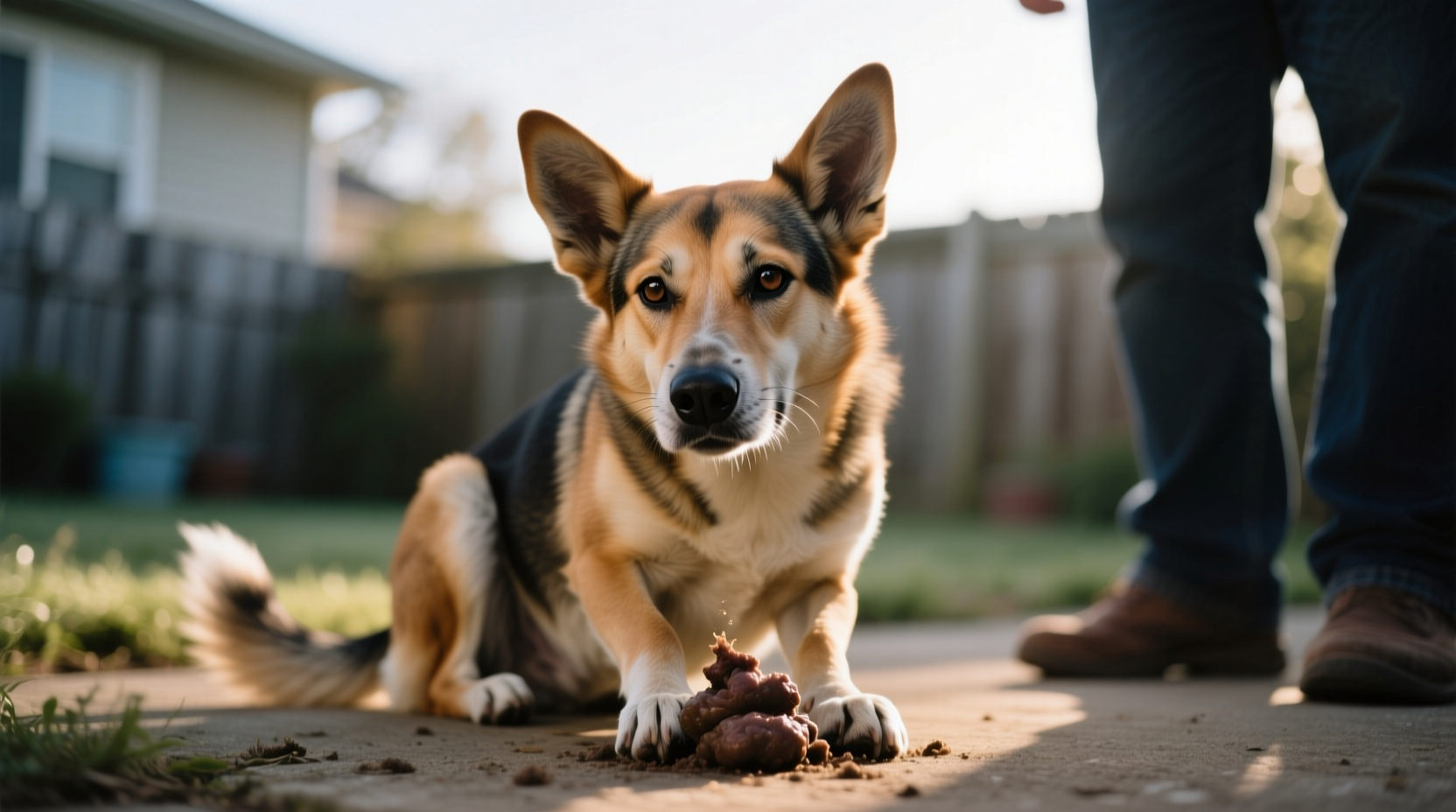
Defecation is one of the most physically vulnerable acts for any animal. In the wild, predators often target prey during such moments when they’re focused on bodily functions and less alert. Even domesticated dogs carry ancestral instincts from their wolf ancestors, who would carefully choose defecation sites away from their dens to avoid attracting predators or contaminating their living space.
When your dog squats in the middle of the backyard—or worse, on a walk in an open park—they are acutely aware of their exposure. That’s where you come in. By staring at you, your dog may be silently asking: “Are you watching my back?” This behavior is not about seeking approval; it’s about assessing safety. The eye contact serves as a silent signal: “I’m relying on you to keep me safe right now.”
Social Bonding and Trust: The Power of Eye Contact
In human-dog relationships, mutual gaze plays a crucial role in bonding. Studies have shown that when dogs and owners look into each other’s eyes, both experience a surge in oxytocin—the so-called “love hormone” associated with attachment and affection. This neurochemical exchange mirrors the bond between parents and infants, reinforcing emotional connection.
When your dog stares at you while pooping, they aren’t just checking for danger—they may also be reaffirming their emotional connection with you. In that moment of physical vulnerability, locking eyes becomes an intimate act of trust. It’s as if they’re saying, “I feel safe enough with you to let my guard down completely.”
This kind of behavior is especially common in dogs with strong attachments to their owners. Rescue dogs, for example, who have learned to rely heavily on their humans for stability, may exhibit prolonged eye contact during elimination as part of their ongoing reassurance-seeking behavior.
“Eye contact during vulnerable moments like elimination is a profound indicator of trust. It shows the dog views the owner not just as a provider of food, but as a protector and emotional anchor.” — Dr. Karen Becker, Integrative Veterinarian and Canine Behavior Specialist
Instinctual Pack Dynamics: You’re the Leader
Dogs are pack animals by nature, and even in modern households, they still operate under hierarchical social structures. While the concept of “alpha dominance” has been largely debunked in favor of cooperative leadership models, dogs still look to their human companions for guidance and environmental assessment.
During elimination, your dog may be scanning your facial expressions and posture to gather information. Are you relaxed? Tense? Looking around? Your nonverbal cues help them determine whether the environment is safe. If you appear calm and vigilant, they interpret that as confirmation that there’s no threat. Conversely, if you seem anxious or distracted, they may become uneasy and cut the process short.
This dynamic underscores the dog’s reliance on you as the decision-maker—a role they’ve assigned you within their internal pack structure. Their stare isn’t passive; it’s an active request for situational awareness.
How Dogs Use Human Cues During Elimination
| Dog’s Action | What They’re Assessing | Typical Human Signal That Reassures |
|---|---|---|
| Maintains eye contact while squatting | Is the area secure? | Calm posture, slow breathing, scanning surroundings |
| Looks back repeatedly | Am I being monitored? | Soft eye contact, verbal reassurance (“You’re okay”) |
| Refuses to go despite urgency | Do I have permission? | Staying nearby, not pulling leash abruptly |
| Finishes quickly and turns to you | Next steps? | Natural movement forward, positive tone |
Environmental Awareness and Training Influence
A dog’s environment significantly influences their elimination behavior. Dogs trained to relieve themselves on command or during scheduled walks often develop heightened attentiveness to their owner’s presence. They learn that successful elimination leads to praise, treats, or the continuation of a walk—all rewards tied directly to your response.
As a result, these dogs may stare intently during the act, anticipating your reaction. This isn’t manipulation—it’s learned association. Over time, the sequence becomes ingrained: squat → eye contact → owner acknowledgment → reward (movement, treat, affection). The stare becomes part of the ritual.
Conversely, dogs allowed to roam freely in secure yards may show less eye contact during elimination, as they don’t depend on human feedback in the same way. Their focus shifts outward, scanning for scents, sounds, or other animals.
When Staring Might Signal Anxiety
While most instances of staring during defecation are normal and rooted in trust, persistent, intense eye contact combined with other signs may indicate underlying anxiety. These signs include:
- Pacing before or after elimination
- Excessive panting or trembling
- Half-squatting then standing up repeatedly
- Looking to you constantly even in familiar, safe environments
If your dog appears unable to relax—even in their own yard—it may suggest separation-related stress or generalized anxiety. Some dogs develop hyperattachment, where they struggle to perform basic functions without direct human supervision. In such cases, behavioral intervention may be necessary.
Mini Case Study: Max, the Overwatched Terrier
Max, a 3-year-old Jack Russell Terrier, was adopted at 8 months old after spending several weeks in a high-traffic shelter. His new owner, Sarah, noticed that during walks, Max would begin to squat, then immediately stop and stare at her until she said, “It’s okay, go ahead.” Without verbal permission, he wouldn’t finish.
A veterinary behaviorist explained that Max had likely learned to associate human attention with safety. In the chaotic shelter environment, moments of solitude were unpredictable and sometimes frightening. Now, in his new home, he sought constant reassurance—even during elimination.
Through gradual desensitization and structured routines—such as standing a few feet away while remaining visibly present—Max slowly gained confidence. Within six weeks, he began eliminating without needing verbal cues, though he still glanced back briefly, a habit born of past caution rather than current fear.
Practical Checklist: Supporting Your Dog During Elimination
To foster confidence and reduce stress, follow these actionable steps:
- Stay Calm and Present: Avoid checking your phone or appearing distracted when your dog is relieving themselves.
- Maintain a Predictable Routine: Dogs thrive on consistency in timing and location for bathroom breaks.
- Use Quiet Reassurance: A soft-spoken “you’re doing great” after they finish can reinforce comfort without interruption.
- Respect Their Space: Don’t hover too closely or make sudden movements that could startle them.
- Observe Body Language: If your dog avoids going despite urgency, consider environmental stressors like noise, other animals, or unfamiliar people.
- Consult a Professional: If your dog shows signs of chronic anxiety during elimination, seek advice from a certified canine behaviorist.
Frequently Asked Questions
Is it normal for my dog to stare at me while pooping?
Yes, it’s completely normal. Most dogs do this as a way of seeking reassurance, confirming safety, or reinforcing their bond with you. As long as the behavior isn’t accompanied by distress or avoidance, it’s a sign of trust.
Should I look back at my dog when they’re pooping?
Soft, non-threatening eye contact can be reassuring. However, intense staring from you might be interpreted as pressure. Instead, maintain a relaxed posture and occasional glances to signal attentiveness without creating tension.
My dog won’t poop unless I’m watching. Is that a problem?
It depends. If they’re able to eliminate comfortably and without distress, it’s likely just a learned behavior. However, if they refuse to go unless you’re directly observing—even in private, safe spaces—it could reflect dependency or anxiety. Gradual training adjustments can help build independence.
Understanding Builds Connection
The next time your dog locks eyes with you mid-squat, resist the urge to laugh or look away. That gaze is more than a quirk—it’s a window into their emotional state. It reflects millions of years of evolution, decades of domestication, and the deep, wordless bond you’ve built together. In that fleeting moment, your dog is not just eliminating waste; they’re entrusting you with their vulnerability.
By recognizing the psychology behind the stare—whether rooted in survival instinct, social bonding, or learned behavior—you deepen your understanding of your dog’s inner world. And with that understanding comes the power to respond with empathy, patience, and care.




 浙公网安备
33010002000092号
浙公网安备
33010002000092号 浙B2-20120091-4
Comments
No comments yet. Why don't you start the discussion?