
Dogs are expressive, intelligent animals whose behaviors often reflect their physical and emotional states. While occasional odd actions—like chasing their tail or tilting their head at sounds—are normal, persistent staring at walls can raise concern among pet owners. Unlike playful quirks, this behavior may point to underlying medical or neurological conditions. Understanding why your dog stares at the wall is crucial for early detection of potential health problems and ensuring your pet’s well-being.
While some instances may stem from boredom or environmental stimuli, others could indicate serious issues such as canine cognitive dysfunction, seizures, or sensory disturbances. This article explores the full spectrum of reasons behind wall-staring in dogs, highlights warning signs, and provides actionable steps for concerned owners.
Common Behavioral Reasons for Wall Staring
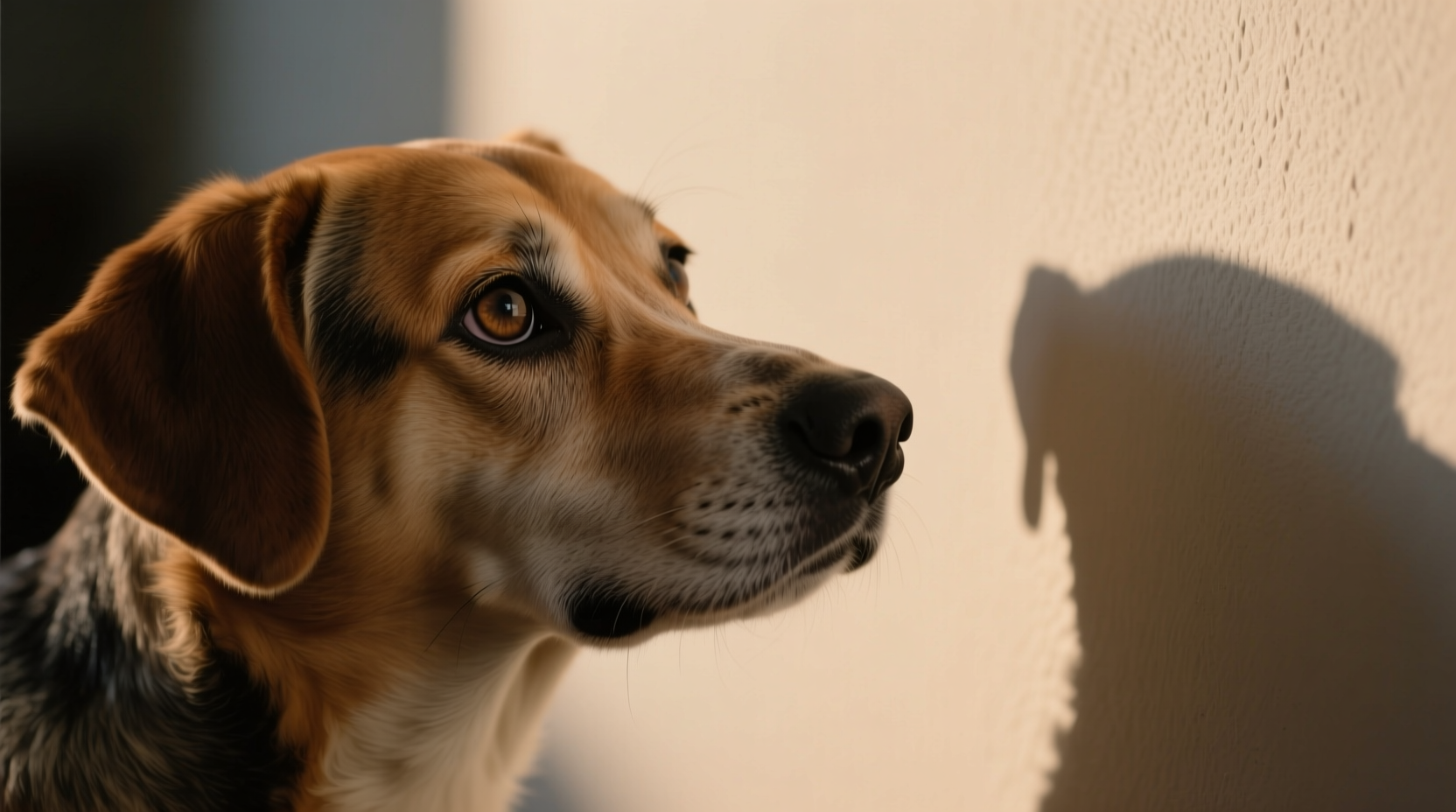
Not every instance of wall gazing indicates illness. Dogs may fixate on walls due to curiosity, boredom, or learned attention-seeking behavior. In homes with reflective surfaces, shadows, or small insects moving along baseboards, dogs might be reacting to visual stimuli invisible to humans. Some breeds, particularly those bred for high focus or alertness—such as Border Collies or German Shepherds—may exhibit intense concentration even when there's little to see.
- Boredom: Dogs left alone for long periods may develop repetitive behaviors, including staring at fixed points.
- Attention-seeking: If a dog learns that staring leads to interaction—even if scolded—it may repeat the action.
- Environmental triggers: Flickering lights, drafts causing curtain movement, or insect trails can capture a dog’s attention.
Medical Conditions Linked to Wall Staring
When behavioral explanations fall short, medical evaluation becomes essential. Prolonged or frequent episodes of unexplained wall staring should prompt a veterinary consultation. Several health issues are associated with this behavior, ranging from neurological disorders to vision problems.
Canine Cognitive Dysfunction (CCD)
Similar to Alzheimer’s disease in humans, CCD affects older dogs and disrupts memory, learning, and perception. Affected dogs may appear \"lost\" in familiar environments, walk into corners, or stare blankly at walls for minutes at a time. Other symptoms include disrupted sleep cycles, house soiling, and decreased responsiveness to commands.
“Older dogs who begin staring into space or seem disoriented may be showing early signs of cognitive decline. Early intervention can significantly improve quality of life.” — Dr. Laura Bennett, Veterinary Neurologist
Epilepsy and Seizure Activity
Focal (partial) seizures can manifest subtly, without dramatic convulsions. During these episodes, dogs may freeze, twitch facial muscles, drool excessively, or fixate on a single point—often a wall. These behaviors typically last seconds to minutes and may be followed by confusion or disorientation. Because they’re brief and intermittent, owners often miss them or mistake them for daydreaming.
Vision and Hearing Impairment
Dogs with deteriorating vision may press their face against walls or follow edges with their nose, attempting to navigate using tactile cues. Similarly, hearing loss can lead to increased reliance on visual input, resulting in prolonged observation of static areas where movement is expected.
Brain Tumors or Lesions
Though less common, structural brain abnormalities can cause abnormal behaviors, including compulsive staring. These are often accompanied by other neurological deficits such as circling, head tilt, weakness, or changes in appetite.
Recognizing Warning Signs: When to Seek Help
Occasional glances at the wall aren’t alarming. However, certain patterns suggest an urgent need for professional assessment. The key lies in frequency, duration, and accompanying symptoms.
| Normal Behavior | Potentially Concerning Behavior |
|---|---|
| Glances at wall briefly while tracking a shadow | Stares for several minutes without response to stimuli |
| Looks up when hearing a noise near the wall | Reacts to nothing visible—no sound, movement, or smell |
| Sniffs wall after detecting an odor | Repeats the same staring episode daily at similar times |
| Follows fly or spider with eyes | Appears “zoned out” during or after staring |
| Watches light reflections play across the wall | Shows additional symptoms: pacing, trembling, or disorientation |
Step-by-Step Guide: What to Do If Your Dog Stares at Walls
If you observe repeated or troubling wall-staring episodes, take systematic steps to evaluate and address the cause.
- Observe and Document: Record when the behavior occurs, how long it lasts, and whether anything triggers it. Use video if possible.
- Inspect the Environment: Check for drafts, insects, mold, or subtle movements (like wallpaper peeling) that might attract attention.
- Assess Overall Health: Look for other changes—appetite, energy level, bathroom habits, night waking, or confusion.
- Schedule a Veterinary Exam: Request a full physical, including neurological screening and blood work to rule out metabolic causes.
- Consider Advanced Diagnostics: If seizures or brain issues are suspected, your vet may recommend MRI, CT scan, or referral to a veterinary neurologist.
- Implement Environmental Enrichment: Regardless of diagnosis, mental stimulation through puzzle toys, scent games, and structured routines supports brain health.
Mini Case Study: Max, a 12-Year-Old Labrador Retriever
Max had always been a calm, affectionate dog. At age 11, his owner noticed he began standing motionless in the hallway, staring at the same corner for up to five minutes. Initially dismissed as aging, the episodes grew more frequent—sometimes occurring multiple times a day. Max also started forgetting basic commands and urinating indoors.
After a veterinary visit, blood tests ruled out kidney or liver disease. A neurological exam revealed mild disorientation, and Max was diagnosed with Canine Cognitive Dysfunction. His veterinarian prescribed selegiline, a medication that supports dopamine function and slows cognitive decline. Combined with a structured routine, nighttime lighting, and daily sniff walks, Max’s symptoms improved significantly within eight weeks. While he still has occasional blank stares, the frequency dropped by over 70%, and his overall quality of life increased.
This case illustrates how early recognition and intervention can make a meaningful difference—even when a chronic condition is involved.
Actionable Checklist for Dog Owners
Use this checklist to assess and respond appropriately to wall-staring behavior:
- ✅ Observe the behavior without interrupting—note duration and context
- ✅ Eliminate environmental causes (insects, shadows, odors)
- ✅ Check for other symptoms: confusion, pacing, tremors, appetite changes
- ✅ Record episodes via smartphone video
- ✅ Schedule a vet appointment if behavior persists beyond 2–3 occurrences
- ✅ Request blood panel and neurological evaluation
- ✅ Provide mental enrichment: food puzzles, training refreshers, scent games
- ✅ Monitor progress and update your vet regularly
FAQ: Common Questions About Wall Staring in Dogs
Is it normal for dogs to stare at walls occasionally?
Yes, brief moments of fixation—especially if linked to a sound, shadow, or smell—are usually harmless. However, prolonged, repetitive, or unresponsive staring warrants investigation.
Can stress or anxiety cause a dog to stare at walls?
Yes. Anxiety-related compulsive behaviors in dogs can include repetitive actions like tail-chasing, licking, or staring. Stressful environments, lack of routine, or past trauma may contribute. Addressing the root cause of anxiety often reduces these behaviors.
Do dogs with seizures always fall down or convulse?
No. Focal seizures may involve only subtle signs: facial twitching, drooling, freezing, or staring into space. Dogs remain conscious or partially aware and may resume normal activity afterward, unaware anything occurred. These “silent seizures” are easily missed without careful observation.
Prevention and Long-Term Management
While not all causes of wall staring are preventable, proactive care can reduce risks and support brain health throughout a dog’s life. Nutrition plays a vital role—diets rich in antioxidants, omega-3 fatty acids, and medium-chain triglycerides (MCTs) have been shown to support cognitive function. Supplements like SAMe, phosphatidylserine, and CBD oil (under veterinary guidance) may also benefit dogs with neurological concerns.
Mental exercise is just as important as physical activity. Daily training sessions, even simple ones like practicing “sit” or “stay,” keep the brain engaged. Scent-based games—such as hiding treats under cups—stimulate natural instincts and enhance neural connectivity.
For senior dogs, maintaining a predictable routine minimizes confusion. Nightlights in hallways and non-slip flooring help compensate for declining senses. Regular veterinary checkups—at least twice a year for dogs over seven—allow for early detection of age-related conditions.
Conclusion: Listen to Your Dog’s Silent Signals
Dogs communicate largely through body language, and unusual behaviors like wall staring are often their way of signaling discomfort, confusion, or illness. While not every episode is dangerous, dismissing it outright can delay critical treatment. By staying observant, documenting changes, and partnering with your veterinarian, you can uncover the root cause and take meaningful steps toward improving your dog’s health and happiness.




 浙公网安备
33010002000092号
浙公网安备
33010002000092号 浙B2-20120091-4
Comments
No comments yet. Why don't you start the discussion?