
Dog owners around the world have witnessed the unmistakable head tilt — that endearing moment when a dog cocks its head to the side, ears perked, eyes wide with curiosity. While many see it as simply adorable, the behavior is rooted in complex sensory processing, social learning, and communication strategies. Understanding why dogs tilt their heads offers deeper insight into how they perceive the world, interact with humans, and express cognitive engagement. This article explores the science behind the head tilt, its role in canine communication, and what it reveals about your dog’s mind.
The Anatomy Behind the Tilt
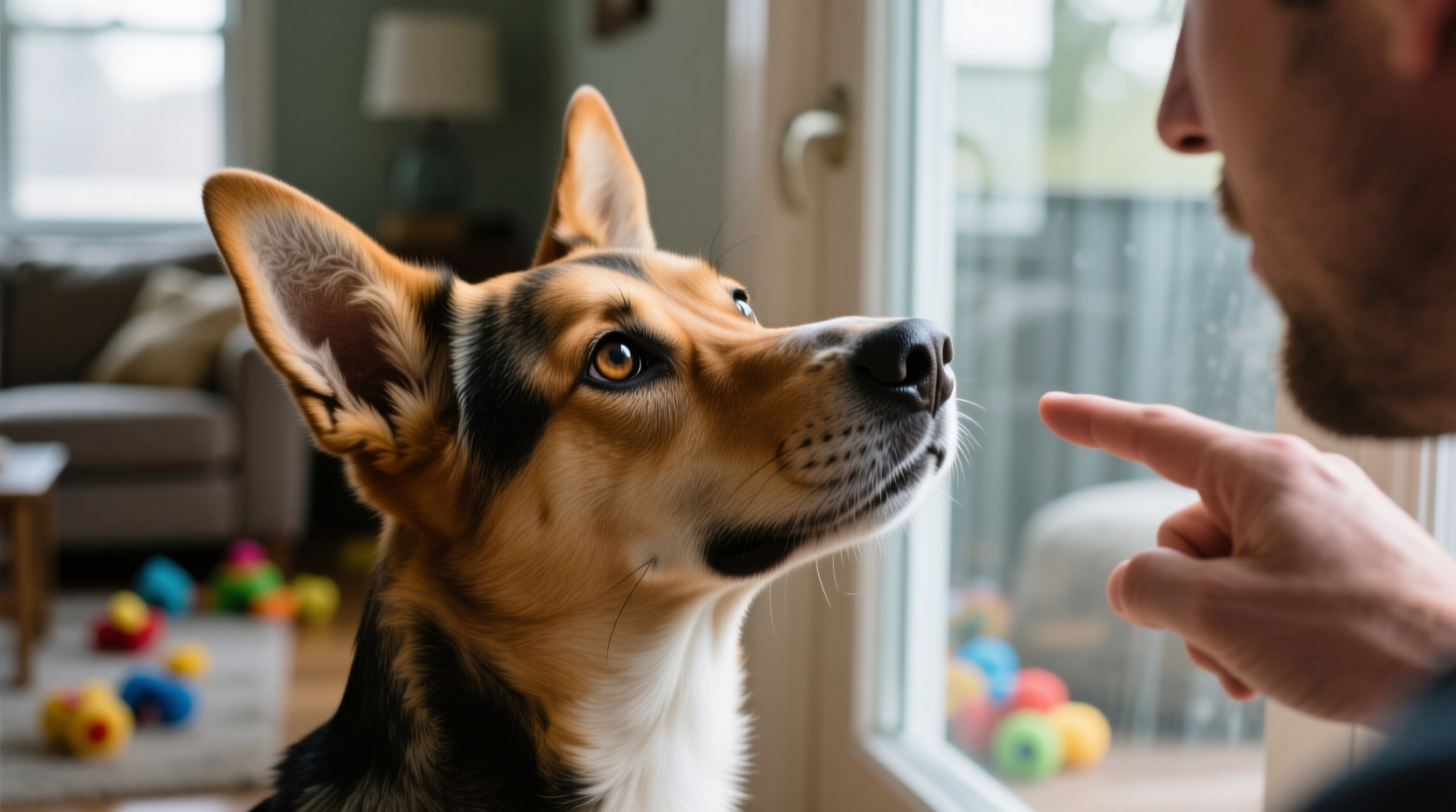
A dog’s ability to tilt its head is made possible by a flexible neck structure and highly responsive vestibular system, which governs balance and spatial orientation. But the movement isn’t merely mechanical; it serves functional purposes related to hearing, vision, and interpretation of human cues.
When a dog hears an unfamiliar or high-pitched sound, it may tilt its head to adjust the position of its ears, helping to pinpoint the source more accurately. Dogs rely heavily on auditory input, and slight adjustments in head angle can improve sound localization. This is especially true for breeds with long, floppy ears—like Basset Hounds or Cocker Spaniels—who may need to reposition their ears to allow sound waves to travel more freely into the ear canal.
Veterinary neurologists suggest that head tilting may also help dogs reconcile discrepancies between visual and auditory signals. For instance, if a dog sees a person moving their lips but doesn’t immediately recognize the word spoken, tilting the head might shift facial features into a better viewing angle, enhancing lip-reading capability. Yes—dogs can read lips, at least to some extent.
“Dogs are remarkably adept at cross-modal perception—they integrate what they hear with what they see. The head tilt appears to be a behavioral adaptation that supports this integration.” — Dr. Alexandra Horowitz, Cognitive Scientist and Canine Behavior Researcher, Barnard College
Communication and Social Bonding
Beyond sensory function, the head tilt plays a significant role in social communication between dogs and humans. It often occurs in response to human speech, particularly when tone or vocabulary changes. High-pitched voices, exaggerated intonation, or emotionally charged words frequently trigger the behavior.
This responsiveness suggests that dogs aren’t just reacting to sounds—they’re actively trying to interpret meaning. Studies from the Family Dog Project at Eötvös Loránd University in Hungary show that dogs process human language using both hemispheres of the brain, much like humans do. When exposed to familiar commands delivered in inconsistent tones, dogs exhibit increased head tilting, indicating cognitive conflict or heightened attention.
In essence, the head tilt functions as a nonverbal signal: *I’m listening. I’m trying to understand.* It’s part of a broader repertoire of communicative gestures—alongside tail wagging, ear positioning, and eye contact—that dogs use to engage with their human companions.
Is Head Tilting Learned Behavior?
Evidence suggests that some head tilting may be reinforced through positive feedback. Because the gesture is widely perceived as cute or intelligent, owners often respond with affection, treats, or verbal encouragement. Over time, dogs learn that tilting their head elicits favorable reactions, making it more likely they’ll repeat the action.
This creates a feedback loop: natural curiosity leads to an initial head tilt, which earns attention, prompting the dog to perform the behavior more deliberately in similar contexts. In households where owners consistently react to the tilt, dogs may begin using it strategically—not only when processing information but also when seeking interaction or rewards.
However, not all dogs develop this habit. Individual temperament, breed tendencies, and early socialization influence how often and under what circumstances a dog will tilt its head. Border Collies, known for their high trainability and attentiveness, tend to display the behavior more frequently than less socially attuned breeds.
Mini Case Study: Max the Rescue Terrier
Max, a three-year-old mixed-breed terrier adopted from a rural shelter, showed little interest in human conversation during his first weeks in a new home. His adoptive family spoke to him regularly, but he rarely responded with typical signs of engagement like eye contact or head tilting.
After beginning a structured training program focused on name recognition and simple commands, Max began showing subtle signs of increased attention. One day, when his owner said “Do you want to go for a walk?” in an animated tone, Max paused, cocked his head slightly to the left, and stared intently. Over the following weeks, the behavior became more frequent—especially when new words were introduced.
His trainer noted that Max wasn’t just mimicking cuteness; he was demonstrating improved auditory discrimination and associative learning. The head tilt had become a visible marker of cognitive effort—a sign that Max was actively decoding human language and linking it to meaningful outcomes.
When Head Tilting Signals a Health Concern
While occasional head tilting is normal, persistent or uncontrolled tilting—especially when accompanied by other symptoms—can indicate underlying medical issues. A constant head tilt, loss of balance, circling, nausea, or disorientation may point to vestibular disease, ear infections, neurological disorders, or even tumors.
Canine vestibular disease, sometimes called “old dog vestibular syndrome,” commonly affects senior dogs and mimics stroke-like symptoms, including a pronounced head tilt. Although often benign and self-resolving, it requires veterinary evaluation to rule out serious conditions.
Ear infections, particularly in the middle or inner ear, can disrupt the vestibular system and lead to abnormal postures. Breeds prone to ear issues—such as Poodles, Springer Spaniels, and Shar-Peis—are at higher risk.
| Normal Head Tilt | Potential Red Flags |
|---|---|
| Occasional, brief, triggered by sounds or speech | Constant tilt lasting hours or days |
| Dog remains alert and balanced | Dog shows signs of dizziness or stumbling |
| Responsive to commands and environment | Unresponsive, lethargic, or vomiting |
| No odor or discharge from ears | Foul smell, redness, or scratching at ears |
“If your dog suddenly starts tilting its head without stimulus and seems off-balance, seek veterinary care promptly. Early diagnosis improves outcomes significantly.” — Dr. Karen Becker, Integrative Veterinarian
Understanding Canine Cues: A Checklist for Observant Owners
To better interpret your dog’s head tilting and overall communication style, consider tracking these behaviors:
- Context: Note when the tilt occurs—is it during speech, noises, or specific activities?
- Frequency: Does it happen occasionally or repeatedly in similar situations?
- Eye contact: Is your dog maintaining focus while tilting?
- Ears: Are they forward, relaxed, or pinned back?
- Body posture: Is the dog relaxed, stiff, or leaning forward?
- Vocal response: Does the dog bark, whine, or remain silent afterward?
- Repetition after reward: Has the behavior increased due to positive reinforcement?
Keeping a brief journal for a week can reveal patterns in your dog’s responses and help distinguish between cognitive engagement and potential health concerns.
Step-by-Step: How to Encourage Healthy Communication Through Interaction
You can foster clearer communication with your dog by intentionally shaping interactions that promote understanding. Follow this sequence to build mutual awareness:
- Use consistent verbal cues: Choose clear, distinct words for common actions (e.g., “sit,” “stay,” “walk”). Avoid overly complex sentences.
- Incorporate tone variation: Use upbeat tones for positive commands and calm, firm tones for redirection. Observe how your dog responds.
- Pair words with gestures: Combine spoken commands with hand signals to support multimodal learning.
- Pause and observe: After speaking, wait two to three seconds. Watch for signs of processing—head tilt, ear movement, focused gaze.
- Reinforce attention: Reward moments of sustained focus with treats or affection, reinforcing attentive behavior.
- Limit background noise: Practice in quiet environments first to reduce sensory overload.
- Monitor for overstimulation: If your dog becomes restless or avoids interaction, take breaks to prevent fatigue.
Over time, this approach enhances your dog’s ability to interpret human communication and increases the likelihood of meaningful, context-driven head tilts.
FAQ: Common Questions About Canine Head Tilting
Do all dogs tilt their heads?
No, not all dogs exhibit head tilting behavior. Some may never do it, while others perform it frequently. Factors include breed, personality, hearing ability, and learned experiences. Shy or less socially engaged dogs may show fewer overt signs of attention.
Can head tilting indicate intelligence?
Not directly. While head tilting often accompanies cognitive processing, it’s not a standalone measure of intelligence. However, dogs that frequently tilt their heads may demonstrate strong auditory discrimination and social attentiveness—traits associated with trainability and emotional intelligence.
Should I be worried if my dog tilts its head every time I speak?
If the behavior is intermittent, reversible, and not accompanied by other symptoms, it’s likely harmless and possibly even beneficial as a sign of engagement. However, if the tilt becomes constant or rigid, or if your dog seems disoriented, consult a veterinarian to rule out medical causes.
Conclusion: Listening Beyond Words
The head tilt is more than a charming quirk—it’s a window into your dog’s perceptual world. Whether driven by auditory precision, visual adjustment, or social bonding, this small gesture reflects a sophisticated interplay of senses and emotions. By paying attention to when and how your dog tilts its head, you gain valuable insights into its mental state, learning capacity, and relationship with you.
Recognizing these subtle cues transforms everyday interactions into opportunities for deeper connection. Instead of merely reacting to the cuteness, start interpreting the intent. Your dog is communicating in the only way it knows how—through body language, expression, and that unmistakable lean to one side.




 浙公网安备
33010002000092号
浙公网安备
33010002000092号 浙B2-20120091-4
Comments
No comments yet. Why don't you start the discussion?