
That sudden \"pop\" in your ear when you swallow is a sensation many people experience, often dismissed as normal. While occasional ear popping is typically harmless and part of the body’s natural pressure regulation, frequent or painful popping can signal underlying issues—most commonly involving the Eustachian tube or sinuses. Understanding the mechanics behind this sensation, its triggers, and when it might indicate a health concern is essential for long-term ear and sinus wellness.
The ears, nose, and throat are intricately connected through a network of passages that regulate air pressure and fluid balance. When something disrupts this system—such as congestion, infection, or structural abnormalities—it can lead to persistent ear fullness, popping, or even hearing changes. This article explores the physiology behind ear popping during swallowing, identifies common causes linked to sinus conditions and Eustachian tube dysfunction, and provides practical guidance for diagnosis and management.
How Swallowing Affects Ear Pressure
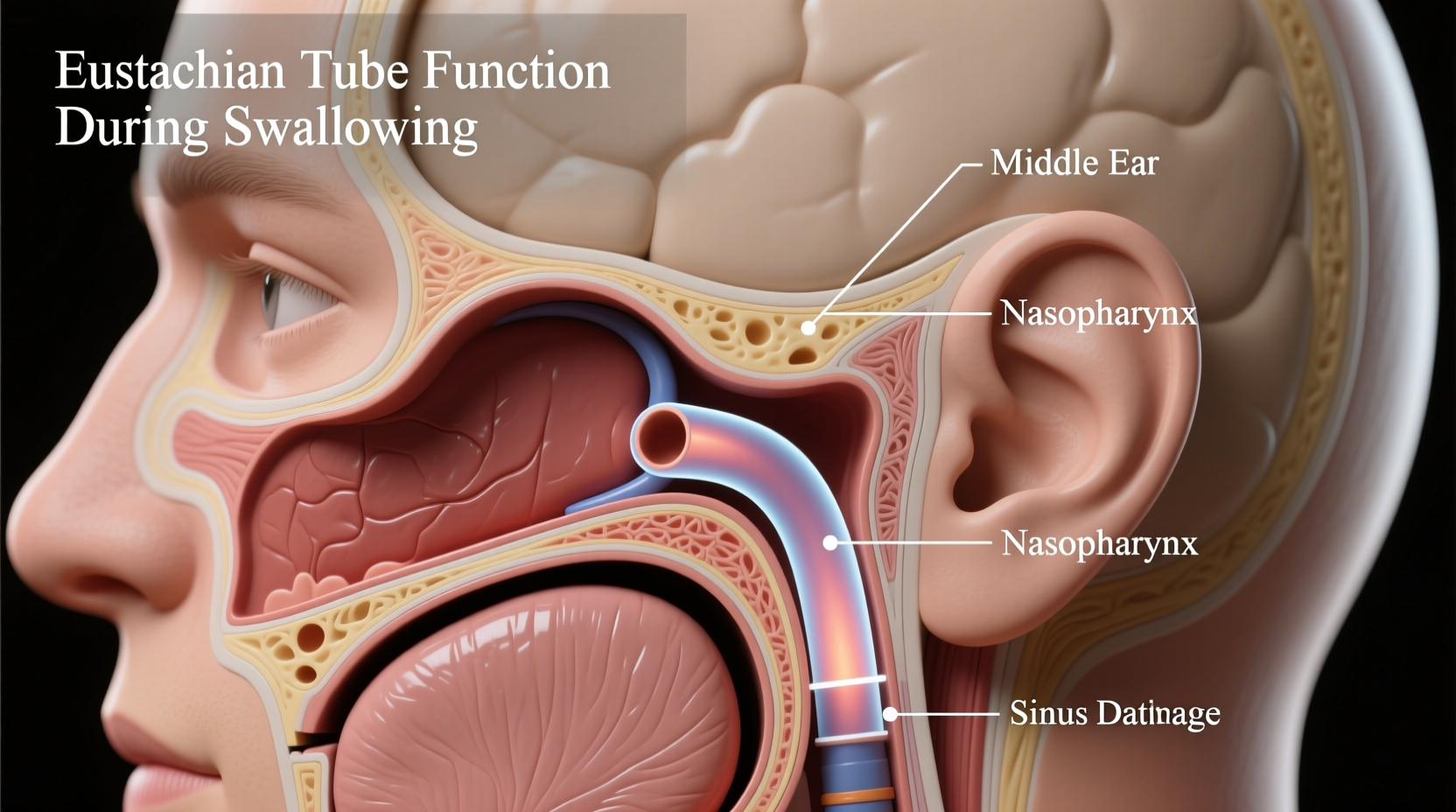
Swallowing triggers a chain reaction in the muscles near the back of the throat. One key player is the tensor veli palatini muscle, which contracts during swallowing, yawning, or chewing. This contraction opens the Eustachian tube—a narrow canal connecting the middle ear to the back of the nasal cavity (nasopharynx). When open, the tube allows air to flow in or out of the middle ear, equalizing pressure on both sides of the eardrum.
This equalization is what causes the familiar \"pop.\" It’s similar to opening a vacuum-sealed container: once pressure balances, you hear or feel a release. In healthy individuals, this process happens seamlessly multiple times a day without discomfort. However, if the Eustachian tube isn’t functioning properly, the pop may become more noticeable, painful, or accompanied by other symptoms like muffled hearing or a feeling of fullness.
Common Causes of Frequent Ear Popping
While an occasional ear pop is normal, frequent or uncomfortable popping often points to interference with Eustachian tube function. The most prevalent contributors include:
- Sinus infections (sinusitis): Inflammation and mucus buildup in the sinuses can extend to the Eustachian tube, impairing its ability to open and close properly.
- Allergies: Seasonal or environmental allergies cause swelling in nasal and sinus tissues, increasing pressure and fluid retention near the Eustachian tube.
- Colds and upper respiratory infections: Viral infections lead to mucosal swelling and excess mucus, obstructing normal tube ventilation.
- Barotrauma: Rapid changes in altitude (e.g., flying, scuba diving) create pressure imbalances that strain the Eustachian tube.
- Enlarged adenoids: Particularly in children, swollen adenoid tissue near the Eustachian tube opening can physically block airflow.
- Chronic Eustachian tube dysfunction (ETD): A condition where the tube fails to regulate pressure effectively over time, leading to recurring symptoms.
In some cases, structural issues such as a deviated septum or nasal polyps can contribute indirectly by promoting chronic congestion and poor drainage.
Eustachian Tube Dysfunction: When Normal Mechanisms Fail
Eustachian tube dysfunction occurs when the tube remains closed too much (under-functioning) or open too much (patulous ETD), disrupting pressure equilibrium. Under-functioning ETD is far more common and often results from inflammation or obstruction.
Symptoms include:
- Frequent ear popping or clicking
- Sensation of fullness or blockage in the ear
- Muffled hearing or mild hearing loss
- Tinnitus (ringing in the ear)
- Dizziness or imbalance in severe cases
A study published in *The Laryngoscope* estimates that up to 1% of adults suffer from chronic ETD, with higher prevalence in children due to shorter, more horizontal Eustachian tubes.
“Persistent ear popping shouldn't be ignored—especially if it’s associated with pain or hearing changes. It may reflect ongoing inflammation or a mechanical issue requiring medical evaluation.” — Dr. Lena Patel, Otolaryngologist at Boston Sinus Center
Sinus Issues and Their Impact on Ear Health
The proximity of the sinuses to the Eustachian tubes means sinus problems frequently affect ear function. When the maxillary, ethmoid, or sphenoid sinuses become inflamed, they can compress surrounding structures or produce mucus that drains into the nasopharynx, increasing the risk of Eustachian tube blockage.
For example, during acute sinusitis, thick mucus may coat the opening of the Eustachian tube, preventing it from opening fully. This leads to negative pressure in the middle ear, causing the eardrum to retract and triggering sensations of popping, fluttering, or crackling with each swallow.
Chronic sinusitis—defined as symptoms lasting more than 12 weeks—can lead to prolonged Eustachian tube irritation. Patients often report fluctuating ear pressure, recurrent ear infections, or even fluid accumulation (otitis media with effusion) behind the eardrum.
Recognizing the Connection: Key Indicators
If your ear popping coincides with any of the following, sinus-related Eustachian tube involvement is likely:
- Nasal congestion or postnasal drip
- Facial pressure or headache
- Reduced sense of smell
- Thick nasal discharge
- Symptom worsening during allergy season or after colds
Diagnosis often involves a physical exam, nasal endoscopy, and sometimes imaging like a CT scan of the sinuses to assess inflammation or anatomical abnormalities.
Step-by-Step Guide to Managing Ear Popping at Home
Before seeking medical intervention, several self-care strategies can help restore Eustachian tube function and relieve symptoms:
- Perform gentle pressure-equalizing maneuvers: Try the Valsalva maneuver (pinch nostrils and gently blow with mouth closed) or the Toynbee maneuver (swallow while pinching nostrils shut). Do not force these; excessive pressure can damage the eardrum.
- Use a saline nasal spray: Helps thin mucus and reduce swelling in nasal passages, improving drainage around the Eustachian tube.
- Apply warm compresses: Place a warm towel over the affected ear and side of the face to soothe discomfort and promote circulation.
- Stay hydrated: Drinking plenty of fluids thins mucus, making it easier to drain naturally.
- Run a humidifier: Moist air prevents drying and irritation in nasal and sinus linings, especially in dry climates or heated indoor environments.
- Avoid irritants: Smoke, strong perfumes, and allergens can worsen inflammation and delay recovery.
- Elevate your head while sleeping: Reduces fluid buildup in the Eustachian area and supports better drainage.
When to See a Doctor: Warning Signs
Most cases of ear popping resolve within a few days as colds or allergies improve. However, certain red flags warrant professional assessment:
- Pain that intensifies or persists beyond 5–7 days
- Significant hearing loss or persistent muffled sound
- Drainage from the ear (pus or fluid)
- Dizziness, vertigo, or balance issues
- Fever accompanying ear or sinus symptoms
- Symptoms recurring frequently (more than 3–4 times per year)
An otolaryngologist (ENT specialist) may perform tympanometry to measure eardrum movement, assess middle ear pressure, or use an otoscope to check for fluid behind the eardrum. In chronic cases, treatments may include nasal corticosteroids, antihistamines, antibiotics (if bacterial infection is present), or even surgical options like myringotomy (ear tube insertion).
Mini Case Study: Chronic Ear Popping in a Frequent Flyer
Sarah, a 34-year-old marketing executive, began experiencing persistent ear popping and pressure every time she flew. Initially, she attributed it to cabin pressure changes, but soon noticed symptoms occurring daily—even at ground level. She also reported seasonal nasal congestion and occasional facial pain.
After months of unsuccessful decongestants, Sarah consulted an ENT specialist. Nasal endoscopy revealed moderate swelling in the nasopharynx and partial blockage of both Eustachian tube openings. A CT scan confirmed chronic sinusitis with ethmoid sinus involvement.
She was prescribed a 3-week course of nasal steroid spray, advised to use a saline rinse daily, and referred to an allergist. Within two months, her ear popping decreased significantly, and she could fly without discomfort using pre-flight nasal sprays and chewing gum during ascent and descent.
This case illustrates how untreated sinus inflammation can evolve into chronic Eustachian tube issues—and how targeted treatment restores normal function.
Do’s and Don’ts: Managing Eustachian Tube and Sinus Health
| Do’s | Don’ts |
|---|---|
| Do use saline rinses regularly if prone to congestion | Don’t ignore persistent ear fullness lasting over a week |
| Do treat allergies proactively with appropriate medication | Don’t overuse decongestant nasal sprays (limit to 3–5 days) |
| Do chew gum during flights or elevation changes | Don’t attempt aggressive ear-popping techniques repeatedly |
| Do stay hydrated, especially in dry or high-altitude environments | Don’t expose yourself to secondhand smoke or airborne irritants |
FAQ
Can acid reflux cause ear popping?
Yes. Laryngopharyngeal reflux (LPR), a form of silent reflux, can cause stomach acid to reach the back of the throat and Eustachian tube opening. This irritates surrounding tissues, leading to swelling and dysfunction. Symptoms may include chronic throat clearing, hoarseness, and unexplained ear popping—especially upon waking.
Is ear popping dangerous?
Occasional popping is not dangerous and is a sign of normal pressure adjustment. However, persistent popping with pain, hearing changes, or fluid buildup can lead to complications like middle ear infections or eardrum damage if left untreated.
Why do I hear crackling sounds when I swallow?
Crackling or clicking noises are often caused by the Eustachian tube opening and closing abnormally due to inflammation or partial blockage. These sounds are usually benign but can indicate early-stage Eustachian tube dysfunction, particularly if accompanied by fullness or hearing changes.
Conclusion
Ear popping when swallowing is more than just a curious bodily quirk—it’s a window into the health of your Eustachian tubes and sinuses. While often temporary and harmless, frequent or uncomfortable popping can signal underlying inflammation, infection, or chronic dysfunction that benefits from timely care. By understanding the connection between nasal congestion, sinus health, and ear pressure regulation, you can take proactive steps to maintain balance and prevent complications.
If symptoms persist or interfere with daily life, don’t hesitate to consult an ENT specialist. Early intervention can prevent long-term issues and restore comfort and clarity—both in hearing and overall well-being.




 浙公网安备
33010002000092号
浙公网安备
33010002000092号 浙B2-20120091-4
Comments
No comments yet. Why don't you start the discussion?