
It’s a common holiday scene: you’ve carefully hung your Christmas lights, plugged them in, and stepped back to admire the glow—only to notice that the extension cord feels unusually warm. While a slight warmth might seem normal, a noticeably hot cord is a red flag. Overheating can lead to melted insulation, electrical fires, or even damage to your home’s wiring. Understanding why this happens—and knowing what to do immediately—is essential for safe holiday decorating.
This article breaks down the science behind overheating extension cords, identifies the most frequent causes when used with Christmas lights, and provides actionable steps to fix and prevent the issue. Whether you're using indoor string lights or outdoor displays, these insights will help you enjoy the season safely.
Understanding Why Extension Cords Overheat
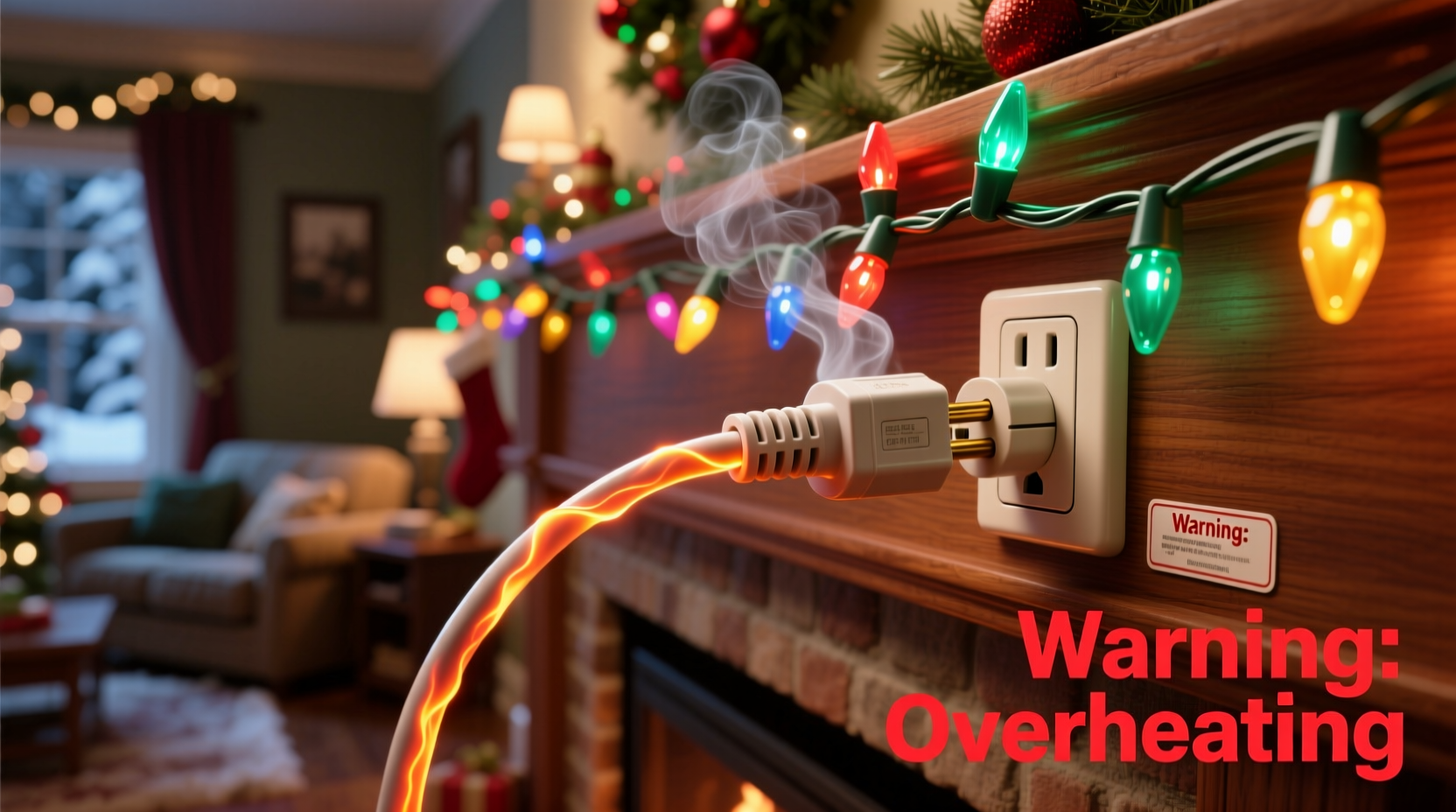
An extension cord acts as a bridge between your power source and an electrical device. When current flows through it, resistance in the wire generates heat. Under normal conditions, this heat dissipates quickly and remains at a safe level. However, when the load exceeds the cord’s capacity—or when other factors interfere—the temperature rises dangerously.
The primary reason an extension cord heats up is excessive current draw relative to the cord’s gauge and length. All cords have a maximum amperage and wattage rating. Exceeding this limit forces the wire to work harder than designed, increasing resistance and generating more heat. But several other variables contribute:
- Cord length: Longer cords have higher resistance, especially if they’re thin (higher gauge number).
- Wire gauge: Lower-gauge wires (e.g., 14 or 12 AWG) are thicker and handle more current safely.
- Ambient temperature: Outdoor use in cold weather can mask early signs of overheating.
- Daisy-chaining: Connecting multiple cords increases resistance and reduces efficiency.
- Overloading outlets: Plugging too many devices into one circuit stresses both the outlet and cord.
“Any extension cord that becomes warm to the touch during use should be unplugged immediately. Sustained heat degrades insulation and significantly raises fire risk.” — James Liptak, Certified Electrician and NFPA Safety Consultant
Common Causes When Powering Christmas Lights
Christmas lights may seem harmless, but modern displays—especially LED strings mixed with older incandescent ones—can create unexpected electrical loads. Here are the top reasons your cord heats up specifically with holiday lighting:
1. Using Light Strings Beyond Rated Capacity
Many people assume all light strings are low-power, but incandescent mini-lights can draw 40–50 watts each. If you connect six strings together, that’s already 300 watts—nearly 2.5 amps. Add more, and you exceed safe limits for lightweight extension cords.
2. Mismatched Cord Gauge
Indoor decorative cords are often 18 AWG—fine for lamps but inadequate for long runs of lights. For outdoor or high-load applications, 16 AWG is minimum; 14 or 12 AWG is safer.
3. Daisy-Chaining Extension Cords
Connecting two or more extension cords end-to-end is a major cause of overheating. Each connection adds resistance, and longer paths reduce voltage delivery, forcing the system to compensate with increased current flow.
4. Poor Ventilation Around the Cord
If the cord is buried under mulch, snow, carpet, or tucked behind furniture, heat can’t escape. Even a properly rated cord can overheat if trapped in an insulated environment.
5. Damaged or Aged Cords
Frayed insulation, bent prongs, or cracked housing increase resistance and create hotspots. Older cords may also have degraded internal wiring, making them unsafe regardless of load.
Immediate Fixes for a Hot Extension Cord
If you discover a hot cord while your lights are running, act quickly. Delaying could result in permanent damage or fire. Follow this step-by-step guide to address the issue safely.
- Unplug Immediately: Turn off and disconnect the cord from the outlet. Do not touch the plug with wet hands.
- Inspect for Damage: Look for melted insulation, discoloration, or burn marks. If present, discard the cord.
- Count Connected Lights: Determine total wattage by multiplying the number of strings by their individual wattage (listed on packaging).
- Check Cord Rating: Verify the extension cord’s maximum wattage (usually 1,875W for 15A circuits). Your total load should not exceed 1,500W.
- Shorten the Chain: Disconnect some light strings to reduce overall load.
- Replace with a Heavier-Gauge Cord: Use a 14 AWG outdoor-rated cord for better performance.
- Use a Dedicated Outlet: Plug directly into a wall outlet, not another extension cord or power strip.
- Re-test Safely: After changes, run the setup for 15 minutes and feel the cord. It should remain cool or only slightly warm.
“Most holiday electrical fires start due to overlooked warning signs like warm cords or flickering lights. Prevention is always cheaper than repair.” — National Fire Protection Association (NFPA)
Prevention Checklist: Safe Holiday Lighting Setup
Don’t wait for a problem to occur. Use this checklist before installing any Christmas lights to ensure your extension cords stay cool and safe.
- ✅ Use only outdoor-rated extension cords labeled “UL Listed”
- ✅ Match cord gauge to load: 16 AWG max for 500W, 14 AWG for up to 1,500W
- ✅ Limit connected light strings to manufacturer recommendations (usually 3–6)
- ✅ Avoid daisy-chaining extension cords
- ✅ Keep cords away from moisture, snow, and flammable materials
- ✅ Route cords where they won’t be pinched or walked on
- ✅ Unplug lights when unattended or overnight (unless using timers)
- ✅ Inspect cords annually for wear and tear
Choosing the Right Extension Cord: A Comparison Table
Not all extension cords are created equal. The table below compares common gauges and their suitability for holiday lighting setups.
| Wire Gauge (AWG) | Max Wattage (15A Circuit) | Recommended Use | Avoid For |
|---|---|---|---|
| 18 | 1,000W | Indoor lamps, small decorations | Christmas light strings, outdoor use |
| 16 | 1,500W | Short runs of LED lights, indoor displays | Long outdoor runs, multiple incandescent strings |
| 14 | 1,875W | Outdoor lighting, longer runs, mixed LED/incandescent | Heavy appliances (use dedicated cords instead) |
| 12 | 2,400W | Large displays, commercial-grade lighting | Indoor decorative use (overkill, costly) |
For most residential Christmas light setups, a 14 AWG outdoor-rated cord is the sweet spot—offering sufficient capacity without excessive bulk.
Real Example: A Homeowner’s Close Call
Mark T., a homeowner in Ohio, decorated his house annually with hundreds of incandescent lights. One December, he noticed the garage outlet felt warm. Investigating, he found the extension cord feeding his roofline lights was hot enough to smell burnt insulation. He unplugged everything immediately.
Upon inspection, Mark realized he had linked three 18 AWG cords together to reach the second story—totaling over 75 feet. The combined load of 12 light strings (600 watts) was within theoretical limits, but the daisy-chaining and thin gauge caused dangerous resistance buildup.
He replaced the setup with a single 50-foot 14 AWG cord, reduced the number of connected strings, and installed a timer. Since then, his cords remain cool, and his display has been incident-free for five seasons.
Frequently Asked Questions
Is it normal for an extension cord to get warm?
A slight warmth is acceptable under load, especially with longer usage. However, if the cord is too hot to touch comfortably, emits a burning smell, or shows discoloration, it’s unsafe and must be replaced.
Can LED Christmas lights still overheat a cord?
Yes, even though LEDs use less power individually, connecting dozens of strings or mixing them with older incandescent sets can still overload a weak cord. Always calculate total wattage and use appropriately rated cords.
How many Christmas lights can I plug into one extension cord?
It depends on the cord’s rating and light type. As a rule of thumb: - For 14 AWG cords: Up to 1,500 watts (e.g., 150 LED strings @ 10W each, or 30 incandescent strings @ 50W). Always follow the “80% rule”—never exceed 80% of the cord’s rated capacity for continuous use.
Final Thoughts: Safety First This Holiday Season
Your holiday lights should bring joy, not risk. A hot extension cord is not just an inconvenience—it’s a serious warning sign. By understanding the causes, acting swiftly, and using the right equipment, you can prevent electrical hazards and enjoy a safer, brighter season.
Take time now to inspect your cords, calculate your loads, and upgrade where necessary. Replace damaged or undersized cords, avoid daisy-chaining, and never leave high-load setups unattended. These small actions protect your home, family, and traditions.




 浙公网安备
33010002000092号
浙公网安备
33010002000092号 浙B2-20120091-4
Comments
No comments yet. Why don't you start the discussion?