
As the holiday season approaches, homes come alive with festive lights, glowing windows, and cheerful displays. But if you’ve noticed your extension cord warming up—or worse, becoming hot—while powering your Christmas lights, it’s time to pay attention. A warm cord might seem normal at first, but excessive heat is a serious warning sign that could lead to electrical failure, damaged equipment, or even fire. Understanding why this happens and how to fix it isn’t just about protecting your decorations—it’s about safeguarding your home and family.
Understanding How Extension Cords Work
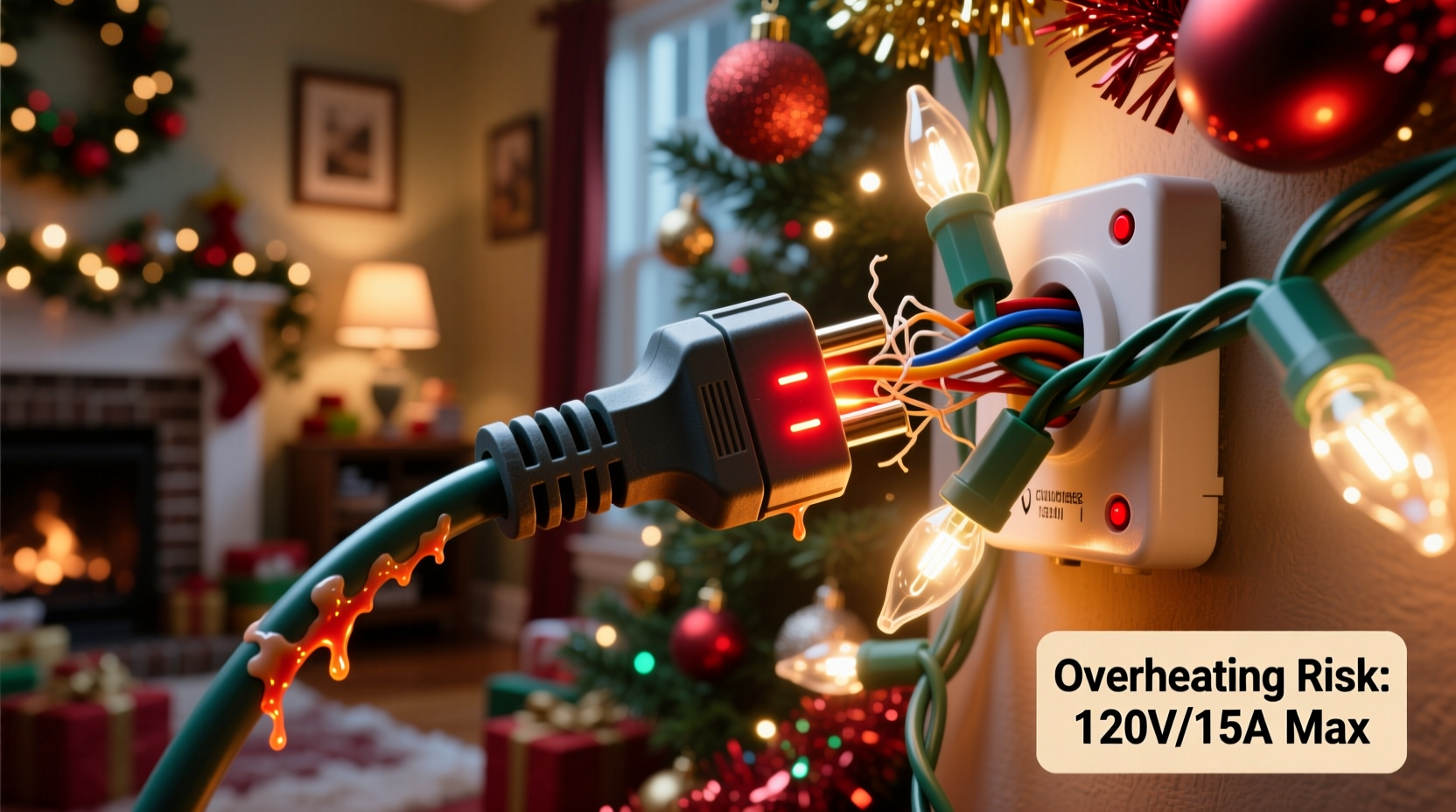
Extension cords are designed to carry electrical current from an outlet to devices located farther away. They consist of insulated wires (usually copper), a plug on one end, and a receptacle on the other. The cord’s ability to safely deliver power depends on several factors: wire gauge (thickness), length, insulation quality, and the total load it’s asked to carry.
When electricity flows through a wire, resistance generates heat. This is a natural phenomenon, but under normal conditions, the heat remains minimal. However, when the demand exceeds the cord’s capacity—such as when powering multiple strands of Christmas lights—the resistance increases, causing noticeable warmth. If unchecked, this can escalate into dangerous overheating.
The National Electrical Code (NEC) and Underwriters Laboratories (UL) set safety standards for cords, but not all cords meet the same performance levels. Using the wrong type of cord for high-demand applications like holiday lighting is a common cause of overheating.
Why Your Extension Cord Gets Hot with Christmas Lights
There are several technical and practical reasons why an extension cord heats up when used with Christmas lights. Identifying the root cause is essential to fixing the issue and preventing future hazards.
1. Overloading the Cord
This is the most frequent cause. Each extension cord has a maximum wattage and amperage it can handle. Christmas light strings, especially older incandescent models, can draw significant power. For example, a single strand of 100 incandescent mini-lights can use up to 40 watts. Plug in five strands, and you’re already at 200 watts. Add more, and you may exceed the cord’s safe capacity.
2. Using a Light-Gauge (Thin) Wire
Wire thickness is measured by gauge—the lower the number, the thicker the wire and the more current it can carry. Many inexpensive extension cords are 16 or 18 AWG (American Wire Gauge), which are suitable only for low-power devices. For outdoor holiday lighting, especially longer runs, a 12 or 14 AWG cord is safer and less prone to heating.
3. Excessive Length of Cord
Longer cords have higher resistance, which means more voltage drop and increased heat generation over distance. A 100-foot extension cord will lose more power and generate more heat than a 25-foot one, even under the same load. This is particularly problematic when using undersized cords for long distances.
4. Poor Quality or Damaged Cords
Cheaper extension cords often use substandard materials and thinner insulation. Cracks, frays, or kinks in the cord increase resistance and reduce efficiency, leading to localized hot spots. Never use a cord that shows visible wear or damage.
5. Daisy-Chaining Multiple Cords
Connecting multiple extension cords together (daisy-chaining) dramatically increases resistance and reduces overall safety. Each connection point adds potential failure points and raises the risk of overheating. It also voids most safety certifications.
“Overheating extension cords are one of the top causes of holiday electrical fires. Most incidents stem from using cords beyond their rated capacity.” — James Reynolds, Senior Electrical Inspector, NFPA
How to Fix and Prevent Overheating
Solving the problem requires both immediate action and long-term planning. Follow these steps to ensure your holiday lighting setup is safe and efficient.
Step-by-Step Guide to Troubleshooting a Hot Extension Cord
- Unplug immediately. If the cord is hot to the touch, disconnect it from the outlet and let it cool completely.
- Inspect the cord for damage. Look for burns, melting, cracks, or exposed wires. Discard any damaged cord.
- Check the total wattage of connected lights. Add up the wattage of all light strings plugged into the cord. Compare this to the cord’s maximum rating (usually printed on the jacket).
- Verify the cord gauge. Use a 12 or 14 AWG cord for outdoor or high-load applications. Avoid 16 AWG and higher numbers for Christmas lights.
- Reduce the load. Unplug some light strands or distribute them across multiple circuits and cords.
- Avoid daisy-chaining. Use a single cord of appropriate length instead of linking several together.
- Use GFCI-protected outlets outdoors. These help prevent shocks and can trip before overheating becomes critical.
Choosing the Right Extension Cord for Christmas Lights
Selecting the correct cord is crucial for safety and performance. Not all extension cords are created equal, and using the right one can eliminate overheating issues altogether.
| Wire Gauge (AWG) | Max Recommended Load | Best For | Avoid For |
|---|---|---|---|
| 12 AWG | 15–20 amps / 1875–2400 watts | Multiple light strands, long runs, outdoor use | Indoor low-power devices (overkill) |
| 14 AWG | 10–15 amps / 1250–1875 watts | Medium-length outdoor lighting | Daisy-chaining or heavy-duty tools |
| 16 AWG | 7–10 amps / 875–1250 watts | Short indoor light strings | Outdoor use, long runs, multiple strands |
| 18 AWG | 5–7 amps / 625–875 watts | Low-power indoor decor | Christmas lights (except very short runs) |
Always opt for cords labeled “Outdoor Use” with weather-resistant jackets. Look for the UL certification mark and ensure the cord is rated for the environment (wet/dry locations). Heavy-duty cords with molded plugs and strain relief are more durable and safer than lightweight alternatives.
Real Example: A Homeowner’s Close Call
Mark, a homeowner in Ohio, decorated his house annually with hundreds of Christmas lights. One December, he noticed the extension cord running along his porch was unusually warm. He ignored it at first, assuming it was normal. Two days later, the smell of burning plastic filled the air. He traced it to the cord, which had melted slightly near the plug. Fortunately, he caught it before a fire started.
After consulting an electrician, Mark learned he had daisy-chained two 16 AWG cords and connected eight strands of incandescent lights—exceeding 600 watts. The thin wires couldn’t handle the load over 50 feet. The solution? He replaced the setup with a single 12 AWG outdoor-rated cord, split the lights across two circuits, and switched to LED lights. His new system ran cool and safe throughout the season.
Preventive Checklist for Safe Holiday Lighting
- ✅ Calculate total wattage of all connected lights
- ✅ Use 12 or 14 AWG extension cords for outdoor or high-load setups
- ✅ Avoid daisy-chaining extension cords
- ✅ Inspect cords for damage before each use
- ✅ Plug into GFCI outlets when outdoors
- ✅ Use LED lights to reduce power draw
- ✅ Don’t run cords under rugs, snow, or through doors/windows
- ✅ Unplug lights when not in use or during storms
- ✅ Keep connections off the ground and dry
- ✅ Test circuit breakers monthly during the season
Frequently Asked Questions
Is it normal for an extension cord to be warm?
A slight warmth is normal under load, especially with longer cords. However, if the cord is too hot to touch, emits a burning smell, or shows discoloration, it’s unsafe and should be unplugged immediately.
Can I use indoor extension cords outside for Christmas lights?
No. Indoor cords lack weather-resistant insulation and are not rated for moisture, temperature changes, or UV exposure. Using them outdoors increases the risk of shock, short circuits, and overheating. Always use cords marked “For Outdoor Use.”
How many Christmas lights can I safely plug into one extension cord?
It depends on the cord’s rating and the type of lights. As a rule, never exceed 80% of the cord’s maximum wattage. For example, a 14 AWG cord rated for 1875 watts should carry no more than 1500 watts. With incandescent lights (40W per 100 bulbs), that’s about 37 strands. With LEDs (5W per 100 bulbs), you could safely connect up to 300 strands—though circuit limits may still apply.
Final Thoughts and Safety Reminder
Your holiday display should bring joy, not risk. An overheating extension cord is a clear signal that something is wrong with your setup. By understanding the causes—overloading, poor cord quality, incorrect gauge, or improper use—you can take effective steps to fix the issue and prevent future dangers.
Invest in high-quality, properly rated extension cords. Choose LED lights to reduce energy use and heat. Never cut corners when it comes to electrical safety. A few minutes spent reviewing your setup can prevent hours of damage—or worse.




 浙公网安备
33010002000092号
浙公网安备
33010002000092号 浙B2-20120091-4
Comments
No comments yet. Why don't you start the discussion?