
Eye twitching—technically known as myokymia—is a surprisingly common experience that most people encounter at some point. It typically presents as a subtle, involuntary spasm of the eyelid muscle, usually in the upper or lower lid of one eye. While it's rarely serious, persistent or severe twitching can be disruptive, distracting, and sometimes a signal that your body is under strain. The good news is that in the vast majority of cases, eyelid twitching is temporary and responsive to lifestyle adjustments. Understanding the root causes, especially the role of stress and fatigue, is key to finding lasting relief.
What Causes Eyelid Twitching?
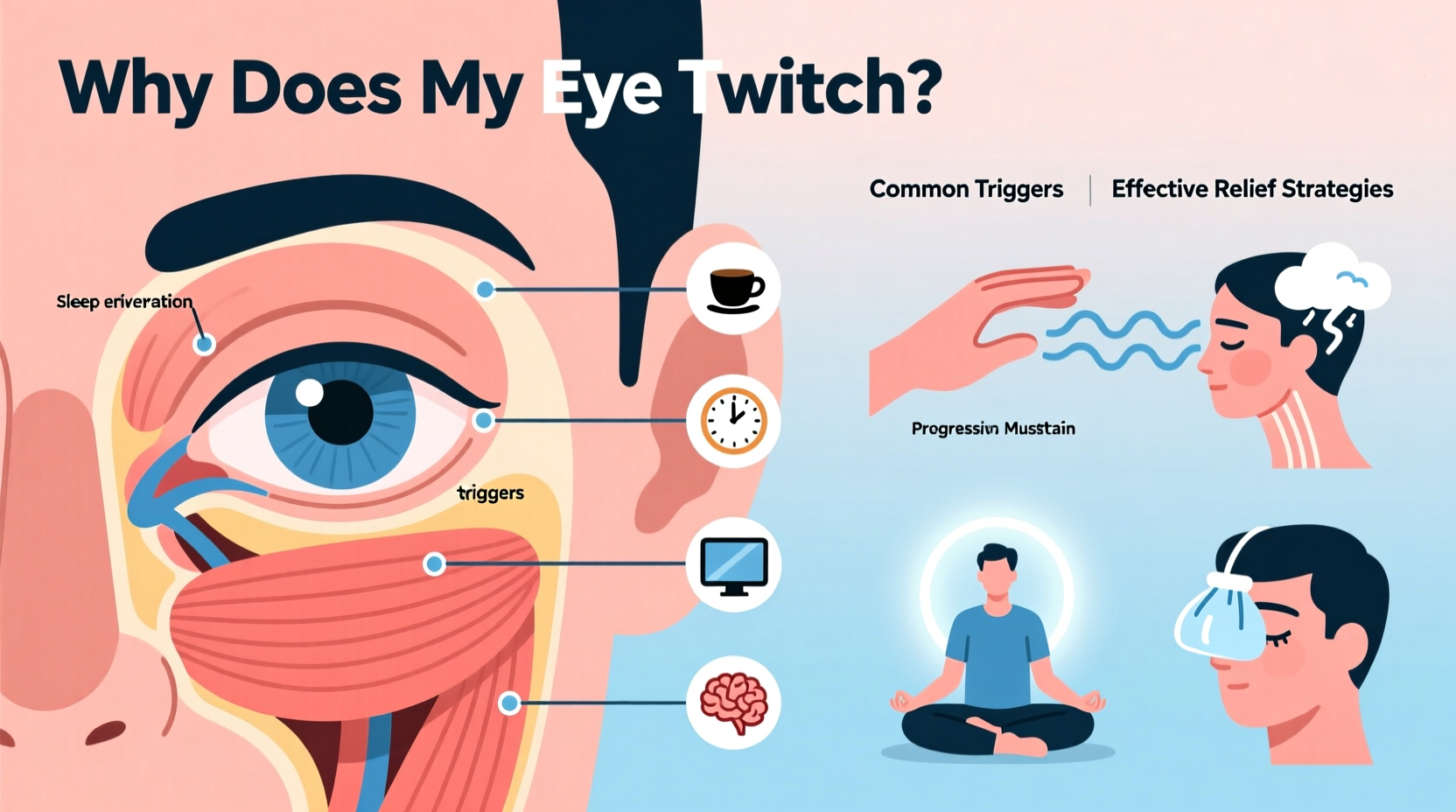
The muscles around the eye are among the most finely controlled in the body, capable of rapid, precise movements. When these muscles begin to twitch without conscious control, it’s often due to minor neurological misfiring. Myokymia occurs when bundles of muscle fibers fire spontaneously, creating a rippling or fluttering sensation beneath the skin. Unlike more serious movement disorders, this type of twitch is localized and benign.
Common physiological explanations include:
- Nerve irritation: Minor irritation of the facial nerve (cranial nerve VII) can trigger spontaneous signals to the orbicularis oculi muscle, which controls eyelid closure.
- Muscle fatigue: Overuse of the eyes from prolonged screen time or intense visual tasks may lead to micro-fatigue in the muscles.
- Electrolyte imbalance: Low levels of magnesium, calcium, or potassium can affect nerve conduction and muscle function.
While the twitch itself originates in the neuromuscular system, the underlying triggers are often behavioral or environmental. Identifying and modifying these factors is the first step toward resolution.
Top 5 Common Triggers of Eye Twitching
Most cases of eyelid twitching resolve on their own within days or weeks. However, if you're experiencing recurring episodes, it's worth evaluating your daily habits for potential culprits. Below are the most frequently observed triggers.
1. Stress and Anxiety
Stress is arguably the leading cause of transient eyelid spasms. When the body activates its sympathetic nervous system—the “fight-or-flight” response—it releases cortisol and adrenaline, which increase muscle tension and neural excitability. This hyperarousal state can manifest physically, with eye twitching being one of the milder symptoms.
A 2021 study published in *Neurological Sciences* found that individuals reporting high perceived stress levels were three times more likely to experience recurrent myokymia compared to those with low stress scores. The connection isn't just anecdotal—it's neurologically grounded.
2. Sleep Deprivation
Poor sleep quality or insufficient rest disrupts the brain’s ability to regulate motor signals. The basal ganglia and thalamus, regions involved in motor control, become less efficient when fatigued, increasing the likelihood of erratic nerve firing.
Adults who consistently get less than six hours of sleep per night report higher rates of eye twitching, headaches, and eye strain. Even a single night of disrupted sleep can trigger a brief episode.
3. Excessive Caffeine Intake
Caffeine is a central nervous system stimulant. While moderate consumption (up to 400 mg per day, roughly four cups of coffee) is generally safe, excess intake can overexcite neurons and lower the threshold for muscle spasms.
Energy drinks, strong espresso, and even large amounts of black tea can contribute. Some individuals are more sensitive to caffeine’s effects, particularly if consumed later in the day or on an empty stomach.
4. Digital Eye Strain
Staring at screens for extended periods reduces blink rate by up to 60%. This leads to dry eyes, corneal irritation, and increased effort from the eyelid muscles to maintain lubrication—all of which may provoke twitching.
Blue light exposure may also play a secondary role by disrupting circadian rhythms and contributing to overall fatigue, indirectly worsening susceptibility.
5. Nutritional Deficiencies
Magnesium, in particular, plays a crucial role in muscle relaxation and nerve stabilization. Deficiency—common in diets low in leafy greens, nuts, seeds, and whole grains—can result in hyperexcitability of nerves and muscles.
Vitamin B12 and potassium imbalances have also been linked to neuromuscular irritability. While full-blown deficiencies are rare in developed countries, suboptimal levels may still contribute to mild symptoms like twitching.
When to Be Concerned: Red Flags
In most cases, eyelid twitching is harmless and self-limiting. However, certain patterns warrant medical evaluation. Persistent or worsening symptoms could indicate a more serious neurological condition such as:
- Blepharospasm (involuntary closing of the eyelids)
- Hemifacial spasm (affecting multiple facial muscles on one side)
- Multiple sclerosis or Parkinson’s disease (rare, but possible if accompanied by other neurological signs)
“While benign myokymia resolves with rest and lifestyle changes, any twitch that spreads beyond the eye, causes functional impairment, or lasts longer than three months should be assessed by a neurologist.” — Dr. Lena Patel, Neuro-ophthalmologist, Massachusetts Eye & Ear
Seek immediate medical attention if you experience:
- Swelling, redness, or discharge from the eye
- Drooping eyelid (ptosis)
- Spasms affecting the mouth or face
- Difficulty opening the eye
Effective Stress Relief Strategies to Stop Eye Twitching
Since stress is a primary driver of eyelid twitching, managing it effectively is often the fastest route to relief. These science-backed techniques help calm the nervous system and reduce neuromuscular irritability.
Step-by-Step Guide: Calming the Nervous System in 7 Days
- Day 1–2: Reduce Stimulants – Cut caffeine intake by half. Replace afternoon coffee with herbal tea or water. Avoid energy drinks entirely.
- Day 3–4: Establish a Wind-Down Routine – Begin 30 minutes before bed: dim lights, avoid screens, and engage in quiet activity like reading or stretching.
- Day 5: Practice Box Breathing – Inhale for 4 seconds, hold for 4, exhale for 4, pause for 4. Repeat for 5 cycles, twice daily.
- Day 6: Increase Magnesium Intake – Eat magnesium-rich foods (spinach, almonds, avocado, black beans) or consider a supplement (200–400 mg of magnesium glycinate).
- Day 7: Digital Detox Hour – Spend one hour completely away from screens. Use the time for walking, journaling, or mindfulness meditation.
Do’s and Don’ts: Managing Eye Twitching
| Do | Don’t |
|---|---|
| Get 7–8 hours of quality sleep nightly | Stay up late working or scrolling |
| Use artificial tears if eyes feel dry | Rub your eyes aggressively |
| Take regular screen breaks (20-20-20 rule) | Consume more than 400 mg of caffeine per day |
| Eat balanced meals rich in B vitamins and magnesium | Ignore persistent twitching lasting over 3 weeks |
| Practice stress-reducing activities like yoga or tai chi | Self-diagnose or assume it’s always harmless |
Real-Life Example: Recovering from Chronic Twitching
Sarah, a 34-year-old project manager, began experiencing frequent left-eye twitching after transitioning to remote work. Her days consisted of back-to-back Zoom calls, often extending past 8 PM. She relied on two large coffees each morning and a third in the afternoon to stay alert. After two months of persistent twitching—and occasional facial tightness—she consulted a neurologist.
Testing revealed no serious pathology, but her lifestyle assessment showed clear red flags: chronic sleep deprivation (averaging 5.5 hours/night), high caffeine intake (~500 mg/day), and minimal physical activity. Following a tailored plan involving reduced screen time, caffeine tapering, improved sleep hygiene, and daily mindfulness exercises, her symptoms resolved within three weeks.
“I didn’t realize how much stress I was carrying until I started paying attention,” Sarah said. “Once I made small changes, the twitch disappeared—and I feel more focused than ever.”
FAQ: Common Questions About Eye Twitching
Can dehydration cause eye twitching?
Yes. Dehydration affects electrolyte balance, particularly sodium and potassium, which are essential for proper nerve signaling. Even mild dehydration can contribute to muscle spasms, including eyelid twitching. Aim for at least 8 cups (64 oz) of water daily, more if active or in hot climates.
Is eye twitching a sign of a stroke?
No, isolated eyelid twitching is not a sign of stroke. Strokes typically present with sudden, severe symptoms such as facial drooping (entire side), slurred speech, arm weakness, or confusion. If twitching is accompanied by any of these, seek emergency care—but twitching alone is not indicative of stroke.
How long does an eye twitch usually last?
Most benign twitches last from a few minutes to several days. Episodes triggered by stress or fatigue typically resolve within 1–3 weeks with proper self-care. If twitching persists beyond three weeks or worsens, consult a healthcare provider.
Conclusion: Take Control Before It Escalates
Eye twitching is more than just a minor annoyance—it’s often your body’s way of signaling imbalance. Whether it’s too much caffeine, not enough sleep, or unmanaged stress, the underlying cause is usually within your control. By tuning into your habits and making thoughtful adjustments, you can stop the twitch and improve your overall well-being in the process.
Start today: assess your sleep, cut back on stimulants, protect your eyes from digital strain, and prioritize moments of calm. Small changes compound into lasting results. Your nervous system—and your eyes—will thank you.




 浙公网安备
33010002000092号
浙公网安备
33010002000092号 浙B2-20120091-4
Comments
No comments yet. Why don't you start the discussion?