
It starts subtly—a faint flutter beneath the left eyelid after a long day at work. You blink, assuming it’s fatigue. But as hours pass, the twitch persists, sometimes escalating into an insistent spasm that draws attention and disrupts focus. If this sounds familiar, you're not alone. Millions experience eyelid twitching, especially during periods of high stress. While usually harmless, chronic or severe twitching can signal deeper issues. Understanding the connection between stress and eye twitching—and knowing how to respond—can make a meaningful difference in your well-being.
The Science Behind Stress-Induced Eye Twitching
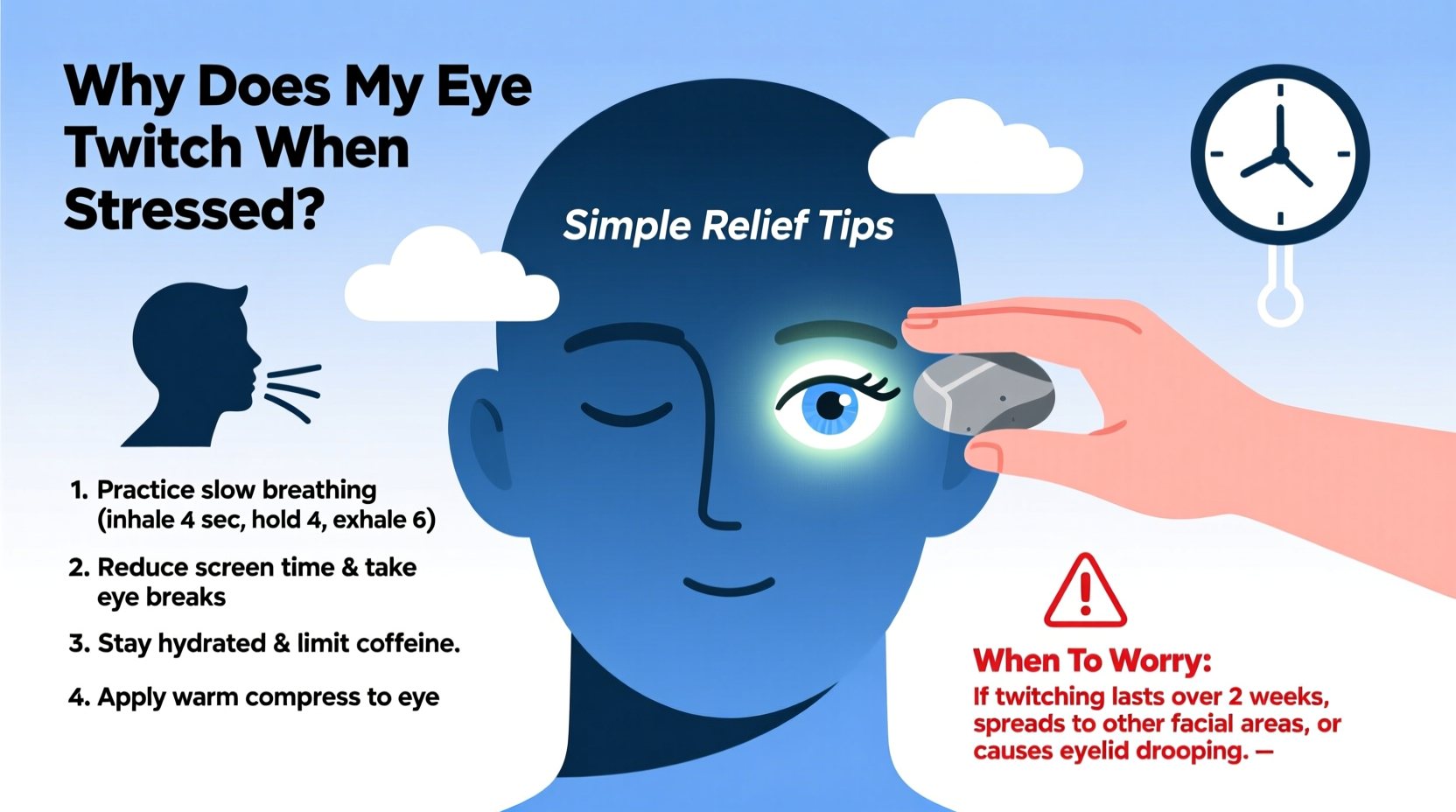
Medically known as myokymia, eye twitching refers to involuntary contractions of the muscles around the eyelid, typically the upper or lower lid of one eye. These twitches are brief, repetitive, and generally painless. They occur due to misfiring signals from the nerves controlling the orbicularis oculi muscle—the thin band of muscle surrounding the eye.
Stress plays a pivotal role in triggering these misfires. When the body enters a state of psychological or emotional strain, it activates the sympathetic nervous system, commonly referred to as the \"fight-or-flight\" response. This leads to increased levels of stress hormones like cortisol and adrenaline. Elevated cortisol affects neurotransmitter balance, particularly dopamine and acetylcholine, which regulate muscle activity. The result? Overstimulation of facial nerves, including the seventh cranial nerve (the facial nerve), which can cause localized muscle spasms such as eyelid twitching.
Additionally, stress often disrupts sleep patterns and increases muscle tension throughout the body—even in small, delicate areas like the eyelids. Poor sleep quality reduces the brain's ability to regulate motor signals efficiently, making minor twitches more likely and harder to stop.
“Chronic stress doesn’t just affect mood—it directly impacts neuromuscular function. The eyes are often the first place we see those effects.” — Dr. Lena Patel, Neurologist at Boston General Hospital
Common Triggers That Worsen Stress-Related Twitching
While stress is a primary catalyst, several co-factors amplify its impact on eye twitching. Recognizing and managing these contributors is essential for effective relief.
- Caffeine overconsumption: Found in coffee, energy drinks, and certain teas, caffeine stimulates the central nervous system and can heighten nerve excitability.
- Sleep deprivation: Less than 6–7 hours of sleep per night impairs neural recovery and increases susceptibility to muscle spasms.
- Dry eyes: Prolonged screen time reduces blink rate, leading to ocular dryness, irritation, and compensatory muscle tension.
- Nutritional imbalances: Deficiencies in magnesium, potassium, and vitamin B12 are linked to neuromuscular instability.
- Eye strain: Extended focus on digital screens without breaks forces eye muscles to work harder, increasing fatigue and twitch risk.
Simple Relief Tips to Stop Eye Twitching Fast
Most cases of stress-related eye twitching resolve within days to weeks with lifestyle adjustments. The key is addressing both the physiological triggers and the underlying stress response.
Step-by-Step Guide to Immediate Relief
- Practice the 20-20-20 rule: Every 20 minutes, look at something 20 feet away for at least 20 seconds to reduce digital eye strain.
- Apply a warm compress: Soak a clean cloth in warm (not hot) water and place it over closed eyes for 5–10 minutes. Heat helps relax tense muscles and improves circulation.
- Limit stimulants: Cut back on caffeine, nicotine, and sugary foods, especially in the afternoon and evening.
- Replenish electrolytes: Eat magnesium-rich foods like spinach, almonds, avocado, and bananas. Consider a supplement if dietary intake is low.
- Try gentle eye massage: Using your ring finger, lightly press along the brow bone and under-eye area in circular motions for 1–2 minutes to release tension.
Natural Relaxation Techniques
Beyond physical interventions, calming the nervous system is crucial. Techniques such as diaphragmatic breathing, progressive muscle relaxation, and mindfulness meditation have been shown to lower cortisol levels and reduce autonomic hyperactivity.
A 2021 study published in *JAMA Internal Medicine* found that participants who practiced daily mindfulness meditation for eight weeks reported a 45% reduction in stress-related physical symptoms, including muscle twitching and headaches.
When to Worry: Red Flags and Medical Conditions
While most eyelid twitches are benign and temporary, some patterns indicate a need for professional evaluation. Persistent or worsening symptoms may point to neurological or systemic conditions requiring diagnosis and treatment.
| Symptom Pattern | Likely Cause | Action Required |
|---|---|---|
| Twitch lasts less than 3 weeks, comes and goes | Benign essential blepharospasm (stress-related) | Lifestyle changes; monitor |
| Twitch persists beyond 3 weeks | Potential chronic blepharospasm or nerve issue | Consult neurologist or ophthalmologist |
| Entire side of face involved, drooping eyelid, difficulty closing eye | Facial nerve dysfunction (e.g., Bell’s palsy) | Seek immediate medical care |
| Redness, swelling, discharge, or vision changes | Infection (e.g., conjunctivitis, stye) | See an eye doctor promptly |
| Twitch spreads to other facial muscles or body parts | Rare neurological disorder (e.g., dystonia, MS) | Urgent neurological assessment |
If twitching becomes constant, causes functional impairment (like difficulty keeping the eye open), or is accompanied by facial weakness or asymmetry, it’s critical to seek medical advice. These signs may suggest hemifacial spasm, a condition caused by compression of the facial nerve, often by a blood vessel. In rare cases, persistent twitching can be an early symptom of multiple sclerosis or Parkinson’s disease, though these are typically accompanied by other neurological deficits.
Real-Life Example: Sarah’s Experience with Chronic Eye Twitching
Sarah, a 34-year-old project manager, began noticing her right eyelid twitching during a high-pressure product launch. Initially dismissing it as tiredness, she continued working late nights fueled by coffee and energy bars. After two weeks, the twitch intensified, spreading slightly toward her cheek. She also started experiencing dry, gritty eyes and trouble concentrating.
After reading about stress-related myokymia online, Sarah implemented changes: she reduced caffeine, used artificial tears for dryness, adopted a nightly wind-down routine with herbal tea and stretching, and began practicing guided meditation. Within ten days, the twitching stopped completely. A follow-up with her optometrist confirmed mild dry eye syndrome but no serious pathology. Sarah now schedules screen breaks and monitors her stress load proactively.
Her case illustrates how seemingly minor symptoms can escalate without intervention—and how targeted, practical steps can restore normal function quickly.
Checklist: How to Prevent Recurring Eye Twitches
Use this checklist weekly to minimize recurrence and support overall eye and nervous system health:
- ✅ Limit caffeine to ≤200 mg per day
- ✅ Get 7–8 hours of quality sleep nightly
- ✅ Take screen breaks every 20 minutes (20-20-20 rule)
- ✅ Use lubricating eye drops if eyes feel dry
- ✅ Eat a balanced diet rich in magnesium and B vitamins
- ✅ Practice deep breathing or meditation for 5–10 minutes daily
- ✅ Avoid alcohol and smoking, which exacerbate nerve sensitivity
- ✅ Schedule regular eye exams (at least once a year)
Frequently Asked Questions
Can lack of sleep really cause my eye to twitch?
Yes. Sleep deprivation disrupts the brain’s regulation of motor neurons and increases muscle irritability. Even one or two nights of poor sleep can trigger twitching in sensitive individuals. Prioritizing consistent, restful sleep is one of the most effective preventive measures.
Is eye twitching a sign of anxiety?
It can be. Anxiety is a form of chronic stress that keeps the nervous system in a heightened state. People with generalized anxiety disorder (GAD) or panic attacks often report physical symptoms like muscle tension, tremors, and eye twitching. Addressing anxiety through therapy, medication, or stress management techniques frequently resolves these symptoms.
Should I see a doctor if my eye twitches every day?
If daily twitching persists for more than three weeks, worsens, or begins affecting other facial areas, yes. While most cases remain benign, prolonged symptoms warrant evaluation by an ophthalmologist or neurologist to rule out underlying conditions like blepharospasm or nerve compression.
Conclusion: Listen to Your Body’s Signals
Eye twitching may seem trivial, but it’s often your body’s way of signaling imbalance—especially under stress. Ignoring it can lead to worsening symptoms or missed opportunities to address deeper wellness concerns. By understanding the mechanisms behind twitching and applying practical, science-backed strategies, you regain control over both your physical comfort and mental resilience.
Start today: reduce screen glare, drink more water, step away from stressors, and breathe deeply. Small shifts compound into lasting relief. Your eyes—and your nervous system—will thank you.




 浙公网安备
33010002000092号
浙公网安备
33010002000092号 浙B2-20120091-4
Comments
No comments yet. Why don't you start the discussion?