
It starts subtly—a faint flutter beneath the left or right eye, easy to ignore at first. But as days pass, the twitch grows more persistent, appearing during meetings, while reading, or just before sleep. If you’ve noticed your eyelid dancing involuntarily during periods of high stress, you’re not alone. This phenomenon, known medically as eyelid myokymia, affects millions worldwide and is often tied to lifestyle factors, especially emotional and physical strain. While typically harmless, chronic twitching can be disruptive and concerning. Understanding the biological mechanisms behind this reflex, recognizing triggers, and applying targeted interventions can help restore calm—not just to your eyelid, but to your nervous system as a whole.
What Is Eyelid Myokymia?
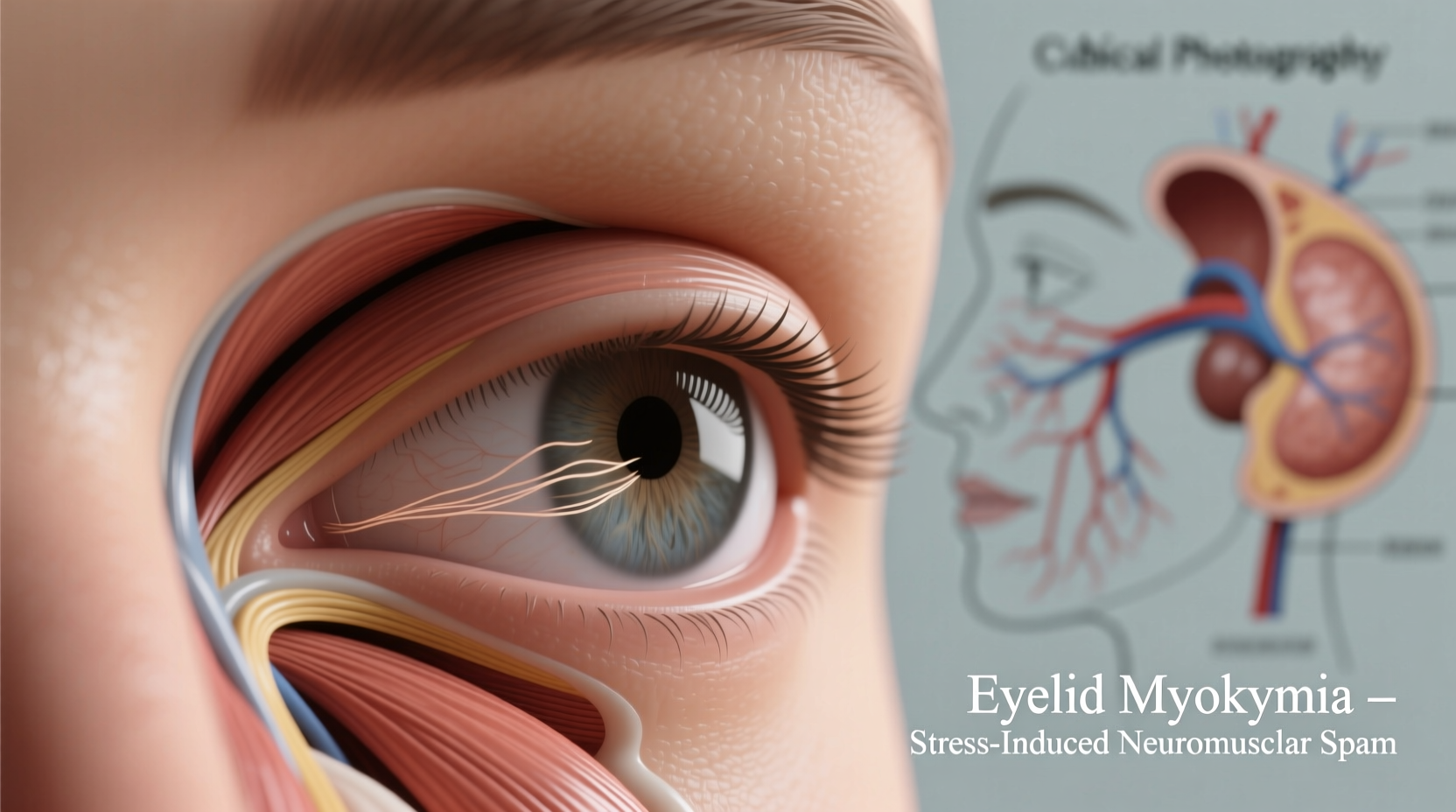
Eyelid myokymia refers to involuntary, localized contractions of the orbicularis oculi muscle—the thin band of muscle surrounding the eye. These contractions manifest as fine, rhythmic twitches that may last seconds or persist for hours. Unlike more serious neurological conditions such as blepharospasm (a form of dystonia), myokymia usually affects only one eye at a time and resolves without medical intervention.
The twitching arises from spontaneous discharges in small bundles of nerve fibers within the facial nerve (cranial nerve VII). These micro-signals cause isolated muscle fibers to fire erratically, creating the sensation of fluttering. Though the movement is visible to some degree, it rarely interferes with vision or eye function.
The Stress-Eyelid Connection: How Anxiety Triggers Twitching
Stress doesn’t just affect mood—it directly influences neuromuscular activity. When under psychological or physiological pressure, the body activates the sympathetic nervous system, initiating the “fight-or-flight” response. This cascade increases levels of cortisol and adrenaline, heightens muscle tension, and alters neurotransmitter balance—all of which can destabilize motor neurons controlling the eyelid.
In particular, elevated cortisol disrupts magnesium and potassium homeostasis, both critical for proper nerve conduction. Low magnesium levels, common during chronic stress, reduce the threshold for neuronal excitability, making muscles more prone to spontaneous firing. Additionally, stress often leads to poor sleep and increased caffeine intake—two co-factors strongly linked to myokymia.
“Stress-induced eyelid twitching is a classic example of psychosomatic feedback. The eyes are among the most innervated regions in the body, making them early warning systems for nervous system overload.” — Dr. Lena Patel, Neurologist and Sleep Specialist, Massachusetts General Hospital
Common Triggers Beyond Stress
While stress is a primary catalyst, several interrelated factors contribute to or exacerbate eyelid myokymia. Addressing these can significantly reduce episode frequency and duration.
- Sleep deprivation: Chronic lack of rest impairs neural recovery and increases cortical excitability.
- Caffeine overconsumption: More than 400 mg of caffeine daily (about four cups of coffee) can overstimulate the central nervous system.
- Dry eyes: Common in screen users; ocular surface irritation may trigger reflexive muscle activity.
- Nutritional deficiencies: Low levels of magnesium, calcium, or vitamin B12 impair neuromuscular transmission.
- Eye strain: Prolonged focus on digital screens reduces blink rate, increasing fatigue in periorbital muscles.
Do’s and Don’ts for Managing Eye Twitch Triggers
| Do | Don’t |
|---|---|
| Limit caffeine after noon | Consume energy drinks or excessive coffee |
| Practice 20-20-20 rule for screen use | Work for hours without blinking breaks |
| Use artificial tears if eyes feel dry | Rub your eyes aggressively |
| Get 7–8 hours of quality sleep | Skip sleep during busy workweeks |
| Eat magnesium-rich foods (spinach, almonds, avocado) | Ignore persistent twitching beyond a month |
Real-Life Example: A Corporate Worker’s Experience
Sarah, a 34-year-old project manager in Chicago, began experiencing right-eye twitching during a high-pressure product launch. Initially dismissing it as fatigue, she noticed the twitch intensified after late-night coding sessions fueled by double espressos. Over two weeks, the twitch became constant, affecting her confidence during client calls.
After consulting an optometrist, Sarah learned her symptoms stemmed from a combination of screen overuse, insufficient sleep (averaging 5 hours/night), and excessive caffeine (over 600 mg/day). She implemented changes: switching to decaf after 10 a.m., using blue-light filters, practicing evening meditation, and prioritizing 7.5 hours of sleep. Within 10 days, the twitch subsided completely. Her case highlights how lifestyle adjustments—even without medication—can resolve stress-related myokymia.
Step-by-Step Guide to Calming a Twitching Eye
If you're currently dealing with eyelid myokymia, follow this evidence-based protocol to address root causes and promote neuromuscular stability.
- Assess Your Caffeine Intake
Track all sources—coffee, tea, soda, chocolate, pre-workout supplements—for three days. Aim to stay below 300 mg daily. Replace afternoon stimulants with herbal tea or water infused with lemon and mint. - Optimize Sleep Hygiene
Set a consistent bedtime and wake time. Eliminate screens one hour before bed. Use blackout curtains and maintain room temperature between 60–67°F (15–19°C) to support melatonin production. - Reduce Digital Eye Strain
Follow the 20-20-20 rule: every 20 minutes, look at something 20 feet away for 20 seconds. Consider computer glasses with anti-glare coating if you spend more than four hours daily on screens. - Replenish Key Nutrients
Increase dietary magnesium through leafy greens, nuts, seeds, and whole grains. Consider a supplement (200–400 mg/day of magnesium glycinate) after consulting your doctor, especially if you experience muscle cramps or insomnia. - Practice Stress-Reduction Techniques
Engage in diaphragmatic breathing (4-second inhale, 6-second exhale) for five minutes twice daily. Incorporate mindfulness meditation or progressive muscle relaxation to lower baseline nervous system arousal. - Monitor Symptoms for Two Weeks
Keep a brief journal noting twitch frequency, sleep quality, caffeine consumption, and stress levels. This helps identify patterns and measure progress.
When to Seek Medical Advice
Most cases of eyelid myokymia resolve within days to a few weeks with conservative care. However, certain red flags warrant professional evaluation:
- Twitching persists beyond three weeks despite lifestyle changes
- Muscle spasms spread to other parts of the face (cheek, mouth, forehead)
- Eye redness, swelling, or discharge accompanies the twitch
- Blinking becomes forceful or uncontrollable
- One eyelid droops or vision changes occur
Persistent or worsening symptoms could indicate conditions like hemifacial spasm, Bell’s palsy, or even multiple sclerosis. In rare cases, myokymia may be linked to brainstem lesions, requiring MRI imaging for diagnosis.
Frequently Asked Questions
Can dehydration cause eye twitching?
Yes. Dehydration affects electrolyte balance, particularly sodium, potassium, and magnesium—minerals essential for normal nerve signaling. Even mild dehydration from inadequate water intake or excessive sweating can trigger neuromuscular irritability, including eyelid spasms. Drinking sufficient water (typically 6–8 glasses daily, adjusted for activity level) supports optimal muscle function.
Is eye twitching a sign of a stroke?
No, isolated eyelid myokymia is not a warning sign of stroke. Strokes typically present with sudden, severe symptoms such as facial drooping (entire side, not just eyelid), arm weakness, speech difficulty, confusion, or loss of balance. However, any new-onset facial twitching accompanied by neurological deficits requires immediate medical attention.
Can children get eyelid myokymia?
Yes, though less commonly reported. Children experiencing eye twitching often do so due to stress (e.g., school exams), excessive screen time, or allergic eye rubbing. Most cases resolve with improved sleep and reduced visual strain. Parents should monitor for spreading spasms or associated tics, which may require pediatric neurology consultation.
Prevention Checklist: Stop Twitching Before It Starts
- ✅ Limit caffeine to morning hours
- ✅ Get 7+ hours of uninterrupted sleep
- ✅ Take screen breaks every 20 minutes
- ✅ Eat magnesium-rich foods daily
- ✅ Practice deep breathing or meditation
- ✅ Use lubricating eye drops if eyes feel dry
- ✅ Avoid alcohol and nicotine, which can worsen nerve excitability
Conclusion: Listen to What Your Eyelid Is Telling You
Your twitching eye isn’t just a minor annoyance—it’s a signal. In a world where stress is normalized and burnout glorified, physical cues like myokymia serve as early warnings from your nervous system. Ignoring them may lead to deeper imbalances: chronic insomnia, anxiety disorders, or long-term autonomic dysfunction. By addressing the root causes—stress, fatigue, nutrition, and eye health—you do more than stop a twitch. You reset your body’s equilibrium and build resilience against future flare-ups.
Start today. Reduce that third cup of coffee. Step away from the screen. Breathe deeply. Small shifts compound into lasting change. Your eyes, and your overall well-being, will thank you.




 浙公网安备
33010002000092号
浙公网安备
33010002000092号 浙B2-20120091-4
Comments
No comments yet. Why don't you start the discussion?