
It starts subtly—a faint flutter beneath your eyelid that you might brush off as fatigue. But when it persists for hours or even days, especially during high-pressure moments, you begin to wonder: Why does my eye twitch when I’m stressed? You’re not imagining things. This common yet unsettling phenomenon is more than just a quirk; it’s your body’s way of signaling that something’s out of balance. The good news? Most cases are harmless and highly manageable with practical lifestyle adjustments. Understanding the science behind stress-induced eye twitching—and knowing how to respond—can make all the difference in restoring calm, both physically and mentally.
The Science Behind Stress and Eye Twitching
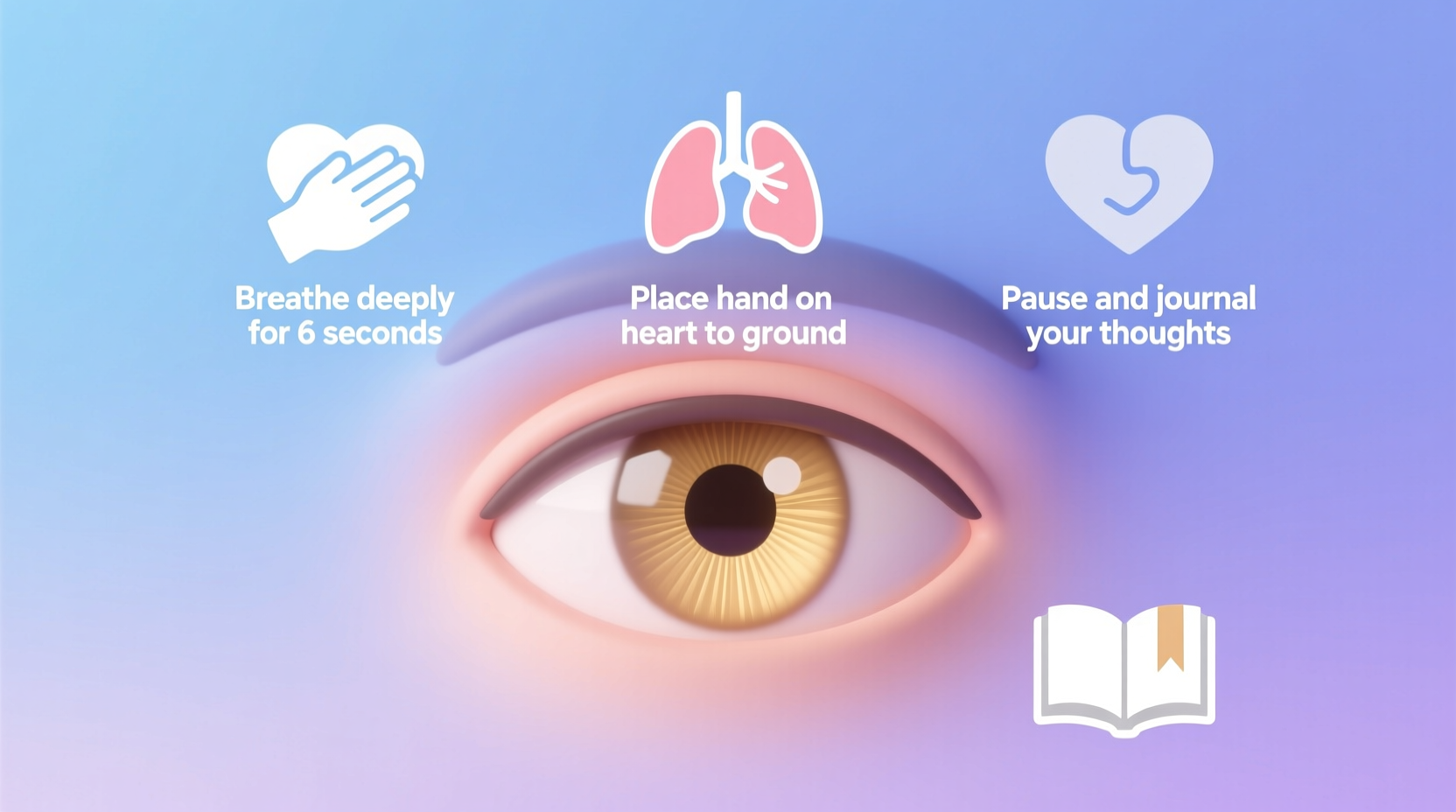
Eye twitching, medically known as myokymia, refers to involuntary contractions of the muscles around the eyelid—usually the lower lid of one eye. These tiny spasms occur due to erratic nerve signals firing in rapid succession, causing the muscle fibers to contract without conscious control. While occasional twitches are normal, chronic or recurring episodes are often linked to stress, fatigue, and overstimulation of the nervous system.
When you experience stress—whether emotional, mental, or physical—your body activates the sympathetic nervous system, commonly known as the “fight-or-flight” response. This triggers a cascade of physiological changes: increased heart rate, elevated cortisol (the stress hormone), heightened muscle tension, and faster breathing. In this state, nerves become hyperexcitable, making them more prone to misfire. The delicate orbicularis oculi muscle surrounding the eye is particularly sensitive to these fluctuations.
Dr. Lena Tran, a neurologist specializing in movement disorders, explains:
“Stress doesn’t create eye twitching directly, but it lowers the threshold for neuromuscular irritability. When combined with poor sleep, caffeine, or dehydration, even mild stress can tip the balance and trigger persistent myokymia.”
Unlike more serious neurological conditions such as blepharospasm or hemifacial spasm—which involve both eyes or larger facial areas—everyday stress-related twitching is localized, temporary, and rarely requires medical intervention.
Common Triggers That Amplify Eye Twitching Under Stress
While stress is the primary instigator, it rarely acts alone. Several co-factors amplify its effect on the nervous system, increasing the likelihood and duration of twitching. Recognizing these contributors helps pinpoint what to adjust in your daily routine.
- Caffeine Overload: Coffee, energy drinks, and even excessive tea stimulate the central nervous system. High intake increases neural excitability, making muscles—including those around the eye—more prone to spasms.
- Sleep Deprivation: Chronic lack of quality sleep disrupts neurotransmitter regulation. Even one night of poor rest can trigger twitching in sensitive individuals.
- Dry Eyes: Prolonged screen time reduces blink rate, leading to ocular dryness. This irritation sends feedback signals to the brain, which may respond with muscle twitching as a protective reflex.
- Nutritional Deficiencies: Low levels of magnesium, potassium, and vitamin B12 play a documented role in neuromuscular stability. Deficits can heighten nerve sensitivity.
- Digital Eye Strain: Staring at screens for extended periods fatigues the eye muscles and strains focus mechanisms, compounding stress-related symptoms.
Simple Relief Tips to Stop Eye Twitching Naturally
The key to resolving stress-induced eye twitching lies not in suppressing the symptom but in addressing its root causes. Most cases resolve within days to weeks once triggers are managed. Below are proven, low-effort strategies backed by clinical observation and patient outcomes.
1. Practice Diaphragmatic Breathing
Deep breathing activates the parasympathetic nervous system—the “rest-and-digest” counterbalance to stress. Just five minutes of slow, controlled breaths can reduce cortisol levels and calm overactive nerves.
- Sit comfortably with spine straight.
- Inhale slowly through your nose for four counts, letting your abdomen rise.
- Hold for two counts.
- Exhale gently through pursed lips for six counts.
- Repeat for 5–10 minutes, ideally twice daily or during acute stress spikes.
2. Apply Warm Compresses
A warm (not hot) washcloth placed over closed eyes for 5–10 minutes improves local circulation and relaxes tense muscles. It also soothes dry eyes, reducing sensory irritation that contributes to twitching.
3. Prioritize Sleep Hygiene
Consistent, high-quality sleep regulates nervous system function. Aim for 7–9 hours per night with a regular bedtime. Avoid screens at least one hour before bed and keep your bedroom cool, dark, and quiet.
4. Replenish Key Nutrients
Magnesium glycinate or citrate (200–400 mg/day) has been shown in studies to reduce muscle spasms and support nerve health. Pair it with a B-complex supplement to cover other critical cofactors like B6 and B12.
5. Take Digital Detox Breaks
Follow the 20-20-20 rule: every 20 minutes, look at something 20 feet away for at least 20 seconds. This reduces eye strain and gives ocular muscles a chance to reset.
What to Do and What to Avoid: A Quick Reference Table
| Do | Don’t |
|---|---|
| Drink plenty of water throughout the day | Skip meals or rely on sugary snacks |
| Use lubricating eye drops if eyes feel dry | Rub your eyes vigorously |
| Practice mindfulness or gentle yoga | Consume caffeine after noon |
| Get 7+ hours of uninterrupted sleep | Work late into the night under bright lights |
| Keep a symptom journal to identify patterns | Ignore persistent twitching lasting over three weeks |
Real-Life Example: How Sarah Reduced Her Chronic Twitching
Sarah, a 34-year-old project manager, began noticing her left eye twitching every Monday morning. At first, she dismissed it as weekend exhaustion. But when it persisted for two months—worsening during presentations—she decided to investigate.
She started tracking her habits and discovered a pattern: Sunday nights involved late work emails, strong coffee, and only five hours of sleep. Her weekday lunch was often skipped, replaced with an afternoon energy drink. Eye strain from back-to-back Zoom calls compounded the issue.
With guidance from her primary care provider, Sarah implemented small changes: no caffeine after 10 a.m., a consistent bedtime, warm compresses each evening, and scheduled screen breaks. Within 10 days, the twitching stopped. More importantly, she reported feeling calmer and more focused at work.
Her case illustrates a crucial point: eye twitching isn’t just a nuisance—it’s a biofeedback signal. By listening to it, Sarah improved not only her eye health but her overall well-being.
When to Seek Medical Advice
In most cases, stress-related eye twitching resolves independently. However, certain red flags warrant professional evaluation:
- Twitching lasts longer than three weeks without improvement
- Spasms spread to other parts of the face
- Eyes become red, swollen, or produce discharge
- The eyelid begins to droop or close involuntarily
- Twitching interferes with vision or daily activities
If any of these occur, consult a healthcare provider. Conditions like benign essential blepharospasm, facial nerve irritation, or even rare neurological issues may require targeted treatment, including botulinum toxin (Botox) injections or medication.
FAQ: Common Questions About Stress-Induced Eye Twitching
Can anxiety cause eye twitching even if I don’t feel stressed?
Yes. Anxiety often operates below conscious awareness. You may appear calm externally while your body remains in a state of low-grade arousal. This autonomic activation can still trigger muscle spasms, including eye twitching. Mind-body practices like meditation or progressive muscle relaxation can help regulate these hidden stress responses.
Is eye twitching a sign of a serious illness?
Almost never in isolation. Occasional, short-lived twitching is extremely common and benign. Only when accompanied by other neurological symptoms—such as facial weakness, vision changes, or coordination problems—should serious conditions be considered. If concerned, a neurologist can perform a quick assessment to rule out underlying issues.
Can children get stress-related eye twitching too?
Yes. Children and teens are increasingly reporting eye twitching due to academic pressure, screen overuse, and irregular sleep. Parents should monitor digital habits, encourage outdoor activity, and model healthy stress management. Most pediatric cases improve with lifestyle adjustments alone.
Your Action Plan: A 7-Day Stress-Relief Checklist
Start today with this practical, week-long plan to reduce eye twitching and build long-term resilience.
- Day 1: Eliminate caffeine after 10 a.m. Switch to herbal tea or decaf options.
- Day 2: Set a bedtime alarm. Aim to go to sleep 15 minutes earlier than usual.
- Day 3: Perform two 5-minute breathing sessions—one in the morning, one before bed.
- Day 4: Use a warm compress for 5 minutes after work or screen use.
- Day 5: Take three intentional 20-20-20 breaks during screen time.
- Day 6: Eat a magnesium-rich meal (e.g., spinach salad with almonds, avocado, and salmon).
- Day 7: Reflect on changes. Note any reduction in twitching, improved calm, or better sleep.
Repeat the cycle weekly until symptoms resolve. Many people notice improvement within 3–5 days.
Conclusion: Listen to Your Body, Restore Your Balance
Eye twitching when stressed isn’t a flaw—it’s feedback. In a world that glorifies busyness, your body uses subtle signs like muscle spasms to tell you it’s overwhelmed. Rather than reaching for quick fixes or worrying about worst-case scenarios, take this as an invitation to pause, assess, and recalibrate.
The relief strategies outlined here aren’t just for stopping a twitch—they’re foundational habits for sustainable health. Better sleep, mindful breathing, balanced nutrition, and digital boundaries benefit far more than your eyelids. They enhance focus, mood, immunity, and emotional resilience.




 浙公网安备
33010002000092号
浙公网安备
33010002000092号 浙B2-20120091-4
Comments
No comments yet. Why don't you start the discussion?