
If you’ve ever noticed that a particular area of your face—perhaps near your chin, jawline, or temple—seems to flare up with acne like clockwork, you’re not imagining it. Recurring acne in the same spot is more common than most people realize. While occasional breakouts are normal, persistent pimples in one location suggest deeper underlying causes beyond surface-level hygiene. Understanding why this happens—and what to do about it—is essential for achieving clear, lasting skin.
Recurring acne isn’t just frustrating; it can also lead to hyperpigmentation, scarring, and lowered self-confidence if left unmanaged. The good news? With targeted care, lifestyle adjustments, and consistency, you can break the cycle. This guide dives into the root causes of repeat breakouts and delivers practical, dermatologist-approved solutions to help you reclaim control over your skin.
Why Acne Keeps Coming Back to the Same Spot
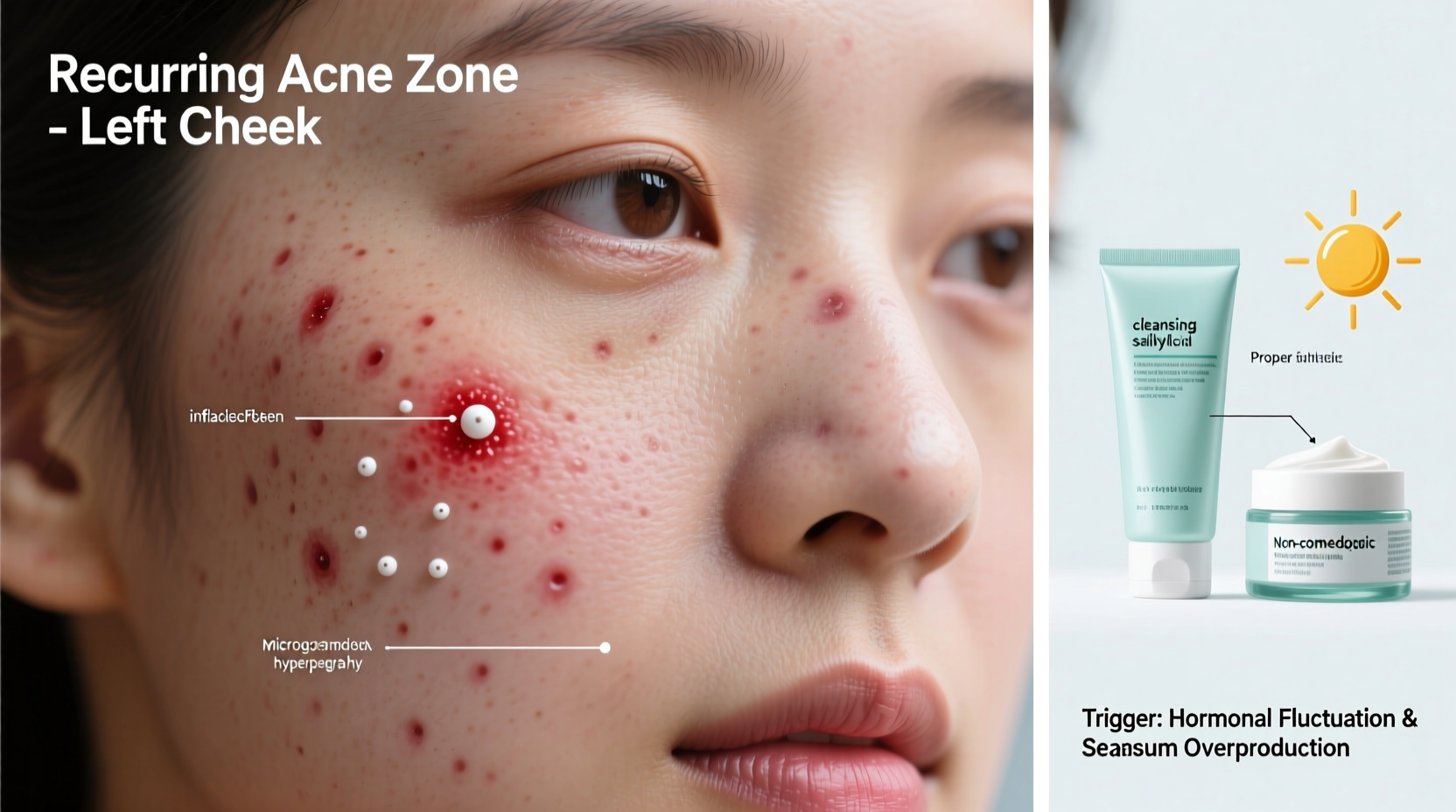
Acne recurrence in a specific area often results from a combination of internal and external factors. Unlike random breakouts triggered by diet or stress, persistent acne tends to stem from localized vulnerabilities in the skin’s structure or function.
One primary reason is **clogged hair follicles**. If a pore in a certain area has been damaged or enlarged due to previous inflammation, it becomes more prone to trapping sebum (oil), dead skin cells, and bacteria. Once compromised, these pores struggle to self-clean, making them a hotspot for future flare-ups.
Another factor is **chronic low-grade inflammation** beneath the skin’s surface. Even after a pimple heals, residual inflammation may linger, weakening the follicle wall and increasing its susceptibility to re-infection. This explains why some spots seem to “remember” past breakouts and reactivate under minor triggers.
Hormonal fluctuations, especially along the lower face and jawline, also play a significant role. Androgen hormones stimulate oil production, and when levels shift—during menstruation, stress, or sleep disruption—certain areas may respond more aggressively than others.
Anatomical Hotspots and Their Triggers
Different facial zones are linked to distinct causes:
- Chin and jawline: Often hormonal. Common in adult women due to androgen sensitivity.
- Forehead: Can be caused by hair products, hats, or pillowcase buildup transferring oils and irritants.
- Nose and T-zone: Naturally oilier skin increases clogging risk.
- Temples: Frequently aggravated by hair contact, phones, or dirty hands.
Recognizing your personal pattern helps tailor treatment effectively.
The Role of Bacteria and Biofilm Formation
While Cutibacterium acnes (formerly Propionibacterium acnes) is a normal part of the skin microbiome, overgrowth in compromised follicles leads to inflammation and acne. In recurring cases, research suggests that biofilms—colonies of bacteria encased in a protective layer—may form inside stubborn pores.
These biofilms shield bacteria from topical treatments and immune responses, allowing them to persist even after surface symptoms disappear. This makes standard cleansers less effective and explains why some spots resist treatment despite consistent skincare.
“Biofilm formation in hair follicles is an emerging explanation for chronic and recurrent acne. It underscores the need for both mechanical exfoliation and antimicrobial therapy.” — Dr. Lena Torres, Board-Certified Dermatologist
To disrupt biofilms, ingredients like salicylic acid (a beta-hydroxy acid that penetrates oil) and benzoyl peroxide (which releases oxygen to kill anaerobic bacteria) are particularly effective when used consistently.
Common Habits That Fuel Repeat Breakouts
Sometimes, the cause of recurring acne isn’t medical—it’s behavioral. Everyday habits can unknowingly sabotage your skin’s healing process.
| Habit | How It Causes Recurrence | Solution |
|---|---|---|
| Touching face frequently | Transfers oil, dirt, and bacteria to vulnerable areas | Wash hands regularly; avoid resting chin on hand |
| Using comedogenic skincare or makeup | Clogs pores in already sensitive zones | Switch to non-comedogenic, fragrance-free formulas |
| Sleeping on dirty pillowcases | Buildup of oil and bacteria reinfects skin nightly | Change pillowcases every 2–3 days |
| Over-exfoliating | Disrupts skin barrier, triggering more oil and inflammation | Limits exfoliation to 2–3 times per week |
Environmental exposure matters too. Phones, sunglasses, helmets, and even workplace equipment can press against the same area daily, creating friction (acne mechanica) and reintroducing bacteria.
Step-by-Step Guide to Stop Recurring Acne
Breaking the cycle requires a multi-pronged approach. Follow this timeline-based strategy to target both active breakouts and long-term prevention.
- Week 1–2: Assess and Simplify
- Identify the exact location and frequency of breakouts.
- Eliminate all potential irritants: fragranced products, heavy moisturizers, and occlusive sunscreens.
- Begin a gentle routine: mild cleanser, lightweight hydrator, and SPF 30+.
- Week 3–4: Introduce Active Ingredients
- Add a 2% salicylic acid cleanser or toner 3–4 times per week to exfoliate deep within pores.
- Apply a 5% benzoyl peroxide spot treatment every other night to reduce bacterial load.
- Monitor for irritation; scale back if redness or peeling occurs.
- Week 5–8: Target Hormonal or Internal Factors
- Track breakouts relative to menstrual cycle. If they align, consider consulting a dermatologist about hormonal therapies (e.g., birth control pills, spironolactone).
- Incorporate niacinamide serum to regulate sebum and strengthen the skin barrier.
- Optimize sleep, hydration, and manage stress through mindfulness or exercise.
- Ongoing Maintenance: Prevent Relapse
- Continue using actives 2–3 times weekly as maintenance.
- Rotate pillowcases and sanitize devices weekly.
- Schedule quarterly professional extractions or chemical peels if needed.
When to See a Dermatologist
Over-the-counter treatments work for many, but persistent acne in the same spot may require prescription intervention. Seek professional help if:
- Breakouts last longer than 8 weeks despite consistent care.
- Pimples are deep, painful nodules or cysts.
- You notice scarring or dark spots forming.
- Acne flares coincide with hormonal symptoms (irregular periods, excess facial hair).
Dermatologists may prescribe topical retinoids (like tretinoin), oral antibiotics, or hormonal blockers depending on the diagnosis. For severe cases, corticosteroid injections can rapidly reduce large, inflamed lesions.
“Treating recurring acne isn’t just about killing bacteria—it’s about restoring balance to the skin’s ecosystem. A personalized plan beats generic routines every time.” — Dr. Arjun Patel, Clinical Dermatology Researcher
Mini Case Study: Sarah’s Jawline Breakouts
Sarah, a 29-year-old graphic designer, struggled with monthly breakouts along her right jawline. Despite trying countless spot treatments, the same area flared up like clockwork before her period. She avoided dairy and changed her skincare routine frequently, but nothing stopped the cycle.
After visiting a dermatologist, she learned two key things: first, her breakout pattern was hormonally driven; second, she was pressing her phone against her face for hours daily, transferring bacteria to that exact spot.
With a prescription for spironolactone and a commitment to using speakerphone, Sarah saw dramatic improvement within three months. She now uses a salicylic acid toner twice weekly and changes her pillowcase every two days. Her jawline remains clear, and she no longer dreads her premenstrual skin changes.
Essential Checklist to Prevent Recurring Acne
Use this actionable checklist to stay on track:
- ✅ Identify your breakout zone and track patterns for 4 weeks.
- ✅ Switch to non-comedogenic, fragrance-free skincare and makeup.
- ✅ Wash pillowcases, hats, and phone screens twice weekly.
- ✅ Use a salicylic acid or benzoyl peroxide product 3 times per week.
- ✅ Avoid touching your face throughout the day.
- ✅ Apply sunscreen daily—even when treating acne.
- ✅ Consult a dermatologist if no improvement in 8 weeks.
- ✅ Manage stress and prioritize 7–8 hours of sleep nightly.
Frequently Asked Questions
Can a pimple scar cause future breakouts in the same spot?
Not directly, but scar tissue can alter the structure of a pore, making it more prone to clogging. Additionally, post-inflammatory hyperpigmentation may make old breakout sites more noticeable, giving the illusion of recurrence.
Is it safe to use multiple acne treatments at once?
Combining too many active ingredients (like retinoids, acids, and benzoyl peroxide) can damage your skin barrier and worsen acne. Start with one treatment and introduce others gradually. If irritation occurs, scale back and focus on hydration.
Does diet really affect recurring acne?
For some individuals, yes. High-glycemic foods (sugary snacks, white bread) and dairy have been linked to increased acne severity, especially hormonal types. While not everyone is affected, reducing these foods may help if your breakouts are persistent and resistant to topical care.
Take Control of Your Skin Health
Recurring acne in the same spot is not a life sentence. It’s a signal—one that your skin is trying to communicate imbalance, whether from hormones, habits, or hidden irritants. By listening closely and responding with precision, you can interrupt the cycle and restore clarity.
Success doesn’t come from hopping between trendy products, but from consistency, patience, and informed choices. You don’t need perfection—just persistence. Every step you take toward understanding your skin brings you closer to lasting results.




 浙公网安备
33010002000092号
浙公网安备
33010002000092号 浙B2-20120091-4
Comments
No comments yet. Why don't you start the discussion?