
Sunscreen is non-negotiable for skin health. Daily use protects against premature aging, hyperpigmentation, and skin cancer. Yet, many people experience breakouts shortly after applying sunscreen—especially on the face. If you’ve ever asked, “Why does my face breakout after wearing sunscreen?” you’re not alone. This reaction isn’t inevitable, nor does it mean you should skip sun protection. Instead, it’s a signal that your current product or routine may be mismatched to your skin type. Understanding the root causes and making informed choices can help you enjoy both clear skin and full UV defense.
What Causes Breakouts After Sunscreen Use?
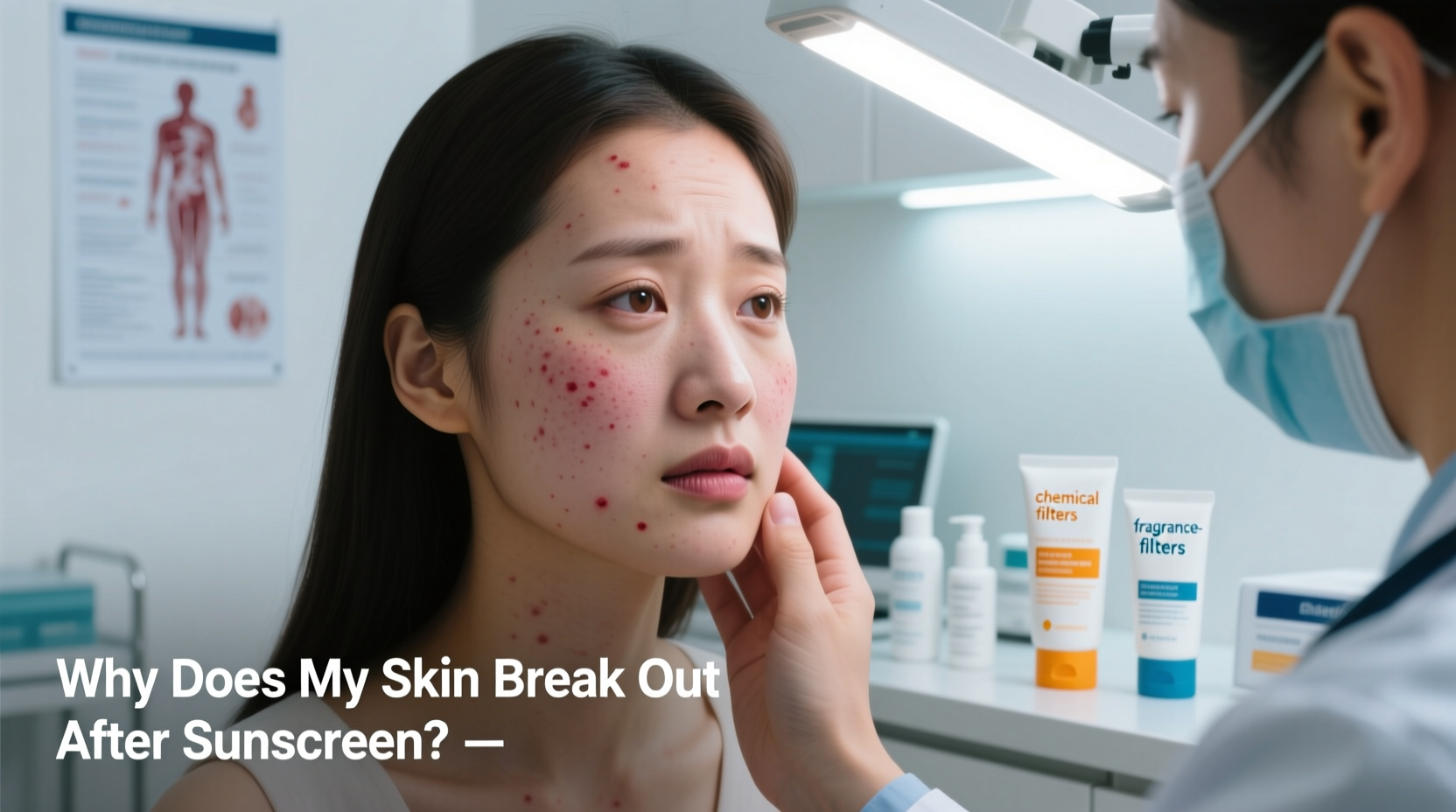
Acne after sunscreen application typically results from pore-clogging ingredients, irritation, or an imbalance in your skin’s microbiome. Unlike body breakouts, facial acne triggered by sunscreen often appears around the forehead, cheeks, nose, and jawline—areas where sunscreen is most heavily applied.
The primary culprits include comedogenic (pore-blocking) ingredients such as certain oils, silicones, and waxes. When these substances sit on the skin's surface or penetrate into pores, they trap sebum, dead skin cells, and bacteria—creating the perfect environment for pimples to form.
Additionally, chemical UV filters like oxybenzone and avobenzone may irritate sensitive or acne-prone skin, leading to inflammation that mimics or worsens acne. Physical blockers like zinc oxide and titanium dioxide are generally gentler but can still cause issues if formulated with thick emollients or left on too long without cleansing.
Choosing the Right Sunscreen for Acne-Prone Skin
Not all sunscreens are created equal, especially when it comes to compatibility with acne-prone or oily skin. The key is selecting formulas labeled “non-comedogenic,” “oil-free,” and “lightweight.” These terms indicate the product has been tested or designed not to block pores.
Look for sunscreens with a fluid or gel texture rather than heavy creams. Water-based or serum-like formulations absorb quickly and minimize greasiness. Ingredients like niacinamide, hyaluronic acid, or glycerin offer hydration without congestion, while alcohol denat (in moderation) can help control shine—though it may irritate some individuals.
Avoid products containing coconut oil, lanolin, cocoa butter, or isopropyl myristate—common offenders in comedogenicity studies. Similarly, dimethicone and cyclomethicone, though widely used for smooth application, can build up over time and contribute to milia or clogged pores in susceptible individuals.
“Patients with acne-prone skin should treat sunscreen selection like skincare formulation: simple, breathable, and low on occlusive agents.” — Dr. Lena Park, Board-Certified Dermatologist
Recommended Sunscreen Types by Skin Type
| Skin Type | Best Sunscreen Type | Ingredients to Look For | Ingredients to Avoid |
|---|---|---|---|
| Oily/Acne-Prone | Oil-free gel or fluid SPF | Niacinamide, zinc oxide (micronized), silica | Coconut oil, lanolin, mineral oil |
| Dry/Dehydrated | Hydrating lotion SPF | Hyaluronic acid, squalane, ceramides | Alcohol denat., fragrances |
| Sensitive/Rosacea-Prone | Mineral (physical) SPF | Zinc oxide, titanium dioxide, allantoin | Oxybenzone, homosalate, synthetic dyes |
| Combination | Lightweight hybrid SPF | Non-nano zinc, glycerin, green tea extract | Heavy silicones, parabens |
How to Layer Sunscreen Without Clogging Pores
Your skincare layering technique plays a major role in whether sunscreen causes breakouts. Applying multiple rich products in succession increases the risk of pilling, trapping debris, and overwhelming your skin barrier.
Follow this sequence for optimal absorption and minimal congestion:
- Cleanse with a gentle, pH-balanced face wash.
- Apply lightweight, water-based serums (e.g., vitamin C, niacinamide).
- Use a light moisturizer—preferably one labeled “non-comedogenic.”
- Wait 2–3 minutes before applying sunscreen to allow layers to absorb.
- Apply sunscreen generously (about 1/4 teaspoon for the face) using upward motions.
- If wearing makeup, let sunscreen set for 5 minutes before foundation.
Skipping moisturizer altogether can backfire. Dehydrated skin may overproduce oil in compensation, increasing the likelihood of breakouts. A well-hydrated barrier also improves sunscreen adherence and comfort.
Common Layering Mistakes That Trigger Breakouts
- Mixing incompatible textures (e.g., silicone-heavy primer under a mineral SPF).
- Applying too many occlusive products before sunscreen.
- Rubbing sunscreen in aggressively, causing micro-tears and irritation.
- Reapplying sunscreen over sweat and dirt without cleansing.
Step-by-Step Guide to Preventing Sunscreen-Induced Acne
Preventing breakouts isn’t just about choosing the right SPF—it requires a holistic approach to daily skin management. Follow this timeline to maintain clarity while protecting your skin from UV exposure.
- Evening Routine (7:00 PM): Double cleanse using an oil-based cleanser followed by a water-based foaming or gel cleanser. This removes sunscreen residue, pollution, and excess sebum.
- Nightly Treatment (7:15 PM): Apply a topical treatment with salicylic acid (BHA) 1–3 times per week to exfoliate inside pores. Alternatively, use a low-dose retinoid to regulate cell turnover.
- Morning Cleanse (7:00 AM): Rinse with lukewarm water or use a mild cleanser. Over-washing strips natural oils and can trigger rebound oil production.
- Moisturize & Prep (7:10 AM): Use a fast-absorbing moisturizer. Allow it to sink in fully before sunscreen.
- Sunscreen Application (7:15 AM): Apply broad-spectrum SPF 30 or higher. Reapply every 2 hours if outdoors or after sweating.
- Midday Refresh (if needed): Blot excess oil with tissue, then apply SPF via a non-comedogenic powder or spray—avoid layering liquid SPFs over existing product unless re-cleansing first.
This routine balances protection with pore hygiene. Consistency matters more than perfection; even small adjustments compound over time.
Mini Case Study: From Constant Breakouts to Clear Skin
Sophie, a 28-year-old graphic designer, struggled with persistent chin and forehead acne for years. She wore sunscreen daily but noticed breakouts flared within hours of application. Frustrated, she visited a dermatologist who reviewed her routine.
Her sunscreen was a popular brand marketed as “natural” but contained coconut oil and beeswax—both highly comedogenic. She also skipped moisturizer, believing it would make her skin oilier, which led to dehydration and increased sebum production.
After switching to a lightweight, zinc-based SPF labeled non-comedogenic and adding a simple hydrating moisturizer, Sophie saw improvement within three weeks. She incorporated weekly BHA exfoliation and committed to double cleansing at night. Six weeks later, her breakouts had reduced by over 80%, and she no longer feared morning sunscreen application.
Her case illustrates how ingredient awareness and proper layering can transform outcomes—even for those with stubborn, sunscreen-linked acne.
Checklist: How to Choose and Use Sunscreen Without Breaking Out
- ✅ Confirm the sunscreen is labeled “non-comedogenic” and “oil-free.”
- ✅ Opt for mineral (zinc oxide) or hybrid formulas if you have sensitive or acne-prone skin.
- ✅ Avoid fragrance, essential oils, and known comedogenic ingredients.
- ✅ Patch test new sunscreens for 3–5 days before full-face use.
- ✅ Double cleanse at night to remove all sunscreen residue.
- ✅ Exfoliate 2–3 times per week with salicylic acid or a gentle chemical exfoliant.
- ✅ Reapply sunscreen correctly—either with a clean face or using blotting techniques.
- ✅ Replace expired sunscreen (most last 12 months after opening).
Frequently Asked Questions
Can sunscreen cause hormonal acne?
No, sunscreen does not directly disrupt hormones or cause hormonal acne. However, certain chemical filters like oxybenzone have weak estrogenic activity in lab studies, though there’s no conclusive evidence this affects humans at typical usage levels. Breakouts from sunscreen are usually due to clogged pores or irritation, not hormonal shifts.
Is mineral sunscreen better for acne-prone skin?
Often, yes. Mineral sunscreens using zinc oxide or titanium dioxide are less likely to irritate sensitive or acne-prone skin because they sit on the surface and don’t penetrate deeply. However, some mineral formulas contain thick binders or waxes that can clog pores. Always check the full ingredient list—not just the active filters.
Do I need to wear sunscreen if I work indoors?
Yes. UVA rays penetrate glass and can reach your skin through windows, contributing to photoaging and pigmentation. Even brief outdoor commutes or midday walks expose you to damaging radiation. Daily SPF remains essential, regardless of indoor vs. outdoor work.
Final Thoughts: Protect Your Skin Without Sacrificing Clarity
Breaking out after sunscreen doesn’t mean you must choose between healthy skin and clear skin. It means your current formula or routine needs refinement. With careful ingredient selection, smart layering, and consistent cleansing, you can enjoy the protective benefits of daily SPF without the frustration of blemishes.
Start by auditing your current sunscreen. Read the label, research unfamiliar ingredients, and consider switching to a lighter, non-comedogenic alternative. Pair it with a balanced skincare rhythm that supports your skin’s natural functions. Small changes yield lasting results.




 浙公网安备
33010002000092号
浙公网安备
33010002000092号 浙B2-20120091-4
Comments
No comments yet. Why don't you start the discussion?