
It’s a familiar frustration: you wake up, cleanse your face with care, apply your skincare products, and leave the house feeling fresh—only to find your forehead, nose, and chin glistening by noon. Despite following what seems like a solid morning routine, oil reappears with relentless persistence. You're not alone. Millions deal with midday shine, often misinterpreting it as overactive sebaceous glands or poor hygiene. The truth is more nuanced. Oil production is influenced by a complex interplay of biology, product choices, environmental factors, and even how you cleanse your skin.
The goal isn’t to eliminate oil completely—your skin needs natural sebum to stay hydrated and protected—but to regulate its production and distribution throughout the day. Understanding why oil returns so quickly is the first step toward creating a morning routine that actually works. This article breaks down the science behind midday oiliness, evaluates common mistakes in daily routines, and provides actionable fixes backed by dermatological insight.
The Science Behind Midday Oil Production
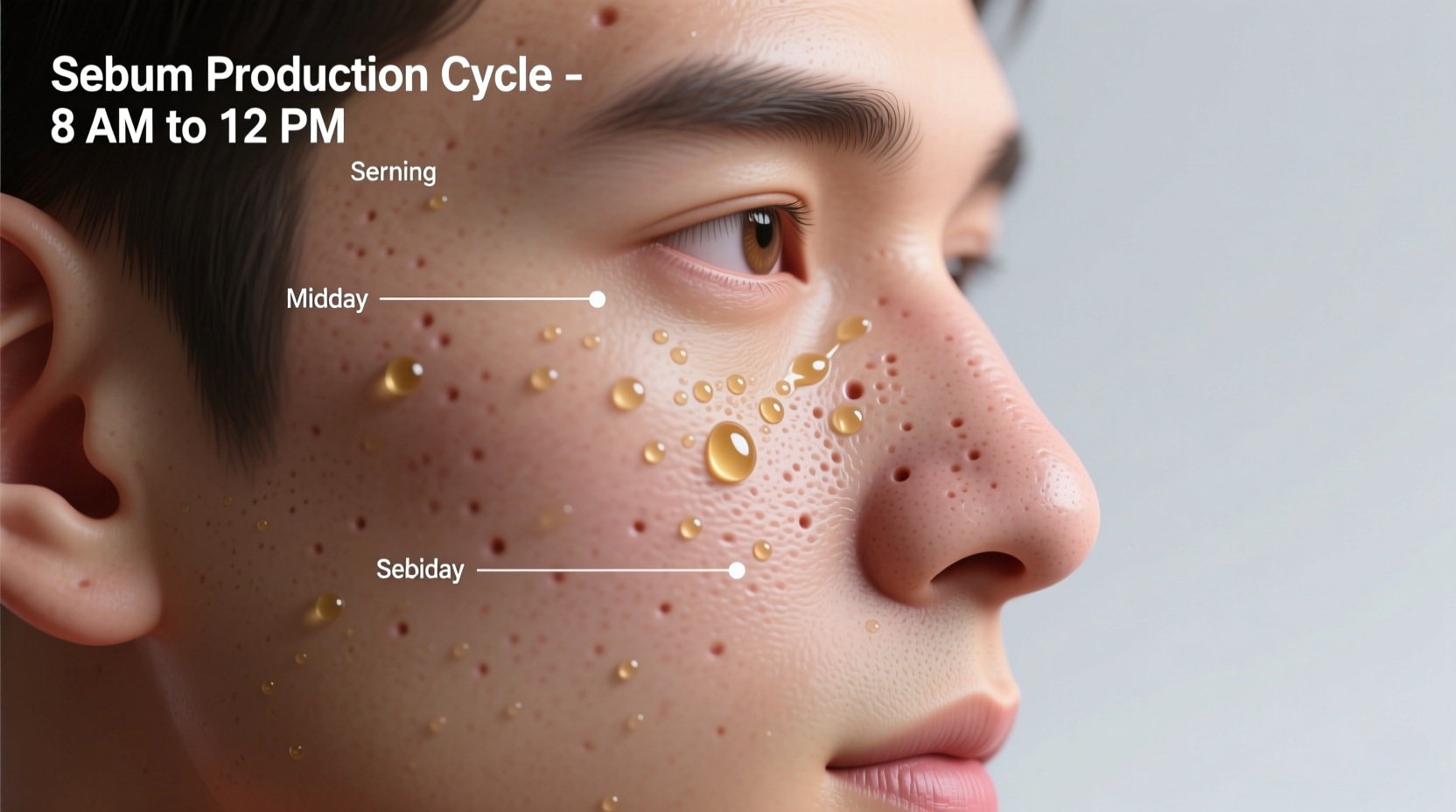
Sebum, the oily substance produced by sebaceous glands, plays a vital role in maintaining the skin’s moisture barrier and protecting against pathogens. These glands are most concentrated on the face, especially in the T-zone (forehead, nose, and chin), which explains why oil tends to accumulate there first.
Oil production is regulated by hormones, particularly androgens like testosterone, which stimulate sebaceous activity. While hormone levels fluctuate naturally throughout the day, external triggers can amplify sebum output. For example, cortisol—the stress hormone—can increase sebum production within hours of a stressful event. Similarly, high-glycemic diets and dairy intake have been linked to increased oiliness and acne in clinical studies.
Temperature and humidity also play a major role. As ambient temperature rises during the day, your skin warms up, increasing blood flow and metabolic activity—including sebum secretion. Humid environments can make oil appear more pronounced because sweat mixes with sebum, creating a greasy film.
“Many patients assume their skin is ‘too oily,’ but often they’re over-cleansing, which signals the skin to produce more oil to compensate.” — Dr. Lena Patel, Board-Certified Dermatologist
Common Morning Routine Mistakes That Worsen Oiliness
Ironically, many people battling oiliness follow routines that exacerbate the problem. Over-cleansing, using harsh products, or skipping key steps can disrupt the skin’s natural balance. Here are the most frequent errors:
- Using sulfates or alcohol-based cleansers: These strip the skin of natural oils, triggering rebound sebum production.
- Skipping moisturizer: Dehydrated skin compensates by producing more oil, leading to a paradoxical situation where dry skin feels oily.
- Applying heavy creams or occlusives: Thick formulations can trap oil and heat, accelerating shine.
- Over-exfoliating: Daily physical scrubs or strong chemical exfoliants damage the skin barrier, increasing irritation and oil output.
- Not using sunscreen: UV exposure stresses the skin, prompting sebaceous glands to ramp up oil production as a defense mechanism.
Effective Morning Routine Fixes for Lasting Matte Skin
A well-structured morning routine should support the skin’s natural functions while minimizing excess shine. The key is balance: cleanse gently, hydrate effectively, and protect without clogging pores. Below is a step-by-step guide to optimize your regimen.
Step 1: Use a Gentle, Low-pH Cleanser
Replace harsh foaming washes with a mild, non-stripping cleanser containing ingredients like glycerin, ceramides, or amino acids. Look for labels such as “non-comedogenic” and “for oily or combination skin.” A slightly acidic pH (around 5.5) helps maintain the skin’s protective acid mantle.
Step 2: Apply a Lightweight, Oil-Free Moisturizer
Even oily skin needs hydration. Choose a water-based moisturizer with hyaluronic acid or niacinamide. Niacinamide, in particular, has been shown in studies to reduce sebum production by up to 60% over four weeks.
Step 3: Layer on a Mattifying Primer (Optional)
If you wear makeup, a silicone-free mattifying primer with silica or clay can absorb oil and extend the life of your base. Apply only to the T-zone to avoid over-drying other areas.
Step 4: Finish with Broad-Spectrum SPF
Sunscreen is non-negotiable. Opt for a lightweight, mineral or hybrid formula labeled “matte finish” or “oil-free.” Zinc oxide and titanium dioxide offer physical protection without contributing to greasiness.
| Product Type | Recommended Ingredients | Avoid |
|---|---|---|
| Cleanser | Glycerin, amino acids, salicylic acid (low concentration) | Sulfates, alcohol denat, menthol |
| Moisturizer | Hyaluronic acid, niacinamide, ceramides | Mineral oil, lanolin, dimethicone (high concentrations) |
| Sunscreen | Zinc oxide, silica, niacinamide | Oxybenzone, heavy oils, fragrance |
Real-Life Example: How Sarah Reduced Midday Shine in Two Weeks
Sarah, a 28-year-old marketing professional, struggled with oily skin despite washing her face twice daily with a strong acne cleanser. By 11 a.m., her T-zone was shiny, and she relied on blotting papers every hour. After consulting a dermatologist, she overhauled her routine:
- Switched from a foaming benzoyl peroxide wash to a milky cleanser with ceramides.
- Started using a niacinamide serum followed by a gel moisturizer.
- Applied a matte-finish SPF 30 every morning.
- Stopped using toners with alcohol.
Within ten days, Sarah noticed less oil accumulation. By week three, she only needed to blot once by mid-afternoon. Her skin felt balanced, not stripped, and her makeup lasted significantly longer. The change wasn’t due to fewer products, but better choices aligned with her skin’s actual needs.
Additional Strategies Beyond the Morning Routine
While your morning ritual sets the tone, all-day oil control depends on ongoing habits. Consider these complementary strategies:
- Blotting Papers Over Powder: Press—don’t rub—blotting papers on oily areas. Unlike powder, they remove oil without adding layers that can cake or clog pores.
- Diet Adjustments: Reduce intake of high-glycemic foods (sugary snacks, white bread) and skim dairy, both linked to increased sebum production.
- Hydration: Drink adequate water. Dehydration signals the skin to produce more oil to prevent moisture loss.
- Stress Management: Practice mindfulness, deep breathing, or short walks during lunch breaks. Lower stress means lower cortisol and reduced oil spikes.
- Pillowcase Hygiene: Change pillowcases every 2–3 days. Cotton absorbs oil and bacteria; silk or satin reduces friction and buildup.
Frequently Asked Questions
Can drinking more water really reduce facial oil?
Yes, indirectly. When your body is dehydrated, the skin compensates by producing more sebum to lock in moisture. Staying well-hydrated supports overall skin balance, reducing the need for excess oil production.
Is it okay to wash my face again at noon?
Generally, no. Midday cleansing can disrupt your skin’s barrier and trigger more oil. Instead, use blotting papers or a setting spray. If you must cleanse, use a micellar water on a cotton pad, followed by a light moisturizer and SPF.
Do hormonal changes affect oiliness?
Absolutely. Androgens influence sebum production, which is why many women experience increased oiliness before menstruation or during puberty and pregnancy. In persistent cases, a dermatologist may recommend hormonal treatments like oral contraceptives or spironolactone.
Checklist: Your Oily Skin Morning Routine Audit
Use this checklist to evaluate and refine your current routine:
- ☑️ Am I using a gentle, non-stripping cleanser?
- ☑️ Do I apply a lightweight, oil-free moisturizer every morning?
- ☑️ Is my sunscreen non-comedogenic and matte-finish?
- ☑️ Have I eliminated alcohol-based toners or astringents?
- ☑️ Am I applying products in the right order: cleanser → treatment → moisturizer → SPF?
- ☑️ Am I drinking enough water and managing daily stress?
- ☑️ Are my pillowcases clean and made of non-absorbent fabric?
“The best anti-oil strategy isn’t aggression—it’s balance. Support your skin, don’t attack it.” — Dr. Rajiv Mehta, Clinical Dermatologist
Conclusion: Take Control of Your Skin’s Balance
Midday oiliness isn’t a flaw—it’s a signal. Your skin is communicating its needs, whether that’s hydration, protection, or gentler treatment. By revising your morning routine with smarter product choices and understanding the biological drivers of sebum, you can achieve a fresher, more balanced complexion that lasts well beyond breakfast.
Stop fighting oil with harshness. Start working with your skin’s natural rhythm. Implement one change at a time, track your results, and adjust as needed. Lasting clarity comes not from stripping your skin bare, but from building a sustainable, science-backed routine that respects its complexity.




 浙公网安备
33010002000092号
浙公网安备
33010002000092号 浙B2-20120091-4
Comments
No comments yet. Why don't you start the discussion?