
It starts with fresh confidence: you wake up, cleanse your face, apply your favorite moisturizer and sunscreen, and step out feeling polished. By 11 a.m., your T-zone begins to glisten. By noon, your forehead, nose, and chin look like they’ve been lightly greased. You wipe them down, powder up, but within hours, the oil returns—sometimes worse than before. This common frustration affects people across skin types, not just those labeled \"oily.\" The truth is, oiliness isn't always about overproduction; it's often about imbalance, missteps in routine, or environmental triggers. Understanding the root causes—and applying targeted fixes—is key to lasting control.
The Science Behind Midday Oil: What’s Really Happening?
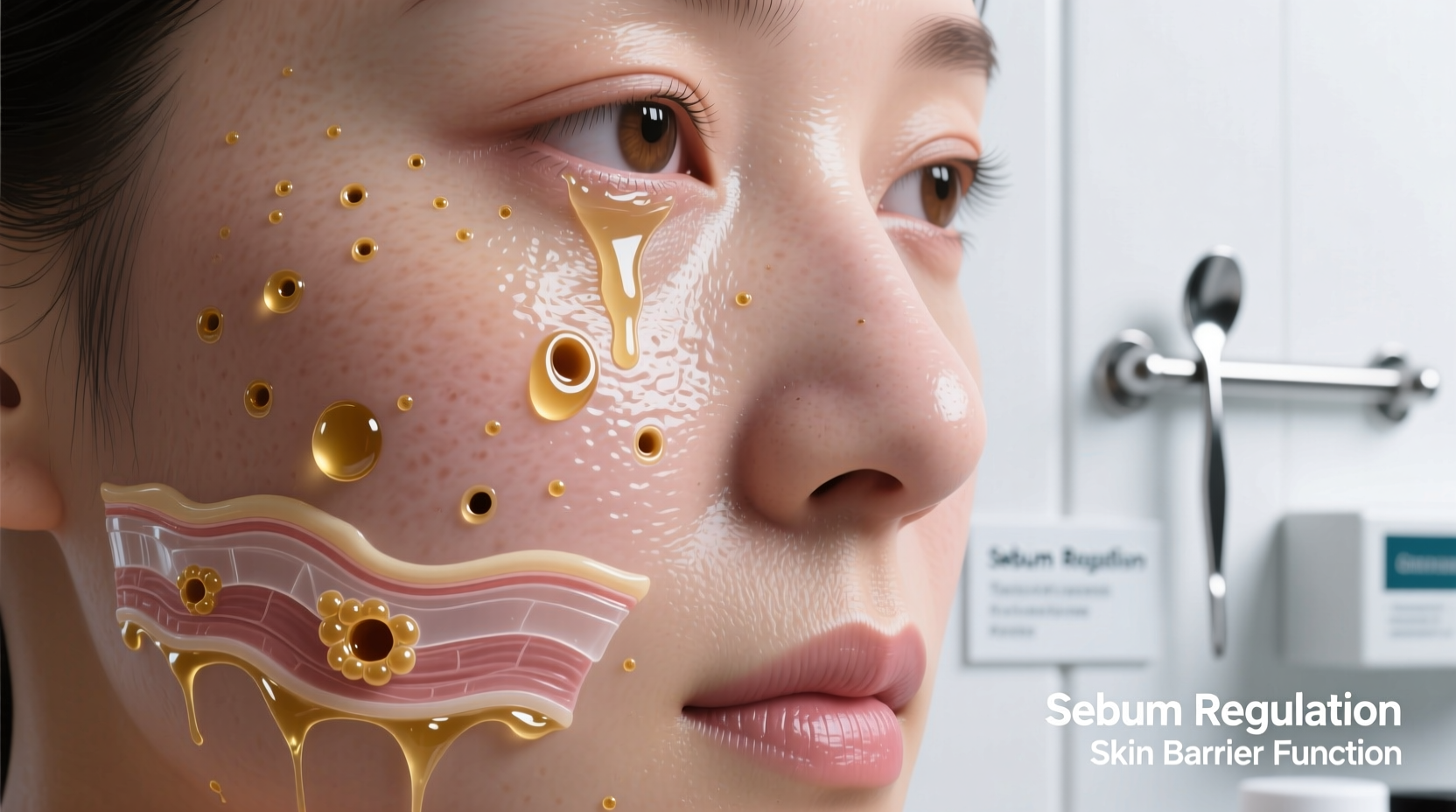
Sebaceous glands, concentrated in the T-zone (forehead, nose, and chin), produce sebum—an essential oil that protects and hydrates the skin barrier. When functioning normally, sebum keeps the skin supple and shielded from irritants. But when overstimulated, these glands go into overdrive, leading to visible shine, clogged pores, and sometimes breakouts.
Oil buildup by midday doesn’t necessarily mean your glands are hyperactive. It can result from:
- Over-cleansing: Stripping the skin of natural oils signals the brain to produce more sebum as compensation.
- Dehydration: Dry skin tricks the body into thinking it needs more oil, triggering excess sebum.
- Hormonal shifts: Androgens, especially cortisol (the stress hormone), directly influence sebum production.
- Environmental factors: Heat, humidity, and pollution increase surface oil and trap grime on the skin.
- Product incompatibility: Heavy creams or comedogenic ingredients can sit on the skin, mixing with sweat and bacteria.
According to Dr. Lena Park, a board-certified dermatologist based in Los Angeles, “Many patients come in frustrated because their morning routine feels flawless, yet by lunchtime, they’re blotting constantly. The culprit is rarely poor hygiene—it’s usually product mismatch or reactive dehydration.”
“Over-washing and using alcohol-heavy toners create a false sense of cleanliness while actually provoking oil rebound. Balance—not elimination—is the goal.” — Dr. Lena Park, Dermatologist
Skincare Missteps That Make Oil Worse
Even with the best intentions, everyday habits can sabotage your efforts. These are the most common mistakes that lead to midday oil spikes:
1. Using Harsh Cleansers
Stripping sulfates and foaming washes may feel satisfyingly clean, but they disrupt the skin’s pH and lipid barrier. When the skin detects dryness, it ramps up oil production to compensate—a process called reactive seborrhea.
2. Skipping Moisturizer
A myth persists that oily skin doesn’t need hydration. In reality, skipping moisturizer leads to transepidermal water loss (TEWL), prompting the skin to generate more oil to protect itself. Lightweight, non-comedogenic formulas are essential—even for oily types.
3. Layering Heavy or Occlusive Products
Creams containing mineral oil, lanolin, or silicones like dimethicone can build up over time, especially when combined with sweat. They don’t penetrate deeply and instead sit on the surface, creating a greasy film.
4. Overusing Blotting Papers
While convenient, excessive blotting removes only surface oil without addressing root causes. It can also stimulate glands through friction, increasing output later in the day.
Effective Skincare Fixes for Long-Lasting Control
Managing midday oil isn’t about fighting your skin—it’s about working with it. A strategic, balanced approach yields better results than aggressive drying. Here’s how to adjust your routine for lasting clarity.
1. Switch to a Balanced Cleanser
Use a sulfate-free, pH-balanced facial wash that removes impurities without stripping moisture. Ideal options contain mild surfactants like cocamidopropyl betaine and soothing agents such as allantoin or panthenol.
2. Hydrate with Lightweight Actives
Incorporate water-based serums with proven sebum regulators:
- Niacinamide (5–10%): Reduces sebum production, minimizes pores, and strengthens the barrier.
- Hyaluronic acid: Attracts moisture without heaviness, preventing dehydration-triggered oil.
- Zinc gluconate or PCA: Offers antimicrobial and oil-absorbing benefits.
3. Use Oil-Absorbing Primers or Sunscreens
Replace heavy moisturizers with mattifying sunscreens (SPF 30–50) that double as makeup primers. Look for silica, clay, or titanium dioxide to absorb oil throughout the day.
4. Exfoliate Strategically
Dead skin cells mix with sebum and clog pores, worsening shine. Use chemical exfoliants 2–3 times per week:
- BHA (salicylic acid 0.5–2%): Penetrates oil to clear pores.
- AHA (glycolic or lactic acid): Best for dullness, use cautiously if prone to sensitivity.
5. Set with Smart Powders
Instead of heavy setting powders, use translucent, talc-free formulas with added benefit ingredients like green tea extract or salicylic acid. Apply with a puff or brush only on the T-zone to avoid cakey buildup.
Step-by-Step Routine for an Oil-Controlled Day
Follow this timeline to align your skincare with your skin’s natural rhythm:
- 7:00 AM – Gentle Cleanse
Wash with lukewarm water and a creamy or gel cleanser. Pat dry—never rub. - 7:05 AM – Tone (Optional)
Use an alcohol-free toner with witch hazel or rose water to soothe and prep. - 7:10 AM – Serum Application
Apply niacinamide serum to damp skin. Let absorb for 60 seconds. - 7:15 AM – Lightweight Moisturizer
Choose a gel-cream with hyaluronic acid. Avoid thick occlusives unless extremely dry elsewhere. - 7:20 AM – Sunscreen
Use a mattifying SPF. Reapply at noon if outdoors or near windows. - 12:30 PM – Midday Refresh
Blot gently with tissue, then spritz with a thermal water mist. Follow with a light dusting of setting powder. - 7:00 PM – Double Cleanse
Start with micellar water or cleansing balm to dissolve sunscreen, then follow with regular cleanser. - 7:15 PM – Weekly Treatments
On exfoliation nights, apply BHA after cleansing. On others, use a clay mask once weekly to draw out excess oil.
Do’s and Don’ts: A Quick Reference Table
| Do | Don’t |
|---|---|
| Use non-comedogenic, water-based products | Apply heavy creams or petroleum-based ointments |
| Wash face twice daily—no more | Scrub aggressively or use hot water |
| Hydrate inside and out—drink water, use humectants | Skip moisturizer to “dry out” oil |
| Exfoliate 2–3x/week with BHA | Use physical scrubs daily—they cause micro-tears |
| Touch up with blotting papers or setting spray | Reapply full layers of foundation or cream products |
Real-Life Example: Sarah’s Journey to Balanced Skin
Sarah, a 28-year-old marketing executive in Miami, struggled with oily skin despite a rigorous routine. She washed her face three times a day with a strong acne cleanser, used a thick night cream, and carried blotting papers everywhere. By 1 p.m., her makeup would slide off, and she felt self-conscious during client calls.
After consulting a dermatologist, she made three key changes:
- Switched to a gentle foaming cleanser and reduced washing to twice daily.
- Added a 10% niacinamide serum every morning.
- Replaced her night cream with a gel moisturizer and started using a mattifying sunscreen.
Within three weeks, her midday shine decreased significantly. “I stopped feeling like I had to hide in the bathroom every few hours,” she said. “The biggest surprise? My skin felt less oily even though I was using *more* products—just the right ones.”
Frequently Asked Questions
Can drinking more water reduce oily skin?
Yes, indirectly. Chronic dehydration prompts the skin to overproduce oil. While water alone won’t stop sebum, staying hydrated supports overall skin function and reduces compensatory oiliness.
Is it safe to use niacinamide every day?
For most people, yes. Niacinamide is well-tolerated at concentrations of 5–10%. Start every other day if you have sensitive skin, then build up to daily use. Avoid combining with vitamin C in the same application to prevent flushing.
Why does my face get oily even when I don’t wear makeup?
Makeup isn’t the primary driver of oil. Sebum production is influenced by hormones, diet, stress, and product choices. Even bare-faced routines can trigger oil if they include heavy moisturizers or fail to hydrate properly.
Your Action Plan: Take Control Today
Midday oil doesn’t have to be inevitable. With the right knowledge, you can transform your skin from shiny to balanced. Start by auditing your current routine: Are you over-cleansing? Skipping hydration? Using the wrong sunscreen?
Implement one change at a time. Begin with switching to a gentle cleanser and adding a niacinamide serum. Monitor your skin for two weeks before introducing another adjustment. Consistency beats intensity—small, smart steps yield long-term results.
Remember, oil isn’t the enemy. Sebum is vital for healthy skin. The goal isn’t to eliminate it completely, but to regulate it so your complexion stays fresh, comfortable, and confident from morning to evening.




 浙公网安备
33010002000092号
浙公网安备
33010002000092号 浙B2-20120091-4
Comments
No comments yet. Why don't you start the discussion?