
It’s a common frustration: you wake up, cleanse your face thoroughly, apply your morning routine, and step out feeling fresh—only to notice by noon that your forehead, nose, and chin are glistening with oil. You didn’t eat anything excessively greasy, and you followed your skincare regimen. So why does your face look greasier by midday even after washing? The answer lies in a combination of biology, environment, and skincare habits. Understanding the root causes is the first step toward managing excess sebum and maintaining a balanced, matte finish throughout the day.
The Science Behind Sebum Production
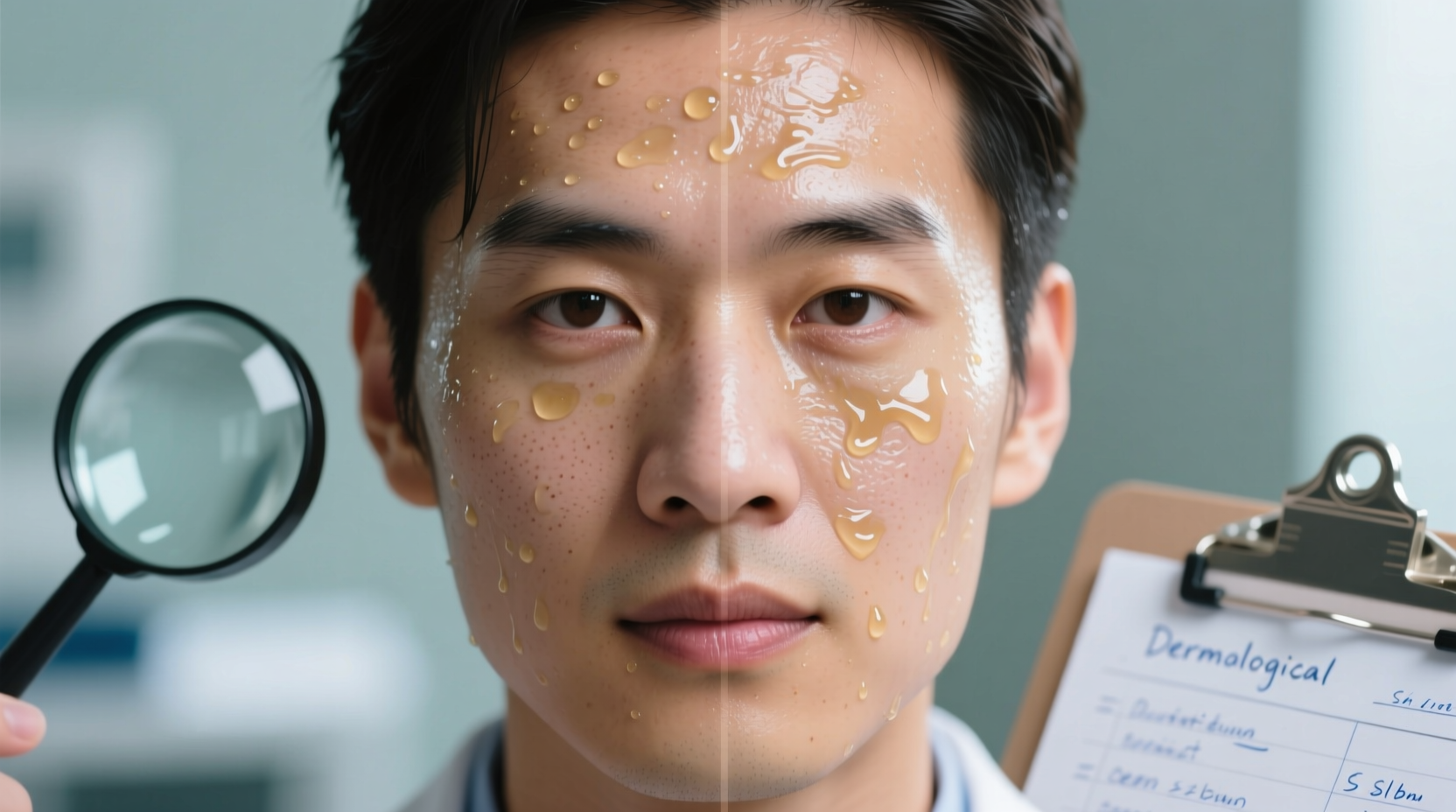
Your skin naturally produces an oily substance called sebum, secreted by sebaceous glands located beneath the surface. Sebum plays a vital role in protecting the skin barrier, preventing moisture loss, and defending against environmental aggressors. However, overproduction can lead to a shiny appearance, clogged pores, and even breakouts.
Sebum production is influenced by several internal factors:
- Hormones: Androgens, such as testosterone (present in all genders), stimulate sebaceous glands. Fluctuations during puberty, menstruation, or stress can increase oil output.
- Genetics: Some people are genetically predisposed to higher sebum production. If your parents had oily skin, you may too.
- Age: Teenagers and young adults typically experience peak sebum levels, but adult-onset oiliness is also common due to hormonal shifts.
External triggers like heat, humidity, and pollution can further stimulate these glands. Even the act of washing your face can trigger a rebound effect—strip too much oil, and your skin responds by producing more to compensate.
“Over-cleansing is one of the most common mistakes people make when trying to control oil. The skin senses dryness and ramps up sebum production as a defense mechanism.” — Dr. Lena Torres, Board-Certified Dermatologist
Common Skincare Habits That Make Shine Worse
Ironically, many people worsen midday oiliness through well-intentioned but misguided routines. Here are some common pitfalls:
Overwashing the Face
Cleansing more than twice a day, especially with harsh soaps, strips natural oils and disrupts the skin’s pH. This signals the sebaceous glands to produce more sebum to restore balance, often resulting in increased greasiness within hours.
Using Alcohol-Based Toners
While they provide an immediate matte feel, alcohol-based products are extremely drying. They damage the skin barrier, leading to inflammation and compensatory oil production.
Skipping Moisturizer
A myth persists that oily skin doesn’t need hydration. In reality, dehydrated skin can signal oil glands to work overtime. Skipping moisturizer often backfires, increasing shine and potentially causing congestion.
Heavy or Occlusive Products
Some sunscreens, primers, or foundations contain comedogenic ingredients (like coconut oil or lanolin) that trap oil and accelerate greasiness. Using the wrong formulation can turn a matte morning into a slick afternoon.
Environmental and Lifestyle Triggers
Beyond skincare, daily habits and surroundings significantly impact how oily your face becomes by midday.
Climate and Humidity
In warm, humid environments, sweat mixes with sebum, creating a slick film on the skin. High temperatures also increase blood flow and glandular activity, boosting oil secretion.
Dietary Influences
While diet isn’t the primary driver for most, studies suggest high-glycemic foods (like white bread, sugary snacks, and processed cereals) may stimulate insulin and androgen activity, indirectly increasing sebum production. Dairy, particularly skim milk, has also been linked to acne and oiliness in sensitive individuals.
Stress and Sleep Deprivation
Cortisol, the stress hormone, directly influences sebaceous gland activity. Chronic stress or poor sleep quality can elevate cortisol levels, leading to increased oiliness and breakouts—even if your skincare hasn’t changed.
Touching Your Face
Frequent touching transfers bacteria, dirt, and warmth from your hands to your face, stimulating oil glands. It also spreads existing sebum across the skin, making shine appear worse.
“Patients are often surprised to learn that their midday shine spikes correlate with stressful meetings or lack of sleep. Skin is a reflection of overall health.” — Dr. Arjun Patel, Clinical Dermatology Researcher
Effective Strategies to Control Midday Oiliness
Managing oil isn’t about eliminating sebum—it’s about balance. The goal is to regulate production, absorb excess, and maintain a healthy skin barrier. Here’s how:
Step-by-Step Morning Routine for Oily Skin
- Cleanse gently: Use a mild, foaming cleanser with salicylic acid or niacinamide once in the morning. Avoid scrubbing.
- Tone wisely: Apply an alcohol-free toner with witch hazel or tea tree extract to refine pores without drying.
- Hydrate with care: Use a lightweight, gel-based moisturizer containing hyaluronic acid or glycerin.
- Apply sunscreen: Choose a mattifying, broad-spectrum SPF 30+ that won’t clog pores.
- Prime strategically: If wearing makeup, use a silicone-based primer to create a barrier and extend wear.
Midday Touch-Up Protocol
Instead of reapplying cleanser (which can irritate), follow this quick routine:
- Blinly press blotting papers on oily zones—don’t rub.
- Use a setting spray with a matte finish to refresh makeup and reduce shine.
- Reapply translucent powder only where needed (T-zone).
Nighttime Reset
Evening is crucial for regulating oil. Incorporate active ingredients gradually:
- Niacinamide (5%): Reduces sebum production and strengthens the skin barrier.
- Salicylic acid (0.5–2%): Exfoliates inside pores and prevents buildup.
- Retinoids: Regulate cell turnover and sebum output over time (start slowly to avoid irritation).
Product Comparison: What Works vs. What Doesn’t
| Product Type | Recommended | Avoid |
|---|---|---|
| Cleanser | Gentle foaming or gel cleanser with niacinamide | Bar soaps, sulfates, or scrubs with large particles |
| Moisturizer | Oil-free, non-comedogenic gel formula | Heavy creams with mineral oil or shea butter |
| Sunscreen | Matte-finish, chemical or hybrid SPF 30+ | Oily lotions or physical-only sunscreens with thick zinc |
| Blotting Tool | Uncoated blotting papers or clay-based mattifying sheets | Powder compacts with talc (can cake and look heavy) |
| Makeup Base | Silicone-based primer with silica | Dimethicone-heavy primers that trap oil underneath |
Mini Case Study: Sarah’s Midday Shine Fix
Sarah, a 28-year-old marketing executive, struggled with her face looking noticeably greasy by 1 PM, despite washing it twice daily with a strong acne cleanser. She avoided moisturizer, believing it would make things worse, and used a full-coverage foundation that often slid off by lunchtime.
After consulting a dermatologist, she revised her routine:
- Switched to a gentle salicylic acid cleanser once a day (evening only).
- Added a hydrating serum with hyaluronic acid and a light gel moisturizer.
- Started using a mattifying SPF 35 every morning.
- Introduced a weekly exfoliating mask with kaolin clay.
- Used blotting papers instead of reapplying powder multiple times.
Within three weeks, Sarah noticed her skin stayed matte until at least 3 PM. Her pores appeared smaller, and her makeup lasted longer. The key change? Stopping over-cleansing and finally moisturizing properly.
FAQ: Common Questions About Midday Oiliness
Can drinking more water reduce facial oil?
While hydration supports overall skin health, drinking water alone won’t stop sebum production. However, dehydrated skin can signal oil glands to overcompensate, so staying hydrated helps maintain balance.
Is it bad to blot my face during the day?
No—blotting is one of the safest ways to manage shine. Just use soft, absorbent papers and press gently. Avoid rubbing, which can spread oil and irritate skin.
Will stopping moisturizer help if my face is oily?
No. Skipping moisturizer often worsens oiliness by disrupting the skin barrier. Instead, choose a lightweight, oil-free formula designed for oily skin.
Conclusion: Take Control of Your Skin’s Balance
Experiencing a greasy face by midday doesn’t mean you’re doing something wrong—it’s a sign your skin is responding to biological and environmental cues. The solution isn’t to strip, scrub, or avoid moisture, but to work with your skin’s needs. By adopting a balanced cleansing routine, choosing the right products, and addressing lifestyle factors like stress and diet, you can significantly reduce midday shine and maintain a fresh, healthy appearance.
Start small: replace one harsh product with a gentler alternative, introduce a proper moisturizer, or simply keep blotting papers on hand. Consistency and patience are key—visible improvements often take 4 to 6 weeks. Your skin isn’t fighting you; it’s communicating. Listen, adjust, and give it the support it needs.




 浙公网安备
33010002000092号
浙公网安备
33010002000092号 浙B2-20120091-4
Comments
No comments yet. Why don't you start the discussion?