
If you wash your face with care in the morning only to find it glistening like a freshly waxed car by midday, you're not alone. Many people struggle with skin that appears oily within hours of cleansing, which can be frustrating, especially when makeup starts to slide or pores appear enlarged. This isn’t just about overactive sebaceous glands—it’s often a sign of imbalances in your skincare routine, lifestyle, or even product choices. Understanding the root causes and making targeted adjustments can transform your complexion from shiny to balanced.
Oily skin is not inherently bad—sebum protects and hydrates the skin—but when production goes into overdrive, it leads to unwanted shine, clogged pores, and breakouts. The key lies in identifying what’s triggering this rapid oil rebound and correcting it without stripping your skin of its natural defenses.
The Science Behind Rapid Oil Rebound
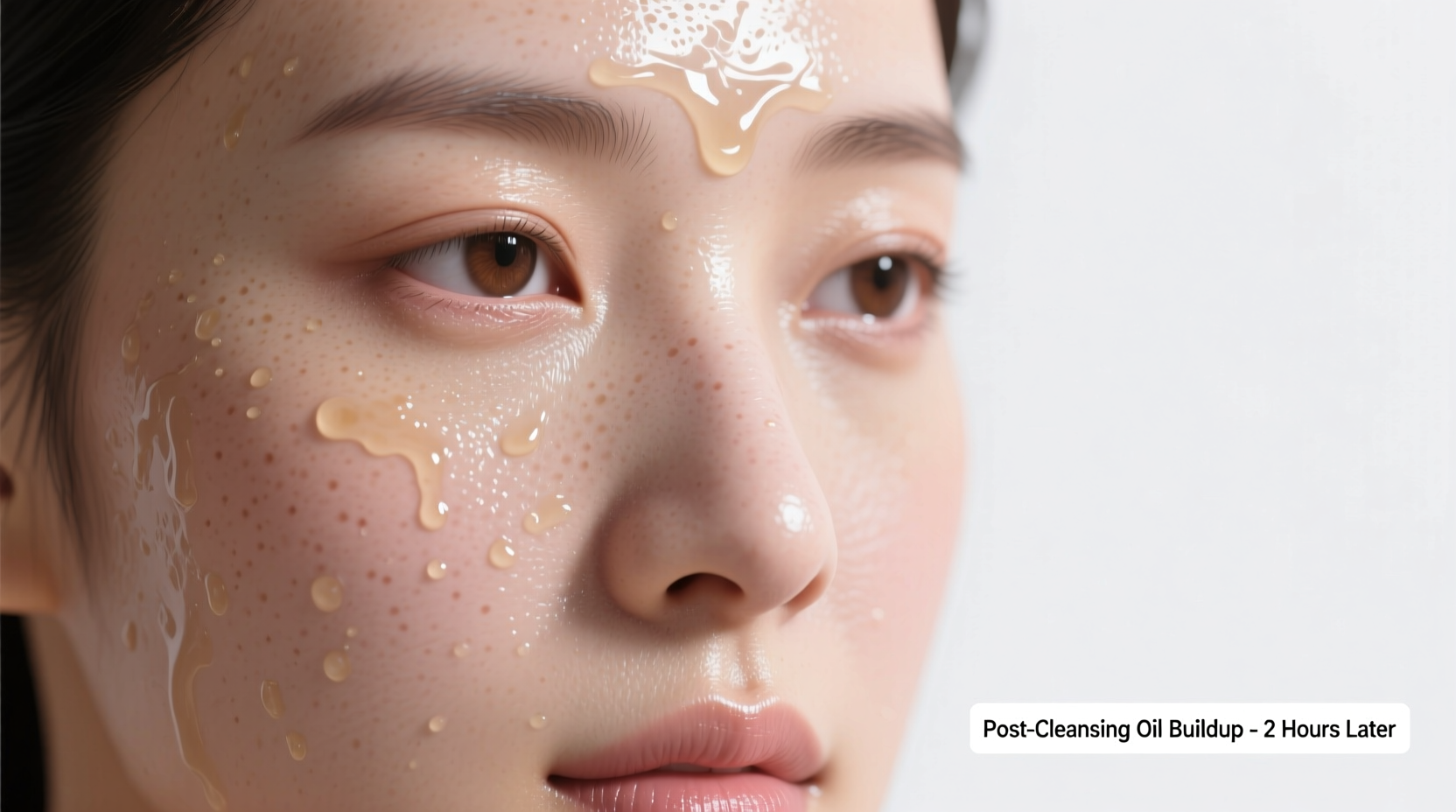
Sebum is an oily substance produced by sebaceous glands located beneath the skin's surface. Its primary role is to keep the skin moisturized and protected from environmental stressors. However, several internal and external factors can cause these glands to go into overproduction mode.
When you wash your face aggressively or use harsh cleansers, you may strip away too much oil. In response, your skin triggers a feedback loop: “We’re dry!” it signals to the brain, prompting the glands to produce more sebum to compensate. This overcompensation is why many people experience increased greasiness shortly after washing—their skin is trying to restore balance.
Hormonal fluctuations, particularly androgens, also play a major role. These hormones increase sebum production, which is why oily skin often worsens during puberty, menstruation, or times of high stress. Additionally, humidity, heat, and even certain diets rich in dairy or refined sugars can exacerbate oiliness.
“Over-cleansing is one of the most common mistakes I see in patients with oily skin. Stripping the skin leads to reactive seborrhea—your face produces more oil because it thinks it’s under attack.” — Dr. Lena Patel, Board-Certified Dermatologist
Common Routine Mistakes That Make Oily Skin Worse
Many well-intentioned skincare habits can actually backfire, accelerating oil production instead of controlling it. Here are the most frequent missteps:
- Using sulfates or alcohol-based cleansers: These ingredients may give a “squeaky clean” feel but disrupt the skin barrier, leading to dehydration and increased oil output.
- Skipping moisturizer: Believing that oily skin doesn’t need hydration is a myth. Dehydrated skin signals for more oil, worsening shine.
- Over-exfoliating: Scrubbing daily or using strong acids too often irritates the skin and inflames sebaceous glands.
- Touching your face throughout the day: Hands transfer bacteria and warmth, both of which stimulate oil production.
- Using heavy, comedogenic products: Makeup or sunscreen that clogs pores can trap sebum and create a greasy film.
Step-by-Step Routine Fixes for Long-Lasting Freshness
Correcting greasy rebound requires a strategic approach—not just different products, but a shift in mindset. Focus on balance, not elimination. Follow this timeline to reset your routine:
- 6:30 AM – Gentle Cleansing
Use a low-foaming, sulfate-free cleanser with ingredients like glycerin or ceramides. Avoid hot water; lukewarm is ideal. Massage for 30 seconds, then rinse thoroughly. - 6:35 AM – Hydrating Toner (Optional)
Apply an alcohol-free toner with niacinamide or hyaluronic acid. These help regulate oil and prep the skin for absorption without irritation. - 6:40 AM – Lightweight Serum
Choose a serum with 5% niacinamide, which clinical studies show reduces sebum production by up to 60% over four weeks. Wait two minutes before moving on. - 6:45 AM – Oil-Free Moisturizer
Even oily skin needs moisture. Look for gel-based formulas labeled “non-comedogenic” with ingredients like squalane or dimethicone. - 7:00 AM – Sunscreen
Use a mattifying SPF 30+ with zinc oxide or silica to absorb excess oil. Avoid creamy sunscreens that sit on top of the skin. - Throughout the Day – Blotting & Maintenance
Carry blotting papers or a translucent mattifying powder. Gently press—don’t rub—to remove shine without disturbing makeup or stimulating more oil.
Product Comparison: What Works vs. What Worsens Greasiness
| Product Type | Recommended Choices | Avoid |
|---|---|---|
| Cleanser | Gentle foaming or cream cleanser with pH 5.5 | Sulfate-based, bar soaps, alcohol-heavy washes |
| Moisturizer | Oil-free gel or water-based formula | Heavy creams, petroleum-based ointments |
| Sunscreen | Mattifying mineral SPF with silica | Comedogenic chemical sunscreens in creamy bases |
| Makeup Base | Primer with salicylic acid or clay | Silicone-heavy primers that trap oil |
| Exfoliant | PHAs or low-concentration AHAs 2–3x/week | Daily scrubs or high-strength peels |
Real-Life Example: How Sarah Reduced Midday Shine
Sarah, a 28-year-old marketing professional, washed her face every morning with a deep-cleaning charcoal scrub, followed by an astringent toner and no moisturizer. By 10 a.m., her T-zone was visibly shiny, and her foundation began to separate by noon. Frustrated, she consulted a dermatologist who identified the issue: her routine was overly aggressive.
She switched to a milky cleanser, added a lightweight moisturizer, and began using a niacinamide serum. Within two weeks, her skin felt less reactive. After a month, she noticed her face stayed matte until at least 2 p.m., and her breakouts decreased significantly. The change wasn’t due to expensive products—it was consistency and balance.
Essential Checklist for a Balanced Skincare Routine
To prevent your face from turning into an oil slick hours after washing, follow this actionable checklist:
- ✅ Use a gentle, non-stripping cleanser twice daily
- ✅ Never skip moisturizer—even if your skin is oily
- ✅ Incorporate niacinamide or salicylic acid into your regimen
- ✅ Exfoliate 2–3 times per week, not daily
- ✅ Apply a mattifying, non-comedogenic sunscreen every morning
- ✅ Avoid touching your face during the day
- ✅ Use blotting papers instead of reapplying powder excessively
- ✅ Wash pillowcases every 3–4 days to reduce bacteria buildup
- ✅ Stay hydrated and limit high-glycemic foods
- ✅ Consult a dermatologist if oiliness persists despite routine changes
Frequently Asked Questions
Can drinking more water really reduce oily skin?
Yes. Dehydration can prompt the skin to overproduce oil as a compensatory mechanism. Drinking adequate water supports overall skin health and helps maintain balance. While it won’t stop oil production entirely, proper hydration reduces the likelihood of reactive sebum spikes.
Is it safe to wash my face more than twice a day?
Generally, no. Washing more than twice daily—especially with active cleansers—can damage the skin barrier and increase oil production. If you sweat heavily during workouts, rinse with water only and follow with your regular routine afterward.
Will stopping moisturizer help if my face is already oily?
No. Skipping moisturizer tricks the skin into thinking it’s dehydrated, which signals the sebaceous glands to produce more oil. Always use a light, oil-free moisturizer to maintain equilibrium.
When to Seek Professional Help
If you’ve optimized your routine for six weeks without improvement, it may be time to consult a dermatologist. Persistent greasiness could indicate underlying conditions such as hormonal imbalances, polycystic ovary syndrome (PCOS), or fungal acne. A professional can prescribe treatments like topical retinoids, oral contraceptives (for hormonal regulation), or spironolactone to target excessive sebum at the source.
In-office procedures like chemical peels or laser therapy can also help regulate oil production over time. These aren't quick fixes but long-term solutions for those struggling with severe seborrhea.
Final Thoughts: Balance Over Elimination
Greasy skin two hours after washing isn’t a life sentence—it’s a signal. Your skin is communicating that something in your routine or environment is out of sync. The goal isn’t to eliminate oil completely but to achieve balance. Harsh treatments might offer temporary relief but often lead to rebound effects that make things worse.
By switching to gentler products, respecting your skin’s natural barrier, and incorporating science-backed ingredients like niacinamide, you can extend the freshness of your morning cleanse well into the afternoon. Consistency, patience, and informed choices are far more effective than aggressive stripping.




 浙公网安备
33010002000092号
浙公网安备
33010002000092号 浙B2-20120091-4
Comments
No comments yet. Why don't you start the discussion?