
If you’ve ever washed your face thoroughly, only to find it shiny and slick again within hours, you’re not alone. Many people struggle with facial oiliness that seems impossible to control — no matter how often they cleanse. While sebum production is a natural part of skin health, excessive or persistent oil can lead to clogged pores, breakouts, and makeup that won’t stay put. Understanding why your face looks oily even after washing is the first step toward managing it effectively.
The appearance of oil isn’t always about overproduction. Sometimes, it’s about imbalance, improper care, or external triggers. This article breaks down the science behind oily skin, identifies common culprits, and offers practical, dermatologist-backed solutions to help you achieve a balanced, matte finish without compromising skin health.
Understanding Sebum: The Skin’s Natural Oil
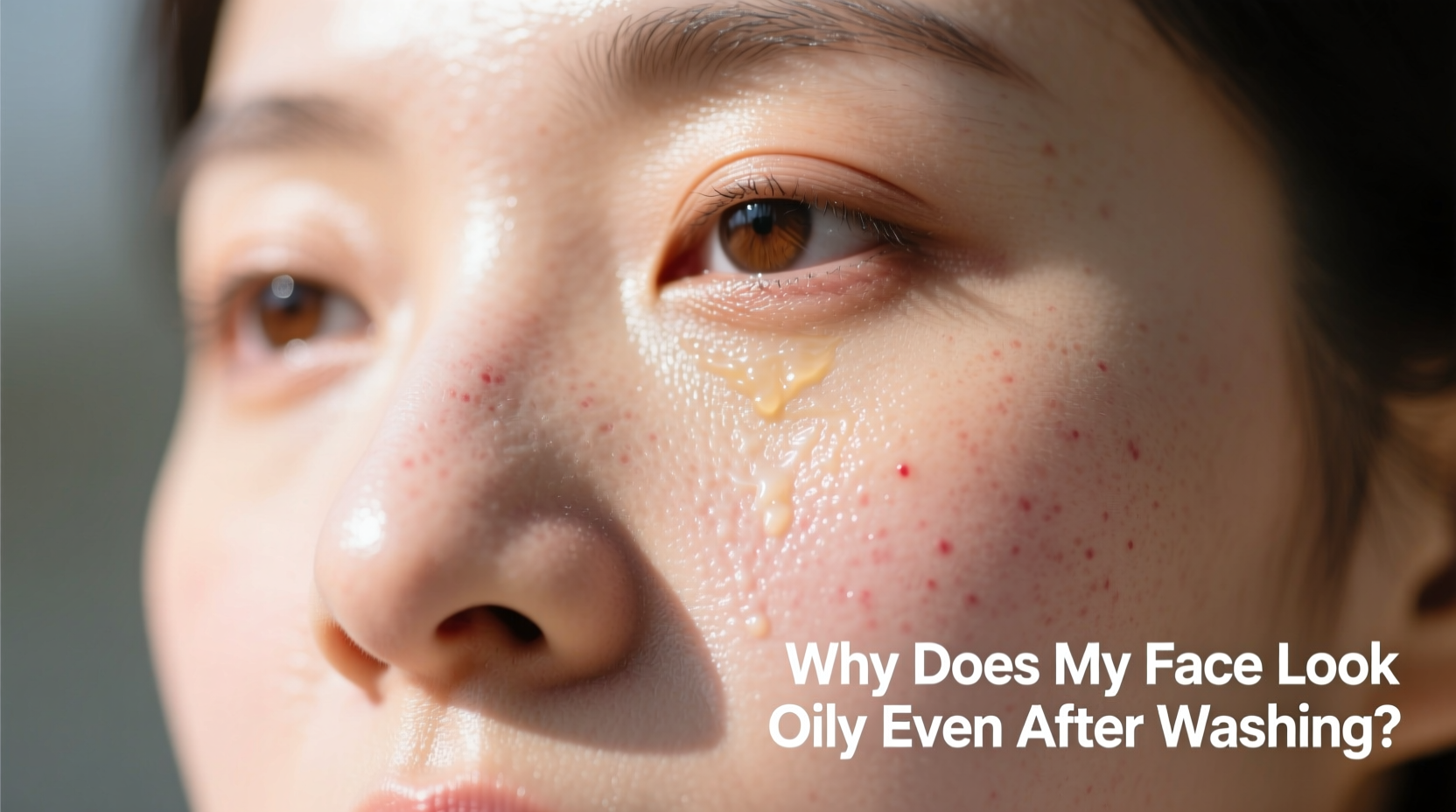
Sebum is an oily substance produced by sebaceous glands in the skin. Its primary function is to lubricate and protect the skin barrier, preventing moisture loss and shielding against environmental aggressors. In normal amounts, sebum keeps skin supple and resilient. However, when production increases — due to hormones, environment, or lifestyle — it can result in a visibly greasy complexion.
The T-zone (forehead, nose, and chin) typically has more sebaceous glands than other areas, which is why oil tends to accumulate there first. But systemic overproduction can affect the entire face. What many don’t realize is that stripping the skin of oil through aggressive cleansing can actually trigger *more* oil production — a rebound effect driven by the skin’s attempt to restore balance.
“Over-washing or using harsh products signals the skin to produce more oil as a defense mechanism. The goal should be balance, not elimination.” — Dr. Lena Torres, Board-Certified Dermatologist
Common Causes of Persistent Facial Oiliness
Even with a consistent skincare routine, oiliness may persist due to underlying factors. Below are the most frequent contributors:
Hormonal Fluctuations
Androgens, such as testosterone, stimulate sebaceous glands. Hormonal shifts during puberty, menstruation, pregnancy, or conditions like polycystic ovary syndrome (PCOS) can increase sebum output. This explains why some people experience peak oiliness in their teens or during certain phases of their menstrual cycle.
Over-Cleansing or Using Harsh Products
Washing your face multiple times a day or using strong soaps may seem like a solution, but it often backfires. Stripping natural oils disrupts the skin barrier, prompting the glands to compensate by producing more sebum. Alcohol-based toners and abrasive scrubs worsen this cycle.
Dehydrated Skin
It may sound counterintuitive, but dry or dehydrated skin can appear oily. When the skin lacks water (not oil), it may overproduce sebum to self-lubricate. This is especially common in people who use drying acne treatments or live in arid climates.
Poor Product Choices
Using comedogenic (pore-clogging) moisturizers, sunscreens, or makeup can trap oil and create a greasy film. Heavy creams or silicones may sit on the surface, contributing to shine even if your skin isn’t producing excess oil.
Diet and Lifestyle Factors
Emerging research links high-glycemic diets (rich in sugar and refined carbs) to increased sebum production. Dairy consumption, particularly skim milk, has also been associated with acne and oiliness in some individuals. Stress elevates cortisol levels, which can indirectly stimulate oil glands.
Effective Fixes for Oily Skin
Managing oil isn’t about eliminating it completely — that’s neither possible nor desirable. Instead, aim for regulation and balance. The following strategies target root causes while supporting overall skin health.
1. Use a Gentle, pH-Balanced Cleanser
Switch to a mild, non-foaming cleanser with a pH around 5.5. Avoid sulfates and alcohol. Look for ingredients like glycerin, ceramides, or niacinamide, which cleanse without disrupting the skin barrier. Wash no more than twice daily — over-cleansing worsens oiliness.
2. Incorporate Niacinamide
Niacinamide (vitamin B3) is one of the most effective ingredients for regulating sebum. Studies show it reduces oil production, minimizes pore appearance, and strengthens the skin barrier. Use a serum with 5% niacinamide once or twice daily for best results.
3. Hydrate with Lightweight, Non-Comedogenic Moisturizers
Even oily skin needs moisture. Choose oil-free, gel-based moisturizers labeled “non-comedogenic.” Ingredients like hyaluronic acid attract water without adding grease. Skipping moisturizer can signal your skin to produce more oil.
4. Apply Oil-Absorbing Products Strategically
Blotting papers and mattifying primers can manage midday shine. Use them sparingly to avoid disturbing makeup or irritating skin. Clay-based masks (kaolin or bentonite) used 1–2 times weekly help absorb excess oil without over-drying.
5. Don’t Skip Sunscreen
UV exposure can thicken the skin and increase oil production over time. Use a lightweight, broad-spectrum SPF 30+ with a matte finish. Mineral sunscreens with zinc oxide may offer mild oil-absorbing benefits.
6. Consider Active Ingredients with Caution
Salicylic acid (a beta-hydroxy acid) penetrates oil to exfoliate inside pores, making it ideal for oily, acne-prone skin. Retinoids (like adapalene or tretinoin) regulate cell turnover and reduce sebum long-term but require gradual introduction to avoid irritation.
7. Adjust Your Diet and Manage Stress
Reduce intake of high-glycemic foods and monitor dairy consumption. Stay hydrated and prioritize sleep. Chronic stress increases cortisol, which can exacerbate oil production. Mindfulness practices, regular exercise, and adequate rest support hormonal balance.
Do’s and Don’ts: Skincare Habits That Make a Difference
| Do | Don't |
|---|---|
| Wash your face twice daily with a gentle cleanser | Wash more than twice a day or scrub aggressively |
| Use non-comedogenic, oil-free moisturizers | Skip moisturizer to “dry out” oil |
| Apply sunscreen every morning | Use heavy, greasy sunscreens |
| Blot excess oil with clean blotting papers | Touch your face frequently throughout the day |
| Clean pillowcases and phone screens weekly | Leave makeup on overnight |
| Introduce active ingredients slowly | Layer multiple exfoliants at once |
Mini Case Study: Sarah’s Journey to Balanced Skin
Sarah, a 28-year-old office worker, struggled with oily skin despite washing her face three times a day and using strong acne washes. Her skin would shine by 10 a.m., and she often experienced breakouts along her jawline. After consulting a dermatologist, she discovered her routine was the problem.
She was using a foaming cleanser with sulfates, skipping moisturizer, and applying a thick, silicone-based primer. Her skin, though oily on the surface, was dehydrated underneath. The dermatologist advised her to switch to a milky cleanser, add a hydrating serum with hyaluronic acid, and use a lightweight gel moisturizer. She started using a niacinamide serum and a salicylic acid treatment 3 times a week.
Within six weeks, Sarah noticed less shine, fewer breakouts, and improved texture. “I realized I wasn’t fighting oil — I was fighting imbalance,” she said. “Now I wash less, moisturize more, and my skin has never looked better.”
Step-by-Step Guide to a Balanced Morning Routine
- Cleanse: Use a gentle, low-pH cleanser with lukewarm water. Massage for 30 seconds, then rinse thoroughly.
- Tone (optional): Apply an alcohol-free toner with soothing ingredients like witch hazel or centella asiatica.
- Treat: Apply a niacinamide serum to regulate oil and strengthen the barrier.
- Hydrate: Use a lightweight, oil-free moisturizer. Allow absorption before next step.
- Protect: Apply a matte-finish sunscreen. Reapply if outdoors for extended periods.
- Prime (optional): Use a mattifying primer only on the T-zone if wearing makeup.
At night, repeat cleansing and treatment steps. Add a retinoid or salicylic acid product 2–3 times weekly, gradually increasing frequency as tolerated.
Frequently Asked Questions
Can drinking more water reduce oily skin?
While drinking water won’t directly stop oil production, proper hydration supports overall skin function. Dehydrated skin may overproduce oil to compensate, so staying hydrated helps maintain balance. However, topical care remains essential.
Is oily skin more prone to aging?
Interestingly, oily skin tends to show signs of aging later than dry skin. Sebum helps maintain elasticity and prevents fine lines. However, neglecting care can lead to enlarged pores and uneven texture, so consistent routines are still important.
Should I stop using moisturizer if my face is oily?
No. Skipping moisturizer can worsen oiliness by triggering dehydration. Instead, choose a non-comedogenic, water-based moisturizer. Proper hydration helps regulate sebum and prevents the skin from overcompensating.
Checklist: 7-Day Oily Skin Reset Plan
- ✔ Replace harsh cleanser with a gentle, sulfate-free formula
- ✔ Introduce a niacinamide serum (use nightly)
- ✔ Switch to an oil-free, non-comedogenic moisturizer
- ✔ Cleanse pillowcases, phone, and makeup brushes
- ✔ Apply sunscreen daily, even indoors
- ✔ Limit face touching and hair-to-face contact
- ✔ Use a clay mask once this week
- ✔ Evaluate diet: reduce sugary snacks and dairy for 7 days
- ✔ Track changes in oiliness and breakouts
This short reset helps identify what works for your skin. After a week, keep the improvements and adjust as needed.
Conclusion: Balance Is the Goal
Oily skin doesn’t have to mean shiny skin. The key lies in understanding that oil is a symptom, not the enemy. By addressing root causes — from over-cleansing and dehydration to hormonal influences and product choices — you can achieve a balanced, healthy complexion. Sustainable results come not from stripping oil, but from nurturing your skin’s natural equilibrium.




 浙公网安备
33010002000092号
浙公网安备
33010002000092号 浙B2-20120091-4
Comments
No comments yet. Why don't you start the discussion?