
Waking up with a puffy face is a common experience that affects people of all ages and skin types. While it’s usually temporary and harmless, persistent morning puffiness can be frustrating—especially when you're trying to start the day looking refreshed. The swelling often appears around the eyes, cheeks, or jawline, giving the impression of fatigue or weight gain. Understanding the underlying causes is the first step toward managing and preventing it. From sleep posture to hydration habits, several factors contribute to this phenomenon. More importantly, targeted lifestyle adjustments and skincare practices can significantly reduce or even eliminate morning facial puffiness over time.
The Science Behind Morning Facial Puffiness
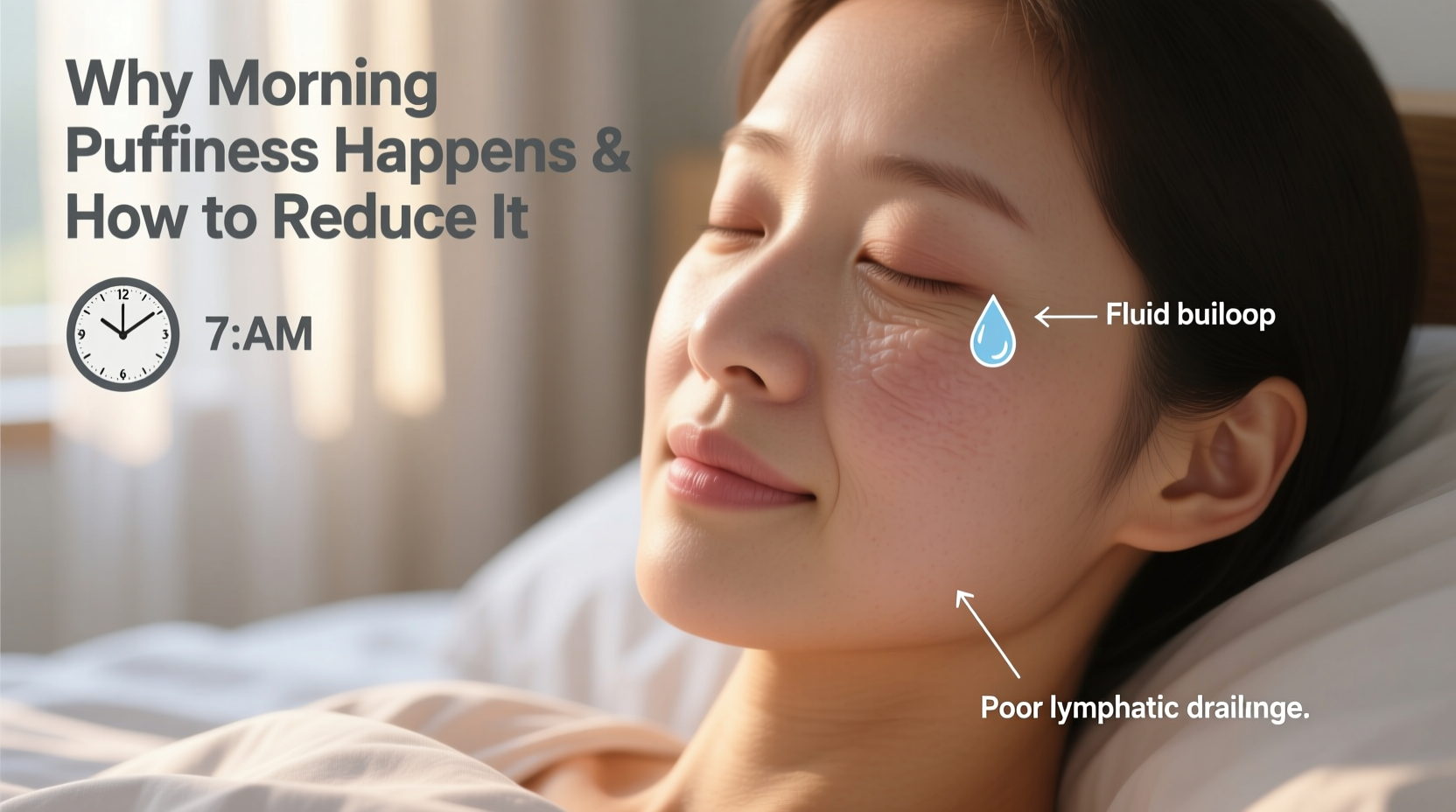
Facial puffiness upon waking is primarily due to fluid accumulation in the soft tissues of the face. While lying down, gravity no longer pulls fluids downward into the lower body as it does during the day. Instead, fluid redistributes more evenly—or even pools slightly in the upper body, including the face. This process, known as dependent edema, is natural but becomes more noticeable in some individuals depending on their physiology and habits.
The thin skin under the eyes is especially prone to showing signs of fluid retention because it has fewer oil glands and less structural support than other areas of the face. When excess fluid builds up overnight, the delicate tissue expands, creating a swollen appearance. Additionally, blood circulation slows during sleep, which can compound mild inflammation and delay lymphatic drainage—the body’s system for removing excess fluids and waste from tissues.
Hormonal fluctuations also play a role. Cortisol, the stress hormone, follows a circadian rhythm and typically peaks in the early morning. This surge can influence water balance and sodium retention, contributing to temporary bloating. Similarly, antidiuretic hormone (ADH) levels rise at night to reduce urine production while sleeping, which helps conserve water but may increase fluid retention.
“Facial puffiness in the morning is often a reflection of your body’s overnight fluid dynamics. It’s rarely a medical concern, but consistent swelling could signal deeper imbalances in hydration, diet, or sleep quality.” — Dr. Lena Torres, Board-Certified Dermatologist
Key Causes of Morning Face Swelling
While gravity and fluid redistribution are central to the issue, several lifestyle and environmental factors can worsen or prolong facial puffiness:
- Sleeping position: Lying flat allows fluid to settle in the face. Elevating the head slightly can minimize this effect.
- Dietary sodium intake: High salt consumption increases water retention. Eating salty foods late at night often leads to visible puffiness by morning.
- Alcohol consumption: Alcohol dehydrates the body and disrupts kidney function, prompting cells to hold onto more water as a protective response.
- Allergies: Chronic nasal congestion or allergic reactions can impair lymphatic drainage and cause facial swelling, particularly around the eyes.
- Poor sleep quality: Inadequate or disrupted sleep affects hormonal regulation and circulation, both of which influence fluid balance.
- Dehydration: Ironically, not drinking enough water signals the body to retain fluid, leading to puffiness despite low overall hydration.
- Skin aging: As we age, skin loses elasticity and underlying fat pads shift, making puffiness more apparent and slower to resolve.
Effective Ways to Reduce Morning Facial Puffiness
Reducing morning puffiness doesn’t require expensive treatments or drastic changes. Simple, consistent habits can make a meaningful difference. Below are practical strategies backed by dermatological and physiological principles.
1. Adjust Your Sleep Position
Sleeping on your back with your head slightly elevated helps prevent fluid from pooling in the face. Use an extra pillow or consider an adjustable bed base to maintain a gentle incline without straining your neck.
2. Stay Hydrated Throughout the Day
Drinking sufficient water—typically 2 to 3 liters daily depending on activity level and climate—supports kidney function and reduces compensatory fluid retention. Aim for steady hydration rather than consuming large amounts right before bed, which may lead to nighttime bathroom trips and sleep disruption.
3. Limit Sodium and Processed Foods
Processed foods, canned soups, fast food, and condiments are often high in hidden sodium. Reducing intake, especially in evening meals, can dramatically decrease water retention. Opt for fresh ingredients seasoned with herbs and spices instead of salt.
4. Incorporate Lymphatic Drainage Techniques
The lymphatic system removes excess fluid and toxins from tissues but relies on muscle movement and massage for circulation since it lacks a pump like the heart. Gentle facial massage using upward strokes from the center of the face outward can stimulate drainage. Tools like jade rollers or gua sha stones are popular, though even clean fingertips work effectively.
5. Apply Cold Therapy Upon Waking
Cold constricts blood vessels and reduces inflammation. Applying a cold compress, chilled spoon, or refrigerated face roller to puffy areas for 2–5 minutes can provide quick relief. For best results, do this before applying skincare products to enhance absorption.
| Method | How It Helps | Best Time to Use |
|---|---|---|
| Elevated sleeping position | Reduces gravitational fluid pooling | Overnight |
| Facial massage | Stimulates lymphatic drainage | Morning or evening |
| Cold compress | Constricts vessels, reduces swelling | Immediately after waking |
| Hydration | Prevents compensatory fluid retention | Throughout the day |
| Sodium control | Minimizes systemic water retention | Especially in evening meals |
Step-by-Step Morning Routine to Deflate Puffiness
A structured morning routine can help reverse overnight swelling within minutes. Follow these steps for a visibly refreshed face:
- Start with a glass of water: Rehydrate after hours without fluids. Add lemon for a mild diuretic effect and antioxidant boost.
- Rinse your face with cool water: This wakes up circulation and preps the skin for massage.
- Perform a 3-minute facial massage: Use light pressure and upward motions. Begin at the chin, move along the jawline toward the ears, then sweep from the nose outward across the cheeks and forehead.
- Apply a cold tool or compress: Use a refrigerated metal roller or wrap ice in a thin cloth. Hold gently on puffy areas—do not press hard.
- Use a depuffing eye cream: Look for ingredients like caffeine (constricts vessels), niacinamide (reduces inflammation), or peptides (support skin firmness).
- Finish with sunscreen: UV exposure weakens skin structure over time, making puffiness more likely. Daily protection preserves skin integrity.
Mini Case Study: Sarah’s Journey to a Less Puffy Morning
Sarah, a 34-year-old marketing executive, struggled with chronic morning facial puffiness for years. She often worked late, ate dinner after 9 PM, and consumed wine several times a week. Despite using expensive eye creams, she woke up looking tired and swollen. After consulting a dermatologist, she made three key changes: she stopped eating salty foods after 7 PM, switched to sleeping with an extra pillow, and started a nightly facial massage routine using a gua sha tool.
Within two weeks, Sarah noticed a visible difference. Her eyes appeared brighter, and the fullness in her cheeks diminished faster each morning. By month’s end, friends began commenting on her “glow.” Blood tests ruled out thyroid or kidney issues, confirming that lifestyle was the primary driver. Today, Sarah maintains her routine and shares her experience in wellness webinars, emphasizing that small, consistent actions yield lasting results.
Common Mistakes That Make Puffiness Worse
Some well-intentioned habits can actually exacerbate facial swelling. Be mindful of the following pitfalls:
- Overusing diuretics: Herbal teas or supplements marketed for “detox” may cause dehydration, prompting rebound fluid retention.
- Skipping moisturizer: Dry skin can appear tighter and puffier. Always follow cleansing with a lightweight, non-comedogenic moisturizer.
- Aggressive rubbing: Scrubbing the face harshly can irritate delicate skin and increase inflammation.
- Ignoring allergies: Untreated seasonal or environmental allergies can cause chronic puffiness. Consider allergy testing if swelling persists.
- Using expired or heavy skincare products: Old makeup or thick night creams can clog pores and hinder lymphatic flow.
Checklist: Daily Habits to Prevent Morning Puffiness
Adopt this simple checklist to keep facial swelling at bay:
- ✅ Drink at least 2 liters of water during the day
- ✅ Limit sodium intake, especially at dinner
- ✅ Avoid alcohol or consume it earlier in the day
- ✅ Sleep on your back with head elevated
- ✅ Perform a gentle facial massage before bed
- ✅ Use a cold compress or chilled roller in the morning
- ✅ Maintain a consistent sleep schedule (7–9 hours)
- ✅ Treat allergies or sinus issues promptly
FAQ: Common Questions About Facial Puffiness
Is morning facial puffiness a sign of a serious health problem?
In most cases, no. Occasional puffiness is normal. However, if swelling is persistent, painful, accompanied by discoloration, or affects other parts of the body, consult a healthcare provider. Conditions like kidney disease, thyroid disorders, or heart issues can manifest as facial edema.
Can drinking more water really reduce puffiness?
Yes. When the body is dehydrated, it holds onto water to compensate. Consistent hydration signals the kidneys to release excess fluid, reducing retention and puffiness over time.
Do eye creams actually work for puffiness?
Some do. Look for formulations with caffeine, hyaluronic acid, or peptides. While they won’t eliminate puffiness permanently, they can temporarily tighten the skin and improve appearance when used consistently.
Conclusion: Take Control of Your Morning Appearance
Facial puffiness upon waking is a natural physiological response influenced by gravity, hydration, diet, and sleep habits. While it’s rarely a cause for medical concern, it can impact confidence and perceived energy levels. The good news is that most causes are modifiable through simple, sustainable changes. By adjusting your evening routine, staying hydrated, and supporting your body’s natural detoxification systems, you can wake up with a smoother, more alert complexion.
Start today. Pick one or two strategies—like reducing nighttime salt intake or elevating your head while sleeping—and commit to them for a week. Track how you feel and look in the morning. Small shifts compound into lasting results. You don’t need extreme measures; consistency and awareness are what truly matter.




 浙公网安备
33010002000092号
浙公网安备
33010002000092号 浙B2-20120091-4
Comments
No comments yet. Why don't you start the discussion?