
Oily skin can be frustrating, especially when you've just applied a lightweight moisturizer only to notice your face glistening a few hours later. It's not a sign that you're using too much product or neglecting your routine—it’s often the result of misunderstood skin behavior, incorrect product choices, or environmental triggers. The shine isn’t just cosmetic; it can lead to clogged pores, breakouts, and makeup breakdown if not properly managed.
Understanding why this happens—and how to fix it—starts with recognizing that oily skin doesn’t mean your skin is overhydrated. In fact, the opposite may be true: dehydration can trigger excess oil production as your skin tries to compensate. This article breaks down the science behind post-moisturizer shine, identifies common mistakes in skincare routines, and delivers practical, dermatologist-backed solutions to keep your complexion balanced and matte throughout the day.
The Science Behind Facial Shine After Moisturizing
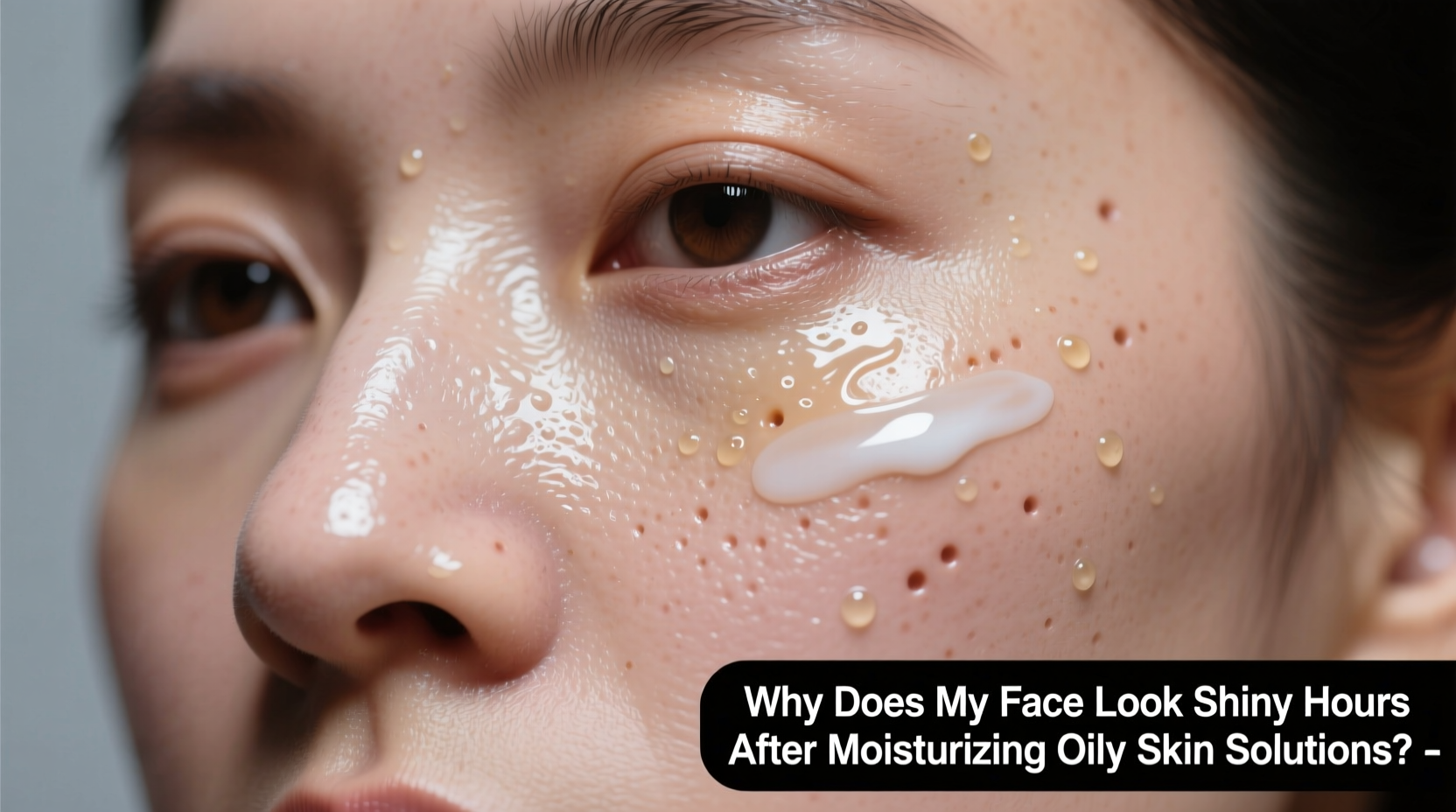
Facial oiliness, or seborrhea, occurs when sebaceous glands produce excess sebum—a natural oil that protects and lubricates the skin. While everyone produces sebum, individuals with oily skin have larger or more active glands, particularly in the T-zone (forehead, nose, and chin). When you apply moisturizer, you’re adding hydration, but certain ingredients can either blend with existing oil or create a surface film that enhances light reflection, making the skin appear shinier than before.
Moreover, some moisturizers contain occlusive agents like dimethicone or mineral oil that sit on top of the skin. While beneficial for dry types, these can trap oil underneath, leading to a slick, greasy appearance within hours. If your skin is dehydrated beneath the surface, it may ramp up oil production shortly after moisturizing, worsening the effect.
“Many patients come in thinking they need to strip their oil, but the real issue is often barrier dysfunction. Over-cleansing or using harsh products disrupts the skin’s balance, prompting rebound oiliness.” — Dr. Lena Park, Board-Certified Dermatologist
Common Mistakes That Worsen Post-Moisturizer Shine
Even with good intentions, everyday habits can sabotage your efforts to control shine. Here are frequent errors people make when managing oily skin:
- Using heavy or oil-based moisturizers – These can feel rich and hydrating but often exacerbate oil accumulation.
- Skipping moisturizer entirely – Believing that skipping hydration reduces oil, many opt out of moisturizing, which signals the skin to produce even more sebum.
- Over-cleansing with sulfates – Harsh cleansers strip natural lipids, compromising the skin barrier and triggering compensatory oil production.
- Layering too many products – Combining serums, oils, and creams increases the likelihood of pilling and oil buildup.
- Not blotting strategically – Using rough tissues instead of absorbent blotting papers can spread oil and irritate the skin.
Solutions for Long-Lasting, Non-Shiny Hydration
Managing oily skin isn’t about eliminating oil—it’s about regulating it. A well-balanced routine supports the skin barrier while minimizing excess sebum. Below are proven strategies to prevent shine without sacrificing moisture.
Choose the Right Moisturizer
Look for “oil-free,” “non-comedogenic,” and “gel-based” formulas. Ingredients like hyaluronic acid, glycerin, and niacinamide provide lightweight hydration without clogging pores. Niacinamide, in particular, has been shown in clinical studies to reduce sebum production over time.
| Product Type | Best For Oily Skin? | Key Ingredients | When to Use |
|---|---|---|---|
| Gel Moisturizer | Yes ✅ | Hyaluronic acid, niacinamide | Morning & night |
| Cream with Occlusives | No ❌ | Mineral oil, shea butter | Night only (if needed) |
| Water-Based Lotion | Yes ✅ | Glycerin, ceramides | Daily use |
| Face Oil | Rarely ⚠️ | Jojoba, squalane (lightweight) | Only if skin is dehydrated |
Incorporate Mattifying Agents
After moisturizing, consider using a mattifying primer or setting powder to absorb surface oil. Products with silica, clay, or salicylic acid help control shine and extend the wear of makeup. Apply lightly to the T-zone, avoiding dry areas to prevent flakiness.
Hydrate from Within
Dehydration often masquerades as oiliness. Drinking adequate water (typically 6–8 glasses daily) supports cellular function and helps regulate sebum output. Limit sugary drinks and alcohol, which can inflame the skin and stimulate oil glands.
Step-by-Step Routine for Oily Skin Control
A consistent, minimalist routine is more effective than layering multiple products. Follow this dermatologist-recommended sequence for optimal results:
- Morning Cleanse: Use a gentle foaming or gel cleanser with salicylic acid or low-concentration benzoyl peroxide. Rinse with lukewarm water.
- Tone (Optional): Apply an alcohol-free toner with witch hazel or niacinamide to refine pores and prep for absorption.
- Hydrate: Apply a pea-sized amount of oil-free moisturizer. Gently press into skin—don’t rub aggressively.
- Sunscreen: Choose a lightweight, matte-finish SPF 30+ with zinc oxide or chemical filters labeled non-comedogenic.
- Midday Maintenance: Blot excess oil with tissue or blotting paper. Avoid reapplying moisturizer unless skin feels tight.
- Evening Cleanse: Double cleanse if wearing makeup—start with micellar water or cleansing balm, then follow with a second cleanse.
- Treatment (2–3 times/week): Use a serum with retinol or AHAs/BHAs at night to exfoliate and regulate oil production.
Real Example: How Maria Reduced Midday Shine
Maria, a 28-year-old marketing professional, struggled with her face becoming shiny by 11 a.m., despite using a popular “for oily skin” moisturizer. She avoided moisturizer altogether for months, relying only on blotting papers. Her skin responded with increased breakouts and persistent midday oil.
After consulting a dermatologist, she discovered two key issues: her cleanser was too harsh, and her moisturizer contained dimethicone, which wasn’t suitable for her skin type. She switched to a sulfate-free cleanser, began using a hyaluronic acid serum followed by a gel moisturizer, and added a mattifying sunscreen. Within three weeks, her morning glow lasted longer, and she no longer needed to blot more than once a day.
Her experience highlights that shine isn’t always about oil volume—it’s about product compatibility and skin balance.
Expert-Backed Checklist for Managing Oily Skin
Use this checklist to audit your current routine and implement changes gradually:
- ✅ Use a gentle, pH-balanced cleanser twice daily
- ✅ Choose water-based, non-comedogenic moisturizers
- ✅ Apply sunscreen every morning—even indoors
- ✅ Avoid touching your face throughout the day
- ✅ Wash pillowcases every 3–4 days
- ✅ Limit hot showers, which can stimulate oil glands
- ✅ Incorporate one exfoliating treatment (BHA or retinoid) 2–3x/week
- ✅ Use blotting papers instead of powder reapplication when possible
- ✅ Stay hydrated and maintain a balanced diet low in refined sugars
- ✅ Reassess product ingredients monthly for irritation or buildup
Frequently Asked Questions
Can I skip moisturizer if I have oily skin?
No. Skipping moisturizer can lead to transepidermal water loss, causing your skin to produce more oil to compensate. Even oily skin needs hydration. Opt for a lightweight, oil-free formula to maintain balance without greasiness.
Why does my face get oily even in cold weather?
Indoor heating reduces humidity, drying out the skin. This can trigger sebum overproduction. Use a humidifier and switch to a slightly richer (but still non-comedogenic) moisturizer in winter, focusing on hydration rather than oil control.
How long should a moisturizer take to absorb before my face stops looking shiny?
A well-formulated moisturizer should absorb within 2–3 minutes. If your skin remains glossy after 5 minutes, the product may be too heavy or contain occlusive ingredients unsuitable for your skin type. Try reducing the amount used or switching to a gel-based alternative.
Final Thoughts and Next Steps
Shiny skin hours after moisturizing isn’t a lost cause—it’s a signal. Your skin is communicating its needs, whether that’s better hydration, gentler cleansing, or smarter product choices. The goal isn’t to eliminate oil completely but to achieve equilibrium where your skin feels comfortable, looks fresh, and functions optimally.
Start by auditing your current routine: check ingredient lists, assess application techniques, and monitor how your skin responds over time. Small adjustments—like switching to a gel moisturizer or adding niacinamide—can yield dramatic improvements. Remember, consistency matters more than quick fixes.




 浙公网安备
33010002000092号
浙公网安备
33010002000092号 浙B2-20120091-4
Comments
No comments yet. Why don't you start the discussion?