
It’s a familiar frustration: you spend time applying a flawless base, only to notice a greasy sheen creeping across your forehead and nose by mid-morning. This isn’t just about aesthetics—it can affect makeup longevity, confidence, and skin health. The root of the problem lies in your skin’s natural sebum production, influenced by hormones, environment, and skincare habits. But shine doesn’t have to be inevitable. With the right understanding and natural strategies, you can maintain a matte finish throughout the day—without stripping your skin or relying on heavy powders.
The Science Behind Midday Shine
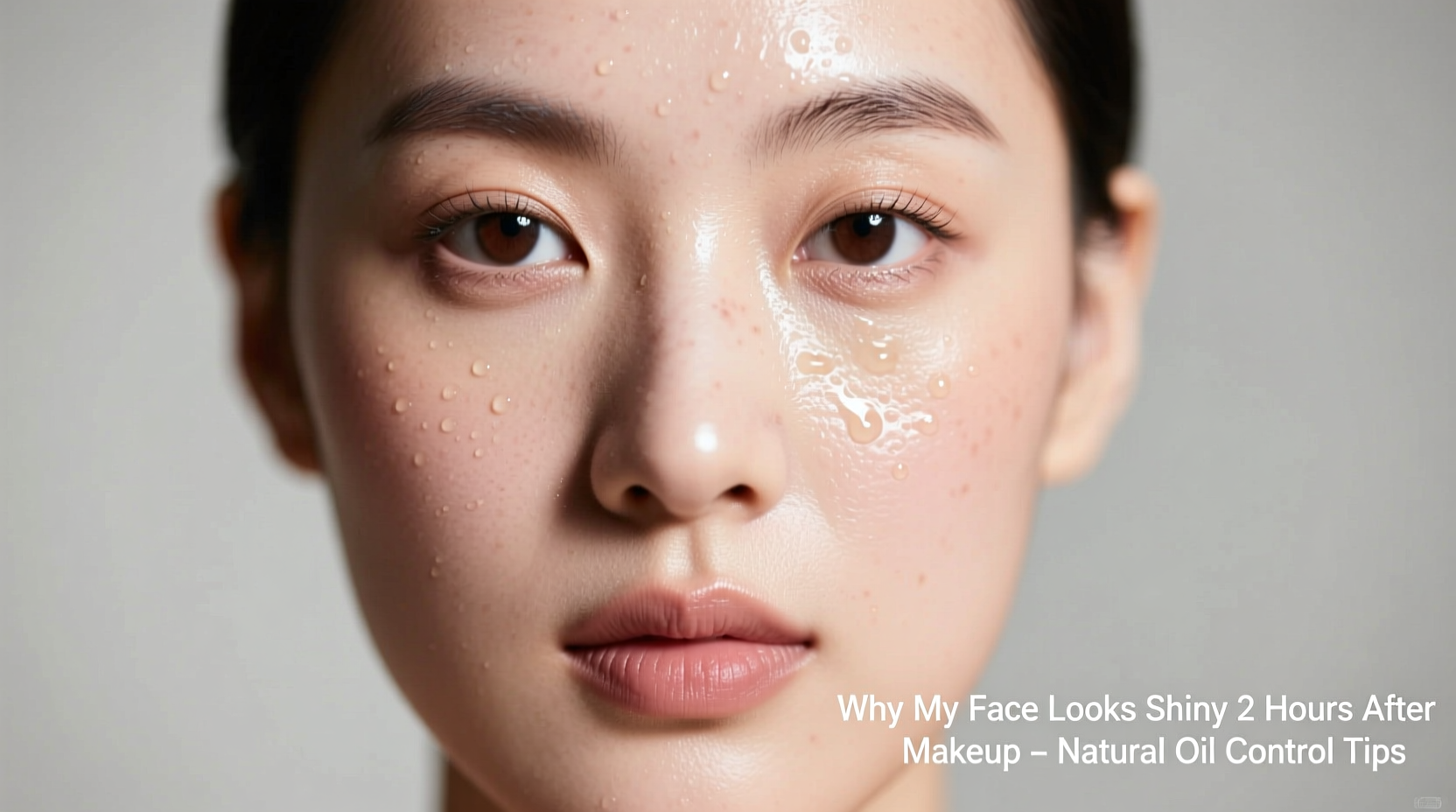
Facial shine occurs when sebaceous glands produce excess sebum, an oily substance that protects and moisturizes the skin. While sebum is essential for a healthy moisture barrier, overproduction leads to unwanted glossiness. Several factors contribute to this:
- Hormonal fluctuations: Androgens stimulate sebum production, especially during puberty, menstruation, or stress.
- Environmental triggers: Heat, humidity, and pollution increase oil output as the skin tries to defend itself.
- Dietary influences: High-glycemic foods and dairy may exacerbate oiliness in some individuals.
- Skincare missteps: Over-cleansing or using drying products can trigger rebound oil production.
The timing—two hours post-makeup—is telling. It suggests your routine may be disrupting the skin’s balance. Makeup sits atop the skin, and if the foundation layer isn’t properly prepped or contains comedogenic ingredients, it can trap heat and accelerate sebum secretion.
“Many people with oily skin actually over-strip their face, which signals the glands to produce even more oil. Balance, not elimination, is the goal.” — Dr. Lena Patel, Board-Certified Dermatologist
Natural Ingredients That Gently Regulate Oil
You don’t need synthetic mattifying agents to manage shine. Nature offers gentle yet effective alternatives that work with your skin’s biology:
- Witch Hazel: A natural astringent that tightens pores and reduces surface oil without over-drying. Choose alcohol-free versions to avoid irritation.
- Green Tea Extract: Rich in antioxidants, it calms inflammation and has been shown to reduce sebum production.
- Aloe Vera: Soothes the skin while providing lightweight hydration, reducing the need for excess oil.
- Clay (Kaolin or Rhassoul): Absorbs impurities and excess oil without disturbing pH balance. Ideal for masks or blotting powders.
- Tea Tree Oil: Antimicrobial and sebum-regulating, but must be diluted (1–2% concentration) to prevent sensitivity.
Step-by-Step Routine to Prevent Shine Naturally
Consistency is key. Follow this morning routine to create a balanced, long-lasting base:
- Cleanse with lukewarm water using a gentle, non-foaming cleanser. Avoid hot water, which can irritate and stimulate oil glands.
- Tone with green tea or witch hazel to refine pores and prep the skin for absorption.
- Hydrate with a water-based moisturizer containing hyaluronic acid or aloe vera. Skipping moisturizer tricks skin into producing more oil.
- Apply a natural primer made with silica-rich rice powder or a clay-based formula to create a smooth, oil-absorbing layer.
- Use mineral-based makeup with non-comedogenic ingredients like mica or zinc oxide. Avoid silicones that can trap oil.
- Set lightly with a translucent rice powder applied with a puff—focus on T-zone areas only.
Reapply only when necessary. Instead of layering more product, use blotting techniques to absorb oil without disturbing makeup.
Do’s and Don’ts of Natural Oil Control
| Do | Don't |
|---|---|
| Use oil-free, non-comedogenic moisturizers | Skip moisturizer to “dry out” oily skin |
| Blot excess oil with reusable bamboo or organic cotton sheets | Rub your face with tissue or hands frequently |
| Exfoliate 1–2 times weekly with oatmeal or rice enzyme masks | Over-exfoliate with harsh scrubs or acids daily |
| Drink plenty of water to support internal balance | Consume high-sugar or processed dairy regularly |
| Wash makeup brushes weekly to prevent bacterial buildup | Use expired or shared cosmetics |
Real-Life Example: Maria’s Morning Transformation
Maria, a 32-year-old teacher in Miami, struggled with her makeup melting by 10 a.m. due to humidity and her combination skin. She was using a foaming cleanser, skipping moisturizer, and setting her makeup with heavy powder. After switching to a routine centered on balance—using a hydrating gel cleanser, aloe vera gel, and a rice-based setting powder—she noticed a dramatic change. Her skin stayed matte for five hours, and touch-ups were minimal. “I used to think oil was the enemy,” she said. “Now I know it’s about working with my skin, not against it.”
DIY Natural Solutions You Can Make at Home
Commercial oil-control products often contain alcohol or talc, which can disrupt skin health. Try these simple, effective homemade alternatives:
- Green Tea Toner: Brew a cup of green tea, let it cool, and store in a spray bottle. Use daily after cleansing.
- Oat & Honey Mask: Mix ground oats, raw honey, and a teaspoon of yogurt. Apply for 10 minutes to gently exfoliate and soothe.
- Clay Mattifying Spray: Combine 1 tsp kaolin clay, ½ cup rose water, and 3 drops of tea tree oil in a mist bottle. Shake well and spritz on oily areas.
These solutions are cost-effective, customizable, and free from synthetic additives. Perform a patch test first, especially if you have sensitive skin.
Checklist: Build Your Natural Oil-Control Routine
Use this checklist each morning to ensure you’re supporting balanced skin:
- ✅ Wash face with a mild, sulfate-free cleanser
- ✅ Tone with alcohol-free witch hazel or green tea
- ✅ Apply a lightweight, oil-free moisturizer
- ✅ Use a natural mineral primer
- ✅ Apply non-comedogenic makeup with clean tools
- ✅ Set with rice or cornstarch-based powder
- ✅ Carry reusable blotting sheets for midday touch-ups
- ✅ Change pillowcase every 3 days to reduce bacteria transfer
Frequently Asked Questions
Can drinking more water really reduce facial oil?
Yes. Dehydrated skin often compensates by overproducing sebum. Drinking adequate water supports cellular hydration, helping regulate oil production from within. Aim for at least 2 liters daily, adjusting for climate and activity level.
Is it safe to use baking soda on oily skin?
No. Baking soda has a high pH (around 9), which disrupts the skin’s natural acidic barrier (pH 4.5–5.5). This imbalance can lead to irritation, dryness, and increased oil production over time. Opt for gentler exfoliants like lactic acid or enzymatic powders instead.
Why does my skin get oilier in the summer?
Heat and humidity directly stimulate sebaceous glands. Sweat mixes with sebum and makeup, creating a slick film. To combat this, switch to lighter formulations, blot instead of piling on powder, and carry a facial mist with cooling ingredients like cucumber or peppermint.
Long-Term Skin Health Over Quick Fixes
While blotting papers and mattifying sprays offer instant relief, lasting results come from consistent care. Focus on strengthening your skin’s barrier rather than suppressing its functions. Over time, a balanced routine reduces reliance on corrective products. Incorporate seasonal adjustments—lighter textures in summer, slightly richer hydration in winter—even if you have oily skin. Skin needs evolve, and flexibility prevents overcorrection.
Natural oil control isn’t about deprivation. It’s about alignment—with your skin type, lifestyle, and environment. When you stop fighting shine and start understanding its cause, you gain control without compromise.
Conclusion: Shine Less, Live More
Managing facial oil naturally isn’t a quick fix—it’s a shift in mindset. By choosing gentle, intelligent methods over aggressive ones, you preserve your skin’s integrity while achieving a fresh, matte appearance that lasts. Start today: assess your current routine, eliminate harsh ingredients, and introduce one natural alternative at a time. Small changes compound into visible results.




 浙公网安备
33010002000092号
浙公网安备
33010002000092号 浙B2-20120091-4
Comments
No comments yet. Why don't you start the discussion?