
Waking up with a puffy or swollen face is more common than many realize. While occasional puffiness may not be alarming, persistent morning facial swelling can signal underlying habits, health conditions, or lifestyle factors that deserve attention. The causes range from harmless fluid retention to more serious medical issues. Understanding why this happens empowers you to take appropriate steps—whether it's adjusting sleep posture, managing allergies, or seeking medical advice.
Fluid Retention and Gravity
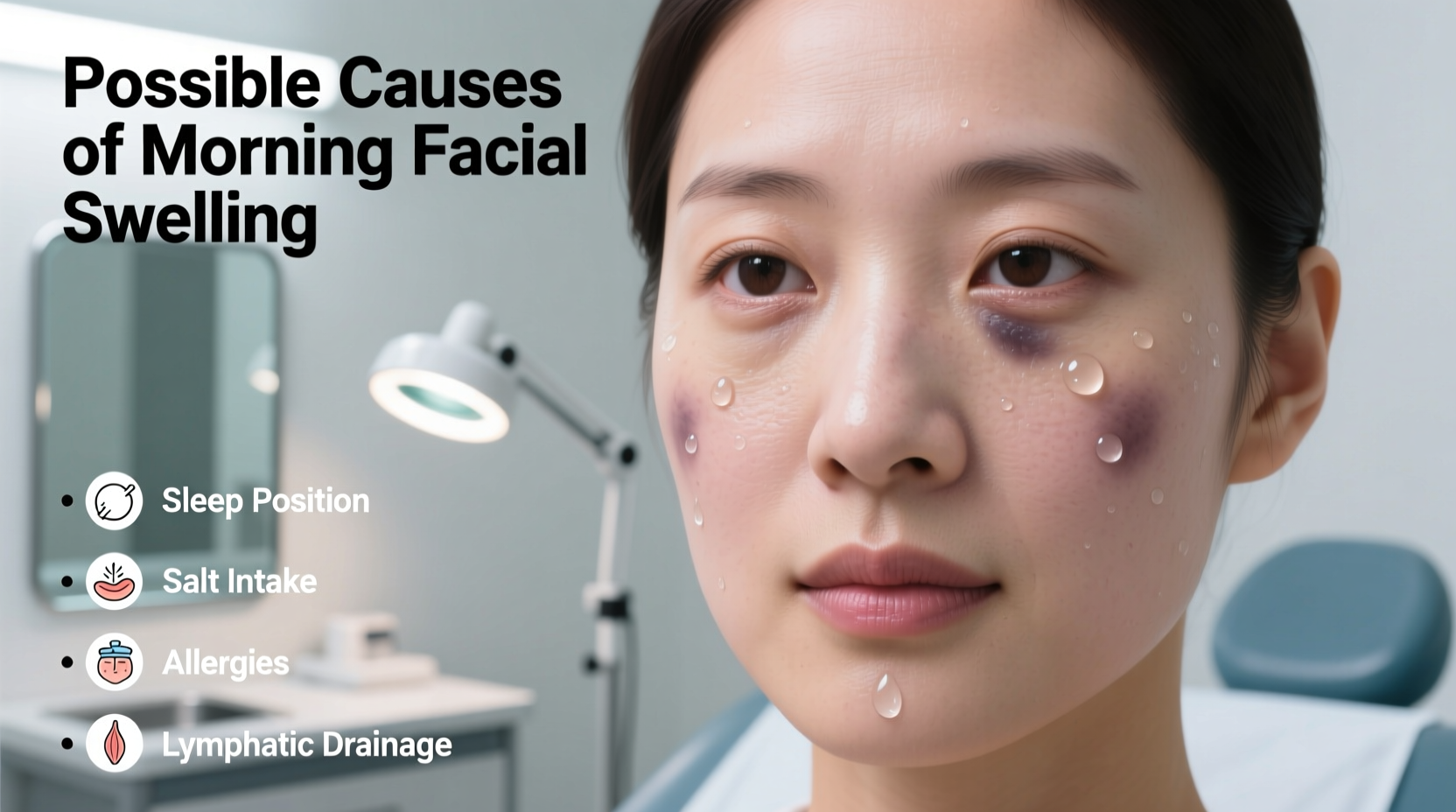
One of the most frequent explanations for morning facial swelling is fluid redistribution during sleep. When you lie down, gravity no longer pulls fluids downward into the legs and lower body as it does during the day. Instead, fluids shift toward the upper body and head, accumulating in soft tissues around the eyes, cheeks, and jawline.
This phenomenon is natural and typically resolves within 30 to 60 minutes after waking as you become upright and circulation normalizes. However, certain factors can worsen it:
- Sleeping flat on your back – This position encourages fluid pooling in the face.
- High-sodium diet – Excess salt intake leads to water retention, amplifying puffiness.
- Dehydration – Ironically, not drinking enough water prompts the body to hold onto fluids.
- Late-night eating or drinking – Consuming large meals or beverages close to bedtime increases fluid volume before lying down.
Allergies and Sinus Congestion
Allergic reactions—both seasonal and environmental—can cause noticeable facial swelling upon waking. Pollen, dust mites, pet dander, or even laundry detergents used on pillowcases may trigger localized inflammation. Histamine release during allergic responses increases blood vessel permeability, allowing fluid to leak into surrounding tissues, particularly around the eyes and sinuses.
Chronic sinus congestion also contributes to puffiness. Blocked nasal passages disrupt normal drainage, leading to pressure buildup and tissue swelling. If you frequently wake with a stuffy nose, dark under-eye circles, or a feeling of fullness in the cheeks, allergies or sinusitis could be the culprit.
“Morning facial puffiness linked to allergies often comes with other signs like sneezing, itchy eyes, or postnasal drip. Identifying and removing allergens from the bedroom can make a dramatic difference.” — Dr. Lena Torres, Allergy & Immunology Specialist
Common Allergy Triggers in the Bedroom
| Trigger | How It Affects the Face | Prevention Strategy |
|---|---|---|
| Dust mites in pillows/mattresses | Causes low-grade inflammation and eye puffiness | Use allergen-proof covers; wash bedding weekly in hot water |
| Pet dander | Triggers histamine release and facial swelling | Keep pets out of the bedroom |
| Fragranced laundry products | Irritates skin and mucous membranes | Switch to fragrance-free, hypoallergenic detergents |
| Mold in humid environments | Induces chronic sinus inflammation | Use a dehumidifier; ensure proper ventilation |
Dietary and Lifestyle Influences
Your daily habits significantly impact how your face appears in the morning. Certain foods, drinks, and behaviors promote fluid retention and inflammation.
Sodium Intake
Processed foods, fast food, and salty snacks are major contributors to water retention. The kidneys struggle to balance sodium and water levels, prompting the body to store excess fluid—including in facial tissues.
Alcohol Consumption
Drinking alcohol, especially in the evening, dehydrates the body and damages capillary walls, making them more prone to leakage. Alcohol also disrupts sleep quality and increases cortisol (a stress hormone), both of which can exacerbate puffiness.
Dehydration
When the body lacks sufficient water, it compensates by holding onto existing fluids. This survival mechanism often manifests as bloating and facial swelling. Drinking adequate water throughout the day helps flush out sodium and maintain balanced hydration.
Nighttime Habits That Worsen Puffiness
- Eating heavy or salty meals within 3 hours of bedtime
- Consuming large amounts of liquid late at night
- Using electronic devices right before sleep (disrupts circadian rhythm and fluid regulation)
- Smoking (impairs circulation and increases inflammation)
Medical Conditions Linked to Morning Facial Swelling
While lifestyle factors are often responsible, recurring or severe facial puffiness may indicate an underlying medical issue. These conditions require professional diagnosis and treatment.
Kidney Dysfunction
The kidneys regulate fluid and electrolyte balance. When they're impaired, excess fluid builds up in tissues, commonly appearing first in the face (especially around the eyes) and legs. Other symptoms include fatigue, changes in urination, and generalized swelling.
Thyroid Disorders
Hypothyroidism (underactive thyroid) slows metabolism and can lead to a condition called myxedema, where mucopolysaccharides accumulate in the skin and connective tissues. This results in non-pitting edema—firm, doughy swelling often seen in the face, hands, and feet.
Cardiovascular Issues
Heart failure can impair circulation, causing fluid to back up into the lungs and upper body. While leg swelling is more typical, some patients experience facial puffiness, particularly upon waking.
Autoimmune Diseases
Conditions like lupus or Sjögren’s syndrome involve chronic inflammation and immune system attacks on bodily tissues. Facial swelling may accompany dry eyes, rashes, joint pain, and fatigue.
“If facial swelling persists beyond the first few hours of the day, worsens over time, or is accompanied by shortness of breath, fatigue, or changes in urination, it’s essential to consult a healthcare provider.” — Dr. Rajiv Mehta, Internal Medicine Physician
Step-by-Step Guide to Reducing Morning Facial Swelling
Addressing morning puffiness involves a combination of preventive measures and targeted routines. Follow this timeline to identify and correct contributing factors:
- Evening (6–8 PM): Avoid salty foods, alcohol, and large fluid intakes. Opt for potassium-rich foods like bananas, spinach, and avocados to help balance sodium.
- Before Bed (9–10 PM): Gently cleanse your face and apply a lightweight, non-comedogenic moisturizer. Consider using a cold roller or refrigerated eye gel to prep skin.
- Sleep Setup: Sleep with your head slightly elevated using an orthopedic pillow. Keep bedroom cool, clean, and free of allergens.
- Upon Waking: Splash face with cool water or use a cold compress for 5 minutes to constrict blood vessels and reduce puffiness.
- Morning Routine: Drink a glass of water with lemon to stimulate circulation and kidney function. Perform gentle facial massage or lymphatic drainage techniques.
- Throughout the Day: Monitor your sodium intake, stay hydrated, and avoid prolonged screen time that encourages fluid stagnation.
Mini Case Study: Sarah’s Journey to Less Puffy Mornings
Sarah, a 34-year-old graphic designer, noticed she was consistently waking up with puffy eyes and a swollen jawline. At first, she dismissed it as lack of sleep, but even after improving her rest, the issue persisted. She began tracking her habits and discovered a pattern: nights when she ate takeout (high in sodium) or drank wine, the swelling was worse.
She consulted her doctor, who ruled out kidney or thyroid issues through blood tests. With guidance, Sarah made several changes: switching to low-sodium meals, replacing wine with herbal tea, using hypoallergenic bedding, and elevating her head while sleeping. Within three weeks, her morning puffiness decreased significantly. A follow-up visit confirmed improved hydration markers and reduced inflammatory indicators.
Sarah’s case highlights how simple lifestyle adjustments—guided by observation and professional input—can resolve seemingly stubborn symptoms.
Checklist: What You Can Do Today
Use this actionable checklist to begin addressing morning facial swelling:
- ✅ Drink at least 8 glasses of water daily
- ✅ Reduce processed and salty foods
- ✅ Avoid alcohol and heavy meals 3+ hours before bed
- ✅ Elevate your head during sleep
- ✅ Wash bedding weekly in hot water
- ✅ Use fragrance-free laundry detergent
- ✅ Apply a cold compress upon waking
- ✅ Monitor symptoms for consistency or progression
- ✅ Schedule a medical check-up if swelling persists
FAQ
Is it normal for my face to swell every morning?
Occasional mild puffiness is normal due to fluid shifts during sleep. However, if swelling occurs daily, takes hours to subside, or worsens over time, it may point to dietary, allergic, or medical causes worth investigating.
Can dehydration really cause facial swelling?
Yes. When the body is dehydrated, it holds onto available fluids to maintain vital functions. This conservation response often leads to water retention in areas like the face and extremities.
When should I see a doctor about facial swelling?
Seek medical evaluation if puffiness is persistent, asymmetric, painful, or accompanied by other symptoms such as fatigue, shortness of breath, changes in urination, or skin changes. These could indicate systemic conditions requiring treatment.
Conclusion
Morning facial swelling is often dismissed as a cosmetic nuisance, but it can be a meaningful signal from your body. Whether driven by diet, sleep posture, allergies, or deeper health concerns, understanding the root cause is key to effective resolution. Small, consistent changes—like reducing sodium, staying hydrated, and optimizing sleep hygiene—can yield noticeable improvements. But don’t hesitate to seek medical insight if symptoms persist. Your face may be telling you something important about your overall well-being.




 浙公网安备
33010002000092号
浙公网安备
33010002000092号 浙B2-20120091-4
Comments
No comments yet. Why don't you start the discussion?