
Retinol is one of the most effective skincare ingredients available over the counter. Celebrated for its ability to accelerate cell turnover, reduce fine lines, and improve skin texture, it’s a staple in many anti-aging and acne-fighting routines. But with great power comes potential irritation—especially in the form of flaking, dryness, and visible peeling. If your skin starts shedding shortly after introducing retinol, you're not alone. This reaction, often called “retinization,” is common, especially during the first few weeks of use. Understanding why it happens and how to respond is key to maintaining healthy, resilient skin while still reaping retinol’s long-term benefits.
The Science Behind Retinol-Induced Peeling
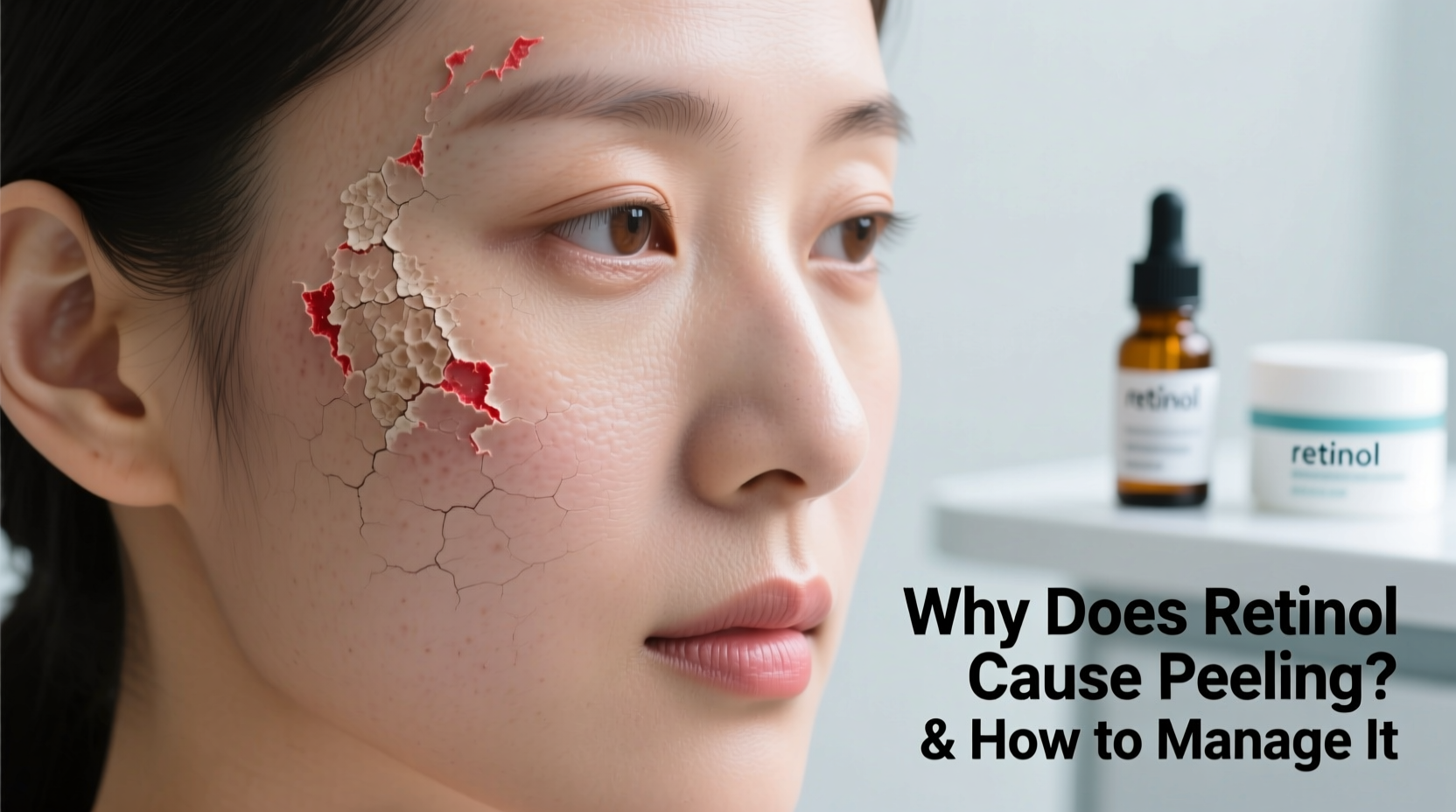
Retinol is a derivative of vitamin A that works by binding to retinoic acid receptors in the skin. Once absorbed, it stimulates collagen production, increases cellular turnover, and helps unclog pores. While these effects are beneficial, they also disrupt the skin’s natural cycle. Normally, skin cells take about 28 days to mature and shed. Retinol speeds up this process, sometimes reducing the cycle to just 14–20 days. As a result, older, dead skin cells rise to the surface faster than they can slough off naturally—leading to visible flaking and patchiness.
This accelerated exfoliation thins the outermost layer of the epidermis temporarily, making skin more vulnerable to moisture loss and environmental stressors. The compromised barrier function allows transepidermal water loss (TEWL), which further exacerbates dryness and tightness. Inflammatory mediators may also be released during this adjustment phase, causing redness and sensitivity alongside peeling.
“Peeling isn’t a sign that retinol isn’t working—it’s often a sign that it *is* working. The challenge lies in managing the side effects without derailing your routine.” — Dr. Lena Torres, Board-Certified Dermatologist
Common Triggers That Worsen Peeling
While some degree of peeling is expected when starting retinol, certain habits and product combinations can intensify the reaction. Identifying these triggers can help minimize discomfort and prevent unnecessary damage.
- Overuse: Applying retinol every night from day one overwhelms the skin’s adaptive capacity.
- High Concentrations: Jumping straight into 1% retinol formulas without building tolerance leads to excessive irritation.
- Combining with Other Actives: Using retinol alongside AHAs (like glycolic acid), BHAs (like salicylic acid), or vitamin C can strip the skin barrier.
- Poor Moisturization: Skipping moisturizer or using lightweight, non-barrier-repairing formulas fails to counteract dryness.
- Harsh Cleansers: Foaming or sulfated cleansers can further dehydrate already sensitized skin.
- Environmental Stressors: Cold weather, low humidity, and sun exposure amplify irritation during retinization.
How to Manage and Reduce Peeling
Managing retinol-induced peeling doesn’t mean giving up on the ingredient. Instead, it requires a strategic approach focused on strengthening the skin barrier while allowing active renewal to continue.
1. Adjust Frequency and Dosage
Rather than stopping retinol altogether, scale back usage. Begin with applying a pea-sized amount twice a week. After two weeks without severe irritation, increase to every other night, then nightly if tolerated. For sensitive skin types, sticking to 2–3 times per week may be sufficient for ongoing maintenance.
2. Use the Buffering Technique
Apply your moisturizer before retinol to create a protective buffer. This reduces direct contact with active ingredients and slows absorption, minimizing irritation. Known as “sandwiching,” some prefer applying moisturizer both before and after retinol for extra protection.
3. Prioritize Barrier-Repairing Ingredients
Incorporate products rich in ceramides, fatty acids, cholesterol, squalane, and niacinamide. These components reinforce the lipid matrix of the skin, helping retain moisture and resist inflammation. Look for creams labeled “barrier repair” or “for sensitive skin.”
4. Avoid Physical Exfoliation
Do not scrub peeling areas with washcloths, brushes, or granular scrubs. Mechanical exfoliation can cause microtears, especially on compromised skin. Let flakes shed naturally. Gently pat dry after cleansing and avoid rubbing.
5. Hydrate Inside and Out
Topical hydration should be paired with internal support. Drink adequate water daily and consider incorporating omega-3 fatty acids through diet or supplements to support skin elasticity and moisture retention.
6. Never Skip Sunscreen
Retinol increases photosensitivity. UV exposure during the adjustment phase can worsen peeling, trigger hyperpigmentation, and negate anti-aging benefits. Use a broad-spectrum SPF 30 or higher every morning—even on cloudy days.
Step-by-Step Guide to Recovering from Severe Peeling
If your skin is currently flaking, red, or stinging, follow this recovery protocol to restore balance and prepare for a smarter reintroduction of retinol.
- Pause Retinol (Temporarily): Stop application for 3–5 days to allow the skin barrier to begin healing.
- Cleanse Gently: Switch to a fragrance-free, non-foaming cleanser used only once per day (preferably at night).
- Layer on Hydration: Apply a hyaluronic acid serum to damp skin, followed by a thick occlusive moisturizer.
- Introduce Soothing Agents: Use ingredients like colloidal oatmeal, allantoin, or panthenol to calm irritation.
- Reintroduce Retinol Slowly: After symptoms subside, resume once weekly using the buffering method.
- Monitor Response: Track changes in texture and comfort level before increasing frequency.
Product Checklist: What to Use During Retinol Adjustment
To navigate the retinization phase smoothly, equip your routine with supportive products. Here’s what to include:
- Fragrance-free, cream-based cleanser
- Hyaluronic acid serum (apply to damp skin)
- Moisturizer with ceramides and glycerin
- Occlusive balm (e.g., petrolatum or shea butter) for extra-dry zones
- Broad-spectrum mineral sunscreen (zinc oxide-based for sensitive skin)
- Retinol product with encapsulated delivery or low concentration (0.25%–0.3%)
- Soothing toner with centella asiatica or bisabolol
Do’s and Don’ts When Dealing With Peeling Skin
| Do’s | Don’ts |
|---|---|
| Do apply moisturizer on damp skin to lock in hydration | Don’t pick or peel flaky skin—it can lead to scarring |
| Do use lukewarm water when washing your face | Don’t use hot water, which strips natural oils |
| Do store retinol in a cool, dark place to preserve potency | Don’t mix retinol with benzoyl peroxide—they neutralize each other |
| Do wear SPF daily to protect sensitized skin | Don’t combine retinol with alcohol-based toners |
| Do introduce one new product at a time to monitor reactions | Don’t rush results—skin adaptation takes 4–12 weeks |
A Real Example: Navigating Retinol Peeling Successfully
Sophia, a 34-year-old teacher, began using an over-the-counter retinol serum to address early signs of aging. Excited by promises of smoother skin, she applied it nightly for a week. By day five, her cheeks were visibly flaking, tight, and slightly red. Alarmed, she nearly quit altogether. Instead, she consulted a dermatology nurse at a local clinic who advised her to pause retinol for four days and switch to a minimalist routine: a gentle milky cleanser, a hydrating serum with hyaluronic acid, and a ceramide-rich moisturizer. She resumed retinol twice a week, applying moisturizer first. Within three weeks, peeling subsided, and her skin felt firmer and more even-toned. Today, she uses retinol three times a week with no irritation—proof that patience and proper technique make all the difference.
FAQ: Common Questions About Retinol Peeling
Is peeling a sign of retinol working?
Peeling can indicate increased cell turnover, which is part of how retinol works. However, excessive flaking isn't necessary for effectiveness. Well-tolerated use without visible peeling can still deliver significant anti-aging and textural improvements.
How long does retinol peeling last?
For most people, initial peeling lasts 2–6 weeks as the skin adjusts. This period, known as retinization, typically resolves as the skin builds tolerance. Persistent peeling beyond two months may signal overuse or incompatible formulations.
Can I still wear makeup if my skin is peeling?
Yes, but choose non-comedogenic, hydrating formulas. Avoid powder-based products that can cling to dry patches. Apply a nourishing primer or moisturizer beforehand, and use a damp sponge for smooth blending. Avoid heavy contouring or baking, which can emphasize flakiness.
Conclusion: Work With Your Skin, Not Against It
Peeling after using retinol is a common, temporary response rooted in accelerated exfoliation and barrier disruption. Rather than viewing it as a setback, treat it as feedback from your skin. With thoughtful adjustments—slower introduction, better hydration, and intelligent product pairing—you can harness retinol’s transformative power without compromising comfort or integrity. Skincare is not about enduring irritation; it’s about achieving balance. By respecting your skin’s limits and supporting its resilience, you set the foundation for lasting radiance.




 浙公网安备
33010002000092号
浙公网安备
33010002000092号 浙B2-20120091-4
Comments
No comments yet. Why don't you start the discussion?