
Waking up to a puffy face can be frustrating, especially when you're aiming for a fresh, well-rested appearance. This common issue affects people of all ages and genders, often appearing without warning and diminishing confidence before the day even begins. While occasional puffiness is normal, chronic morning facial swelling may point to underlying lifestyle habits or physiological responses. The good news is that most causes are manageable—and many solutions are entirely natural. Understanding the root mechanisms behind facial puffiness allows you to take targeted, sustainable steps toward reducing it.
The Science Behind Morning Facial Puffiness
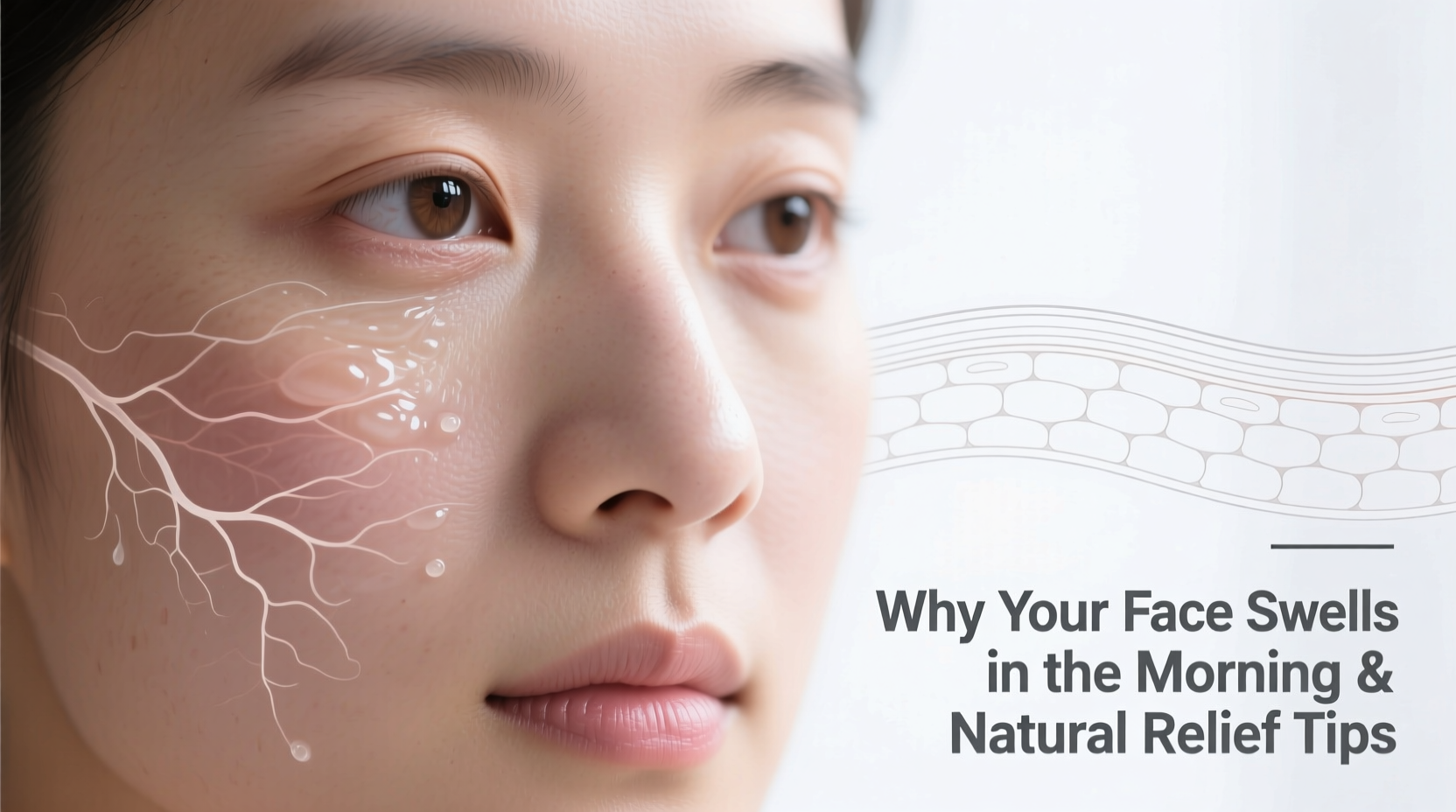
Facial puffiness upon waking is primarily due to fluid accumulation in the soft tissues of the face, particularly around the eyes and cheeks. When you lie down, gravity redistributes bodily fluids more evenly than during upright hours. Overnight, this fluid tends to pool in the lower parts of the face, leading to temporary swelling by morning. This process, known as dependent edema, is amplified if you’ve consumed excess salt, alcohol, or insufficient water the previous day.
Beyond fluid retention, other biological factors contribute. During sleep, metabolic activity slows, including lymphatic drainage—the system responsible for removing excess fluid and waste from tissues. If lymph flow is sluggish, fluid builds up under the skin. Additionally, hormonal fluctuations—especially cortisol and antidiuretic hormone (ADH)—shift during sleep cycles, influencing water balance. For some individuals, allergies, sinus congestion, or even sleep position can exacerbate the effect.
“Morning facial puffiness is rarely a medical emergency but often a sign of lifestyle imbalance. Addressing hydration, diet, and sleep posture can yield dramatic improvements.” — Dr. Lena Patel, Integrative Dermatologist
Common Causes of Morning Face Swelling
Understanding what triggers puffiness is the first step toward prevention. Below are the most frequent contributors:
- Sodium intake: High-salt meals cause the body to retain water to maintain electrolyte balance, leading to visible swelling.
- Dehydration: Counterintuitively, not drinking enough water prompts the body to hold onto existing fluids, increasing puffiness.
- Alcohol consumption: Alcohol dehydrates and dilates blood vessels, promoting fluid leakage into surrounding tissues.
- Sleep position: Sleeping flat on your back allows fluid to settle across the face; elevating the head slightly helps prevent this.
- Allergies or sinus issues: Inflammation from allergens like dust mites or pet dander can block sinuses, trapping fluid.
- Lack of sleep: Poor sleep disrupts hormonal regulation, including cortisol, which affects fluid balance.
- Processed foods: Preservatives and additives in packaged foods often contain hidden sodium and inflammatory compounds.
Natural Remedies to Reduce Facial Puffiness
You don’t need expensive creams or invasive treatments to combat morning puffiness. Many effective solutions are rooted in daily habits and simple home techniques.
1. Hydrate Before Bed and Upon Waking
Drinking a full glass of water before bed and immediately after waking helps regulate fluid balance. It signals the kidneys to flush out excess sodium and toxins. Herbal teas like dandelion or nettle act as natural diuretics and support kidney function without depleting potassium.
2. Elevate Your Head During Sleep
Using an extra pillow or an adjustable bed to keep your head above heart level prevents gravitational fluid pooling. This small adjustment can significantly reduce puffiness within days.
3. Apply Cold Therapy
Cold constricts blood vessels and reduces inflammation. Gently press a cold spoon, chilled jade roller, or damp washcloth (cooled in the fridge) over puffy areas for 2–3 minutes. Avoid direct ice contact to prevent skin damage.
4. Use Natural Anti-Inflammatory Ingredients
Cucumber slices, green tea bags, or aloe vera gel applied to the face for 10 minutes help soothe and tighten skin. Cucumbers contain antioxidants and mild diuretic properties; green tea has tannins and caffeine that reduce swelling.
5. Support Lymphatic Drainage
Gentle facial massage stimulates lymph flow. Use fingertips to apply light pressure in upward motions—from the collarbones to the jawline, then outward along the cheekbones and forehead. Perform for 3–5 minutes each morning.
| Remedy | Effectiveness (1-5) | Time Required | Best Time to Use |
|---|---|---|---|
| Hydration | ⭐⭐⭐⭐☆ | Instant (drinking), ongoing results | Before bed & upon waking |
| Head elevation | ⭐⭐⭐⭐⭐ | Passive (during sleep) | Overnight |
| Cold compress | ⭐⭐⭐⭐☆ | 2–5 minutes | Morning routine |
| Facial massage | ⭐⭐⭐☆☆ | 3–7 minutes | Morning or evening |
| Herbal tea (diuretic) | ⭐⭐⭐☆☆ | 5–10 minutes brewing | Evening or morning |
Daily Routine Checklist to Prevent Puffiness
Consistency is key. Incorporate these actions into your daily rhythm for lasting results:
- Drink at least 2 liters of water throughout the day.
- Limit processed and salty foods, especially after 6 PM.
- Avoid alcohol or excessive caffeine in the evening.
- Elevate your head with an extra pillow while sleeping.
- Apply a cold compress or chilled skincare tool upon waking.
- Perform a 3-minute facial massage to stimulate lymph flow.
- Rinse face with cool (not hot) water in the morning.
- Use non-comedogenic, low-sodium skincare products.
- Wash bedding weekly to reduce allergen exposure.
- Get 7–8 hours of quality sleep regularly.
Real-Life Example: How Sarah Reduced Her Morning Puffiness
Sarah, a 34-year-old marketing executive, struggled with persistent facial puffiness that made her feel sluggish and unprofessional. She often worked late, ate takeout high in sodium, and slept on her back with a thin pillow. After consulting a holistic nutritionist, she adjusted her routine: she began drinking herbal dandelion tea at night, switched to a firmer pillow, and started a morning ritual of cold water rinses and facial rolling.
Within two weeks, her colleagues noticed her “more awake” appearance. By week four, her morning puffiness had reduced by nearly 80%. She attributed her success not to one single change, but to the cumulative effect of consistent, natural habits.
Step-by-Step Guide: Your 7-Day Puffiness Reset Plan
If you’re ready to make immediate changes, follow this structured plan to reset your system and minimize facial swelling:
- Day 1–2: Assess & Adjust Diet
Eliminate processed snacks, canned soups, and salty condiments. Replace them with whole foods like cucumbers, celery, berries, and leafy greens. Drink two liters of water and one cup of dandelion tea daily. - Day 3–4: Optimize Sleep Setup
Add an extra pillow or use a wedge pillow to elevate your head. Wash your pillowcase to remove allergens. Go to bed 30 minutes earlier to ensure deeper rest. - Day 5–6: Introduce Morning Rituals
Upon waking, splash face with cool water. Use a chilled metal spoon or jade roller for 3 minutes, focusing on under-eye and jaw areas. Breathe deeply to activate lymphatic movement. - Day 7: Evaluate & Maintain
Take a morning selfie and compare it to Day 1. Note any visual differences. Keep your favorite practices and refine others based on what works best for your body.
This short-term commitment helps reset fluid balance and trains your body to maintain a less puffy state long-term.
Frequently Asked Questions
Is morning facial puffiness a sign of a serious health problem?
In most cases, no. Occasional puffiness is normal and tied to lifestyle. However, if swelling is persistent, painful, accompanied by dark circles, or affects other body parts (like hands or feet), consult a healthcare provider. Conditions like kidney dysfunction, thyroid issues, or chronic allergies could be contributing.
Can skincare products make puffiness worse?
Yes. Heavy creams, oil-based serums, or products with irritants (like alcohol or synthetic fragrances) can clog pores and increase inflammation. Opt for lightweight, non-comedogenic formulas labeled “for sensitive skin.” Store eye gels in the fridge for added depuffing benefits.
How long does it take to see results from natural methods?
Many people notice improvement within 3–5 days of consistent changes. Full adaptation—where morning puffiness becomes rare—typically takes 2–4 weeks, depending on baseline habits and individual physiology.
Conclusion: Wake Up Refreshed, Naturally
Morning facial puffiness doesn’t have to be a daily burden. By understanding the interplay of hydration, diet, sleep mechanics, and circulation, you gain control over a condition that’s largely influenced by modifiable habits. The strategies outlined here—ranging from simple head elevation to mindful hydration—are grounded in physiology and accessible to everyone. Unlike quick fixes that offer temporary relief, these natural approaches support overall wellness while improving your appearance.




 浙公网安备
33010002000092号
浙公网安备
33010002000092号 浙B2-20120091-4
Comments
No comments yet. Why don't you start the discussion?