
Facial twitching—especially around the eye, cheek, or mouth—is something nearly everyone experiences at some point. It’s usually harmless, but when it persists or worsens, it can be unsettling. These involuntary muscle contractions, known as fasciculations, are often temporary and linked to lifestyle factors like stress or fatigue. However, in rare cases, they may signal underlying neurological conditions. Understanding the root causes and knowing how to respond empowers you to manage or eliminate the twitch before it disrupts your day.
This article breaks down the most common reasons behind random facial twitches, outlines practical steps to stop them, and helps you recognize when it’s time to consult a healthcare provider.
What Causes Random Facial Twitching?
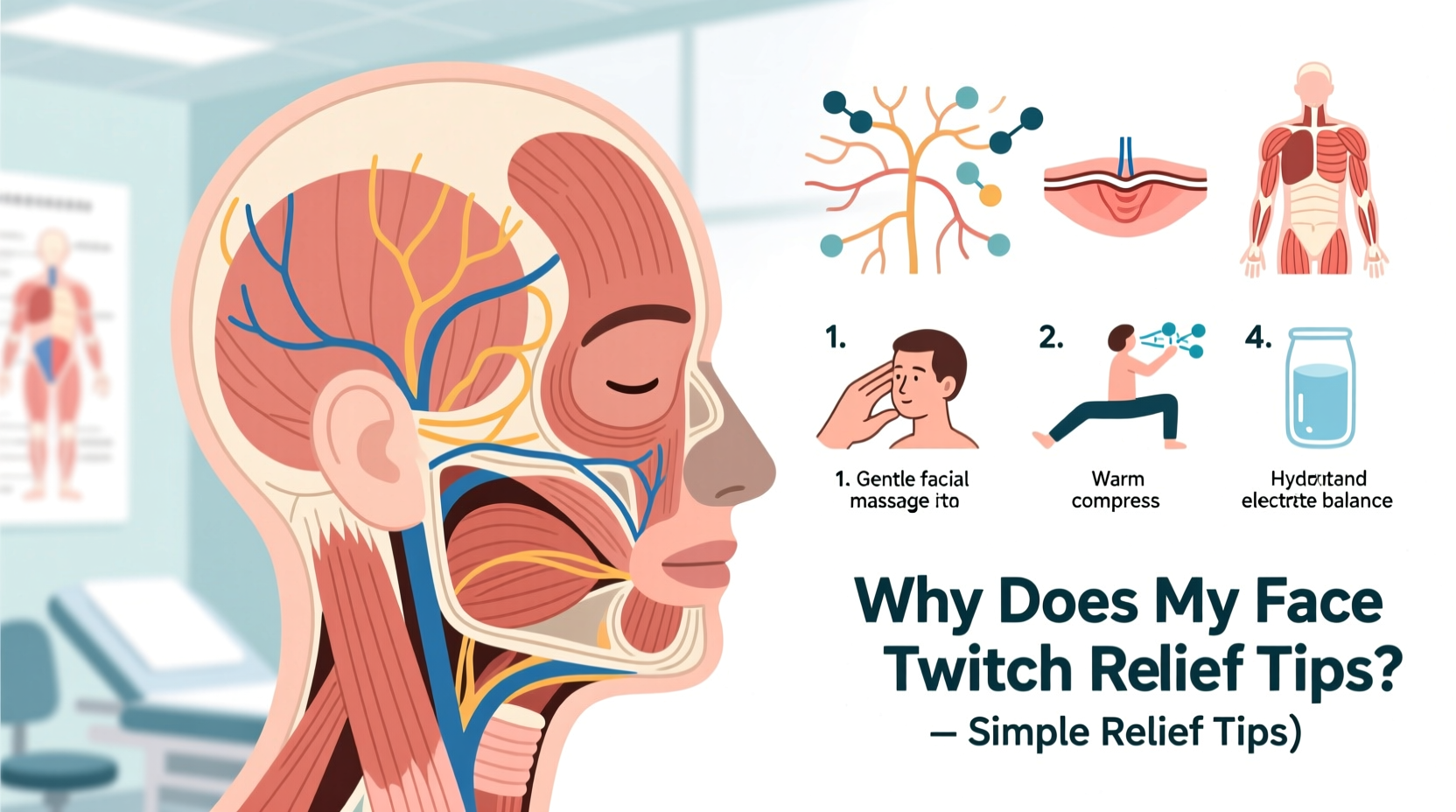
Facial muscles are controlled by the facial nerve (cranial nerve VII), which coordinates expressions like smiling, blinking, and frowning. When this nerve or its connected muscle fibers misfire, it results in a twitch. Most of these occurrences are benign and self-limiting, meaning they resolve on their own. However, several triggers can initiate or prolong the spasm.
- Stress and Anxiety: Elevated cortisol levels from chronic stress increase nervous system excitability, making muscles more prone to twitching.
- Eye Strain: Prolonged screen time, especially without breaks, fatigues the orbicularis oculi muscle around the eye, leading to eyelid spasms.
- Caffeine and Stimulants: Excess coffee, energy drinks, or certain medications can overstimulate nerves, triggering muscle activity.
- Sleep Deprivation: Lack of quality sleep disrupts neuromuscular regulation, increasing the likelihood of fasciculations.
- Nutrient Deficiencies: Low levels of magnesium, potassium, calcium, or vitamin B12 impair nerve signaling and muscle control.
- Dry Eyes: Especially common with contact lens wearers or those spending long hours in air-conditioned environments, dry eyes cause irritation that may lead to twitching.
When Facial Twitching Might Be Something More Serious
While most cases are harmless, persistent or spreading twitching should not be ignored. Certain patterns indicate the need for medical evaluation:
- Twitching that spreads beyond one area (e.g., from the eye to the mouth)
- Facial weakness, drooping, or difficulty closing one eye
- Constant rather than intermittent spasms
- Symptoms lasting more than three weeks without improvement
Two conditions worth noting are benign fasciculation syndrome (BFS) and hemifacial spasm. BFS involves frequent muscle twitches throughout the body, often triggered by anxiety or exertion, but doesn’t cause muscle weakness. Hemifacial spasm, however, typically begins with eye twitching and progresses to involve the entire side of the face due to compression of the facial nerve—often by a blood vessel—and may require imaging or specialized treatment.
“Most facial twitches are functional—they’re the body’s way of signaling overload. But if twitching becomes constant or asymmetric, it deserves a neurologic workup.” — Dr. Alan Reyes, Neurologist, Massachusetts General Hospital
Simple, Effective Ways to Stop Facial Twitching
The good news is that in over 90% of cases, facial twitching resolves with minor lifestyle adjustments. Here’s what actually works:
1. Reduce Caffeine and Alcohol Intake
Both substances affect central nervous system activity. Caffeine increases acetylcholine release—a neurotransmitter involved in muscle activation—while alcohol disrupts electrolyte balance. Try eliminating coffee, tea, soda, and energy drinks for 3–5 days and observe changes.
2. Prioritize Quality Sleep
Aim for 7–9 hours of uninterrupted sleep per night. Establish a wind-down routine: dim lights, avoid screens an hour before bed, and keep your bedroom cool and quiet. Poor sleep reduces GABA (a calming neurotransmitter), making neurons more excitable.
3. Apply Warm Compresses
For eye or cheek twitches, a warm washcloth applied for 5–10 minutes twice daily can relax tense muscles and improve circulation. Do not use excessive heat; test the cloth on your wrist first.
4. Stay Hydrated and Replenish Electrolytes
Dehydration alters sodium-potassium balance, affecting nerve impulses. Drink water consistently and include electrolyte-rich foods like bananas (potassium), almonds (magnesium), and dairy (calcium).
5. Practice Stress Management Techniques
Chronic stress keeps the sympathetic nervous system activated, contributing to muscle tension. Incorporate deep breathing, mindfulness meditation, or gentle yoga into your routine—even 10 minutes a day makes a difference.
Step-by-Step Guide to Eliminate Facial Twitching in 7 Days
If your twitch has lasted more than a few days, follow this structured plan to reset your neuromuscular health:
- Day 1–2: Identify Triggers
Keep a symptom journal. Note when the twitch occurs, caffeine intake, sleep duration, screen time, and emotional state. This helps isolate patterns. - Day 3: Cut Back on Stimulants
Eliminate coffee, energy drinks, and nicotine. Switch to herbal teas like chamomile or rooibos. - Day 4: Optimize Sleep Hygiene
Go to bed and wake up at the same time daily. Use blue-light filters on devices after sunset. - Day 5: Replenish Key Nutrients
Eat magnesium-rich foods (spinach, pumpkin seeds) and consider a B-complex supplement if diet is lacking. - Day 6: Apply Warm Compress + Gentle Massage
Use a warm cloth on the affected area, then lightly massage in circular motions for 2–3 minutes to release tension. - Day 7: Evaluate Progress
If the twitch is gone or significantly reduced, maintain the new habits. If not, proceed to medical consultation.
Do’s and Don’ts: Quick Reference Table
| Do’s | Don’ts |
|---|---|
| Get 7–9 hours of sleep nightly | Consume more than 200mg of caffeine per day (~2 cups of coffee) |
| Use artificial tears for dry eyes | Rub or press hard on twitching areas |
| Practice relaxation techniques daily | Ignore worsening symptoms beyond three weeks |
| Eat balanced meals rich in magnesium and B vitamins | Stare at screens for hours without breaks (follow 20-20-20 rule) |
| Stay hydrated (at least 8 glasses of water) | Self-diagnose using online symptom checkers |
Real-Life Example: How Sarah Resolved Her Persistent Eye Twitch
Sarah, a 34-year-old project manager, began experiencing right eyelid twitching during a high-pressure work quarter. Initially mild, it worsened over two weeks despite trying eye drops and rest. She was drinking three coffees a day, sleeping less than six hours, and working late on her laptop.
After reading about lifestyle triggers, she decided to act. She switched to decaf, set a strict 10 p.m. bedtime, used a warm compress twice daily, and started a 10-minute evening meditation. Within five days, the twitch slowed dramatically. By day ten, it had stopped completely. A year later, she maintains better sleep and caffeine habits—and hasn’t had a recurrence.
Her case illustrates how cumulative stressors, not just one factor, can trigger twitching—and how systematic changes yield fast results.
FAQ: Common Questions About Facial Twitching
Can dehydration cause facial twitching?
Yes. Dehydration affects electrolyte levels like sodium, potassium, and magnesium, which are essential for proper nerve conduction and muscle function. Even mild dehydration can lead to increased muscle irritability and twitching.
Is facial twitching a sign of multiple sclerosis (MS) or ALS?
It’s extremely unlikely. While neurological diseases can involve muscle twitching, they are accompanied by other serious symptoms such as progressive weakness, coordination problems, or loss of function. Isolated facial twitching without additional symptoms is almost never related to ALS or MS.
Should I see a doctor for a twitching eye?
If the twitch lasts longer than three weeks, spreads to other parts of the face, or is associated with redness, swelling, or drooping, yes. Otherwise, try lifestyle modifications first. An eye exam can rule out dry eye or strain-related causes.
Final Checklist: What to Do Today
If you're currently dealing with facial twitching, take action now with this concise checklist:
- ✅ Assess your caffeine intake—aim to reduce or eliminate it for 3–5 days
- ✅ Track sleep quality and aim for consistent bed/wake times
- ✅ Take regular screen breaks using the 20-20-20 rule (every 20 minutes, look at something 20 feet away for 20 seconds)
- ✅ Apply a warm compress to the twitching area twice daily
- ✅ Increase intake of magnesium and B-vitamin-rich foods
- ✅ Practice a daily relaxation technique (deep breathing, stretching, meditation)
- ✅ Monitor symptoms—if no improvement in 7–10 days, consult a healthcare provider
Conclusion: Take Control Before It Escalates
Random facial twitching is rarely dangerous, but it’s your body’s subtle signal that something is off—usually stress, fatigue, or nutrient imbalance. Ignoring it may allow the pattern to persist or worsen. The strategies outlined here are simple, evidence-based, and highly effective for the vast majority of people. You don’t need expensive treatments or medications to regain control.
Start today: adjust your habits, track your progress, and give your nervous system the break it needs. In most cases, relief comes within days. And if it doesn’t, you’ll have valuable information to share with your doctor.




 浙公网安备
33010002000092号
浙公网安备
33010002000092号 浙B2-20120091-4
Comments
No comments yet. Why don't you start the discussion?