
Facial twitching—those sudden, involuntary contractions of the muscles around your eye, cheek, or mouth—is more common than many people realize. While most episodes are fleeting and harmless, persistent or worsening twitches can signal underlying health concerns. Understanding what triggers these spasms and knowing when they warrant medical attention can help you manage symptoms effectively and reduce anxiety.
The experience varies widely: some notice a subtle flutter beneath the eye that lasts seconds, while others endure prolonged twitching in the jaw or lower face. Though often dismissed as fatigue or stress, facial twitching involves complex neurological mechanisms. This article breaks down the science behind random facial movements, identifies common and rare causes, and provides clear guidance on when to consult a healthcare provider.
What Causes Random Facial Twitching?
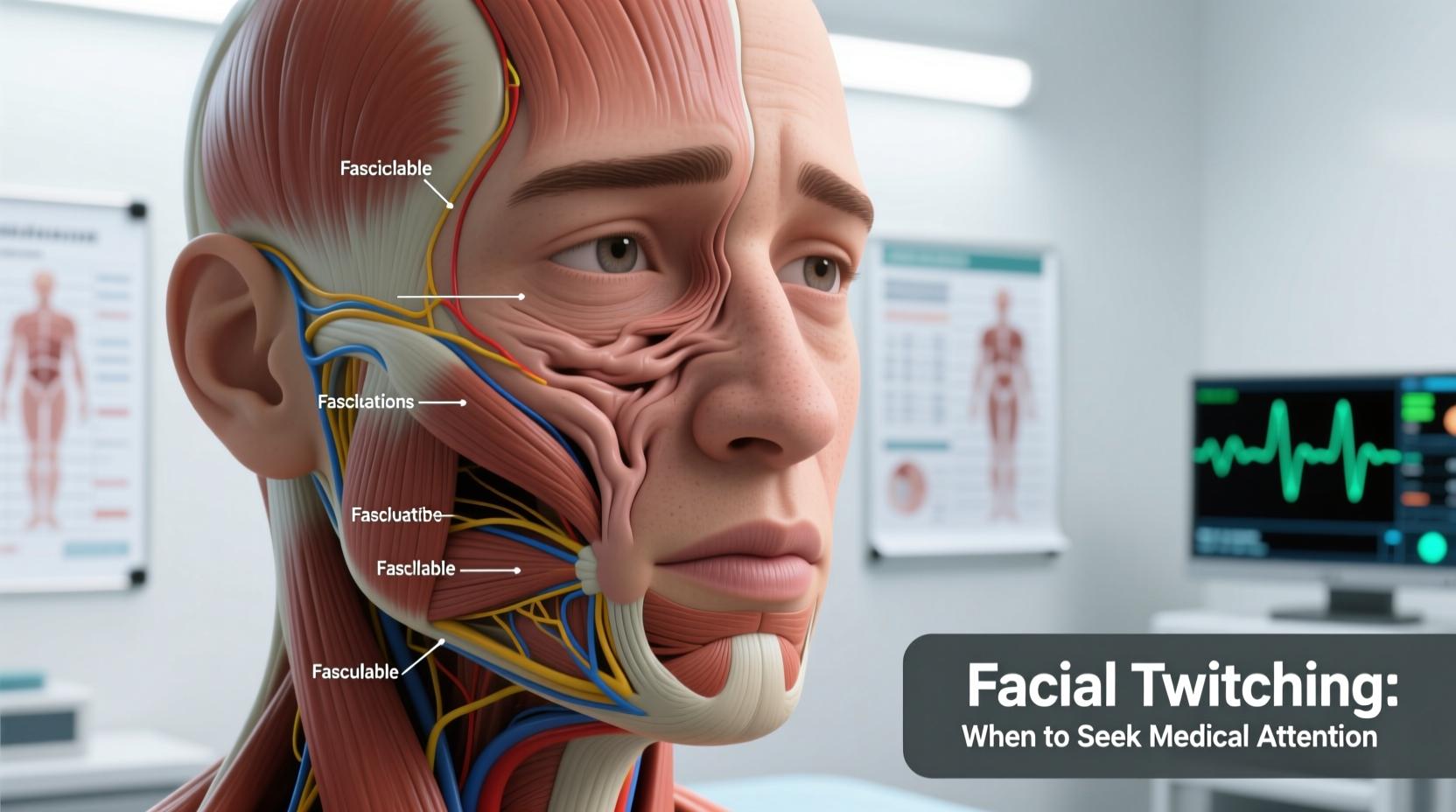
Facial twitching occurs when nerves that control facial muscles fire spontaneously. The seventh cranial nerve, also known as the facial nerve, governs expressions, blinking, and other movements. When this nerve becomes irritated or overstimulated, it can trigger muscle contractions even without conscious effort.
Most cases stem from benign, temporary factors. Common contributors include:
- Stress and anxiety: Heightened nervous system activity increases muscle tension and nerve sensitivity.
- Eye strain: Prolonged screen use or uncorrected vision problems can lead to eyelid twitching (myokymia).
- Caffeine and stimulants: Excessive coffee, energy drinks, or certain medications may overexcite nerves.
- Sleep deprivation: Poor or inconsistent sleep disrupts neural regulation.
- Nutritional imbalances: Low levels of magnesium, calcium, or potassium affect nerve signaling.
- Dry eyes: Particularly common with aging or extended digital device use.
In many instances, eliminating one or more of these triggers resolves the twitching within days or weeks.
When Facial Twitching Is More Than Just a Nuisance
While occasional twitches are usually nothing to worry about, certain patterns suggest an underlying condition requiring evaluation. Persistent or progressive facial spasms may point to neurological disorders such as:
- Bell’s Palsy: Sudden weakness or paralysis on one side of the face due to inflammation of the facial nerve, often following viral infection.
- Hemifacial Spasm: Involuntary contractions on one side of the face, typically starting near the eye and spreading downward. Often caused by a blood vessel compressing the facial nerve.
- Multiple Sclerosis (MS): A disease affecting the central nervous system; facial twitching may occur alongside other neurological symptoms like numbness or vision issues.
- Facial Myokymia: Continuous, fine rippling of muscle fibers, sometimes associated with brainstem lesions or autoimmune conditions.
- Tourette Syndrome or Tic Disorders: Involuntary movements or vocalizations, including facial grimacing or blinking.
These conditions differ significantly from benign essential blepharospasm (a form of eyelid twitching) and require specialized diagnosis and treatment.
Recognizing Red Flags: Symptoms That Demand Medical Attention
Not all facial twitching requires immediate care, but certain signs indicate the need for prompt evaluation by a neurologist or primary care physician.
| Symptom | Benign (Likely Harmless) | Concerning (See Doctor) |
|---|---|---|
| Duration | Lasts seconds to minutes, resolves in days | Persists for weeks or months |
| Location | One small area (e.g., lower eyelid) | Spreads across one side of face |
| Muscle Weakness | None | Difficulty smiling, closing eye, or speaking |
| Associated Symptoms | None or mild fatigue | Hearing changes, dizziness, headaches, numbness |
| Triggers | Caffeine, stress, lack of sleep | No clear trigger; occurs at rest |
If twitching evolves into sustained muscle contractions, facial drooping, or interferes with daily activities, do not delay seeking professional assessment.
“Persistent unilateral facial twitching beyond a few weeks should never be ignored. It could indicate vascular compression or early neurological disease.” — Dr. Lena Patel, Neurologist at Boston General Hospital
Real-Life Example: When a Twitch Wasn’t Just Stress
James, a 47-year-old accountant, first noticed his left eyelid twitching after a particularly intense workweek. Assuming it was stress-related, he cut back on coffee and tried meditation. For two weeks, the twitch subsided—only to return with greater intensity, now involving the cheek and corner of his mouth.
Over the next month, the spasms became nearly constant. He began avoiding social meetings, embarrassed by the visible movement. His dentist ruled out TMJ, and an ophthalmologist found no eye issues. Finally, a neurologist ordered an MRI, which revealed a small artery pressing against his facial nerve—a diagnosis of hemifacial spasm.
After microvascular decompression surgery, James’s symptoms resolved completely. “I thought I was just overworked,” he said. “But looking back, the progression was a clear warning sign I shouldn’t have waited on.”
His case underscores the importance of monitoring symptom evolution and seeking timely care when home remedies fail.
Step-by-Step Guide: Managing and Monitoring Facial Twitching
If you’re experiencing random facial twitching, follow this structured approach to determine whether self-care is sufficient or if medical consultation is needed.
- Track the twitching pattern: Note frequency, duration, location, and any triggers (e.g., after coffee, during stress). Keep a journal for at least one week.
- Eliminate common irritants: Reduce caffeine, ensure 7–8 hours of sleep, use lubricating eye drops if eyes feel dry, and take screen breaks every 20 minutes.
- Improve nutrition: Eat foods rich in magnesium (spinach, almonds), potassium (bananas, sweet potatoes), and calcium (dairy, fortified plant milks). Consider a multivitamin if diet is inconsistent.
- Manage stress: Practice deep breathing, yoga, or mindfulness meditation for 10–15 minutes daily.
- Reassess after 14 days: If twitching persists, worsens, or spreads, schedule an appointment with your primary care provider.
- Seek specialist referral: If neurological symptoms are present, request evaluation by a neurologist. Imaging (MRI or CT) may be necessary.
Checklist: When to See a Doctor for Facial Twitching
Use this checklist to evaluate your symptoms objectively:
- ☑ Twitching lasts longer than three weeks despite lifestyle changes
- ☑ Movement spreads beyond the initial site (e.g., from eye to mouth)
- ☑ You experience facial weakness, drooping, or difficulty controlling expressions
- ☑ Twitching occurs constantly, even when relaxed or sleeping
- ☑ Accompanied by pain, hearing changes, dizziness, or headaches
- ☑ One-sided facial spasms develop gradually and worsen over time
- ☑ You have a history of neurological conditions (e.g., MS, stroke)
If you check two or more of these items, consult a healthcare provider promptly.
Frequently Asked Questions
Can dehydration cause facial twitching?
Yes. Dehydration affects electrolyte balance—particularly sodium, potassium, and magnesium—which are critical for normal nerve function. Even mild dehydration can increase nerve excitability, leading to muscle twitches, including in the face. Staying well-hydrated supports overall neurological stability.
Is facial twitching a sign of a stroke?
Facial twitching alone is rarely a sign of stroke. However, sudden facial drooping, slurred speech, arm weakness, or confusion are classic stroke symptoms. If twitching is accompanied by any of these, seek emergency medical help immediately. Most benign twitches are rhythmic and localized, whereas stroke-related weakness is typically flaccid and asymmetric.
Can children experience facial twitching?
Yes, especially during periods of high stress, fatigue, or illness. Children may also develop transient tics—brief, repetitive movements like eye blinking or nose wrinkling—as part of a benign tic disorder. These often resolve without treatment. However, persistent or disruptive twitching should be evaluated by a pediatrician or pediatric neurologist.
Conclusion: Listen to Your Body, Act with Confidence
Random facial twitching is usually a minor, temporary issue rooted in lifestyle factors like stress, poor sleep, or excessive caffeine. In most cases, simple adjustments bring quick relief. But the human body communicates through signals, and persistent or evolving twitching deserves attention—not fear, but informed action.
By understanding the difference between benign spasms and potential neurological warnings, you empower yourself to respond appropriately. Don’t dismiss ongoing symptoms as “just stress” if they don’t improve. Early diagnosis of conditions like hemifacial spasm or nerve compression leads to better outcomes and faster recovery.




 浙公网安备
33010002000092号
浙公网安备
33010002000092号 浙B2-20120091-4
Comments
No comments yet. Why don't you start the discussion?