
Facial twitching—those sudden, involuntary contractions of the muscles around the eye, mouth, or jaw—is something nearly everyone experiences at some point. While usually harmless, persistent or recurring twitches can be unsettling, distracting, and sometimes a sign of an underlying condition. Understanding what causes these spasms and how to manage them is essential for both peace of mind and long-term well-being.
Facial twitches are typically brief and localized, affecting only one side of the face. They may last seconds or persist for days, weeks, or even longer in rare cases. Most commonly, they stem from lifestyle factors like stress or fatigue, but neurological conditions can also play a role. The good news is that in the vast majority of cases, facial twitching resolves on its own or with simple interventions.
Common Causes of Facial Twitching
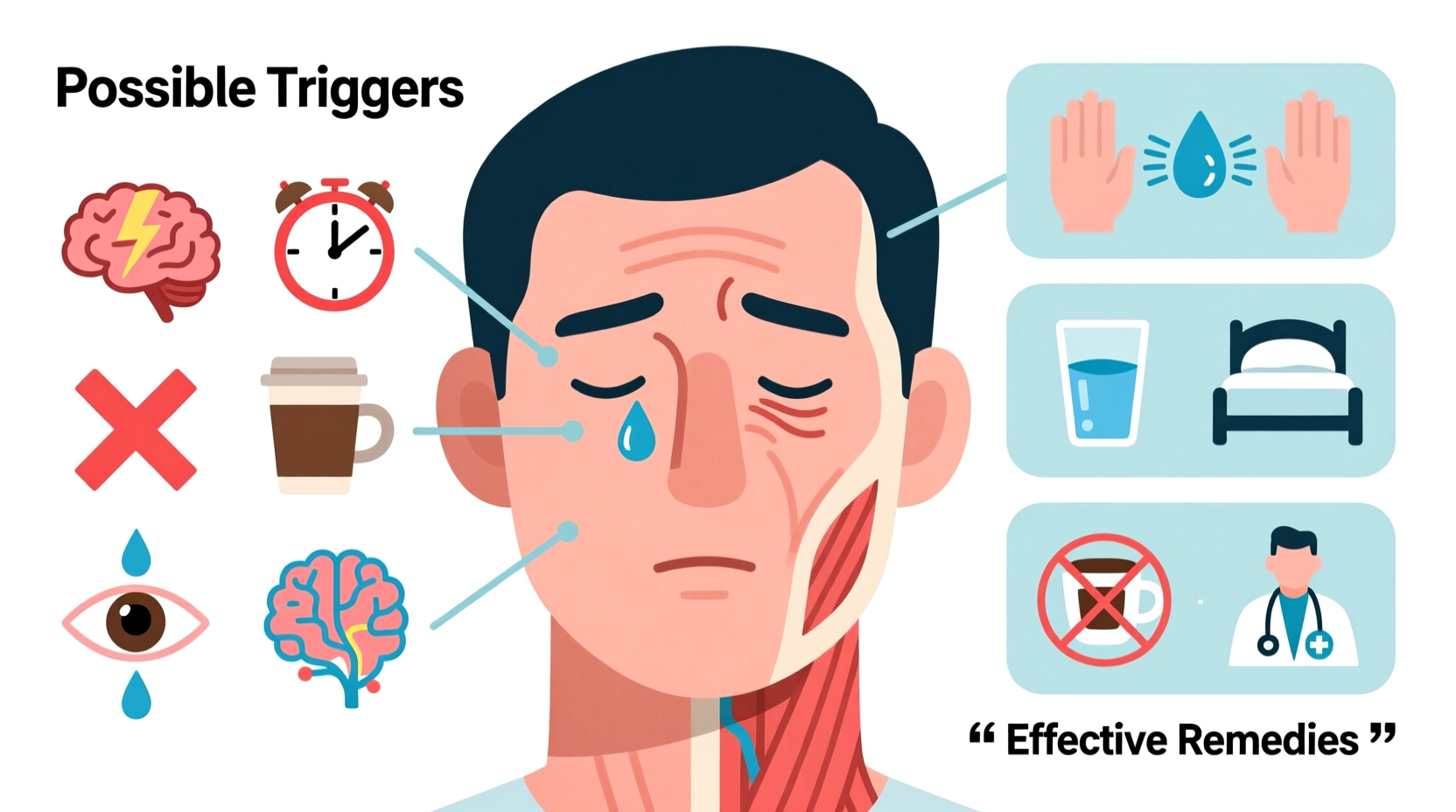
The human nervous system controls muscle movement through electrical signals sent from the brain via cranial nerves. When these signals misfire or become overactive, muscles contract involuntarily—resulting in a twitch. Several factors can disrupt normal nerve function and lead to facial muscle spasms.
- Stress and Anxiety: Elevated cortisol levels due to chronic stress can increase neuromuscular excitability, making muscles more prone to twitching.
- Sleep Deprivation: Lack of rest impairs nerve recovery and regulation, increasing susceptibility to muscle spasms, especially around the eyelid (myokymia).
- Caffeine Overload: Excessive intake of coffee, energy drinks, or stimulants can overstimulate the nervous system, triggering facial tics.
- Nutritional Deficiencies: Low levels of magnesium, calcium, potassium, or vitamin B12 affect nerve signaling and muscle control.
- Dry Eyes or Eye Strain: Prolonged screen use or uncorrected vision problems can cause eyelid twitching as the eye muscles compensate.
Medical Conditions Linked to Persistent Twitching
While most facial twitches are benign and temporary, certain medical disorders should be considered when symptoms are frequent, worsening, or accompanied by other neurological signs.
Blepharospasm
A form of dystonia characterized by involuntary blinking or closure of the eyelids. It often begins mildly but can progress to functional blindness if untreated. Unlike common eyelid twitches, blepharospasm affects both eyes symmetrically and may be triggered by light or stress.
Hemifacial Spasm
This condition involves recurrent contractions on one side of the face, usually starting near the eye and spreading to the cheek and mouth. It’s often caused by compression of the facial nerve (cranial nerve VII) by a blood vessel. In rare cases, tumors or multiple sclerosis may be responsible.
Multiple Sclerosis (MS)
MS damages the protective covering of nerves, disrupting communication between the brain and body. Facial twitching, along with numbness, vision issues, or balance problems, may signal early MS—though this is uncommon without additional symptoms.
Facial Nerve Injury or Inflammation
Previous trauma, infections like Bell’s palsy, or inflammation can leave residual nerve hyperexcitability, leading to post-infectious twitching months after recovery.
“Recurrent unilateral facial twitching beyond a few weeks warrants evaluation. While most cases are benign, we must rule out neurovascular compression or central nervous system involvement.” — Dr. Lena Torres, Neurologist at Boston NeuroCare Center
Do’s and Don’ts: Managing Facial Twitching
| Do’s | Don’ts |
|---|---|
| Practice daily stress-reduction techniques (e.g., meditation, deep breathing) | Ignore persistent twitching lasting more than 3–4 weeks |
| Ensure 7–9 hours of quality sleep each night | Consume excessive caffeine or alcohol |
| Eat magnesium-rich foods (spinach, almonds, avocado, bananas) | Rub or press on the twitching area aggressively |
| Use lubricating eye drops if you have dry eyes | Self-diagnose serious neurological conditions online |
| Schedule an eye exam if screen strain is suspected | Disregard facial weakness, drooping, or asymmetry |
Step-by-Step Guide to Reducing Facial Twitching
If you're experiencing random facial twitches, follow this practical timeline to identify and address potential causes:
- Week 1: Track Symptoms
Create a journal noting when the twitch occurs, duration, location, and any possible triggers (e.g., lack of sleep, coffee, stress). This helps spot patterns. - Week 2: Optimize Lifestyle Factors
Reduce caffeine intake, aim for consistent sleep, and incorporate relaxation practices such as yoga or progressive muscle relaxation. - Week 3: Evaluate Nutrition
Add magnesium and B-complex supplements (after consulting your doctor), eat balanced meals rich in electrolytes, and stay hydrated. - Week 4: Assess Environmental Triggers
Reduce screen time, take breaks using the 20-20-20 rule (every 20 minutes, look at something 20 feet away for 20 seconds), and consider blue-light filters. - Week 5: Seek Medical Advice if Needed
If twitching persists beyond a month, spreads, or is accompanied by weakness, pain, or drooping, consult a neurologist or ophthalmologist.
Real-Life Example: Sarah’s Eyelid Twitch Journey
Sarah, a 34-year-old project manager, began noticing her left eyelid twitching after transitioning to a remote work setup during a high-pressure product launch. Initially dismissing it as tiredness, she found the twitch persisted for over two weeks, worsening in the afternoons.
She started tracking her habits and realized she was drinking four energy drinks daily, sleeping less than six hours, and spending 10+ hours in front of screens. After eliminating energy drinks, adding magnesium supplements, and implementing a strict bedtime routine, her twitch resolved within ten days.
Her experience highlights how cumulative lifestyle stressors—not just one factor—can trigger neuromuscular symptoms. Simple adjustments made a significant difference without medical intervention.
Treatment Options for Chronic or Severe Cases
For benign twitches, conservative measures are usually sufficient. However, when facial twitching becomes chronic or disruptive, clinical treatments may be necessary.
- Botox Injections: Botulinum toxin is FDA-approved for blepharospasm and hemifacial spasm. Injected directly into overactive muscles, it blocks nerve signals and reduces spasms for 3–4 months per session.
- Medications: Muscle relaxants (like clonazepam or baclofen) or anticonvulsants (such as carbamazepine) may be prescribed off-label for severe cases, though side effects limit long-term use.
- MRI Imaging: If hemifacial spasm is suspected, an MRI can detect vascular compression or structural abnormalities near the facial nerve.
- Microvascular Decompression Surgery: A neurosurgical procedure where a blood vessel pressing on the facial nerve is repositioned using a small pad. Reserved for severe, treatment-resistant hemifacial spasm.
It's important to note that Botox and surgery are not first-line solutions. Doctors typically recommend exhausting non-invasive options before considering these interventions.
FAQ: Common Questions About Facial Twitching
Is facial twitching a sign of a stroke?
No, isolated facial twitching is not a typical sign of stroke. Stroke-related facial drooping is usually constant, involves weakness or paralysis (not rhythmic twitching), and is often accompanied by slurred speech, arm weakness, or confusion. If you suspect a stroke, seek emergency care immediately.
Can dehydration cause my face to twitch?
Yes. Dehydration disrupts electrolyte balance—particularly sodium, potassium, and magnesium—which are critical for proper nerve and muscle function. Even mild dehydration from intense exercise, heat, or inadequate fluid intake can trigger muscle fasciculations, including in the face.
When should I see a doctor about facial twitching?
Consult a healthcare provider if the twitch lasts more than three weeks, spreads to other parts of the face, affects both sides, or is associated with redness, swelling, drooping, or difficulty closing the eye. These could indicate a neurological or inflammatory condition requiring evaluation.
Checklist: What You Can Do Today
Use this actionable checklist to start addressing facial twitching effectively:
- ✅ Cut back on caffeine and alcohol today
- ✅ Drink at least 8 glasses of water
- ✅ Take a 20-minute break from screens using the 20-20-20 rule
- ✅ Apply a warm compress to the twitching area
- ✅ Write down tonight’s bedtime and stick to it
- ✅ Eat one magnesium-rich food (e.g., spinach, pumpkin seeds, dark chocolate)
- ✅ Practice 5 minutes of deep breathing or mindfulness
Conclusion: Take Control of Your Well-Being
Random facial twitching is far more common than many realize, and in most cases, it's a temporary response to lifestyle imbalances rather than a serious health threat. By tuning into your body’s signals—whether it's lack of sleep, too much stress, or poor nutrition—you can often resolve the issue with thoughtful, sustainable changes.
However, don’t hesitate to seek professional guidance if symptoms persist or escalate. Early evaluation can prevent complications and provide clarity. Your nervous system is finely tuned; treating it with care pays dividends in overall health and comfort.




 浙公网安备
33010002000092号
浙公网安备
33010002000092号 浙B2-20120091-4
Comments
No comments yet. Why don't you start the discussion?