
Facial twitching—especially around the eye, cheek, or mouth—is a surprisingly common experience, particularly after long days, poor sleep, or periods of high stress. While usually harmless, persistent or worsening twitches can be unsettling and disruptive. Understanding the science behind these involuntary contractions and knowing how to manage them is essential for both comfort and peace of mind.
At its core, facial twitching when tired is often the body’s way of signaling imbalance—typically involving fatigue, nervous system overactivity, or electrolyte disruption. The good news is that most cases resolve with lifestyle adjustments. This article explores the physiological mechanisms behind facial muscle spasms, identifies key triggers, and provides practical, evidence-based strategies to reduce and prevent them.
The Science Behind Facial Twitching
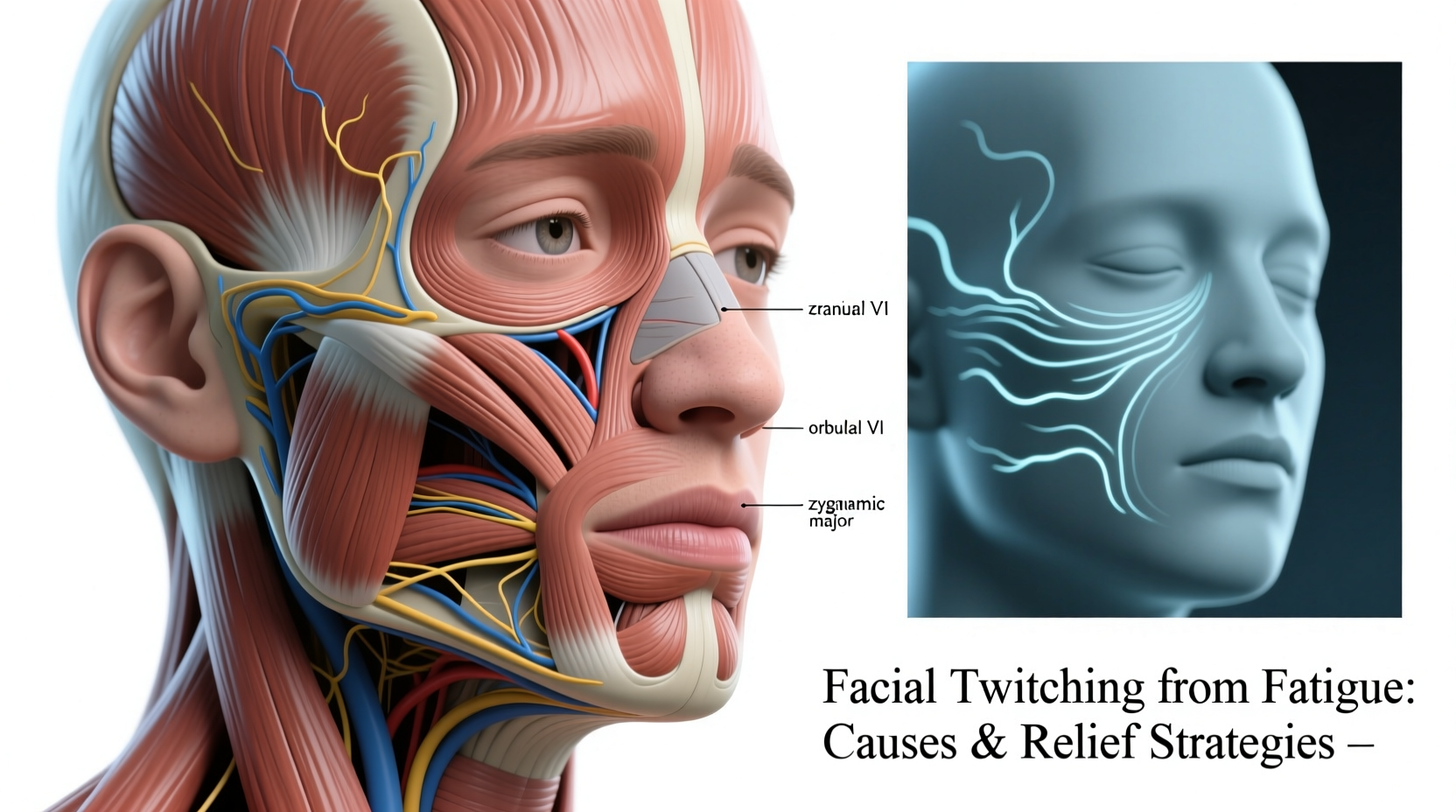
Facial twitching, medically referred to as fasciculation, occurs when small groups of muscle fibers contract involuntarily. These contractions are generated by spontaneous discharges in the lower motor neurons that connect the brain and spinal cord to muscles. When the body is fatigued, these neurons become hyperexcitable, increasing the likelihood of erratic signals and resulting in visible twitches.
The facial nerve (cranial nerve VII) controls most of the muscles involved in facial expression. When this nerve or its pathways are overstimulated due to exhaustion, dehydration, or stress, it can trigger localized spasms—most commonly in the eyelid (a condition known as myokymia), but also in the cheek, jaw, or corner of the mouth.
Dr. Linda Harper, a neurologist at the Pacific Neuroscience Institute, explains:
“Fatigue lowers the threshold for neuronal firing. In simple terms, tired nerves misfire more easily. This is especially true in the facial muscles, which are highly innervated and sensitive to metabolic changes.” — Dr. Linda Harper, Neurologist
While occasional twitching is normal, chronic or spreading spasms may point to underlying conditions such as benign fasciculation syndrome, hemifacial spasm, or, rarely, neurological disorders like multiple sclerosis or ALS. However, isolated facial twitches related to tiredness are almost always benign.
Common Triggers of Facial Muscle Spasms
Tiredness alone isn’t the sole cause—but it amplifies other contributing factors. Below are the primary triggers associated with facial twitching:
- Sleep Deprivation: Chronic lack of quality sleep disrupts neurotransmitter balance and increases nerve excitability.
- Caffeine Overload: High intake of coffee, energy drinks, or stimulants can overstimulate the nervous system.
- Stress and Anxiety: Elevated cortisol levels affect neuromuscular function and promote muscle tension.
- Dehydration: Electrolyte imbalances—particularly low magnesium, potassium, or calcium—impair muscle and nerve regulation.
- Digital Eye Strain: Prolonged screen time leads to eye fatigue, which often manifests as eyelid twitching.
- Nutritional Deficiencies: Diets low in B vitamins, magnesium, or vitamin D are linked to increased muscle irritability.
How to Reduce and Prevent Facial Muscle Spasms
Most facial twitches resolve on their own, but proactive measures can shorten duration and prevent recurrence. Addressing root causes—not just symptoms—is key.
1. Prioritize Sleep Hygiene
Consistent, restorative sleep helps stabilize neural activity. Aim for 7–9 hours per night and maintain a regular sleep schedule—even on weekends. Create a wind-down routine: dim lights, avoid screens an hour before bed, and keep your bedroom cool and quiet.
2. Rebalance Electrolytes and Nutrition
Magnesium plays a critical role in nerve transmission and muscle relaxation. A 2020 study published in Nutrients found that magnesium supplementation significantly reduced muscle cramps and twitches in individuals with mild deficiencies.
Foods rich in key nutrients include:
- Magnesium: Spinach, almonds, pumpkin seeds, black beans
- Potassium: Bananas, sweet potatoes, avocados, coconut water
- Calcium: Dairy, fortified plant milks, kale, sardines
- B Vitamins: Eggs, poultry, whole grains, nutritional yeast
3. Manage Stress and Nervous System Load
Chronic stress keeps the sympathetic nervous system active, promoting muscle tension and twitching. Incorporate daily relaxation techniques such as deep breathing, meditation, or progressive muscle relaxation.
A simple 4-7-8 breathing exercise can calm the nervous system within minutes:
- Inhale quietly through your nose for 4 seconds.
- Hold your breath for 7 seconds.
- Exhale completely through your mouth for 8 seconds.
- Repeat 4 times.
4. Limit Stimulants
Caffeine and nicotine increase acetylcholine release—a neurotransmitter involved in muscle activation. For twitch-prone individuals, even moderate caffeine intake (more than 200mg/day) can be a trigger. Consider switching to herbal teas or decaf options, especially in the afternoon.
5. Reduce Screen Time and Eye Fatigue
Staring at digital screens strains the orbicularis oculi muscle around the eyes. Follow the 20-20-20 rule: every 20 minutes, look at something 20 feet away for at least 20 seconds. Use blue light filters and ensure proper lighting to reduce glare.
Action Checklist: Steps to Stop Facial Twitching
If you're experiencing frequent facial twitches, follow this actionable checklist to regain control:
- Track your sleep: Aim for 7+ hours nightly; use a sleep diary or app if needed.
- Reduce caffeine intake to under 200mg per day (about one strong coffee).
- Eat magnesium-rich foods or consider a supplement (200–400mg/day, consult your doctor first).
- Practice daily stress-reduction techniques like mindfulness or gentle yoga.
- Take screen breaks using the 20-20-20 rule.
- Stay hydrated—drink at least 2 liters of water daily.
- Limit alcohol, which can dehydrate and disrupt nerve function.
- Apply a warm compress to the affected area twice daily.
- Monitor twitch frequency and duration in a journal.
- Consult a healthcare provider if twitching persists beyond 2–3 weeks or spreads.
When to See a Doctor
While most facial twitches are temporary and benign, certain red flags warrant medical evaluation:
| Symptom | Benign (Likely Myokymia) | Potentially Serious (Seek Evaluation) |
|---|---|---|
| Duration | Seconds to minutes, resolves in days | Persistent for weeks or months |
| Location | One small area (e.g., eyelid) | Spreads to other facial areas |
| Associated Symptoms | None or mild fatigue | Drooping eyelid, facial weakness, pain |
| Triggers | Tiredness, caffeine, stress | Occurs at rest, unrelated to lifestyle |
| Frequency | Occasional | Constant or worsening |
Prolonged unilateral twitching—especially if accompanied by facial droop or difficulty closing the eye—may indicate hemifacial spasm, often caused by vascular compression of the facial nerve. This condition typically requires imaging (like an MRI) and may be treated with Botox injections or, in rare cases, surgery.
Real-Life Example: Managing Chronic Eyelid Twitch
Samantha, a 34-year-old graphic designer, began experiencing persistent left eyelid twitching after transitioning to remote work. Her screen time increased to 10+ hours daily, she relied on coffee to stay alert, and her sleep dropped to 5–6 hours per night. Initially dismissing it as stress, the twitch lasted over three weeks and started affecting her concentration.
After reading about potential causes, Samantha implemented changes: she limited coffee to one cup before 10 a.m., introduced a nightly wind-down routine, used blue light glasses, and added magnesium supplements. Within 10 days, the twitching decreased significantly. By week three, it had stopped entirely. She now maintains a structured workday with scheduled breaks and prioritizes sleep hygiene.
Her experience highlights how modern lifestyle factors—screen exposure, irregular sleep, and stimulant use—can converge to trigger physical symptoms, and how targeted adjustments lead to meaningful recovery.
Frequently Asked Questions
Can lack of sleep directly cause facial twitching?
Yes. Sleep deprivation disrupts the autonomic nervous system and alters neurotransmitter levels like dopamine and GABA, which regulate muscle control. Even one or two nights of poor sleep can trigger temporary facial twitches, especially in sensitive individuals.
Is facial twitching a sign of a serious neurological condition?
In the vast majority of cases, no. Isolated, intermittent twitching related to fatigue or stress is benign. However, if twitching becomes constant, spreads across the face, or is accompanied by weakness, drooping, or pain, it should be evaluated by a neurologist to rule out conditions like Bell’s palsy, hemifacial spasm, or multiple sclerosis.
Can magnesium really stop facial twitches?
For people with low magnesium levels, supplementation can be highly effective. Magnesium acts as a natural calcium blocker and stabilizes nerve membranes, reducing hyperexcitability. While not a cure-all, correcting deficiencies often reduces or eliminates muscle spasms. Always consult a doctor before starting supplements, especially if you have kidney issues.
Conclusion: Take Control of Your Nervous System Health
Facial twitching when tired is a common, usually temporary response to physical and mental strain. It reflects the delicate balance between your nervous system, lifestyle habits, and overall health. While it rarely indicates a serious problem, recurring spasms are a signal worth heeding—one that invites you to slow down, reassess your routines, and prioritize restorative practices.
You don’t need drastic changes to see results. Simple steps like improving sleep, cutting back on caffeine, staying hydrated, and managing stress can make a significant difference. Listen to your body. Small twitches today could be preventing bigger issues tomorrow.




 浙公网安备
33010002000092号
浙公网安备
33010002000092号 浙B2-20120091-4
Comments
No comments yet. Why don't you start the discussion?