
Ferrets are intelligent, curious, and energetic pets that bring joy and laughter to many households. However, one of the most common concerns new owners face is biting—especially during play. While it might seem aggressive, most playful nipping is rooted in natural behavior rather than malice. Understanding why your ferret bites and learning how to guide them toward gentler interactions can transform your relationship from one of frustration to mutual trust and affection.
Biting during play is rarely an attempt to dominate or harm. Instead, it reflects a miscommunication between species: what feels like roughhousing to a ferret may be painful or alarming to a human. The good news is that with patience, consistency, and proper training techniques, you can teach your ferret to play gently without suppressing their spirited nature.
Understanding Ferret Play Behavior
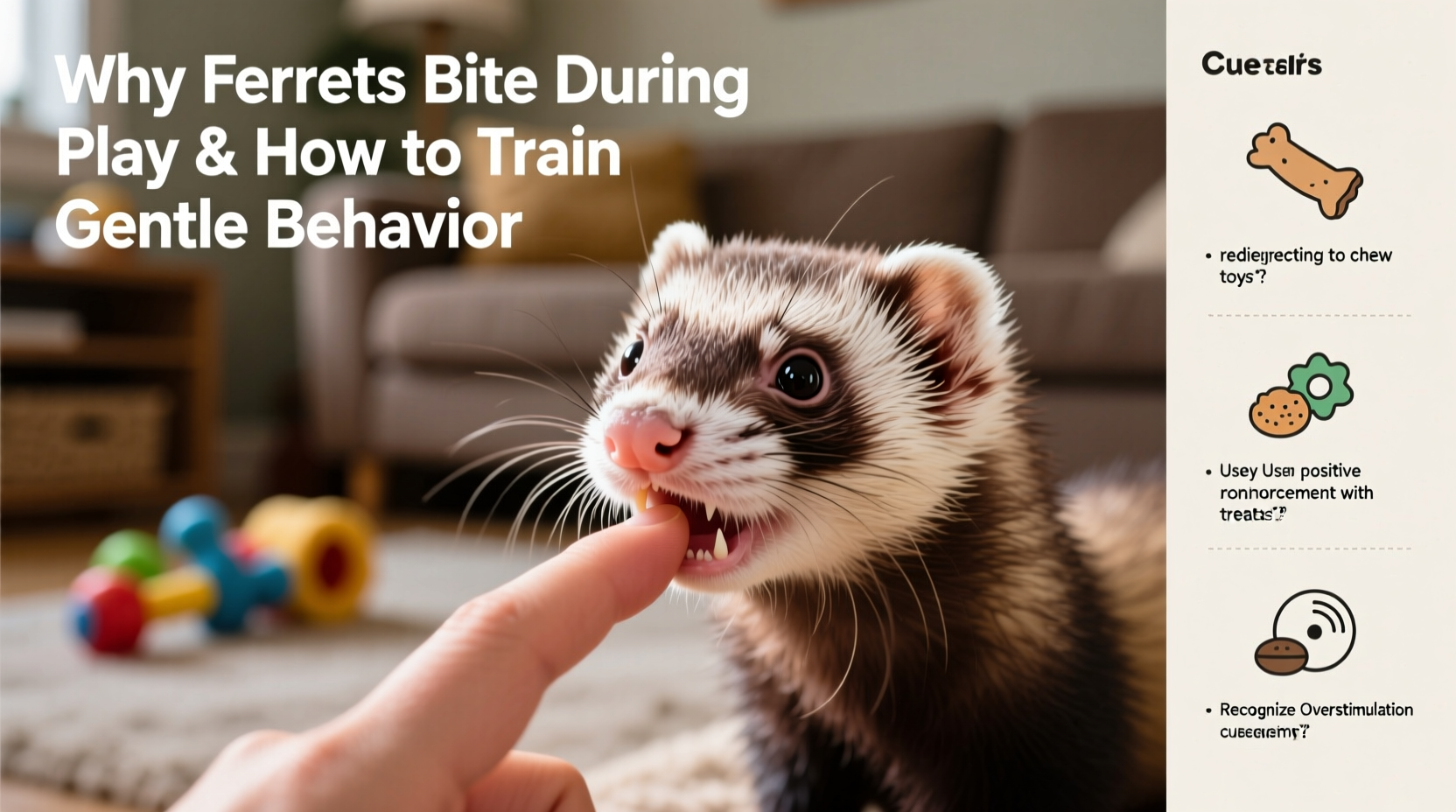
Ferrets are born hunters. In the wild, they rely on quick movements, pouncing, and mock combat to develop survival skills. Even as domesticated animals, these instincts remain strong. When your ferret chases, grabs, or bites during play, they’re not trying to hurt you—they’re engaging in instinctive behaviors that simulate hunting or social interaction with other ferrets.
Young ferrets, especially those under six months old, are more prone to excessive mouthing because they're still learning boundaries. Just like puppies, they use their mouths to explore the world. Without proper guidance, this exploratory biting can escalate into harder, more painful nips.
It’s important to distinguish between types of bites:
- Light mouthing – A soft nibble or grab often used during play or curiosity.
- Play biting – Repeated grabbing or shaking motions mimicking prey capture.
- Hard biting – Painful, forceful bites that break skin, possibly indicating overstimulation or fear.
- Defensive biting – A reaction to being startled, handled improperly, or feeling trapped.
The goal isn’t to eliminate all mouth contact—ferrets will always use their mouths as tools—but to redirect intense biting into acceptable forms of interaction.
Why Your Ferret Bites During Play: Common Triggers
Several factors contribute to unwanted biting during play sessions. Identifying the root cause helps tailor your training approach effectively.
Lack of Early Socialization
Ferrets weaned too early or raised without consistent human interaction may not have learned bite inhibition. Those who didn’t grow up playing with littermates miss out on crucial feedback—other ferrets yelp when bitten too hard, teaching moderation. Without this peer correction, young ferrets assume humans tolerate any level of pressure.
Overstimulation
Ferrets have short attention spans and high energy bursts. After several minutes of intense play, they can become overexcited, leading to erratic behavior including sudden biting. This is especially common when children or overly enthusiastic adults encourage hyperactive games.
Misinterpreted Signals
A wiggling hand or dangling sleeve may look like prey to a ferret. Fast movements trigger their chase instinct, and once caught, they’ll bite and shake. Similarly, holding still after being grabbed signals submission in ferret language, which reinforces the behavior.
Teething (in Kits)
Young ferrets go through a teething phase around 6–12 weeks of age. Like human babies, they chew to relieve gum discomfort. Providing safe chewing alternatives is essential during this stage.
Pain or Discomfort
If a ferret suddenly starts biting when they previously didn’t, consider underlying health issues. Dental pain, gastrointestinal discomfort, or injury can make even gentle handling unbearable.
“Ferrets don’t come pre-programmed for human rules. They learn through repetition and consequence. Gentle, consistent training builds trust far more effectively than dominance-based methods.” — Dr. Rebecca Alvarez, Exotic Animal Behaviorist
Step-by-Step Guide to Training Gentle Play
Training a ferret to play gently requires time, consistency, and clear communication. Follow this structured timeline to shape better behavior:
- Observe and Identify Patterns (Days 1–3)
Track when biting occurs—during specific games, with certain people, or after prolonged activity. Note triggers such as fast hand movements or loud noises. - Use Positive Reinforcement (Ongoing)
Whenever your ferret plays without biting, immediately reward with praise, a treat, or access to a favorite toy. This reinforces desired behavior. - React to Biting with Immediate Feedback (Start Immediately)
The moment teeth make painful contact, let out a sharp “Yelp!” or “Ouch!” Then stop all interaction. Put the ferret down and walk away for 30 seconds to 1 minute. This mimics how littermates respond to rough play. - Redirect to Appropriate Toys (Every Session)
Keep tug ropes, crinkle toys, or soft plushies nearby. When your ferret lunges at your hand, offer a toy instead. Praise them when they switch focus. - End Sessions Before Overstimulation (Daily Practice)
Limited playtimes of 5–10 minutes prevent fatigue and hyperactivity. Gradually increase duration only if behavior remains calm. - Practice Handling Calmly (Daily)
Spend time daily simply holding your ferret while reading or watching TV. If they start nibbling, say “No” firmly and place them back in their enclosure. Repeat until they remain relaxed without mouthing. - Introduce Bite Pressure Training (Weeks 2–4)
Allow gentle mouthing on your hand (no pressure). If pressure increases, yelp and end play. Over time, they’ll associate light contact with continued fun and hard bites with game over.
Do’s and Don’ts of Ferret Bite Training
| Do’s | Don’ts |
|---|---|
| Use high-value treats like sliver of chicken or ferret-safe paste for rewards | Hit, scruff, or shake your ferret—this breeds fear and mistrust |
| Provide plenty of chew toys designed for ferrets | Wear loose clothing or dangle fingers during play—it invites biting |
| Supervise children closely during interactions | Shout angrily or lock your ferret away as punishment |
| Be consistent across all family members in responses to biting | Let biting slide occasionally—even inconsistent reinforcement strengthens bad habits |
| Rotate toys weekly to maintain interest and reduce boredom | Assume your ferret will “grow out of it”—without training, biting often worsens |
Mini Case Study: From Nipper to Companion
Sophia adopted a 10-week-old ferret named Ziggy from a local breeder. Within days, she noticed he loved to chase her hands and latch on with surprising force. Despite loving his energy, she was frustrated by frequent bites that sometimes drew blood.
After consulting a veterinarian behaviorist, Sophia implemented a structured plan. She began ending every biting incident with a firm “Ouch!” followed by a 45-second timeout in his cage. She introduced a collection of rope toys and rewarded Ziggy with tiny bits of cooked egg whenever he redirected his attention to them.
She also changed how she initiated play—instead of wiggling her fingers, she used a feather wand toy to engage him. Within three weeks, Ziggy’s biting decreased by over 80%. By week six, he would automatically seek out his tug toy when excited. Today, at nine months old, Ziggy still playfully grabs sleeves but releases instantly when told “No,” and rarely applies enough pressure to hurt.
“I realized he wasn’t being aggressive—he just didn’t know any better,” Sophia said. “Once I gave him clearer rules and better outlets, everything changed.”
Checklist: Building a Bite-Free Play Routine
- ✅ Observe when and why biting happens
- ✅ Remove yourself immediately after a painful bite (yelp + walk away)
- ✅ Keep appropriate chew toys accessible during play
- ✅ Reward calm, non-biting behavior with treats or affection
- ✅ Limit play sessions to prevent overstimulation
- ✅ Avoid using hands as toys—use wands or plush objects instead
- ✅ Ensure all household members follow the same training rules
- ✅ Schedule regular vet checkups to rule out medical causes
- ✅ Be patient—behavior change takes weeks, not days
- ✅ Celebrate small improvements to stay motivated
Frequently Asked Questions
Is it normal for ferrets to bite during play?
Yes, especially in juveniles. Mouthing and light biting are part of natural ferret play. However, training is necessary to ensure bites remain gentle and don’t escalate into harmful behavior.
Can older ferrets be trained not to bite?
Absolutely. While younger ferrets learn faster, adult ferrets are fully capable of modifying behavior with consistent training. It may take longer due to established habits, but progress is achievable with patience and positive reinforcement.
What should I do if my ferret bites strangers or guests?
This often indicates fear or lack of socialization. Never force interaction. Allow visitors to sit quietly while offering treats. Avoid direct handling until the ferret approaches willingly. Supervised, calm exposure over time reduces stranger-directed biting.
Conclusion: Turning Biting Into Bonding
Your ferret’s biting isn’t a flaw—it’s a form of communication. With insight into their instincts and a commitment to consistent, compassionate training, you can guide them toward gentler ways of interacting. The process strengthens your bond, fosters mutual respect, and creates a safer, more enjoyable environment for both of you.
Remember, every yelp responded to, every toy offered, and every calm handling session shapes your ferret’s understanding of acceptable behavior. Progress may be gradual, but each step forward is a victory worth celebrating.




 浙公网安备
33010002000092号
浙公网安备
33010002000092号 浙B2-20120091-4
Comments
No comments yet. Why don't you start the discussion?