
Fever is a natural immune response, signaling that your body is fighting off an infection. Many people notice their fever intensifies when night falls, making rest difficult and discomfort more pronounced. This pattern isn’t imaginary—it’s rooted in biology, circadian rhythms, and immune system behavior. Understanding why fevers spike at night can help you manage symptoms more effectively and support recovery.
The Science Behind Nighttime Fever Spikes
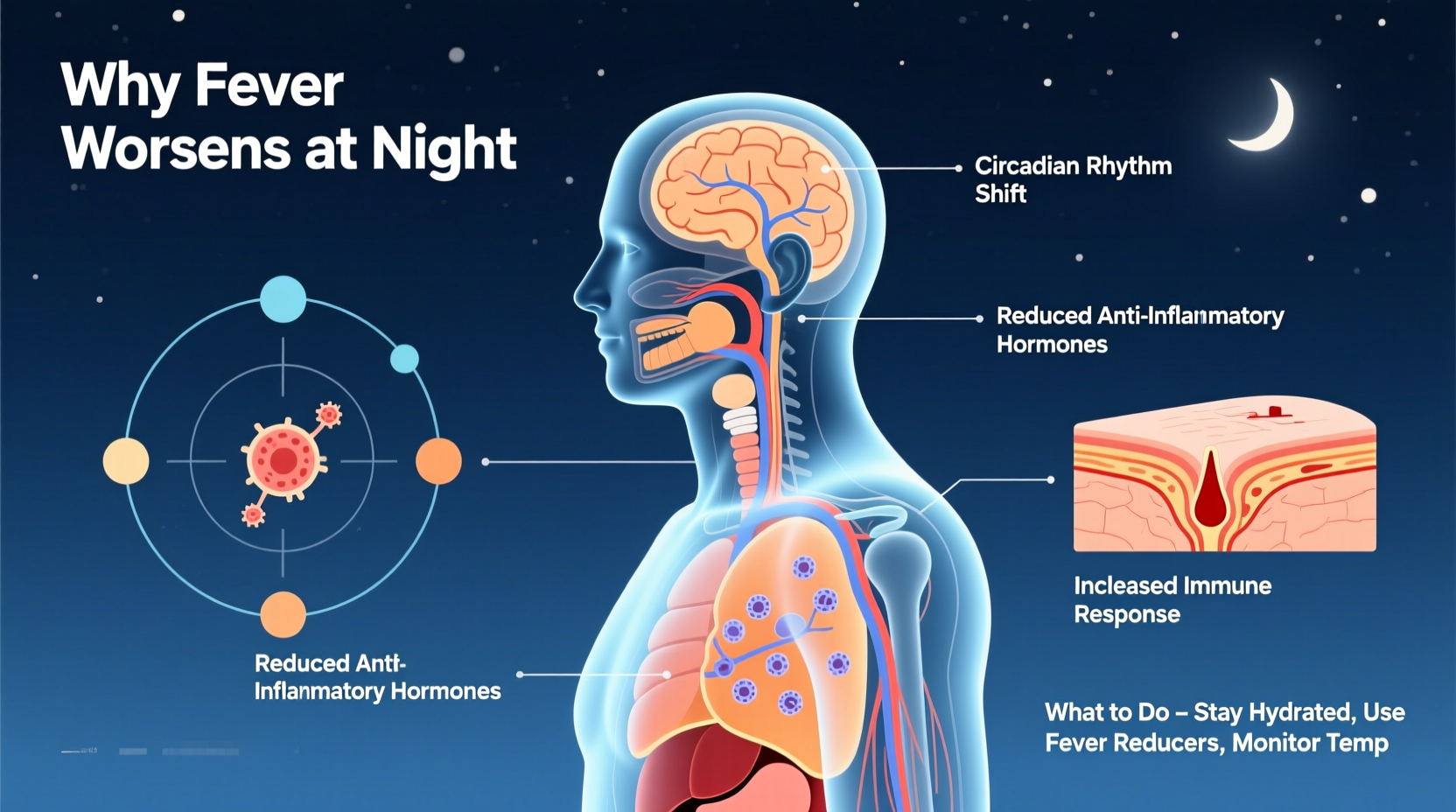
Your body operates on a 24-hour internal clock known as the circadian rhythm. This biological cycle influences hormone levels, metabolism, and even immune function. One key player in nighttime fever spikes is cortisol, a hormone that naturally decreases in the evening. Cortisol has anti-inflammatory properties and helps regulate immune activity. As its levels drop at night, your immune system becomes more active, which can amplify inflammation and elevate body temperature.
Additionally, your core body temperature naturally rises in the late afternoon and early evening. When combined with an existing infection, this baseline increase can push a mild fever into a more noticeable or uncomfortable range by bedtime.
“Fever often worsens at night due to circadian-driven changes in immune regulation and reduced cortisol levels.” — Dr. Lena Patel, Immunologist and Internal Medicine Specialist
Common Causes of Nighttime Fevers
Nighttime fever exacerbation isn't a condition itself but a symptom influenced by underlying infections or illnesses. Some of the most frequent causes include:
- Viral infections: Cold, flu, RSV, and even mild cases of COVID-19 often cause evening fever spikes.
- Bacterial infections: Sinusitis, strep throat, urinary tract infections (UTIs), and pneumonia may present with nocturnal fevers.
- Inflammatory conditions: Autoimmune disorders like rheumatoid arthritis can trigger recurring fevers that worsen at night.
- Teething in infants: While controversial, some parents report low-grade fevers during teething, often more noticeable at night.
- Medication side effects: Certain drugs, including antibiotics or antihypertensives, may induce drug-induced fever with nocturnal patterns.
Why You Feel Worse at Night: Perception and Environment
It's not just physiology—your environment and mental state play roles too. During the day, distractions like work, conversation, or movement can mask discomfort. At night, in quiet and stillness, bodily sensations become more prominent. The absence of external stimuli makes it easier to focus on chills, sweating, or muscle aches.
Bedroom conditions also matter. Overbundling under heavy blankets, sleeping in a warm room, or wearing thick pajamas can trap heat and raise body temperature further. Dehydration from insufficient fluid intake during the day can also contribute to higher nighttime readings.
Environmental Factors That Worsen Night Fevers
| Factor | Effect | Solution |
|---|---|---|
| High room temperature | Traps body heat, increases discomfort | Cool room to 68–72°F (20–22°C) |
| Heavy bedding | Reduces heat dissipation | Use lightweight, breathable fabrics |
| Dehydration | Lowers heat tolerance, concentrates cytokines | Drink water throughout the day |
| Poor ventilation | Stale air reduces comfort | Open window slightly or use fan |
Step-by-Step Guide to Managing Nighttime Fever
Managing a worsening fever at night requires both immediate relief and long-term strategy. Follow this timeline to reduce discomfort and support healing:
- Early Evening (5–7 PM): Take your temperature and assess symptoms. If fever is rising, consider taking acetaminophen or ibuprofen as directed. Stay hydrated with water, herbal tea, or electrolyte drinks.
- Before Bed (8–9 PM): Wear loose, moisture-wicking sleepwear. Set thermostat to a cool setting. Use a damp washcloth on your forehead or wrists if feeling overheated.
- Nighttime (10 PM–2 AM): Keep a glass of water and fever reducer within reach. If you wake up shivering or drenched in sweat, change clothes and sheets if needed. Avoid over-covering.
- Morning (Upon Waking): Recheck temperature. Note any improvement or persistence. Continue hydration and rest. Seek medical advice if fever exceeds 103°F (39.4°C) or lasts more than 3 days.
When to Seek Medical Attention
Most fevers are self-limiting and resolve within a few days. However, certain red flags indicate the need for prompt evaluation:
- Fever above 104°F (40°C) in adults or 102.2°F (39°C) in infants under 3 months
- Fever lasting more than 3–4 days without improvement
- Severe headache, neck stiffness, or sensitivity to light (possible meningitis)
- Difficulty breathing, chest pain, or confusion
- Rash that doesn’t blanch under pressure
“In otherwise healthy adults, a fever under 103°F lasting less than 72 hours usually doesn’t require emergency care. But persistent nighttime spikes warrant investigation.” — Dr. Marcus Tran, ER Physician
Mini Case Study: Recovering from a Viral Infection
Sarah, a 34-year-old teacher, developed a sore throat and low-grade fever that worsened each night. By day, she felt manageable; by midnight, her temperature reached 102.1°F, accompanied by chills and fatigue. She tracked her symptoms, adjusted her bedroom temperature, increased fluid intake, and took ibuprofen before bed. Within 48 hours, her nighttime fevers subsided. A rapid test later confirmed influenza. Her proactive management prevented complications and shortened recovery time.
Practical Tips and Prevention Checklist
Use this checklist to manage and prevent severe nighttime fevers:
- ✅ Monitor temperature twice daily (morning and evening)
- ✅ Stay hydrated—aim for 8–10 glasses of fluid per day
- ✅ Use fever reducers only when necessary (e.g., above 101.5°F or significant discomfort)
- ✅ Sleep in a cool, well-ventilated room
- ✅ Wash hands frequently to prevent reinfection or spreading illness
- ✅ Rest adequately—even mild exertion can prolong fever
- ✅ Avoid alcohol and caffeine, which can dehydrate and disrupt sleep
Frequently Asked Questions
Can stress make my fever worse at night?
Yes. Chronic stress elevates inflammatory markers and disrupts sleep, weakening immune regulation. This can indirectly amplify fever severity, especially during rest periods when the body attempts repair.
Is it normal for a child’s fever to spike at night?
Yes. Children often experience more pronounced fever fluctuations due to developing immune systems. However, always monitor closely. Seek care immediately if a child under 3 months has any fever, or if older children show lethargy, refusal to drink, or difficulty breathing.
Should I wake up to take fever medicine at night?
Only if symptoms are disruptive. Continuous sleep supports healing. If you’re waking due to discomfort, pre-dose medication before bed. Never exceed recommended dosages or combine medications without consulting a doctor.
Conclusion: Take Control of Your Recovery
A fever that worsens at night is a common yet manageable part of illness. By understanding the interplay between circadian biology, immune response, and environmental factors, you can take practical steps to ease symptoms and improve rest. Hydration, smart medication use, and a cool sleeping environment make a meaningful difference. Most importantly, listen to your body. Persistent or high fevers deserve medical attention—not out of fear, but out of respect for your health.




 浙公网安备
33010002000092号
浙公网安备
33010002000092号 浙B2-20120091-4
Comments
No comments yet. Why don't you start the discussion?